




Hydrocolloid dressings are widely recognised in wound care for their ability to create a moist healing environment, which is crucial for tissue regeneration.
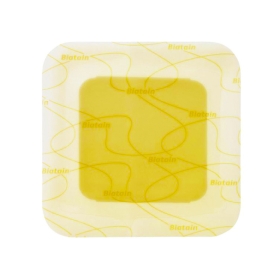 Biatain Adhesive Advanced Wound Dressing - Hydrocolloid£26.14 £21.78
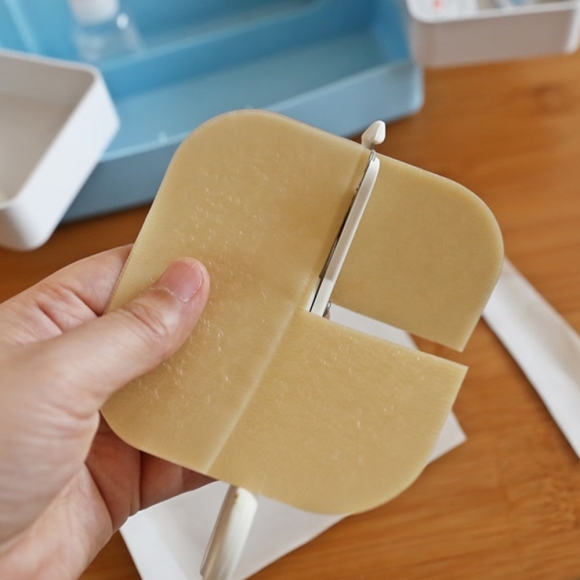
Hydrocolloid dressings support moist wound healing. They suit wounds with low to moderate fluid, such as blisters, minor burns, abrasions and early-stage pressure ulcers.
They form a protective barrier over the wound, helping maintain moisture while shielding the area from dirt and bacteria.
As the dressing absorbs exudate, it forms a soft gel that supports natural healing and helps remove dead tissue. This creates a good setting for skin to heal.
It also helps to reduce pain and rubbing. This is especially helpful in pressure-prone areas such as the heel.
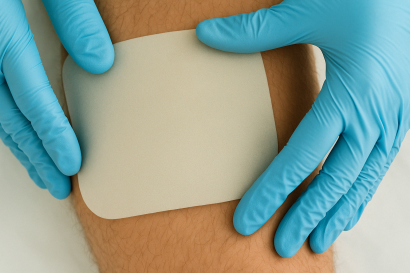
Hydrocolloid dressings are occlusive or semi-occlusive dressings made with gel-forming ingredients that interact with wound fluid. As exudate is absorbed, the dressing forms a soft gel layer that helps maintain moisture at the wound surface. In practical terms, this means the dressing should support autolytic debridement.
It should provide a protective barrier. It should reduce friction on vulnerable tissue.
Hydrocolloid dressings are often chosen because they can stay in place for several days. This reduces the need for frequent changes and minimises disruption to healing. Their flexible, waterproof design also makes them suitable for everyday use, including in active or high-friction areas.
They are not recommended for heavily exuding or infected wounds, where more absorbent or antimicrobial dressings may be required.
In simple terms, hydrocolloid dressings offer a practical, low-maintenance solution for protecting and healing superficial wounds.
They help maintain a moist surface environment, which can support natural tissue repair and gentle autolytic debridement.
The dressing adds a protective layer over areas exposed to rubbing, pressure or footwear friction, which is why hydrocolloids are often used for blisters and superficial skin damage.
Compared with a simple dry dressing, hydrocolloids are often selected when fewer dressing changes and improved day-to-day comfort are important.
Designed for superficial wounds and lighter exudate where flexibility and a lower-profile feel matter.
Useful when you want secure adhesion around the wound and simpler application in everyday clinical use.
A practical option for superficial acute or chronic wounds where flexibility and visibility are useful.
Clinicians often choose familiar product families for wear time, handling and wound-type suitability.
| Concern or wound type | How hydrocolloid dressings may help | Relevant dressing products on Algeos |
|---|---|---|
| Superficial pressure-related skin damage | May help protect the area, manage light exudate and reduce friction over vulnerable tissue. | Hydrocolloid dressings |
| Blisters caused by footwear friction | Hydrocolloid plasters can cushion the site and support a moist healing environment. | Hydrocolloid blister plasters |
| Minor burns and abrasions | Often selected when a protective, conforming dressing is needed for a superficial wound. | Non-adherent dressings |
| Dry or necrotic tissue needing added hydration | Hydrocolloids are not always the first choice; a hydrogel may be more appropriate where rehydration is needed. | Hydrogel dressings |
| Moderate to heavy exudate | A hydrocolloid may not handle higher fluid levels well; absorbent alternatives are often more suitable. | Alginate dressings and Foam wound dressings |
| Diabetic foot risk and skin vulnerability | Dressing choice should sit alongside pressure reduction, skin checks and appropriate offloading. | Hydrocolloid dressings suitable for fragile skin |
A focused overview of how hydrocolloids work, typical uses and where they fit into modern wound care.
Compare hydrocolloid, foam, alginate, hydrogel, film and silicone options in one place.
A practical guide for selecting dressing types based on wound presentation and care goals.
Browse the wider Algeos range for dressing support, podiatry and clinic essentials.
Useful when superficial wound cover and easier visual monitoring are priorities.
Often chosen for dry wounds where cooling and added hydration are important.
For everyday wound protection, securement and general clinic stock needs.
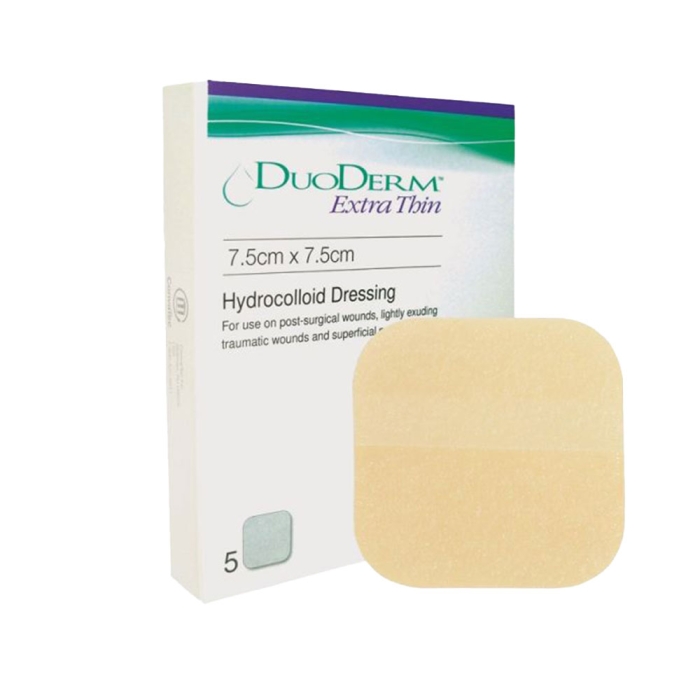
Designed for lightly exuding wounds and areas where flexibility and a discreet profile are useful.
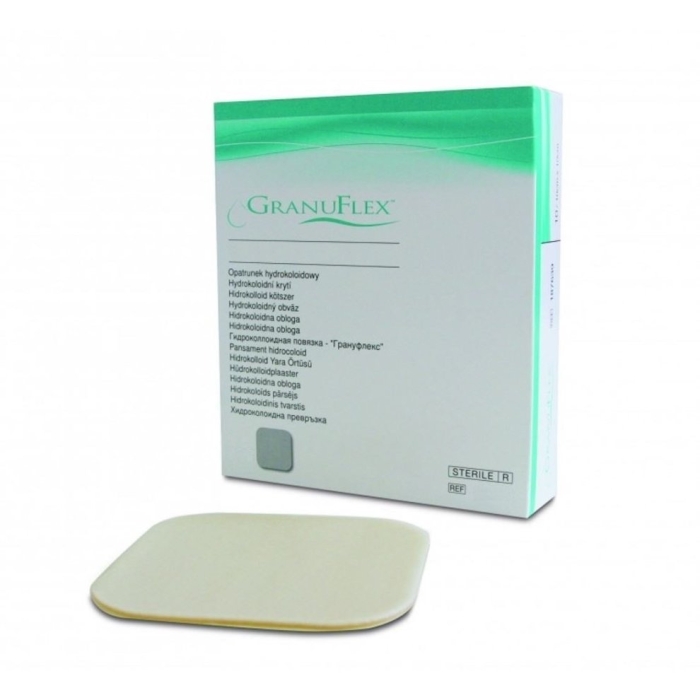
A well-known hydrocolloid option for maintaining moisture balance in appropriate wound types.
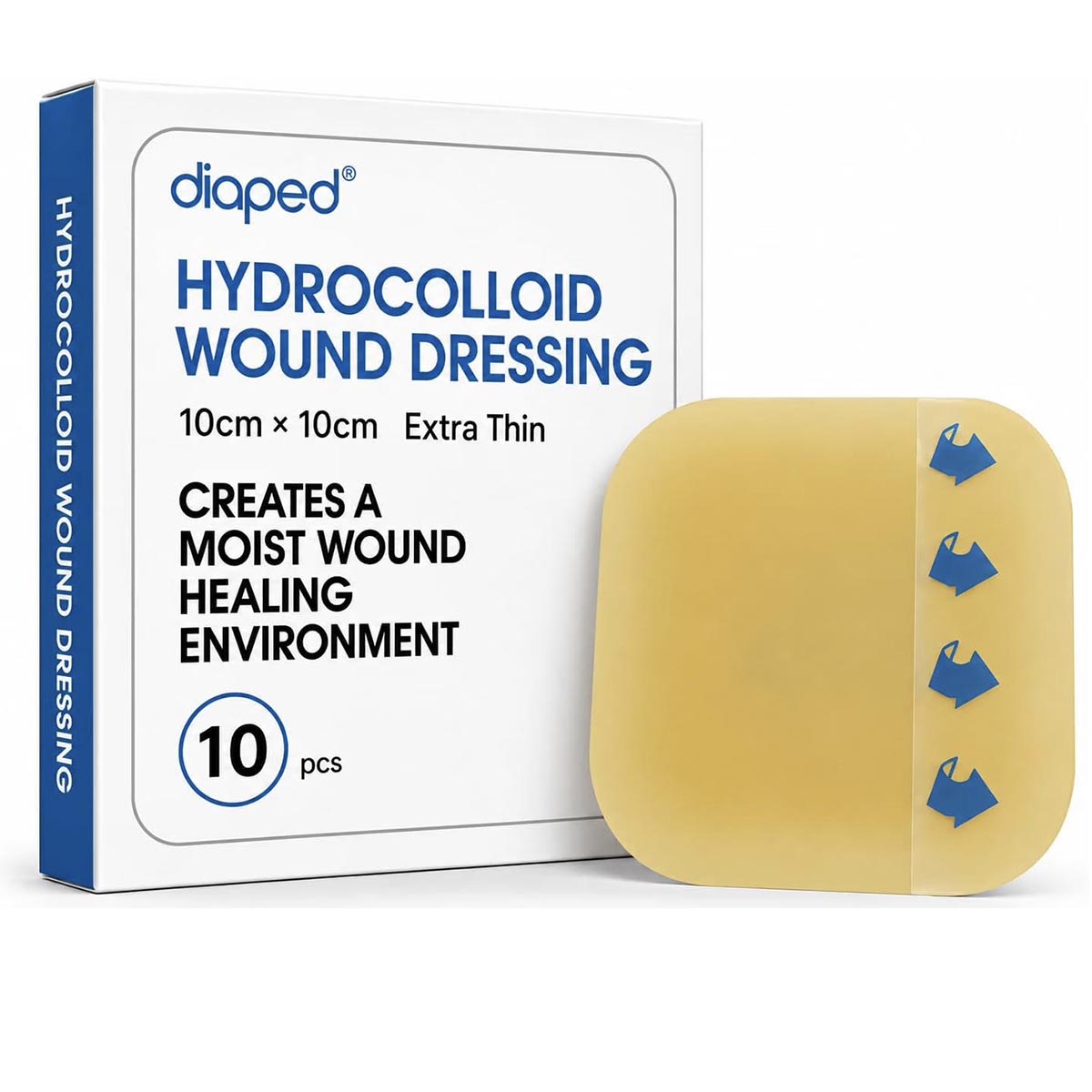
A practical format for superficial wounds needing gentle cushioning and a moist environment.
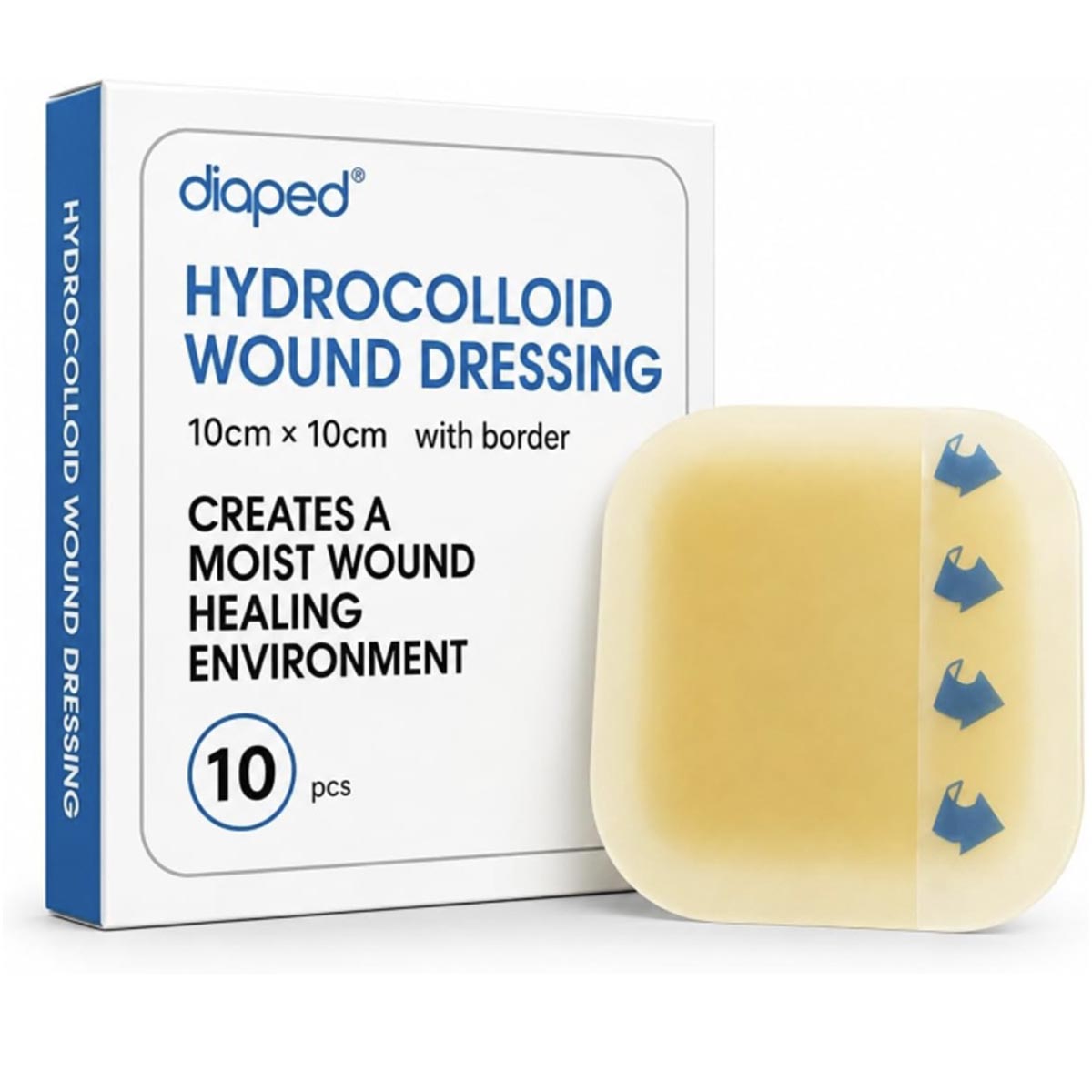
Useful where secure adhesion and straightforward application are priorities.
They are commonly used for superficial wounds, minor burns, abrasions, blisters and some pressure ulcers where exudate is low to moderate. Dressing choice should always match the wound presentation and the need for monitoring.
They are generally not the first choice when infection is suspected or confirmed. If the wound shows increasing redness, swelling, pain, odour or pus, clinical review is important and a different dressing strategy may be needed.
Hydrogel dressings are often better for dry wounds or wounds needing added moisture. You can compare options in the hydrogel dressings range.
For heavier exudate, absorbent alternatives such as alginate or foam dressings are often more appropriate.
Yes, hydrocolloid blister plasters are often used to cushion friction blisters and support healing. See the Algeos blister plasters and padding section for related options.
Sold: Pack of 5
Incl. VAT Exl. VAT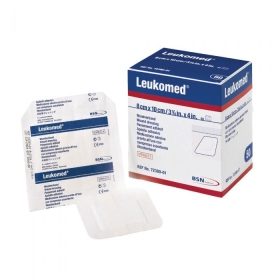
Sold: Pack of 50
Incl. VAT Exl. VAT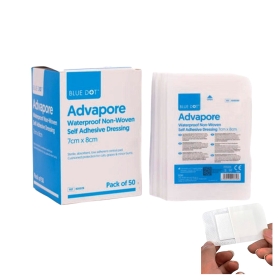
Sold: Pack of 50
Incl. VAT Exl. VAT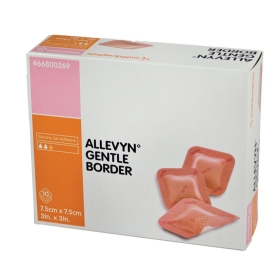
Sold: Pack of 10
Incl. VAT Exl. VAT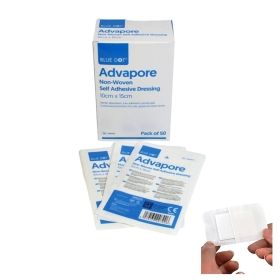
Sold: Pack of 50
Incl. VAT Exl. VAT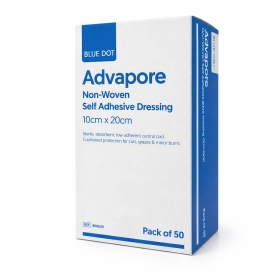
Sold: Pack of 50
Incl. VAT Exl. VAT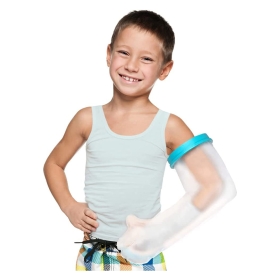
Sold: Each
Incl. VAT Exl. VAT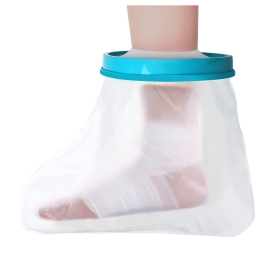
Sold: Each
Incl. VAT Exl. VAT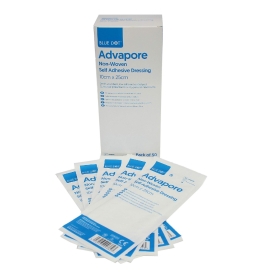
Sold: Pack of 50
Incl. VAT Exl. VAT
Sold: Pack of 5
Incl. VAT Exl. VAT
Sold: Pack of 10
Incl. VAT Exl. VAT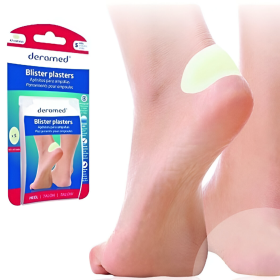
Sold: Pack of 5
Incl. VAT Exl. VAT
Sold: Pack of 200
Incl. VAT Exl. VAT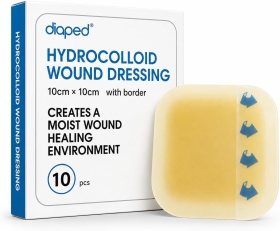
Sold: Each
Incl. VAT Exl. VAT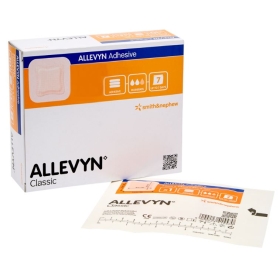
Sold: Pack of 10
Incl. VAT Exl. VAT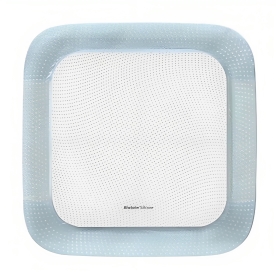
Sold: Pack of 10
Incl. VAT Exl. VAT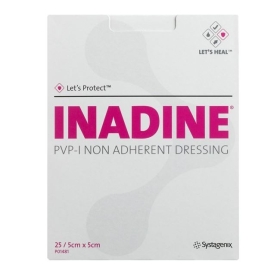
Sold: Pack of 25
Incl. VAT Exl. VAT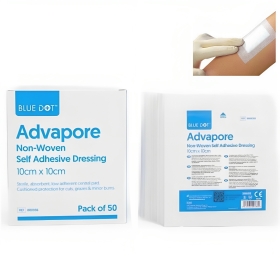
Sold: Pack of 50
Incl. VAT Exl. VAT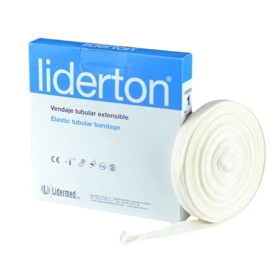
Sold: 20 Metre Roll
Incl. VAT Exl. VAT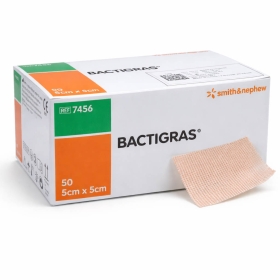
Sold: Pack of 50
Incl. VAT Exl. VAT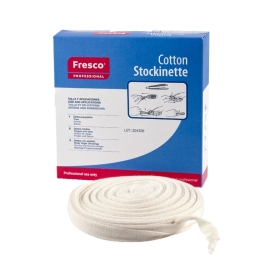
Sold: 20m Roll
Incl. VAT Exl. VAT
Sold: Box of 100
Incl. VAT Exl. VATSold: Box of 100
Incl. VAT Exl. VAT
Sold: Box of 10
Incl. VAT Exl. VAT
Sold: Pack of 100
Incl. VAT Exl. VAT Sold: Various Pack Sizes
Incl. VAT Exl. VAT
Sold: Box of 5 pieces
Incl. VAT Exl. VAT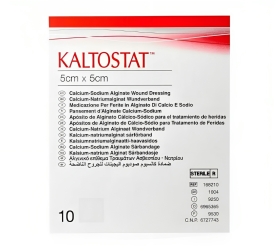
Sold: Pack of 10
Incl. VAT Exl. VAT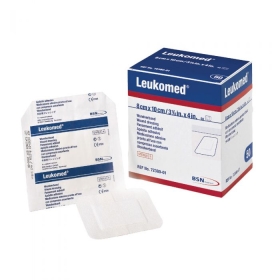
Sold: Pack of 50
Incl. VAT Exl. VAT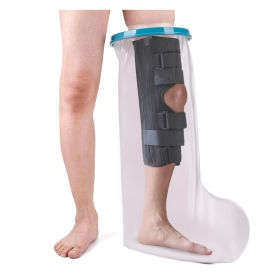
Sold: Each
Incl. VAT Exl. VAT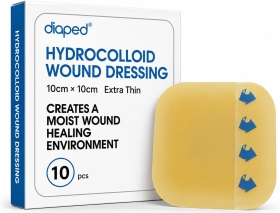
Sold: Box of 10
Incl. VAT Exl. VAT
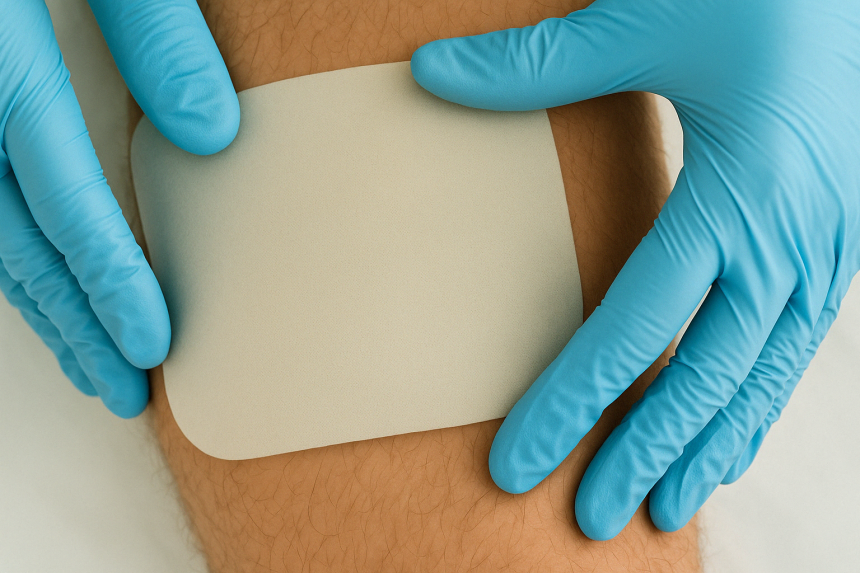
January 25, 2026
Hydrocolloid dressings are widely recognised in wound care for their ability to create a moist healing environment, which is crucial for tissue regeneration.
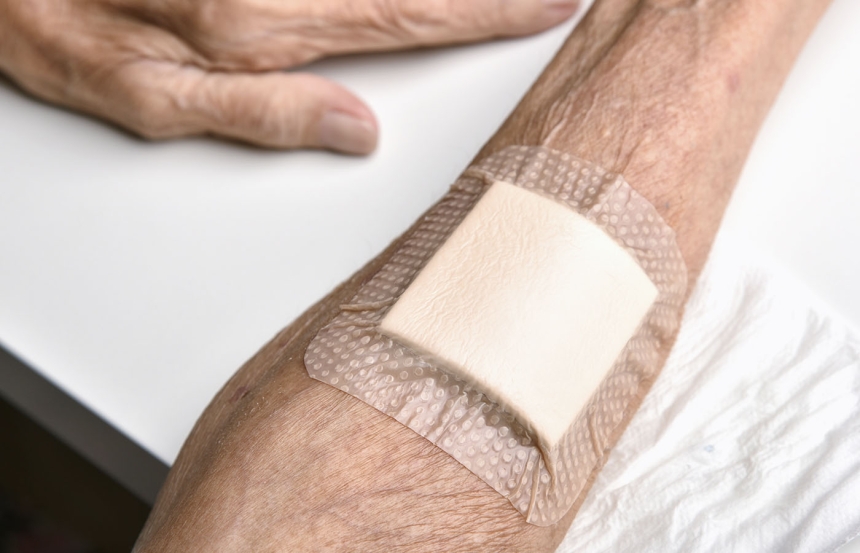
January 22, 2026
Proper wound care is crucial for healing and preventing infection. Modern wound dressings are designed to keep wounds in a moist, protected environment, which research has shown helps skin cells grow and wounds heal faster.
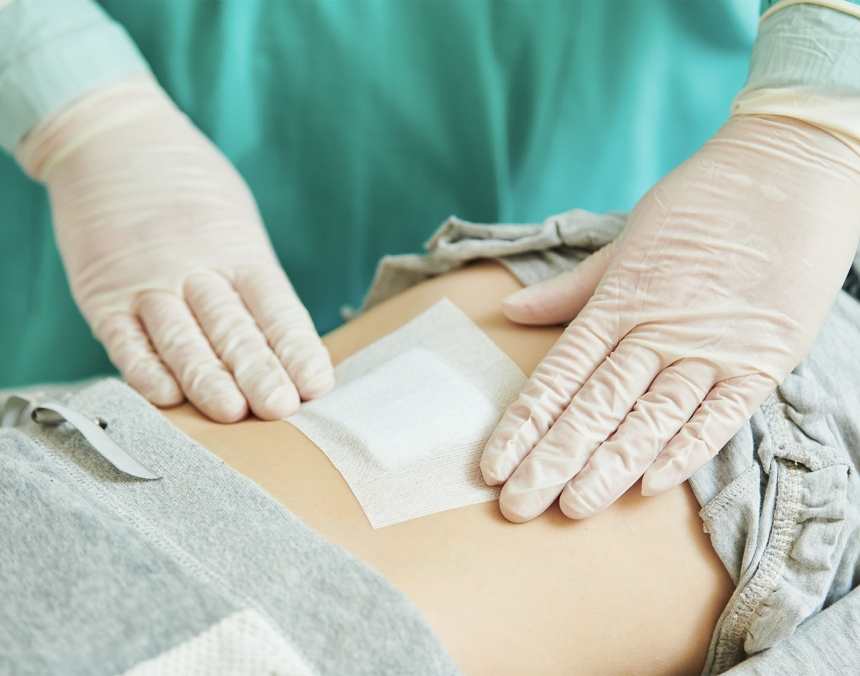
June 01, 2025
Wound dressings are an important part of medical care. They help protect wounds, promote healing, and lower the risk of infection. With many types of dressings available, it’s important to know their differences and uses. This is especially true when treating wounds of different severity.
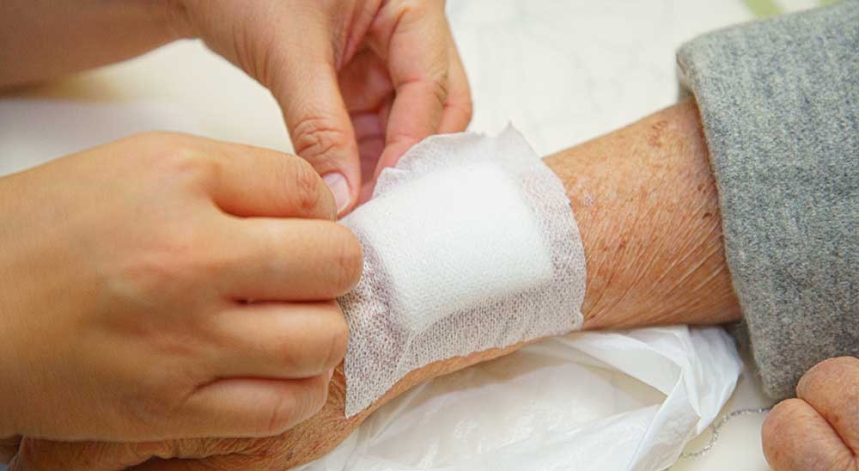
April 30, 2025
March 11, 2025
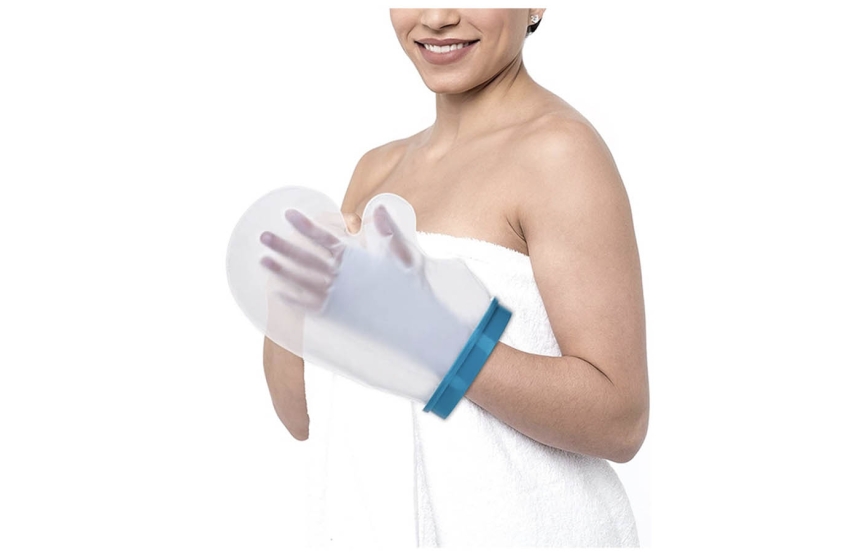
Breaking a bone is difficult enough - dealing with a cast shouldn't make life harder. Whether it's your arm, leg, ankle or wrist in a cast, cast protection is essential for comfort, hygiene and most importantly recovery.
If you've ever wondered how to protect a casted limb from water, knocks, dirt or discomfort, our guide covers it all.
May 02, 2024
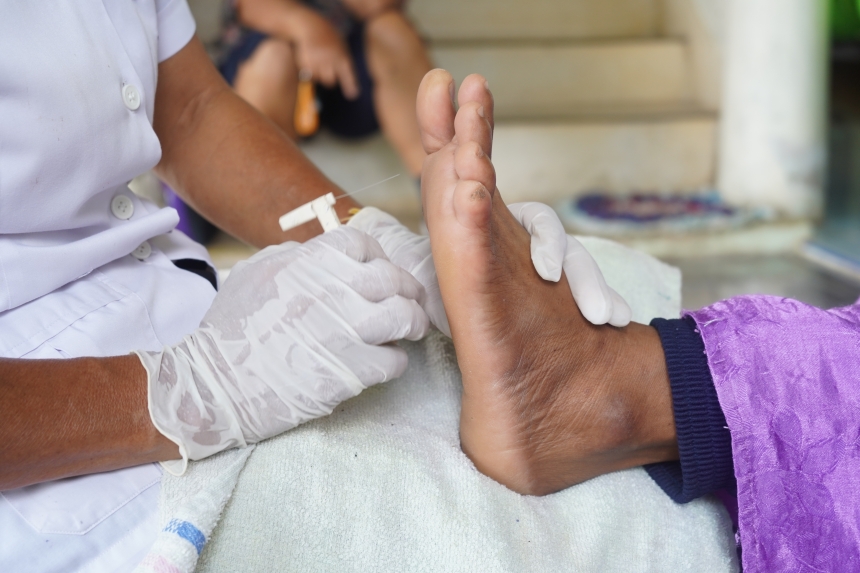
Diabetes is one of the most common diseases amongst adults in the UK, affecting roughly 4.3 million people and responsible for 174 amputations every week. Diabetic foot ulcers occur in between 10% and15% of people living with diabetes and, if left unmanaged, can lead to serious complications for the individual.
September 29, 2022
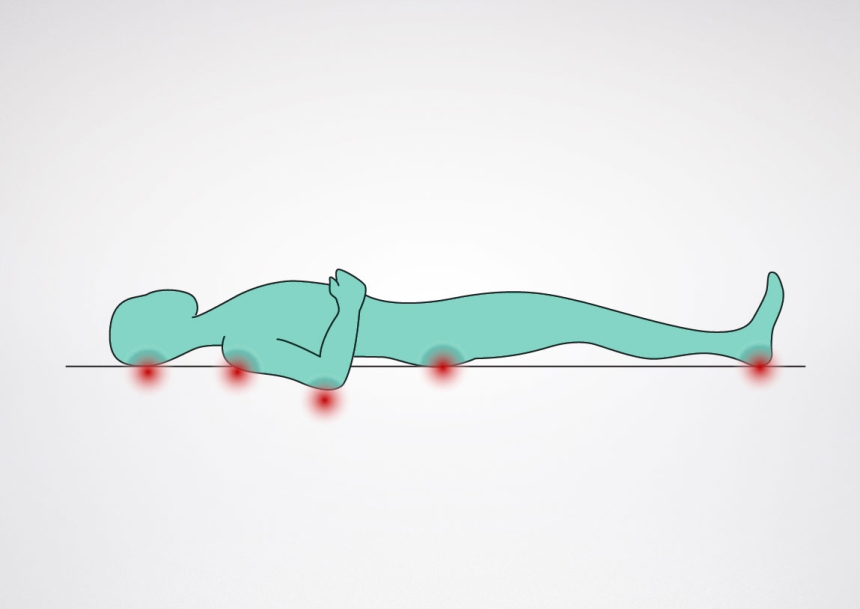
A pressure ulcer is an injury to the skin and underlying tissue, typically occurring when a person is confined to a bed or chair for prolonged periods of time. By disrupting the blood flow to an area under consistent pressure causes the skin to expand, which then develops into a pressure ulcer.
Sold: Various Pack Sizes
Incl. VAT Exl. VAT