






Explore practical information on plantar fasciitis, from understanding heel pain and managing symptoms to choosing insoles, exercises and other support options. Written for healthcare professionals and people looking for clear foot health advice.
SHOW PRICES WITH OR WITHOUT VAT? MANY BUSINESS CUSTOMERS PREFER TO VIEW PRICES EXCLUDING VAT.
0151 448 1228 (UK)
Splints for people with Plantar Fasciitis and Achilles Tendinitis
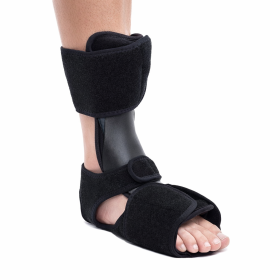
Night splints are orthopaedic devices worn during sleep to help keep the foot in a gently dorsiflexed position.
For people with plantar fasciitis, Achilles tendon pain or marked calf tightness - that overnight stretch can reduce the painful 'first few steps' in the morning and support a more consistent recovery plan.
This guide explains what night splints do, who they may suit, how different designs compare, and how to choose a practical option.
At a glance
Best known for: reducing morning heel pain linked to plantar fasciitis.
How they work: they help stop the foot dropping into a pointed position overnight.
Who may benefit: people with plantar fascia tightness, Achilles tendon discomfort, or post-static pain after rest.
Clinical note: night splints are generally used as part of a wider plan rather than as a stand-alone fix. If pain is severe, worsening or linked to swelling, numbness, trauma - seek professional assessment.
What is a night splint?
A night splint is a support worn on the foot and lower leg while you sleep. Its job is simple: to hold the ankle in a more neutral or slightly upward position, so the plantar fascia, Achilles tendon and calf tissues are not allowed to shorten fully overnight.
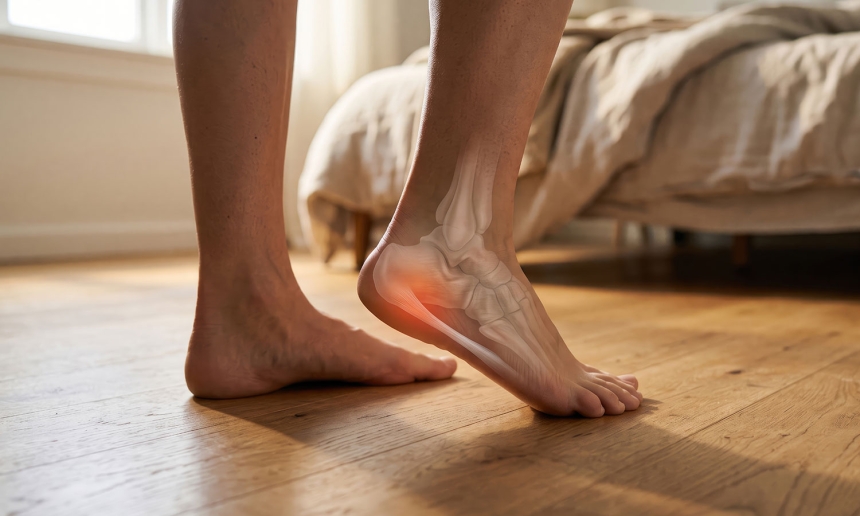
That matters because many people with plantar heel pain feel worst when they get out of bed. Overnight tightening can make the first stretch under body weight feel sharp and uncomfortable. A splint aims to reduce that sudden pull by maintaining a mild, sustained stretch while you rest.
Within the Algeos range, you will find low-profile options, adjustable designs, and more traditional boot-style splints in the wider braces and supports section.
Why people choose one
- To reduce the painful first steps associated with plantar fasciitis.
- To support overnight stretching of the Achilles tendon and calf complex in cases linked to Achilles tendonitis.
- To introduce a passive treatment option that works while sleeping.
- To improve tolerance of walking after rest or inactivity.
- To combine with supportive insoles, massage tools, heel lifts, and stretching routines.
- To build a more structured home care plan without relying only on daytime stretches.
How they help during sleep
1. Keeps tissues from shortening
During sleep, the foot often falls into plantarflexion. A splint helps keep the ankle closer to neutral so the plantar fascia and Achilles tendon remain under a gentle stretch rather than tightening fully.
2. Supports gradual recovery
By limiting overnight tightening, the tissues are exposed to less sudden strain on standing. This can make the morning transition to weight-bearing more manageable.
3. Encourages consistency
For people who struggle to keep up with regular evening stretching, a splint provides passive overnight positioning. Consistency often matters more than intensity.
Types of splints and who they may suit
Low profile
Night Splint with Heel Support
Useful for people who want a less bulky feel in bed and a comfort-first approach. A sensible starting point if tolerance is your main concern.
Adjustable angle
Bodytonix Adjustable Plantar Fasciitis Night Splint
Designed for progressive stretching. Often suited to people who want more control over positioning and symptom progression.
Boot style
DARCO Night Splint
A more traditional, supportive style that may suit people who do not mind a larger brace and want a classic night splint format.
Bundle option
Plantar Fasciitis Kit
Combines a night splint with a massage ball, making it easier to build a simple evening and daytime self-management routine.
You may also want to compare them with the Bodytonix Achilles Tendinitis Splint - Dorsal Design or the Bodytonix 90° Plantar Fasciitis Night Splint if you prefer a more specific fit or use-case.
Condition and use-case guide
| Concern | How a night splint may help |
|---|---|
| Plantar fasciitis with sharp morning heel pain | Helps stop the plantar fascia tightening overnight, which may reduce pain on first standing. |
| Achilles tendon stiffness after rest | Maintains a gentle stretch through the calf-Achilles unit and can support overnight positioning. |
| Persistent calf tightness affecting ankle movement | Supports prolonged low-load stretching while sleeping, especially when combined with mobility work. |
| Heel pain needing daytime support too | Night splints are often paired with insoles, heel cups, heel lifts, and footwear changes during the day. |
| People who dislike bulky braces | A lower-profile or dorsal style may improve sleep tolerance and therefore consistency. |
How to choose the splint
1
Start with the symptom pattern
If your main issue is plantar heel pain on the first steps of the day, a night splint may be worth considering. If pain is more activity-related, also review plantar fasciitis treatment options.
2
Choose a design you will actually wear
A highly supportive splint is no help if it stays in the cupboard. New users often start with a lower-profile option from the night splints collection.
3
Think about adjustability
If tissues feel very tight, a splint with more adjustment may help you build tolerance gradually rather than forcing an aggressive angle on night one.
4
Plan the daytime support too
Night-time positioning often works better alongside supportive orthotic insoles, Achilles heel lifts, and footwear with sensible structure.
5
Use it consistently, not aggressively
A mild, regular stretch is usually more practical than trying to force a strong correction. Build usage gradually and stop if symptoms worsen significantly.
6
Know when to get help
If pain is severe, persists despite treatment, or the diagnosis is unclear, speak to a suitably qualified clinician. Related support can also be found in the ankle braces and supports section and the wider AFO range when different support is required.
Helpful guides and advice
Best Night Splints for Plantar Fasciitis
A practical comparison of the core Algeos night splint range.
How Night Splints Help and Treat Plantar Fasciitis
Useful for understanding the rationale behind overnight dorsiflexion support.
Plantar Fasciitis Treatment at Home
Step-by-step self-management advice and recovery planning.
Plantar Fasciitis Exercises with Resistance Band
A simple strengthening route to complement splint use.
How is Achilles Tendonitis Treated?
Context for people whose symptoms sit higher in the tendon rather than only under the heel.
How Heel Lifts Help with Achilles Tendinopathy
Explains when heel lifts may be a useful daytime addition.
Home Therapy for Plantar Fasciitis
Massage balls, boards, tapes and exercise aids for a fuller home programme.
More Night Splint Articles
Explore additional posts and updates related to night splint use.
Popular solution types to consider alongside splints
Plantar fasciitis insoles
Structured support for daytime use where heel pain, arch strain, and foot mechanics need managing.
Heel pain insoles and cushions
Useful where cushioning and pressure redistribution matter as much as arch support.
Heel lifts
Often considered when Achilles load needs reducing during walking and standing.
Silicone gel heel cups
Designed to absorb impact and improve comfort in people with tender heels.
Pressure redistribution Overnight support Achilles load management Home therapy Everyday comfort
Frequently asked questions
Do night splints work for plantar fasciitis?
They can be useful for people whose symptoms are strongly linked to morning pain and overnight tightness. They tend to work best when used consistently and combined with supportive daytime measures such as insoles, stretching, and sensible load management.
Can a night splint help Achilles tendonitis too?
In some cases, yes. A splint may help maintain a gentle stretch overnight where calf and Achilles tightness are part of the problem. It is still important to look at overall management through the Achilles tendonitis section and related exercise advice.
Which style is easiest to sleep in?
That varies, but lower-profile or dorsal designs are often preferred by people who dislike bulky braces. A more traditional boot style may feel more supportive, though not always more comfortable.
Should I wear a night splint every night?
Many people build up gradually rather than starting with all-night wear straight away. Follow product guidance and professional advice, especially if symptoms are severe or you have other health considerations.
Are night splints enough on their own?
Usually they are one part of a broader plan. Daytime support, activity modification, footwear, and exercises often matter just as much as overnight positioning.
What else can I use with a night splint?
References
- Journal of Orthopaedic & Sports Physical Therapy: Clinical practice guidance on heel pain / plantar fasciitis
- BMJ Open Sport & Exercise Medicine: trial evidence on tension night splints with home exercise for chronic plantar fasciitis
- NHS inform: plantar heel pain guidance
- Royal Orthopaedic Hospital: plantar fasciitis patient information
- NICE Clinical Knowledge Summaries: plantar fasciitis
Related Reads
-

November 03, 2026
-
November 02, 2026
The most common cause of arch pain is Plantar Fasciitis, which is a condition that refers to the inflammation of the tissues connected to the heel bone.
This is due to excessive pulling and stretching of the fibrous bands that support the arch of the foot.
-
November 02, 2026
Plantar fasciitis, characterised by heel pain due to inflammation of the plantar fascia, affects many individuals, especially those who are active or on their feet for extended periods.
-
November 02, 2026
Introducing our comprehensive range of sports injury tape and supports, designed to keep athletes performing at their best while providing essential protection and relief. Whether you're a football player, rugby enthusiast, or hockey pro, our products are engineered to support you through every twist, turn, and tackle.
-
October 24, 2026
Plantar fasciitis is a common and often painful condition that affects the plantar fascia—a band of connective tissue that supports the arch of the foot. In recent years, some individuals and professionals have explored barefoot walking as a possible remedy, despite its risks and nuances.
-
October 22, 2026
Plantar fasciitis is one of the most common causes of heel pain, affecting both active individuals and those who spend a lot of time on their feet. It is characterised by inflammation of the plantar fascia, a thick band of tissue that runs along the bottom of your foot, connecting your heel bone to your toes. This condition can cause significant discomfort, especially during the first few steps in the morning or after periods of rest. Fortunately, there are effective treatment options available, and one of the most effective, yet often overlooked, is the use of night splints.


Sold: Each
Incl. VAT Exl. VAT