




Updated: 21 January 2026
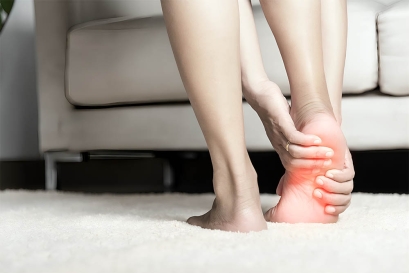
Foot supination (also known as underpronationoccurs when the foot rolls outward more than it should during walking or running. This outward roll reduces the foot’s natural ability to absorb shock and evenly distribute forces, often placing extra stress on the outer edge of the foot.
Over time, unmanaged supination can contribute to common problems such as ankle instability, plantar fasciitis, shin splints, knee discomfort, and recurring foot fatigue.
What is foot supination?
During a healthy gait cycle, the foot should roll slightly inward after heel strike to help absorb impact and adapt to the ground. With supination, this inward movement is limited, and weight remains concentrated along the outside of the foot.
This altered loading pattern can increase strain on muscles, tendons, and joints that are not designed to absorb repeated high-impact forces.
Common signs of foot supination
- Excessive wear along the outer edge of shoes
- Frequent ankle sprains or feelings of ankle instability
- Pain along the outer foot or heel
- Tight calves or Achilles tendon discomfort
- A “hard” or jarring feeling when the foot strikes the ground
Quick check: Look at your everyday footwear. If the outside edges are consistently more worn down, this may indicate a tendency to supinate.
What causes supination?
Supination is usually influenced by several factors rather than a single cause. Common contributors include:
- Foot structure: Higher arches are more commonly associated with underpronation.
- Footwear: Shoes with insufficient cushioning or support may exaggerate outward rolling.
- Muscle imbalance: Weak stabilising muscles or tight calves can alter foot mechanics.
- Previous injury: Past ankle or Achilles injuries can change how the foot moves.
- Activity levels: Sudden increases in walking, running, or standing time.
How to prevent foot supination
1. Wear supportive footwear
Choosing the right shoes is one of the most effective ways to manage supination. Look for footwear with good cushioning, a stable heel, and a supportive midfoot to help reduce excessive outward rolling.
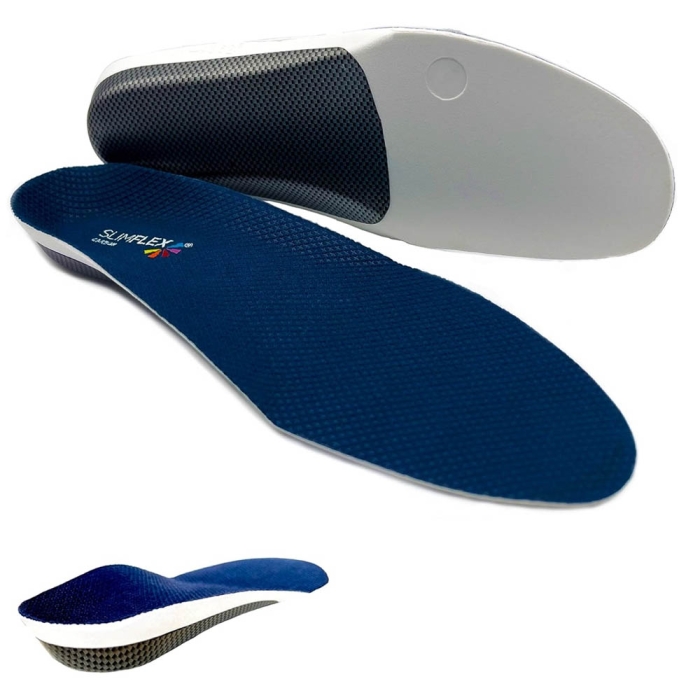
2. Use orthotic insoles if needed
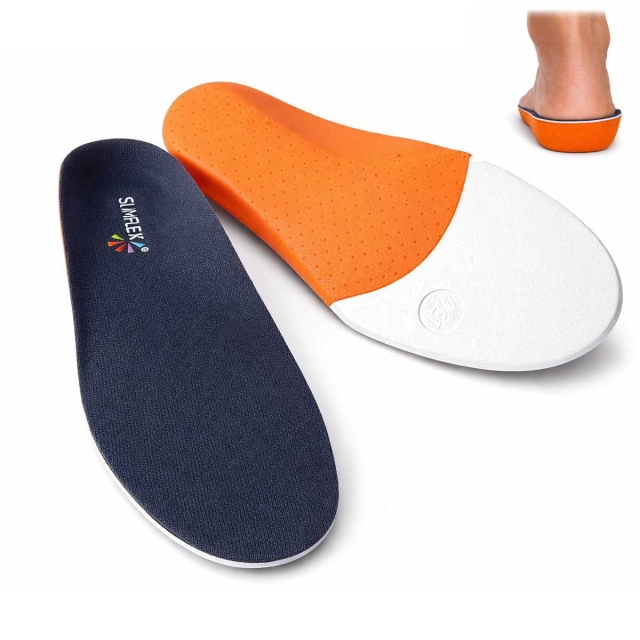
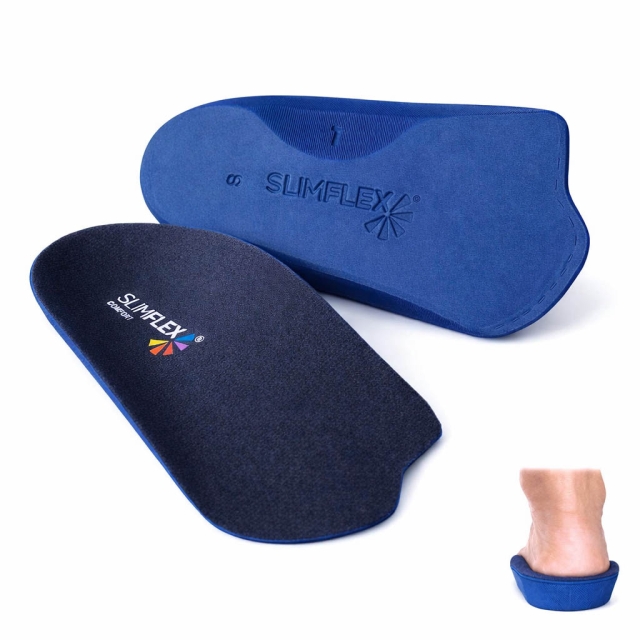
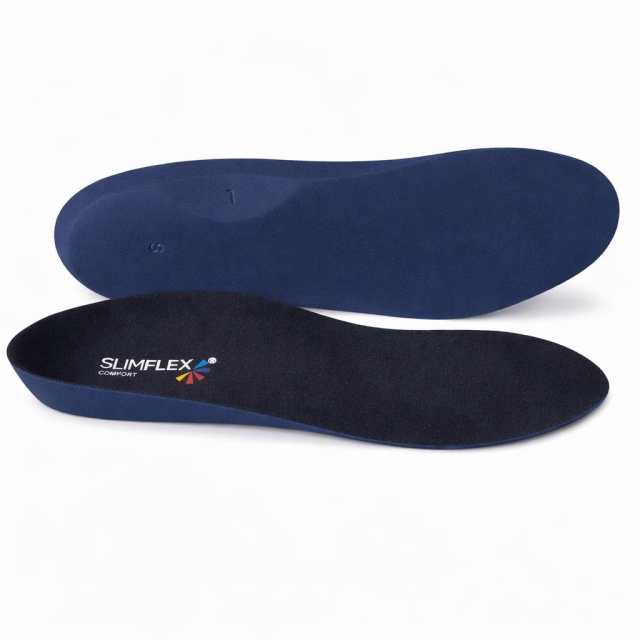
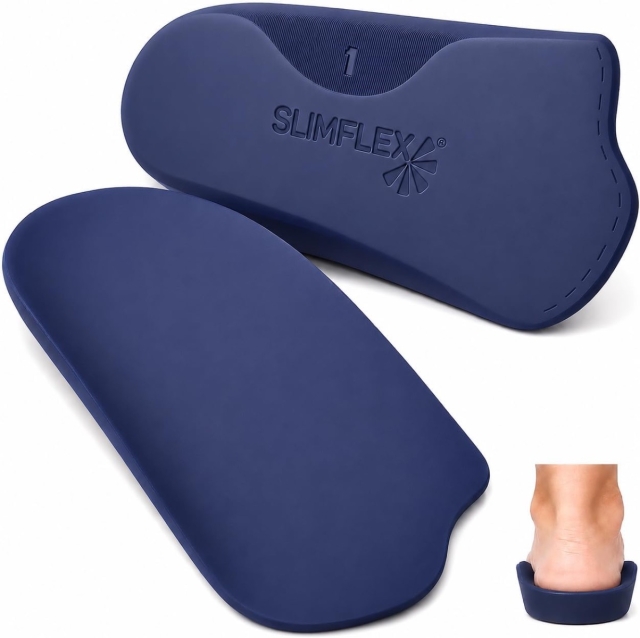
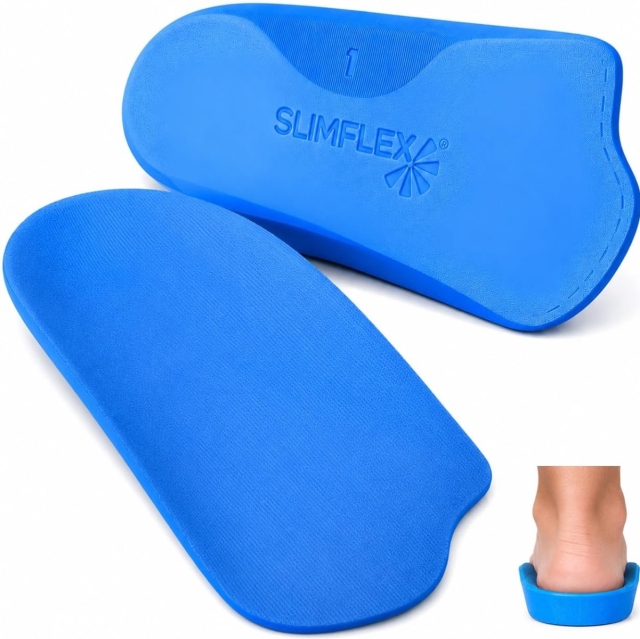
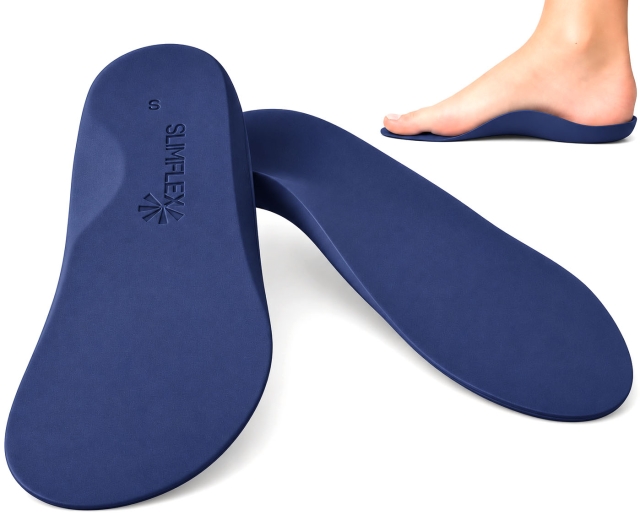
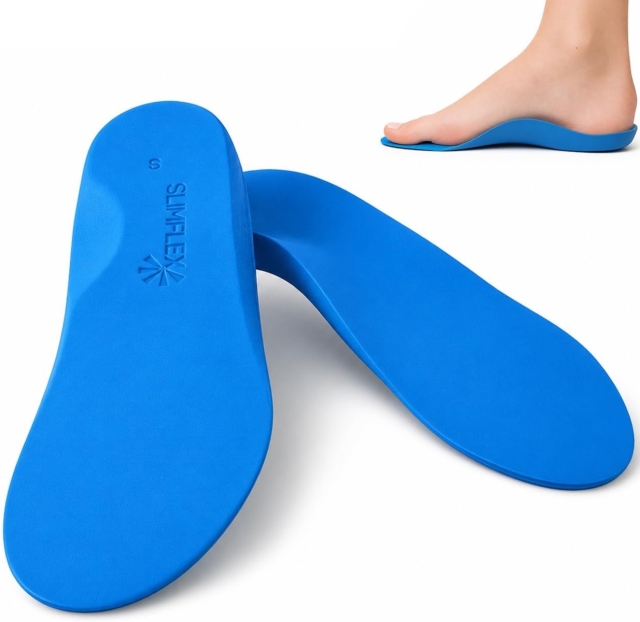
Orthotic insoles can help guide the foot into a more neutral position, improving shock absorption and reducing strain on the outer foot. For ongoing symptoms, a podiatrist can assess whether prefabricated or custom orthoses are appropriate.
Explore Algeos solutions here: Foot supination support products.
3. Strengthen foot and ankle muscles
Targeted exercises can improve stability and control:
- Calf raises (slow and controlled)
- Towel toe curls
- Resistance band ankle exercises
- Single-leg balance exercises
4. Maintain flexibility
Regular stretching of the calves and plantar fascia can help improve mobility and reduce stress on the foot.
5. Progress activity gradually
Avoid sudden increases in training intensity or duration. Gradual progression allows tissues time to adapt and reduces the risk of overuse injuries.
6. Vary surfaces and routines
Repeatedly walking or running on cambered surfaces can increase uneven loading. Mixing routes and surfaces can help distribute forces more evenly.
When to seek professional advice
If symptoms persist, worsen, or regularly return, it’s advisable to seek assessment from a podiatrist or physiotherapist. Professional input is especially important if pain interferes with daily activities or sport.
- Pain lasting longer than two to three weeks
- Repeated ankle sprains
- Swelling, sharp pain, or reduced mobility
- Existing conditions such as diabetes or poor circulation
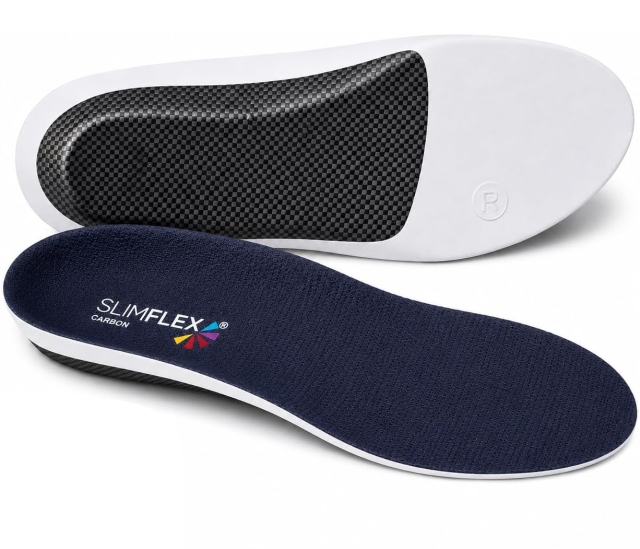
Sold: Sold per Pair
Incl. VAT Exl. VAT