




Aortha Plastics: Properties, Processing & Material Selection by Device Requirement
Orthotic technicians and orthotists don’t really 'choose a plastic' - they choose a behaviour: how much the device will resist torque, how it will flex under cyclic loading, how comfortable it is at the edges, how easily it can be adjusted and finally, whether it will keep its contour after months of daily wear.
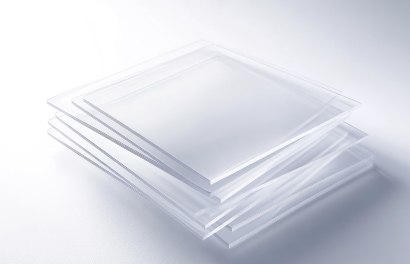
Algeos (via the Aortha range) supplies a broad set of orthotic and prosthetic thermoplastic sheets that cover the spectrum from ultra-rigid structural shells to high-flex comfort materials and transparent diagnostic plastics.
This guide uses Algeos’ product/technical data plus widely cited external references to summarise the main plastics Algeos offers, explain their mechanical and workshop properties (rigidity, flexibility, weight, durability, mouldability and cost) and give clear selection recommendations for common devices (AFOs, KAFOs, spinal braces/TLSO/LSO, foot orthoses and upper-limb orthoses) for adult and paediatric patients.
Quick navigation
- 1) Plastics in the Algeos (Aortha) range
- 2) Comparison table: properties that affect clinical outcomes
- 3) Practical selection method (device-first, patient-first)
- 4) Recommendations by device type (AFO, KAFO, spinal, foot, upper limb)
- 5) Processing & workshop tips (temps, memory, finishing, adjustments)
- 6) Live links: Algeos products + research / standards / training resources
1) Plastics in the Algeos (Aortha) range
Algeos’ Aortha plastic sheeting range includes (at minimum):
- Polypropylene (PP) – in homopolymer (stiffer) and copolymer (more impact resistant, a touch more forgiving)
- Polyethylene (PE) – including LDPE (high flexibility) plus high-density / high-molecular-weight grades (e.g., PE500 and PE1000 for heavy-duty rigidity)
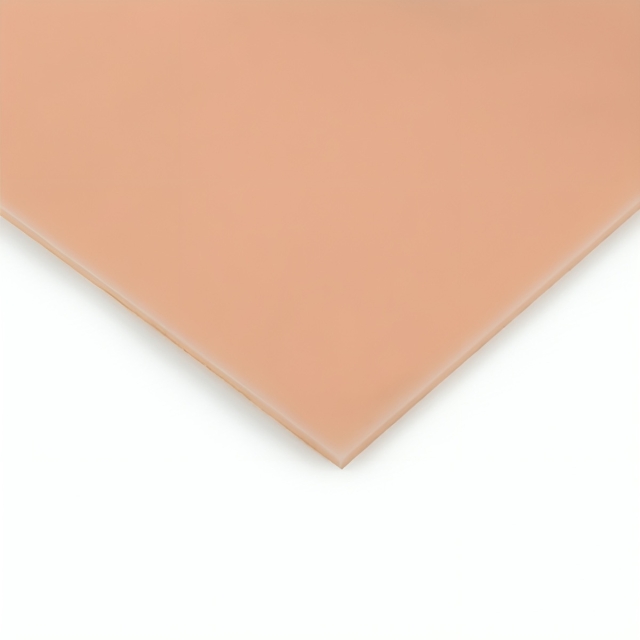
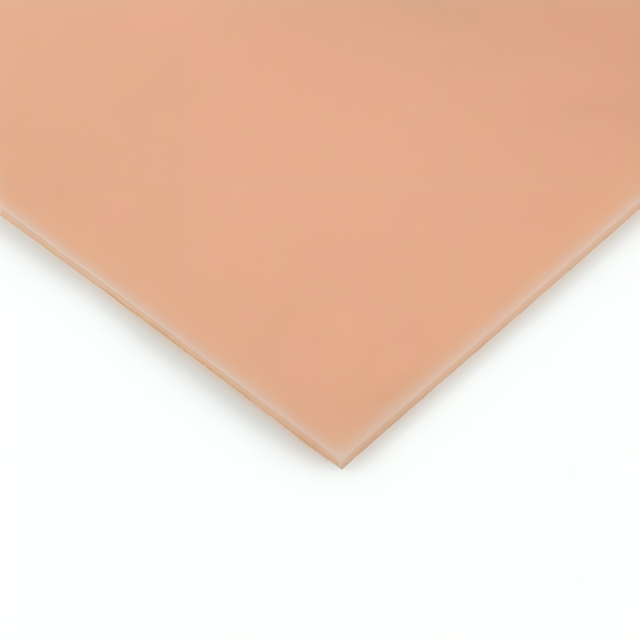
- LDPE–EVA blend – Aortha Flex (very pliable, tear-resistant; excellent for comfort and flexible devices)
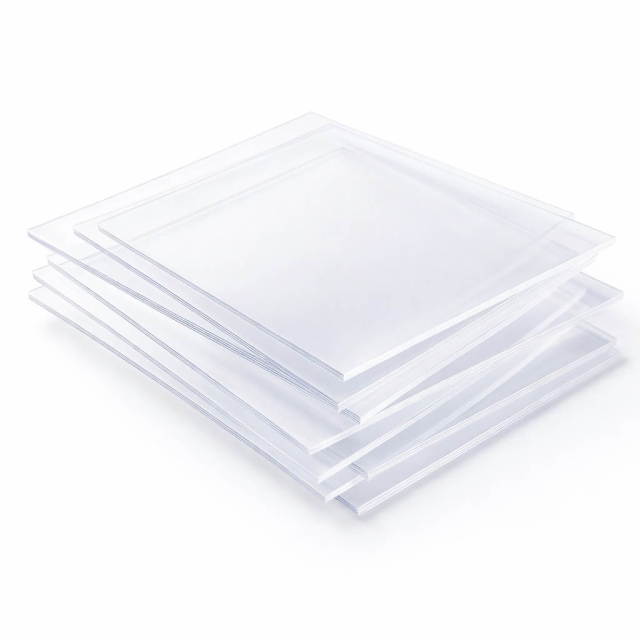
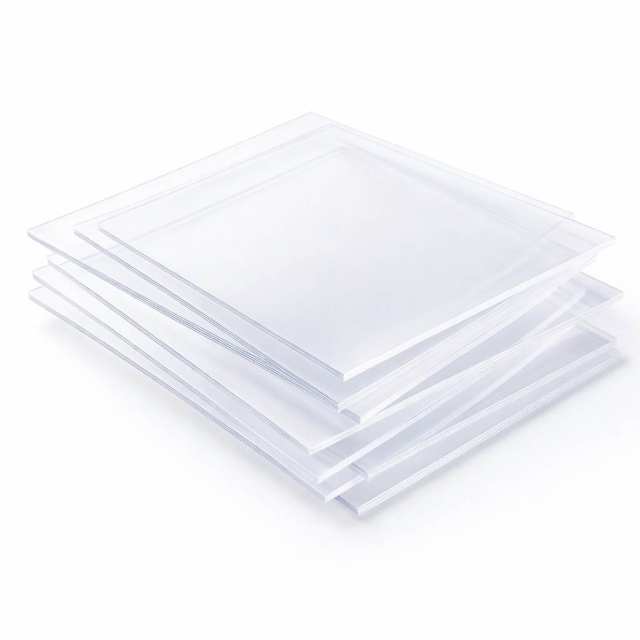
- Transparent copolyester (PETG-type) – Aortha Dynamic (clear check socket and transparent diagnostic plastic)
You can browse the overall category and cross-links here: Plastic Sheeting for Orthotics & Prosthetics (Algeos).
2) Orthotic plastics: side-by-side comparison (what matters clinically and on the bench)
This table focuses on the properties that most directly affect outcomes: stiffness/control, comfort/flex, fatigue/impact resistance, “memory” (spring-back), thermoforming behaviour, finishing, and relative cost.
| Material (Aortha / Algeos) | Stiffness & Control | Flex & Comfort | Impact / Fatigue Resistance | Memory (spring-back) | Typical thermoforming / adjustment notes | Best-fit orthotic uses | Live product links |
|---|---|---|---|---|---|---|---|
| PP Homopolymer (PPH) | High (excellent “control per mm”) | Low–moderate (depends on trimlines/edges) | High (robust, durable) | Low–moderate (stable shell when formed well) | Requires higher forming temps; predictable structural shells | AFOs, KAFO shells, rigid spinal panels, rigid foot orthosis shells | Aortha Polypropylene Homopolymer Plastic Sheets |
| PP Copolymer (PPC) | High (slightly less stiff than homopolymer) | Moderate (more forgiving feel) | Very high (excellent for cyclic loads / kids / impacts) | Low–moderate (good shape retention, good resilience) | Often chosen when you want toughness + “give”; easy to process | Paediatric AFO/SMO, dynamic braces, durable shells, foot orthoses | Aortha Copolymer PP Sheets (Colours) Aortha Copolymer PP Sheets (Natural) Aortha PPC Foot Orthotic Blanks |
| LDPE | Low–medium (needs thickness / design for support) | High (soft feel, easy tolerance) | High (bends instead of cracks) | Low (generally “holds” when formed correctly) | Lower forming temps; easy adjustments; excellent for comfort devices | Spinal jackets where flex is desired, splints, collars, comfort liners | Aortha LDPE Plastic Sheets |
| PE500 (HD / high-MW PE) | Very high (tough, rigid results) | Low (rigid feel) | Very high (excellent impact + fatigue performance) | Very low (“little to no memory” stated) | Often paired with reinforcement; thickness chosen by patient weight / Rx | Heavy-duty AFO/KAFO, body jackets for high load, strong shells | Aortha PE500 High Density Polyethylene Plastic Sheets |
| PE1000 (UHMW-type PE) | Ultra-high (maximum rigidity) | Low | Very high | Very low (“little to no memory” stated) | Designed for demanding cases; usually paired with reinforcement | Large/heavy patients; maximum structural rigidity in AFO/KAFO/spinal shells | Aortha PE1000 Ultra Rigid HDPE Sheets |
| Aortha Flex (LDPE–EVA blend) | Low–medium (support via thickness/geometry) | Very high (pliable, “rubbery” resilience) | High (tear resistance highlighted) | Low (good adjustability; can be spot-adjusted easily) | Notable low-temp adjustability (Vicat/softening data available on product page) | Flexible spinal orthoses, collars, splints, liners, comfort-first paediatric devices | Aortha Flex Plastic Sheets |
| Aortha Dynamic (transparent copolyester / PETG-type) | Medium | Medium | Good–high (impact resistant; clarity enables fitting checks) | Moderate | Reliable clear thermoforming; trims/polishes well; scratches are the enemy | Prosthetic check sockets, transparent trial orthoses, fit/pressure visualisation | Aortha Dynamic Copolyester Plastic Sheets |
Shortcut interpretation: if you’re trying to create control, you’ll live mostly in PPH / PPC / PE500 / PE1000. If you’re trying to create tolerance and comfort compliance, you’ll reach for LDPE or Flex. If you’re trying to see fit and pressure (check sockets, trial shells), Dynamic (transparent copolyester) is the specialist.
3) Practical selection method: match the plastic to device requirements (not the other way around)
Here’s a bench-friendly way to choose plastics that avoids the two classic mistakes: (1) making everything too rigid, and (2) making everything too comfortable until it stops working.
- Define the primary job of the device (choose one): immobilise; resist torque; guide motion; absorb shock; distribute pressure; protect fragile tissue; diagnostic/trial fitting.
- Estimate mechanical demand: patient mass, activity, lever arms (KAFO > AFO > foot orthosis), environment (cold impacts), and expected cyclic loading.
- Choose a stiffness “band”:
- High control: PP homopolymer (PPH), PE500, PE1000
- Balanced control + resilience: PP copolymer (PPC)
- Comfort / flex: LDPE, Aortha Flex
- Diagnostic visibility: Aortha Dynamic (transparent copolyester)
- Factor skin risk and tolerance: neuropathy, fragile skin, paediatrics, sensory issues → bias toward forgiving materials (PPC/LDPE/Flex) and softer finishing/liners.
- Plan adjustability: if you expect rapid change (children, early post-op, serial splinting), choose materials that tolerate reheating and spot adjustments easily.
- Confirm workshop constraints: forming method, oven capacity, finishing tools, and time. (This matters more than people admit.)
4) Material selection recommendations by device type (adult & paediatric)
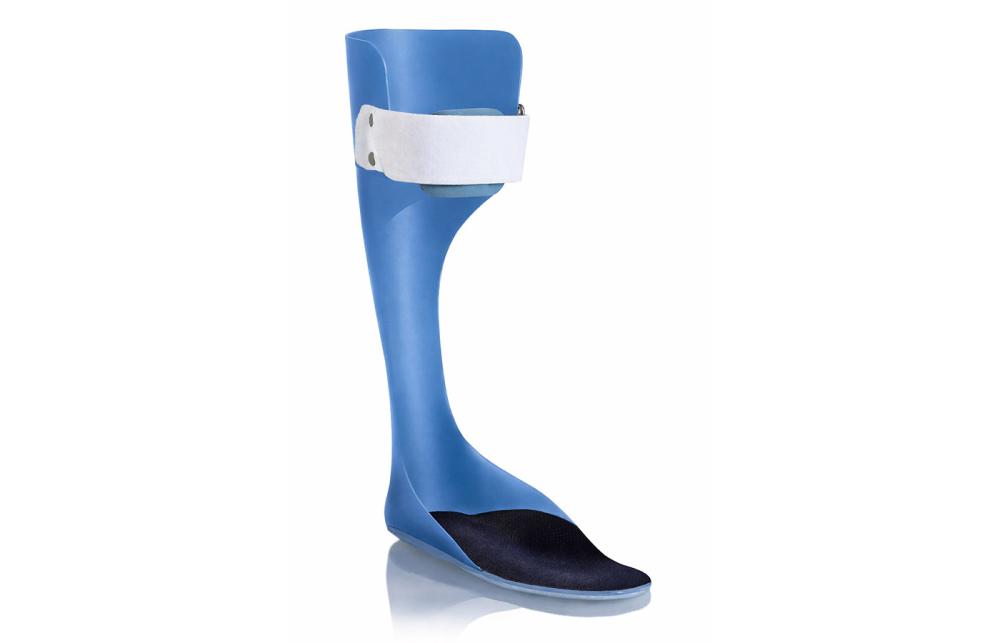
4.1 Ankle-Foot Orthoses (AFOs)
Adult AFO (standard control needs): Start with PP homopolymer for a predictable stiff shell and thin, lightweight build. It’s the classic “default” because it provides strong control without excessive bulk. Use Aortha PPH sheets when you need rigidity “even in thinner sections”.
Adult AFO (dynamic use / higher cyclic loading / more forgiving feel): Choose PP copolymer if you want resilience under repeated flex and impact. Aortha highlights this “yield and return without fatiguing” behaviour on PPC products such as Aortha PPC sheets and the PPC foot orthotic blanks (the same property logic applies to brace shells).
Heavy-duty adult / higher body mass / maximum contour retention: Move into PE500 or PE1000. Both are described by Algeos as having “little to no memory” and being commonly paired with reinforcement to keep moulded contour (PE500, PE1000). This is the “don’t deform under load” option.
Paediatric AFO/SMO: Most paediatric work benefits from a tougher, more forgiving material. PP copolymer is a common sweet spot: durable under impact, more comfortable than a very rigid homopolymer. For comfort-first designs (fragile skin, sensory tolerance, night splints), consider LDPE (Aortha LDPE) or Aortha Flex (Flex sheets) where pliability and tear resistance matter.
4.2 Knee-Ankle-Foot Orthoses (KAFOs)
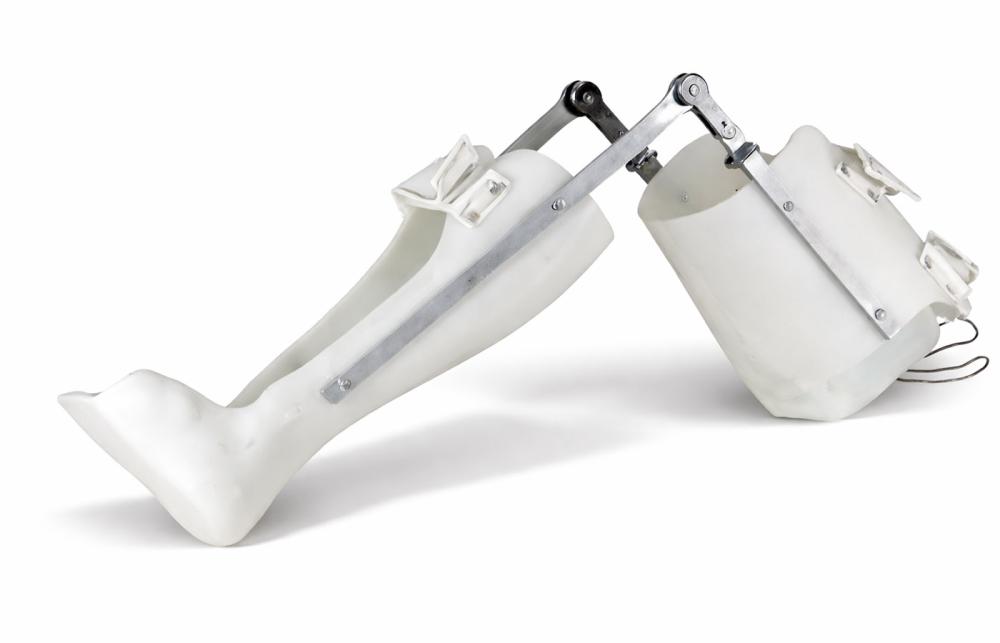
Adult KAFO shells: The long lever arm makes rigidity and fatigue life non-negotiable. Use PP homopolymer for structural shells where you want high stiffness in thinner sections (Aortha PPH). For large/heavy patients, PE500/PE1000 are strong candidates because Algeos explicitly positions them for rigid results with contour retention (PE500, PE1000).
Paediatric KAFOs: You still need strength, but tolerance and adjustability matter more. PP copolymer often works well for paediatric shells (tough, resilient). If you need extra compliance (comfort, growth changes), a mixed strategy works: a more forgiving interface (LDPE/Flex liner) plus a structural PPC frame. Keep reinforcement strategy in mind: the plastic and uprights/struts are a system, not separate decisions.
4.3 Spinal Orthoses (TLSO / LSO / “Body Jackets”)
Spinal bracing is where material choice often makes the biggest difference to compliance. If the patient can’t breathe, sit, or tolerate edges, they won’t wear it — and then it’s clinically irrelevant.
Standard TLSO/LSO (comfort + wear-time priority): LDPE is commonly used where flex and comfort are desired, and Algeos specifically positions LDPE as ideal where movement must be considered, including spinal braces (Aortha LDPE). For a more “premium flexible” option with strong tear resistance and high pliability, use Aortha Flex (Flex sheets).
More rigid immobilisation needs: Step into PP copolymer (balanced) or PP homopolymer (stiffer) depending on how much control is required. Use design features (trimlines, windows, reliefs) to keep tolerance reasonable.
High-load / large patients needing long-term contour retention: Consider PE500/PE1000 where a rigid, durable shell with minimal memory is required (PE500, PE1000).
4.4 Foot Orthoses (functional shells and in-shoe devices)
Adult functional shells: Polypropylene remains a dominant choice because it can deliver strong support at low thickness and low weight. If you want a resilient “spring” feel with improved fatigue resistance, PP copolymer is often preferred. Algeos sells ready-to-use PPC blanks here: Aortha PPC Foot Orthotic Blanks.
Paediatric foot orthoses: Paediatric shells frequently benefit from slightly more flex and forgiveness. PPC is a strong default because it handles impacts and repeated loading well while remaining lightweight. If you’re building accommodative devices for very young children or high-sensitivity cases, LDPE/Flex layers can be used as comfort components, with the shell material chosen based on required control.
4.5 Upper-limb orthoses (wrist/hand/elbow)
Upper limb work usually favours tolerance and adjustability. Most upper limb orthoses are not weight-bearing and don’t need extreme rigidity.
- Comfort-first splints and collars: LDPE is a strong choice due to flexibility and lower forming temperatures (Aortha LDPE).
- Highly pliable devices / complex contours / tear resistance: Aortha Flex performs well for flexible orthoses and is positioned by Algeos for wrist splints, neck braces, and spinal orthoses (Aortha Flex sheets).
- When you need firmer immobilisation: a thinner PPC or PPH shell can be used depending on rigidity requirements (see PPC/PPH links above).
5) Processing & workshop guidance (temperature, memory, finishing, and adjustments)
5.1 Thermoforming temperatures & heating guidance
Algeos provides technical resources for forming temperatures and material handling. For example:
- LDPE: typical thermoforming temperatures of 130–150 °C are stated on the LDPE product page (Aortha LDPE Plastic Sheets).
- PP copolymer: PPC product pages and blanks typically reference thermoforming around 180–200 °C (Aortha PPC Foot Orthotic Blanks).
- Flex: Aortha Flex product pages include material-specific technical data (density, melt index, melting point, hardness) and indicate the material is designed for intricate moulding (Aortha Flex Plastic Sheets).
For a quick overview across multiple Aortha plastics, Algeos also provides a PDF temperature guide: Aortha Plastics Heating Temperature Guide (PDF).
5.2 “Memory” and contour retention (why PE500/PE1000 gets picked for demanding cases)
“Memory” describes how much a material tries to return toward its original flat sheet state after forming. In clinical terms, high memory can mean gradual loss of contour under load or over time. Algeos positions both PE500 and PE1000 as having little to no memory, and notes they are usually coupled with reinforcement to keep moulded contour (PE500, PE1000). This is one reason these grades often appear in heavy-duty KAFO/AFO and high-load shells.
5.3 Finishing and patient tolerance (edges matter more than your pride)
Rigid plastics can be perfectly chosen and still fail clinically if edge finishing is poor. If you’re selecting stiffer materials (PPH/PE1000), plan for:
- Edge rolling or careful chamfering to reduce shear at skin contact points
- Strategic relief at bony prominences (and ensuring it doesn’t create new pressure at adjacent zones)
- Flexible liners (LDPE/Flex) when skin risk is high or compliance is fragile
5.4 Adjustability strategy (especially for kids)
If the device is expected to change (paediatric growth, evolving tone, serial splinting), choose materials that tolerate reheating well (PPC, LDPE, Flex) and build adjustability into the design rather than relying on aggressive reheats later. The time you “save” by choosing an overly rigid material usually reappears as clinic time spent chasing comfort and fit.
6) Device-to-material cheat sheet (fast selection)
| Device / requirement | Best starting material | When to upgrade/downgrade | Algeos links |
|---|---|---|---|
| Adult AFO (high control) | PP Homopolymer (PPH) | Upgrade to PE500/PE1000 for very high loads; switch to PPC for more resilience | PPH | PE500 | PE1000 | PPC |
| Paediatric AFO/SMO (comfort + durability) | PP Copolymer (PPC) | Downgrade to LDPE/Flex for maximum tolerance; upgrade to PPH for more control | PPC | LDPE | Flex |
| Adult KAFO shells | PPH or PE500 | Upgrade to PE1000 for maximum rigidity; consider PPC where fatigue/impact is a concern | PPH | PE500 | PE1000 | PPC |
| TLSO/LSO (wear-time/compliance priority) | LDPE or Flex | Upgrade to PPC/PPH/PE for higher immobilisation and load control | LDPE | Flex | PPC | PPH |
| Foot orthoses (functional shell) | PPC or PPH | Use PPC for resilience/spring; choose PPH for maximum control in thin section | PPC blanks | PPC sheets | PPH sheets |
| Transparent diagnostic / check socket | Aortha Dynamic (copolyester) | Use as trial/diagnostic where visibility is needed; select PP/PE for long-term structural wear | Aortha Dynamic |
7) Live links: Algeos products + technical data + research / training resources
7.1 Algeos product links (Aortha plastics)
- Plastic Sheeting category (Algeos)
- Aortha Polypropylene Homopolymer Plastic Sheets (PPH)
- Aortha Copolymer Polypropylene Plastic Sheets (PPC, colours)
- Aortha Copolymer Polypropylene Plastic Sheets (PPC, natural)
- Aortha LDPE Plastic Sheets
- Aortha PE500 High Density Polyethylene Sheets
- Aortha PE1000 Ultra Rigid Polyethylene Sheets
- Aortha Flex Plastic Sheets (LDPE–EVA blend)
- Aortha Dynamic Transparent Copolyester Sheets
- Aortha PPC Foot Orthotic Blanks
7.2 Algeos technical data & processing resources
- Aortha Technical Data downloads (PPH, PPC, LDPE, PE500/PE1000, Flex, Dynamic)
- Aortha Plastics Heating Temperature Guide (PDF)
- Aortha Materials Research Archive (Algeos)
7.3 Research articles / authoritative references (material behaviour, AFO materials, check socket materials)
- Materials and Manufacturing for Ankle–Foot Orthoses: A Review (Wiley)
- ICRC Manufacturing Guidelines: AFOs using polypropylene technology (PDF)
- Tensile strength & impact resistance of check socket, copolymer, and definitive socket materials (PDF)
- PETG applications in modern medicine (includes prosthetic check socket context) (ScienceDirect)
- Materials for Orthotics and Prosthetics (ThyssenKrupp engineered plastics overview) (PDF)
Final note (the part everyone learns the hard way)
If you’re stuck between two plastics, don’t ask “which is best?” Ask: what failure can I tolerate?
- If you cannot tolerate loss of contour or control, bias to PPH / PE500 / PE1000.
- If you cannot tolerate cracking under fatigue/impact or poor compliance, bias to PPC / LDPE / Flex.
- If you must see fit/pressure behaviour during development, use Dynamic as your diagnostic plastic, then transition to your definitive structural material.


Sold: 2000 x 1000mm
Incl. VAT Exl. VAT