





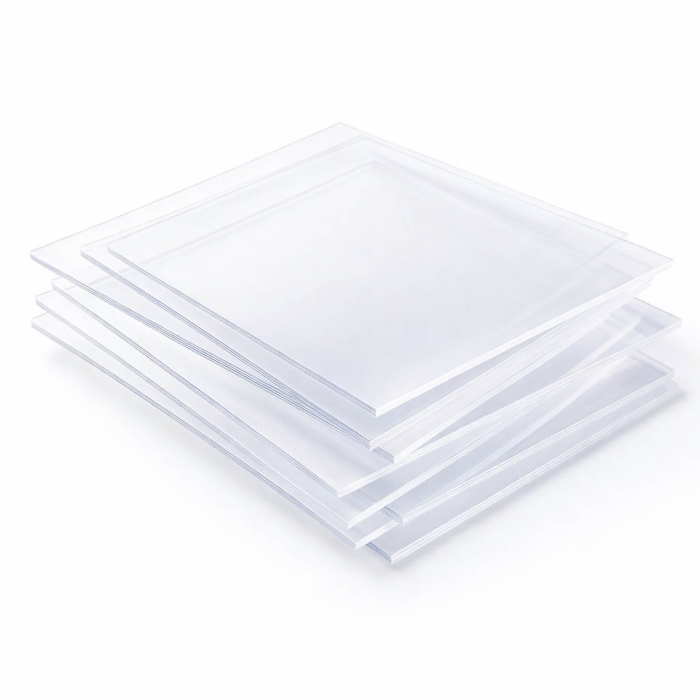
Aortha Copolymer Polypropylene Check Socket Plastic Sheets
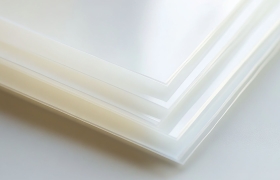
Aortha Copolymer Polypropylene Check Socket Plastic Sheets are essential in the preliminary stages of prosthetic socket fitting, allowing practitioners to evaluate and adjust the fit and alignment before creating the final socket.
Aortha PPC Square offers superior durability, ensuring that the check sockets can withstand the initial fitting processes without compromising structural integrity.
The lightweight nature of PPC contributes to the overall comfort of the prosthetic check socket, making it easier for patients to trial their prosthetics for extended periods without discomfort.
Sold: Multiple sheet size options
Incl. VAT Exl. VAT
Product Description
Combines Resilience with Useful Flexibility
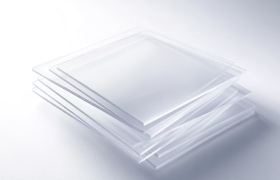
These transparent check socket sheets are designed for the early stages of prosthetic socket fitting, where visual assessment, fit refinement and alignment checks are essential before a final socket is made.
They offer a practical balance of impact resistance, flexibility and processing ease, helping clinicians and technicians evaluate socket shape and patient comfort with greater confidence.
Made for workshop and clinical fabrication environments, they are well suited to practitioners who need a clear, thermoformable material for trial sockets and fitting adjustments.
Their lightweight structure and controlled flex make them especially useful during temporary fitting stages where repeated review and modification may be needed.
Key selling points
- Transparent finish allows clear visual assessment during prosthetic fitting.
- Strong impact resistance helps the check socket cope with adjustment and trial use.
- Flexible material supports comfort and practical handling during fitting stages.
- Thermoforms cleanly for accurate patient-specific shaping.
- Lightweight construction helps keep trial sockets more manageable in use.
What it does and how it works
This sheet material is heated to a workable forming range and moulded into a transparent prosthetic check socket.
The clear finish allows clinicians to inspect fit, monitor pressure areas and review alignment before progressing to the final socket.
As a copolymer polypropylene, it combines resilience with useful flexibility.
That makes it well suited to trial fitting, where the socket needs to hold shape reliably while still allowing practical assessment, adjustment and patient feedback during the early fitting process.
Common problems it may help with
- Difficulty assessing socket fit accurately during the early stages of prosthetic fabrication.
- Need for a transparent material that supports visual review of pressure distribution and alignment.
- Need for a durable temporary socket material that can tolerate fitting adjustments.
- Need for a sheet plastic that combines strength, lightness and workable flexibility.
- Workshop demand for efficient thermoforming during custom prosthetic manufacture.
Applications and suitability
These sheets are specifically suited to the manufacture of transparent prosthetic check sockets used during preliminary fitting.
They are suitable for prosthetic clinics, orthotic and prosthetic workshops, hospital services and specialist fabrication teams that need to assess fit and alignment before final production.
They are best suited to professional users working within a structured fabrication process where accurate shaping, visual inspection and patient-specific adjustment are part of routine practice.
Who it may not suit
- Users looking for a finished prosthetic socket rather than a trial-stage fabrication material.
- Projects that need an opaque final-finish plastic rather than a transparent check socket sheet.
- Workflows without suitable thermoforming equipment or safe workshop handling procedures.
- Applications where a different plastic behaviour is required for the definitive socket stage.
Product specifications
| Product type | Copolymer polypropylene check socket plastic sheets |
|---|---|
| Main use | Transparent prosthetic check socket fabrication |
| Sold as | Multiple sheet size options |
| Material type | Polypropylene copolymer |
| Material detail | Contains up to 15% polyethylene |
| Key properties | Impact resistant, flexible, chemically resistant, lightweight and easy to process |
| Thermoforming temperature | 180°C to 200°C |
| Available sheet sizes | 305mm x 305mm, 343mm x 343mm, 406mm x 406mm, 508mm x 508mm |
| Typical users | Prosthetists, technicians and specialist fabrication teams |
Usage instructions
- Select the sheet size that best suits the intended check socket build.
- Heat the material within the recommended 180°C to 200°C thermoforming range using suitable workshop equipment.
- Form the sheet carefully over the required model or positive cast while the material is workable.
- Allow it to cool fully so the transparent check socket retains its shape before trimming and fitting.
- Use the completed trial socket to assess fit, pressure distribution, comfort and alignment before progressing to the final socket stage.
Benefits
- Helps make early prosthetic fitting more visible and easier to assess.
- Supports patient-specific adjustment before final fabrication.
- Combines durability with enough flexibility for practical trial use.
- Improves workshop efficiency through straightforward thermoforming.
- Can help reduce rework by improving fit checks earlier in the process.
Contraindications & warnings
- For professional fabrication use only and not intended as a finished device in supplied sheet form.
- Use appropriate workshop safety procedures when heating, forming, trimming and finishing.
- Do not exceed recommended processing temperatures.
- Final socket suitability depends on correct clinical assessment, material selection and fabrication technique.
FAQs
What are check socket plastic sheets used for?
These sheets are used to make transparent prosthetic check sockets during the preliminary fitting stage. They help clinicians review fit, comfort and alignment before moving on to the final socket.
Why is transparency important in a check socket?
A transparent check socket makes it easier to visually assess how the socket is fitting around the residual limb. This can help with reviewing pressure areas, shape, alignment and overall comfort during the trial stage.
What material are these sheets made from?
They are made from copolymer polypropylene. This material is chosen because it offers a useful balance of toughness, flexibility, lightness and processing ease for check socket manufacture.
What temperature should the sheets be thermoformed at?
The recommended thermoforming range is 180°C to 200°C. Working within this range helps achieve accurate shaping while preserving the material properties needed in the finished check socket.
What sizes are available?
The listed sheet sizes are 305mm x 305mm, 343mm x 343mm, 406mm x 406mm and 508mm x 508mm. This gives workshops a choice depending on the size and shape needed for the fitting process.
Are these sheets suitable for final prosthetic sockets?
They are intended for check sockets used in preliminary fitting rather than as the final definitive socket material. Final socket selection depends on the clinical goals, loading demands and fabrication plan.
What are the main benefits of copolymer polypropylene for check sockets?
It offers impact resistance, flexibility, lightness and good processing behaviour. Together, these properties make it practical for shaping, fitting adjustments and comfortable trial use.
Who typically uses this material?
It is typically used by prosthetists, technicians and specialist workshop teams involved in patient-specific prosthetic fitting. It is designed for professional environments where shaped check sockets are made and assessed routinely.
Is this material easy to process?
Yes, it is designed to thermoform efficiently, which helps support accurate customisation and smoother workshop production. That ease of processing is especially helpful during repeated fitting and modification stages.
Does the material resist chemicals?
Yes, chemical resistance is one of its listed material properties. This helps support reliable performance in practical workshop and clinical use.
Related Links
Product Summary
These transparent copolymer polypropylene check socket sheets are designed for preliminary prosthetic socket fitting, where clear visual assessment and patient-specific adjustment are essential. They offer a dependable mix of impact resistance, flexibility, light weight and easy thermoforming, making them a practical choice for prosthetic clinics and fabrication workshops. Available in multiple square sheet sizes and processed at 180°C to 200°C, they are suited to efficient, accurate check socket manufacture before final socket production.
Frequently bought together
Sold: 2 Sizes
Incl. VAT Exl. VAT
Sold: Per sheet
Incl. VAT Exl. VAT
Sold: multiple sheet size options
Incl. VAT Exl. VAT
Sold: Multiple Sizes Available
Incl. VAT Exl. VAT
Sold: Multiple Sizes
Incl. VAT Exl. VAT
Sold: 1930 x 930mm
Incl. VAT Exl. VAT
Sold: Multiple sheet size options
Incl. VAT Exl. VAT
Sold: Multiple Sizes
Incl. VAT Exl. VAT
Sold: Per sheet
Incl. VAT Exl. VAT
Sold: 2000 x 1000mm
Incl. VAT Exl. VAT
Sold: Multiple sheet size options
Incl. VAT Exl. VAT
Sold: 2000 x 1000mm
Incl. VAT Exl. VAT
Sold: Multiple sheet size options
Incl. VAT Exl. VAT