



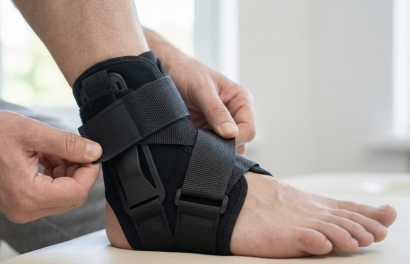
Ankle Supports Product Guide
Article revised 27th April 2026
Our Supports and Braces are designed to support and protect the ankle, helping to reduce pain and prevent injuries. They’re often used for recovery after a sprain or surgery, as well as for managing long-term conditions like instability or arthritis.
There are many different types of ankle braces, ranging from lightweight options for everyday support to more rigid designs that provide extra stability during rehabilitation.
The right choice depends on the level of support needed and the specific condition being treated.
Here we offer an overview of the different supports and braces available through Algeos. What they do and when to select.
Device Types
| Type | Description | Benefits | Applications |
|---|---|---|---|
| Ankle Sleeves | Generally made from cotton elastic or neoprene material providing mild compression and warmth to the ankle. | Ideal for reducing mild swelling - enhancing blood circulation and providing light support. | Suitable for minor sprains, strains and arthritis. |
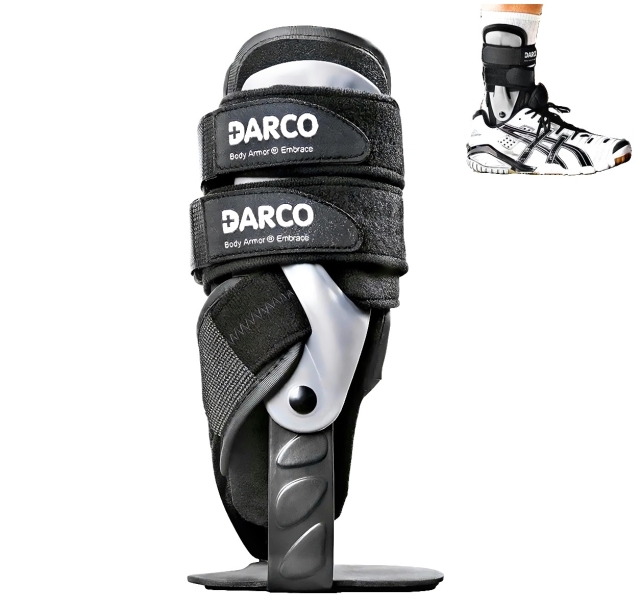
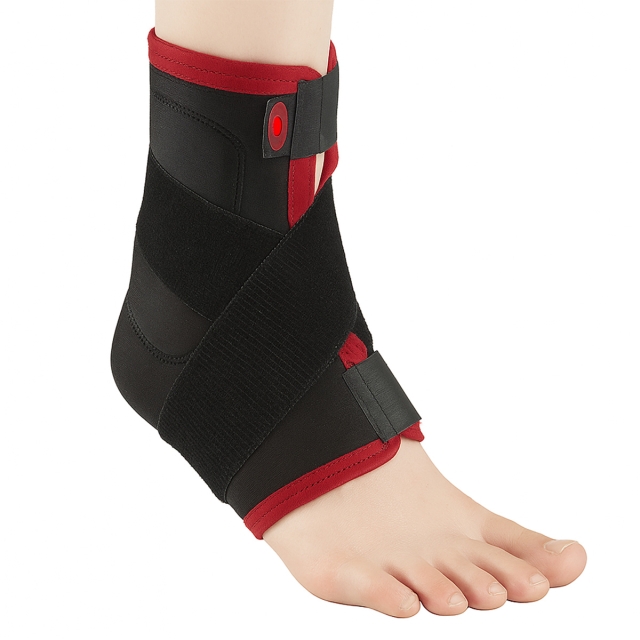
| Ankle Stabilisers | Feature adjustable straps and additional support mechanisms to stabilise the ankle joint. | Provide moderate support and restrict excessive movement, reducing the risk of further injury. | Ideal for moderate sprains, chronic instability and post-operative support. |
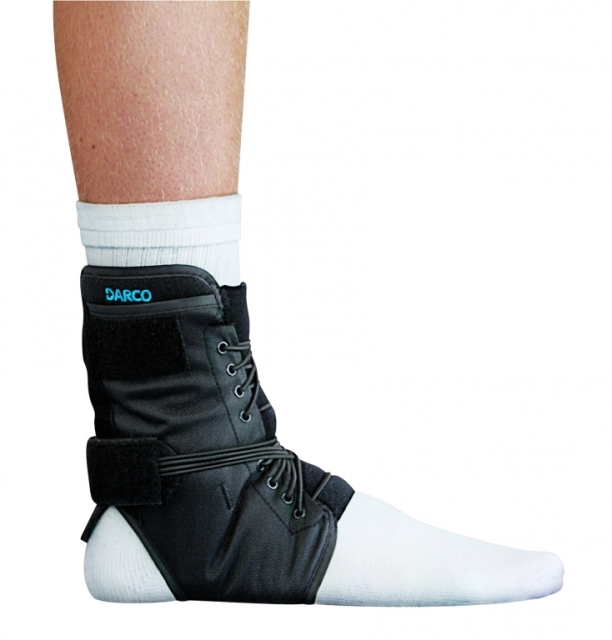
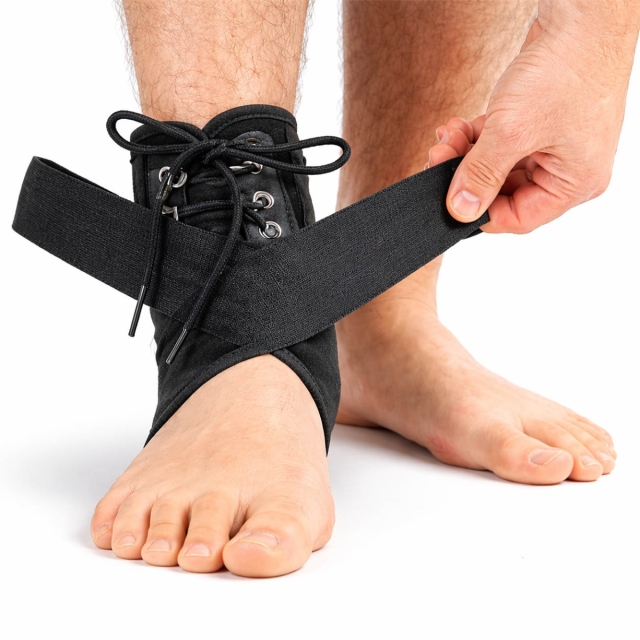
| Lace-Up Braces | Combine features of ankle sleeves and stabilisers with laces for a customisable fit. | Offer robust support, customisable compression and enhanced stability. | Suitable for moderate to severe sprains, ankle instability and sports related injuries. |
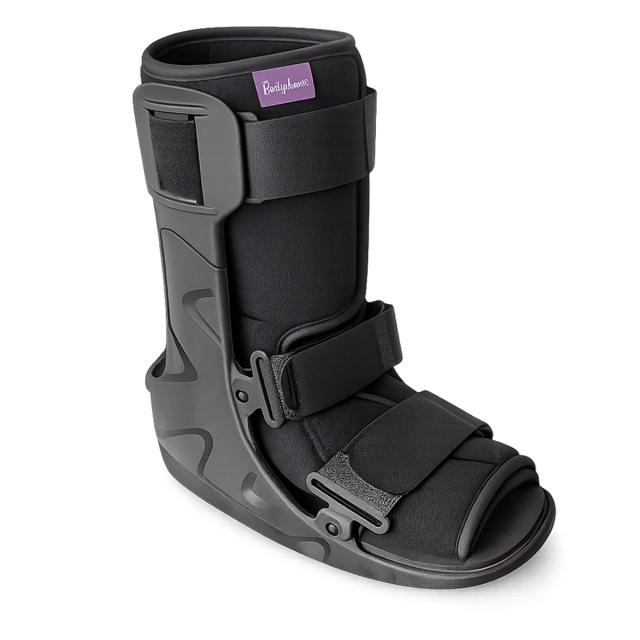
| Rigid Braces | Constructed with rigid plastic or metal components, immobilising the ankle joint. | Provide maximum support and prevent any ankle movement, essential for severe injuries. | Used for severe sprains, fractures and post-op immobilisation. |
| Ankle Wraps | Flexible wraps that can be adjusted to provide varying levels of compression and support. | Versatile and easy to adjust offering targeted compression and support. | Suitable for mild to moderate sprains, swelling and general ankle support. |
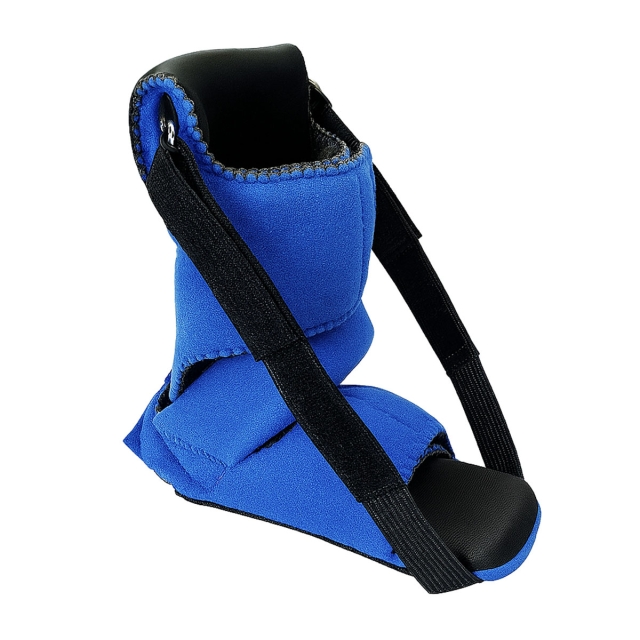
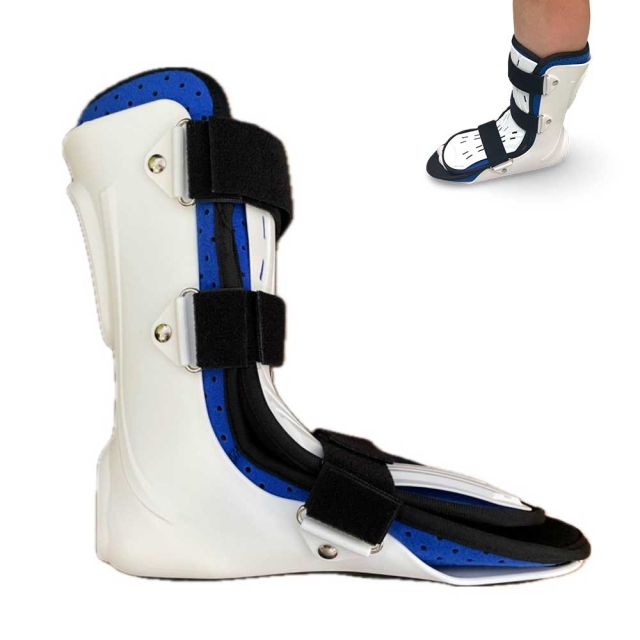
| Drop Foot Braces | Designed to support the foot and ankle in a dorsiflexed position. | Assist with foot clearance during walking and improve gait. | For individuals with drop foot, nerve injuries, muscular disorders or post-stroke recovery. |
Conditions Treated
Ankle Sprains: Ligament injuries caused by excessive movement or rolling of the ankle. Ankle braces provide stability, reduce swelling and prevent further injury during recovery.
Chronic Ankle Instability: Recurrent ankle sprains or persistent weakness in the ankle joint. Stabilisers and lace-up braces offer continuous support and prevent future sprains.
Arthritis: Inflammation of the ankle joint causing pain and stiffness. Ankle sleeves and wraps provide warmth and compression and help to reduce pain and swelling.
Tendinitis: Inflammation of the tendons around the ankle. Ankle sleeves, night splints and stabilisers help reduce inflammation and support the tendons.
Fractures: Breaks or cracks in the ankle bones. Rigid braces immobilise the ankle to ensure proper healing.
Post-Surgical Recovery: Rehabilitation following ankle surgery. Rigid and lace-up braces provide necessary support and stability during the healing process.
Benefits Ankle Supports
Pain Relief: Immediate support to the injured area - reducing pain and discomfort. Regular use can manage chronic conditions - improving quality of life.
Enhanced Stability: Braces stabilise the ankle, preventing further injuries during activities. Enhanced stability allows patients to move more confidently and comfortably.
Reduced Swelling: Compression helps reduce swelling and inflammation. Improved circulation promotes faster healing.
Versatility: Different types of braces cater to various levels of injury and support needs. Many braces are adjustable allowing for a custom fit and level of support.

Choosing the Right Ankle Support
Type of Injury
- Mild Injuries: Choose sleeves or wraps for mild injuries requiring light support and compression.
- Moderate Injuries: Select stabilisers or lace-up braces for moderate injuries needing more support.
- Severe Injuries: Opt for rigid braces for severe injuries requiring immobilisation.
Activity Level
- High Activity: For sports and high-impact activities, use braces that offer robust support and stability.
- Low Activity: For everyday activities, choose braces that provide adequate support without restricting movement.
Comfort and Fit
- Material: Consider the material of the brace. Neoprene and elastic materials offer flexibility and comfort, while rigid materials provide maximum support.
- Adjustability: Look for braces with adjustable features to ensure a comfortable and secure fit.
Medical Advice
- Consult a Professional: Always consult a healthcare professional to determine the most suitable brace for your specific condition and needs. Physios and orthotists specialise in this area.
What’s changed recently in ankle support advice?
Current NHS and NICE advice continues to favour a practical, early-management approach for many soft tissue ankle injuries: protect the joint, control swelling, and begin a gradual return to comfortable movement as early as appropriate.
For many people, that means the best brace is not always the most rigid brace. A lighter sleeve, wrap or stabiliser may be enough when the aim is to provide reassurance, compression and day-to-day support while normal walking gradually improves.
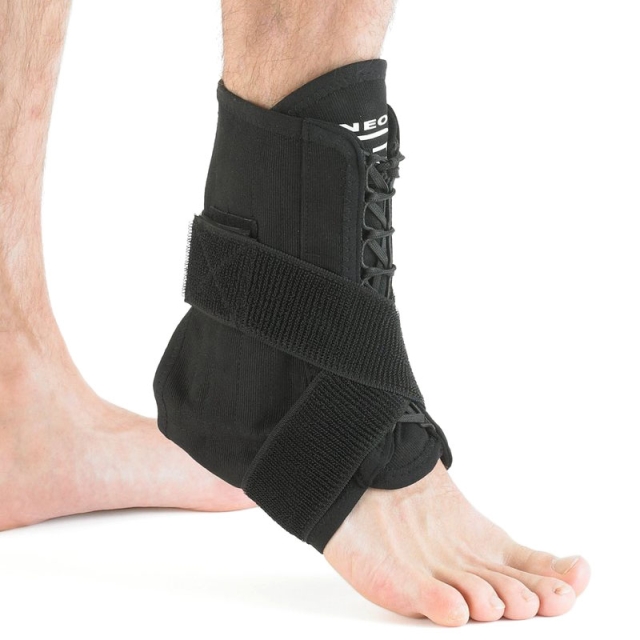
That is useful for clinics and patients alike because it shifts the conversation from “Which brace is strongest?” to “Which brace matches the stage of recovery?” For example, a structured neoprene ankle brace or a figure-8 ankle support can be a good fit when swelling is settling but confidence and control are still reduced.
A more substantial lace-up ankle brace may suit rehabilitation phases that need firmer control, while a more rigid option is usually reserved for more significant injury, post-operative use or when advised by a clinician.
Recent best practice also places more emphasis on reducing the risk of ongoing instability. Persistent “giving way”, repeated rolling, or a feeling that the ankle is unreliable can point to chronic ankle instability rather than a simple short-term sprain. In those cases, bracing works best when combined with progressive strengthening, balance work and activity-specific rehabilitation rather than used in isolation.
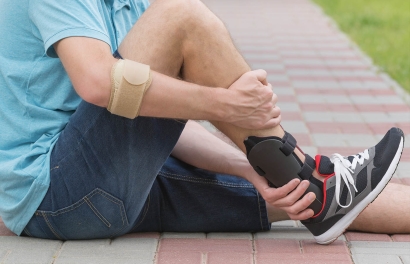
Which ankle support is best for each stage of recovery?
Choosing by recovery stage can make product selection much clearer. The table below is a simple guide to help match brace type to need.
| Recovery Stage | Typical Goals | Often Helpful Support Type | Useful Algeos Options |
|---|---|---|---|
| Early mild sprain or flare-up | Compression, comfort, gentle support, swelling control | Sleeve, wrap, light neoprene support | Browse ankle braces and supports or consider a Neo G Universal Ankle Brace |
| Moderate sprain or return to walking | Limit excessive inversion/eversion, improve confidence, steady gait | Stabiliser or figure-8 support | Neo G Universal Ankle Support (Fig 8 Strap) |
| Rehabilitation and return to sport | More control during cutting, landing and change of direction | Lace-up brace or semi-rigid support | Neo-G Laced Ankle Support and more advice in our guide to wearing ankle support braces during sports |
| Arthritic ankle pain or chronic weakness | Daily stability, compression, warmth, more confidence in shoes | Low-profile structured brace | Ankle Brace for Arthritis and Sports |
| Neurological weakness or drop foot | Improve toe clearance, gait efficiency and safety | Drop foot brace or AFO rather than a standard ankle sleeve | Drop foot braces and splints or AFOs |
One of the most common fitting mistakes is choosing too much brace too early, especially when normal footwear, swelling changes and comfort are not considered. A supportive device should feel secure, not excessively tight. It should help the ankle feel steadier during the tasks that matter most, whether that is walking the dog, working long shifts, or returning to training.
Footwear also matters more than many people expect. A low-profile brace that fits inside the shoe often gets worn more consistently than a bulky device that is left in the cupboard. This is one reason why low-profile stabilising braces and adjustable neoprene supports remain popular for daily use.
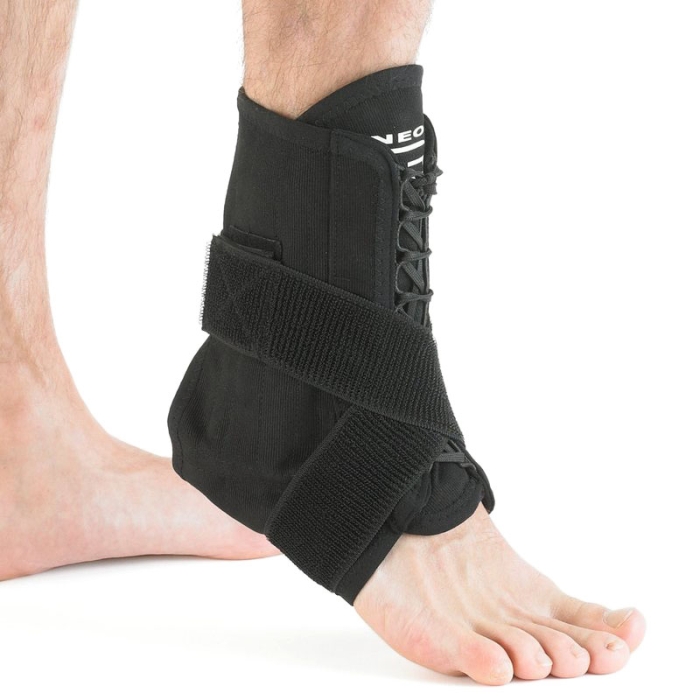
What are clinicians and patients asking about ankle braces in 2026?
1. Do ankle braces weaken the ankle?
This is still a very common concern. Current guidance and research do not support the idea that appropriate short- to medium-term brace use automatically weakens the ankle.
The more important issue is whether bracing is being used alongside progressive rehab when rehab is needed. For recurrent sprains and chronic instability, a brace can reduce excessive movement and improve confidence, but balance drills, calf work, peroneal strengthening and load progression still matter.
2. Are braces useful in sport?
Yes, they can be. This is especially relevant for people with a previous sprain history, ongoing instability or a phased return to sport. In practical terms, sports braces are often chosen because they add support during high-risk movements such as cutting, landing and rapid direction changes. For more on this, see Wearing ankle support braces during sports.
3. When is a standard ankle brace not enough?
If the main problem is poor foot clearance, neurological weakness, foot drop or long-term gait change, a standard compression sleeve is usually not the best tool. In these cases, it is often better to look at a dedicated drop foot brace or a more structured ankle foot orthosis (AFO). These devices are designed to assist dorsiflexion and improve walking safety, rather than simply compress the ankle.
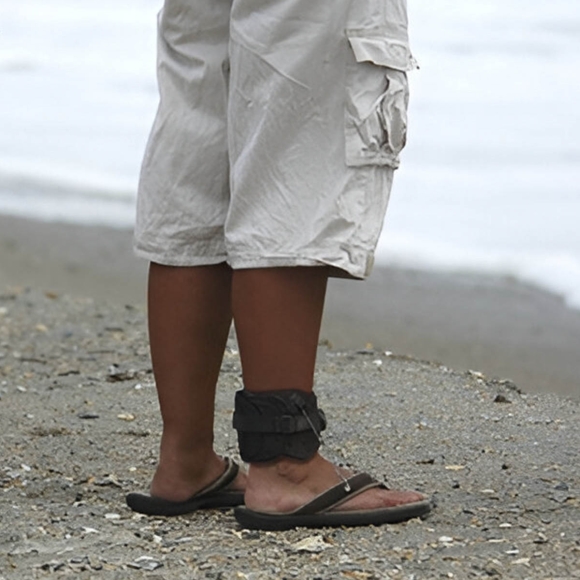
4. What are the red flags for referral?
A brace should never be used to mask a significant injury. Urgent or prompt clinical assessment is important where there is suspected fracture, severe swelling, obvious deformity, inability to bear weight, high ankle sprain concerns, infection signs, calf pain, unexplained numbness, or symptoms that are not improving as expected.
In clinic settings, it is also worth reassessing those who continue to report repeated sprains, instability, or difficulty returning to normal activity months after the original injury.
New evidence-informed tips for selecting and fitting ankle braces
- Match the brace to the problem: compression for comfort and swelling is not the same as mechanical control for repeated rolling.
- Check footwear early: a brace that works with the patient’s usual shoe is more likely to be worn consistently.
- Think function, not just diagnosis: ask whether the main issue is pain, swelling, instability, return to sport, arthritic stiffness, or foot clearance.
- Review after the acute phase: when symptoms change, the best brace may change too.
- Use braces as part of a plan: for many ankle injuries, support works best alongside mobility, strengthening and balance rehabilitation.
- Escalate when needed: ongoing instability, frequent recurrence or gait change may indicate the need for a more structured device or further assessment.
References
- NHS: Sprains and strains
- Algeos Ankle Braces and Supports product category
- NICE CKS: Sprains and strains - management
- NICE CKS: Sprains and strains - assessment
- JOSPT: Physical Therapy After an Ankle Sprain
- British Journal of Sports Medicine: Diagnosis, treatment and prevention of ankle sprains
- Journal of ISAKOS: Clinical recommendations for the use of ankle braces
Further Reading
-

April 21, 2026
Fracture boots, also known as medical walking boots, are often recommended by healthcare professionals for various types of lower extremity fractures. They provide stability to the injured area, reducing the risk of further injury and promoting proper alignment for healing. But what makes a fracture boot so beneficial? How does it aid in the recovery process? This article aims to answer these questions.
-
March 27, 2026
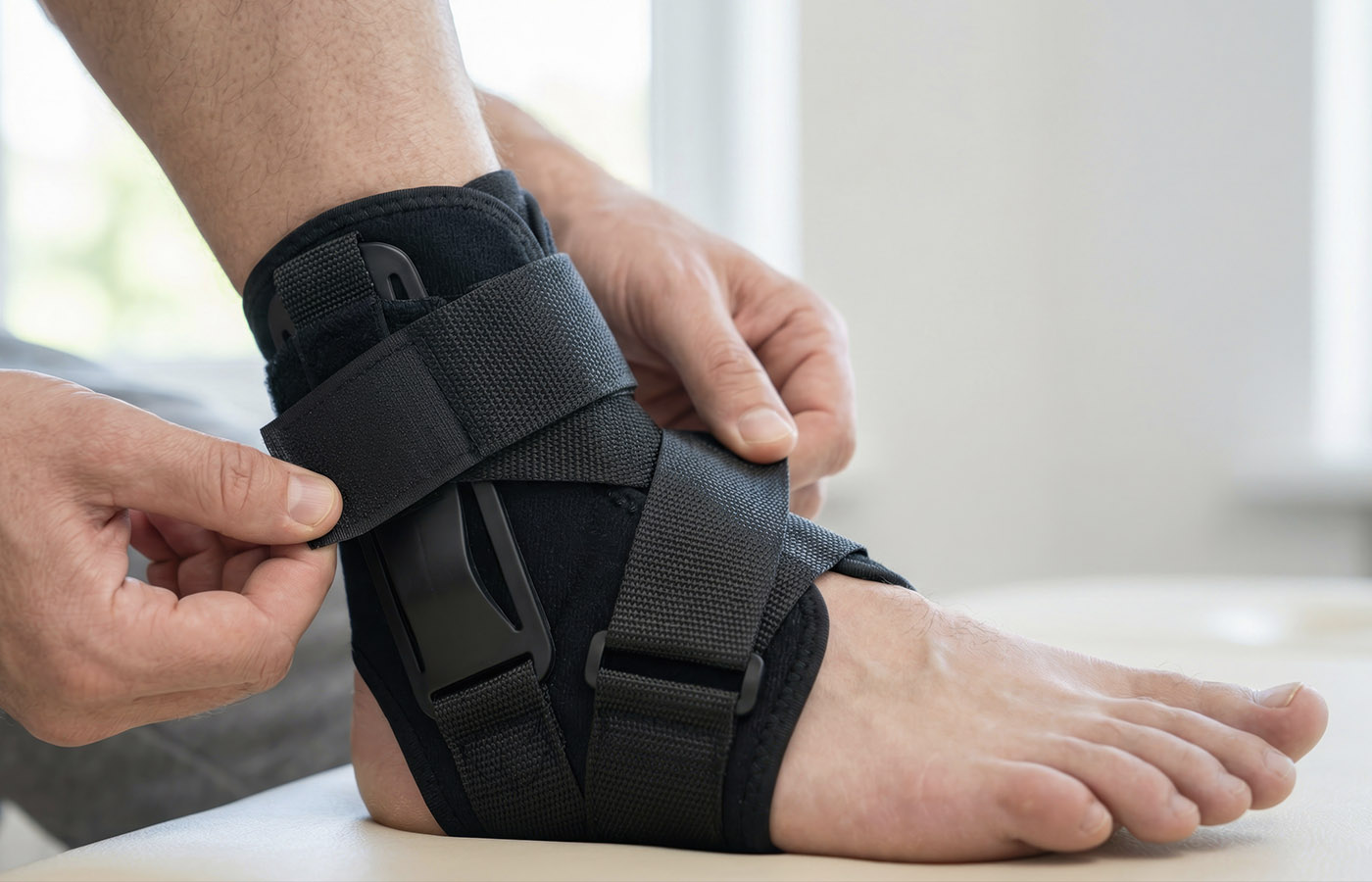
The right choice depends on the level of support needed and the specific condition being treated. Here we offer an overview of the different supports and braces available through Algeos. What they do and when to select.
-
March 21, 2026
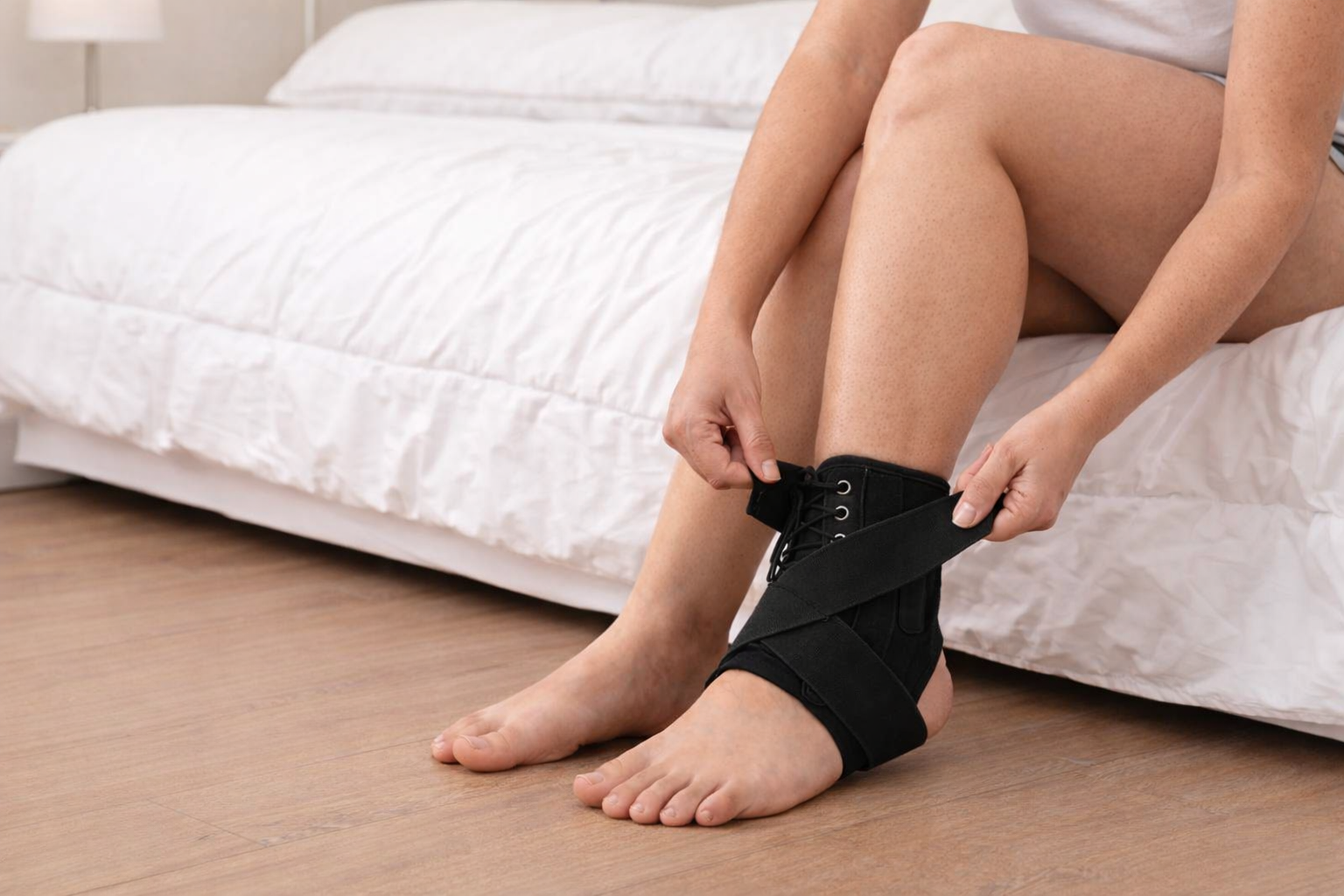
Bodytonix is positioned as an accessible orthopaedic support range covering body braces, fracture walker boots and post-operative footwear for common musculoskeletal and foot-care needs.
-
February 12, 2026
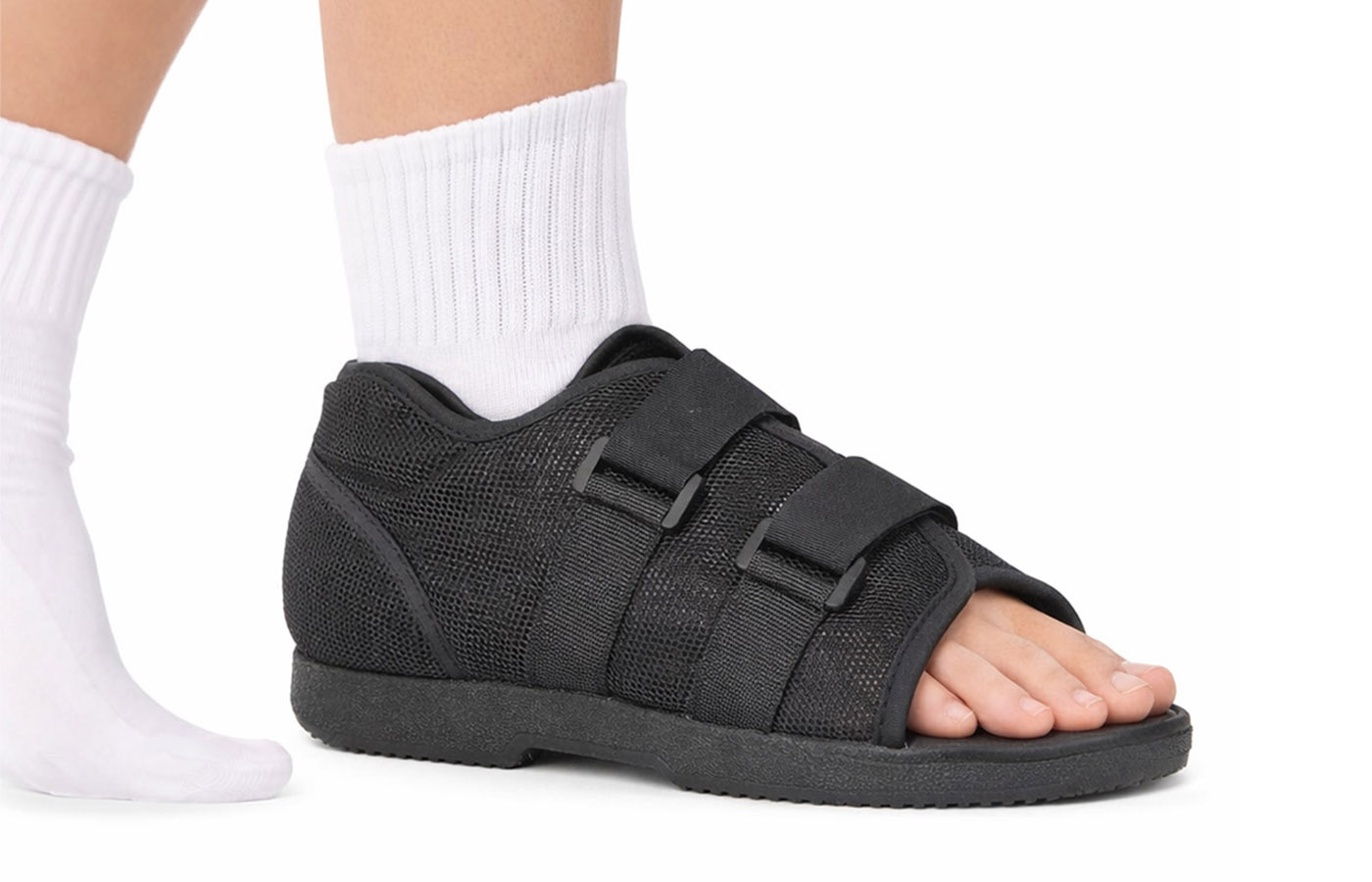
Offloading medical shoes are specialised footwear designed to alleviate pressure and reduce weight-bearing on injured or sensitive areas of the feet. These shoes are particularly beneficial for individuals recovering from foot injuries, undergoing surgery, or managing conditions such as toe fractures, patellofemoral pain syndrome, and post-operative recovery.
-
February 12, 2026
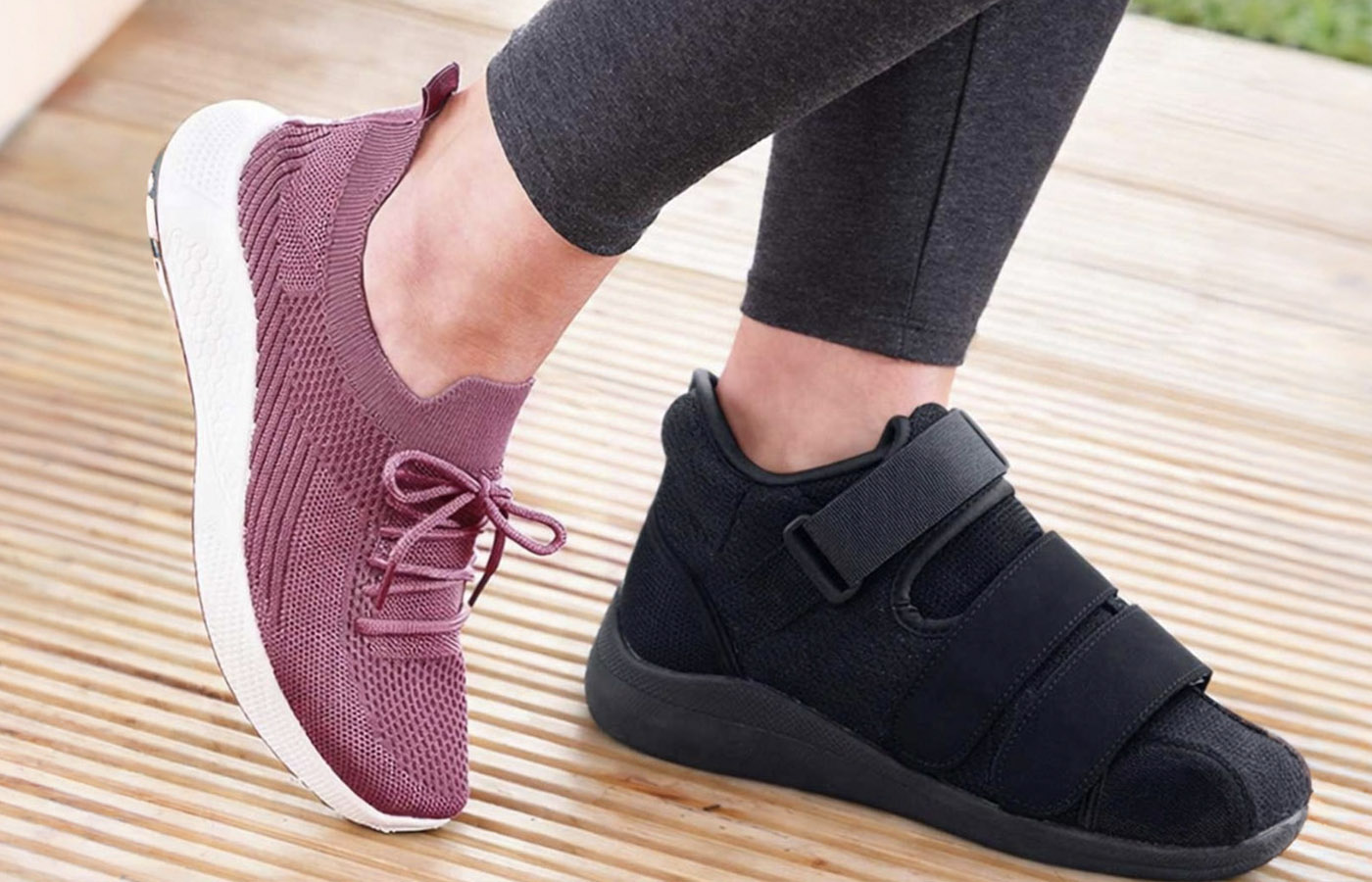
A post-op shoe (post-operative shoe) is a medical footwear device used after foot surgery, fractures, ulcer care or soft-tissue procedures to protect the foot and reduce stress during walking.
-

January 25, 2026
Orthotics are a crucial part of healthcare. They offer support and correction to various parts of the body. But what exactly are orthotics? Orthotics are devices designed to aid the function of a limb or the torso. They can alleviate pain, improve mobility and prevent physical abnormalities.
Sold: Each
Incl. VAT Exl. VAT