Algeos expands pressure-care portfolio through new Caversham partnership
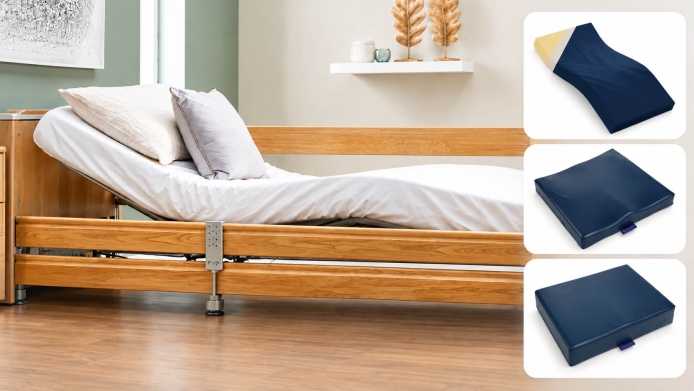
Algeos has expanded its pressure-care portfolio through a new distribution partnership with Caversham®, making four specialist Class I medical devices available to healthcare professionals and care providers across the UK.
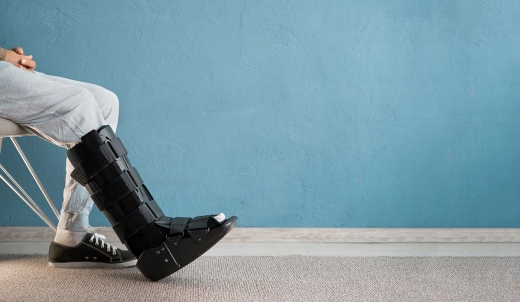
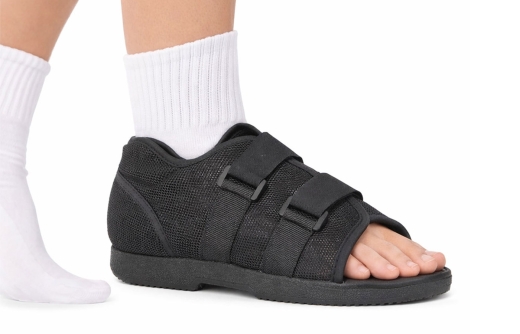
Fracture boots, also known as medical walking boots, are often recommended by healthcare professionals for various types of lower extremity fractures. They provide stability to the injured area, reducing the risk of further injury and promoting proper alignment for healing. But what makes a fracture boot so beneficial? How does it aid in the recovery process? This article aims to answer these questions.
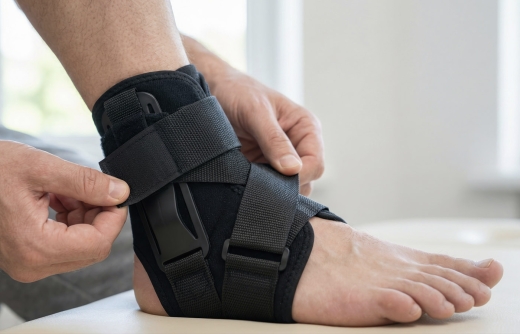
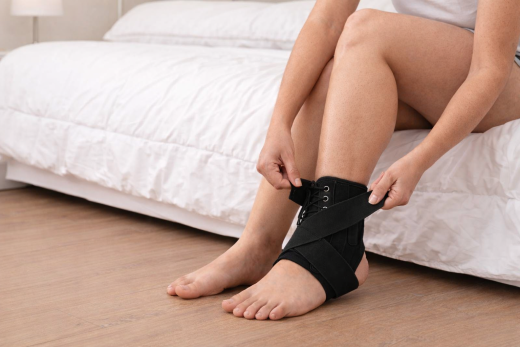
The right choice depends on the level of support needed and the specific condition being treated. Here we offer an overview of the different supports and braces available through Algeos. What they do and when to select.
Bodytonix is positioned as an accessible orthopaedic support range covering body braces, fracture walker boots and post-operative footwear for common musculoskeletal and foot-care needs.
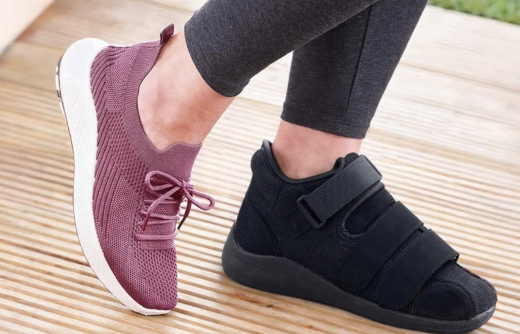
Offloading medical shoes are specialised footwear designed to alleviate pressure and reduce weight-bearing on injured or sensitive areas of the feet. These shoes are particularly beneficial for individuals recovering from foot injuries, undergoing surgery, or managing conditions such as toe fractures, patellofemoral pain syndrome, and post-operative recovery.
A post-op shoe (post-operative shoe) is a medical footwear device used after foot surgery, fractures, ulcer care or soft-tissue procedures to protect the foot and reduce stress during walking.
Orthotics are a crucial part of healthcare. They offer support and correction to various parts of the body. But what exactly are orthotics? Orthotics are devices designed to aid the function of a limb or the torso. They can alleviate pain, improve mobility and prevent physical abnormalities.
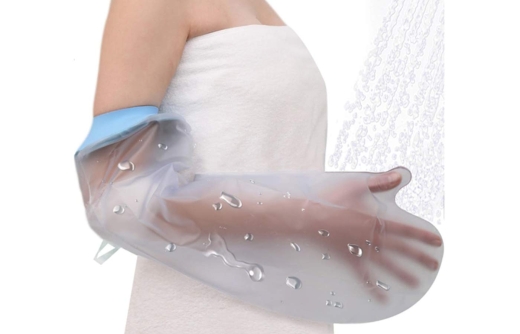
When you have a broken arm or leg, one big challenge is keeping your cast dry. This is especially hard during daily tasks like showering or bathing. That’s where cast covers come in. But do they really work? The short answer is: yes, they do - when used correctly.
A broken metatarsal 5, or a fracture in the fifth metatarsal bone, is a common foot injury. It can cause significant pain and disrupt your daily activities. Understanding this injury is crucial for effective treatment and recovery. This article aims to provide comprehensive information about a broken metatarsal 5. We'll explore its causes, symptoms, and the various treatment options available.
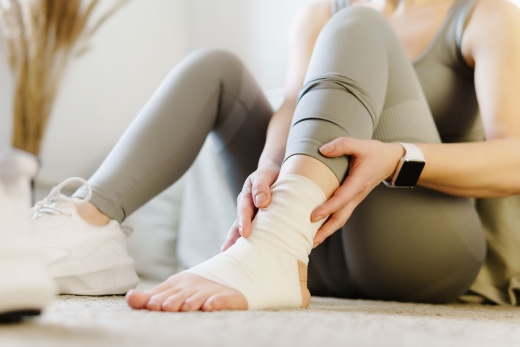
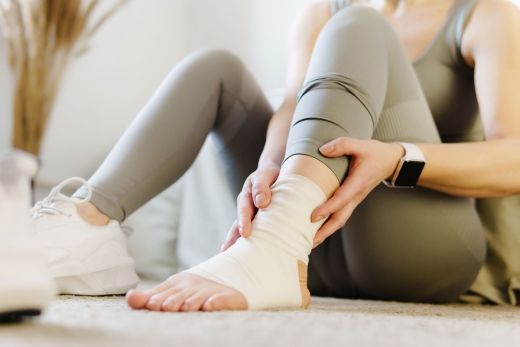
How long does an ankle injury take to heal? The healing time depends on the type and severity of the injury. Minor injuries - such as mild sprains or strains - can often improve within 2 to 4 weeks.
A broken bone in the foot can be a painful and immobilising experience. It can disrupt your daily activities and limit your mobility. An essential part of the healing process is the use of a boot for a broken bone in the foot. This medical device, also known as an orthopaedic boot, provides support and protection to the injured foot.
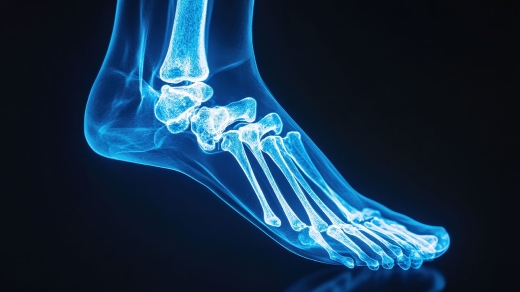
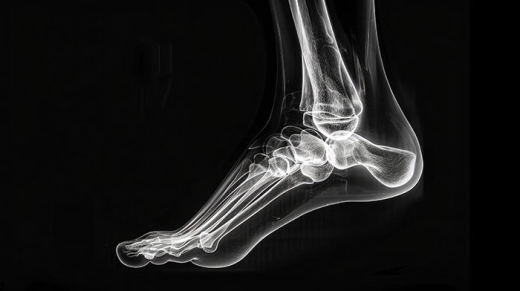
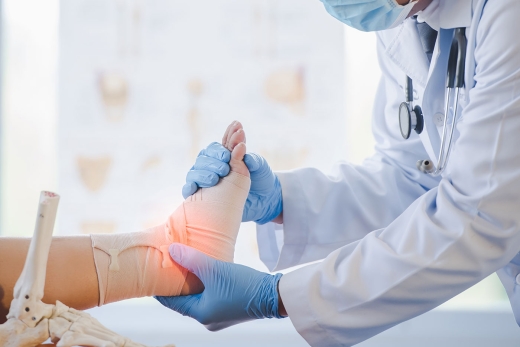
Accurate diagnosis is crucial. A thorough clinical examination and appropriate imaging (X-ray, MRI, or ultrasound) help identify the extent of the injury. Early intervention minimises complications such as chronic instability or persistent pain.
Managing ankle injuries effectively involves addressing the problem in three key phases: the acute phase, the rehabilitation phase, and the prevention phase. These stages ensure that immediate needs are met, long-term function is restored, and risks of re-injury are minimised.