



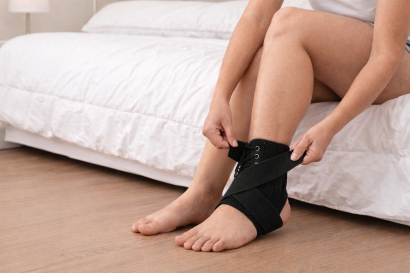
Bodytonix is positioned as an accessible orthopaedic support range covering body braces, fracture walker boots and post-operative footwear for common musculoskeletal and foot-care needs. For clinics and patients alike, the attraction is simple - practical support, easier fitting and product choices that can bridge the gap between acute injury care, rehabilitation and day-to-day mobility.
This guide explains what the range includes, how these devices work and where they fit into modern care pathways. It is written for clinicians, dispensers and informed consumers who want a clearer framework for selecting the right support at the right time.
Definition box
Bodytonix is an Algeos-supported orthotic therapy range that includes orthopaedic braces and medical shoes, such as knee supports, postural braces, walker boots and post-op/offloading footwear. These products are intended to help stabilise joints, protect healing tissues, redistribute pressure and support safer mobility during recovery or chronic condition management.
Orthopaedic Supports
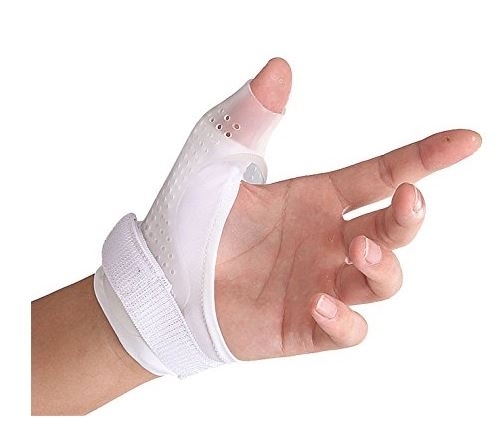
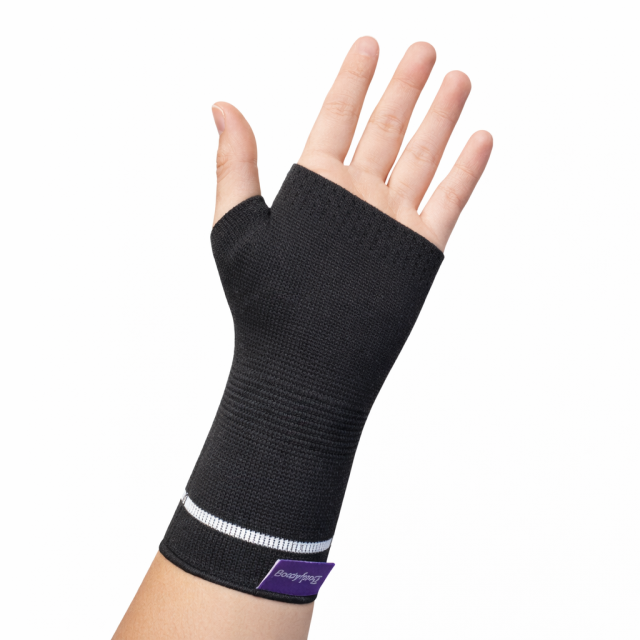
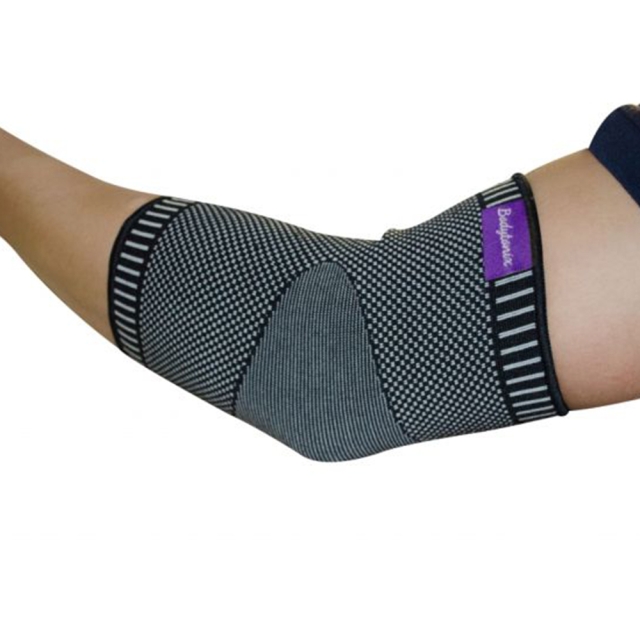
Most orthopaedic supports do one or more of four things: they limit harmful movement, provide compression, redistribute load or improve alignment. Bodytonix products appear to follow this same principle across different body regions. A knee brace supports ligament structures and can reduce the sense of instability.
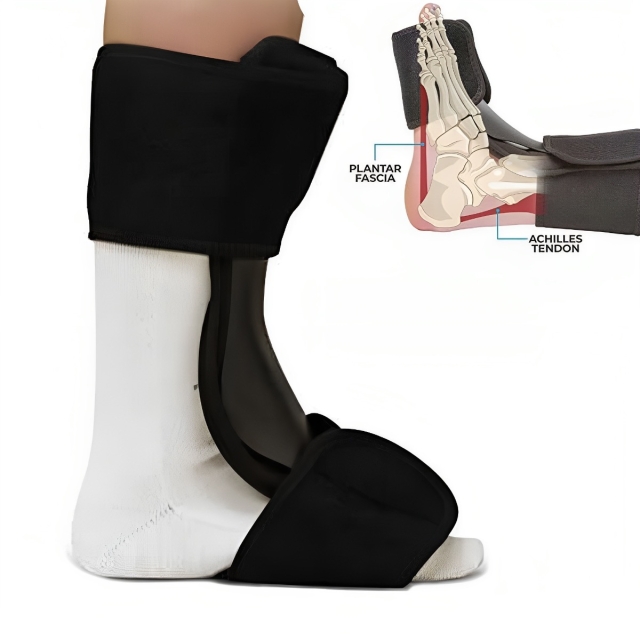
A fracture boot immobilises the foot and ankle while still allowing ambulation. An offloading shoe shifts pressure away from a vulnerable area, such as the forefoot or heel. A postural brace offers proprioceptive reminder and gentle correction rather than rigid immobilisation.
This matters because tissue healing is often delayed when pain, swelling, poor alignment or repeated mechanical stress are left unchecked. NHS patient guidance on walking boots notes that these devices are commonly used for stable fractures, severe sprains and tendon injuries because they help stabilise the injury, support healing and manage swelling.
NICE guidance also continues to emphasise pressure relief and offloading as core principles in diabetic foot management.
Why the range matters in practice
A good support is not just about immobilisation. It is about making the treatment plan workable. Removable walker boots can simplify wound inspection, hygiene and swelling checks compared with a traditional cast in suitable cases.
Post-operative shoes can reduce pressure where a standard trainer would aggravate healing tissues. Flexible body braces can support return to work, exercise modification or confidence in early rehabilitation.
For clinicians, a broad product family helps standardise selection and fitting. For patients, it can reduce confusion at a time when mobility is already compromised. The wider offloading and post-op footwear category is especially relevant where recovery depends on keeping pressure away from a surgical site, fracture zone or ulcer risk area.
Body braces: support without unnecessary bulk
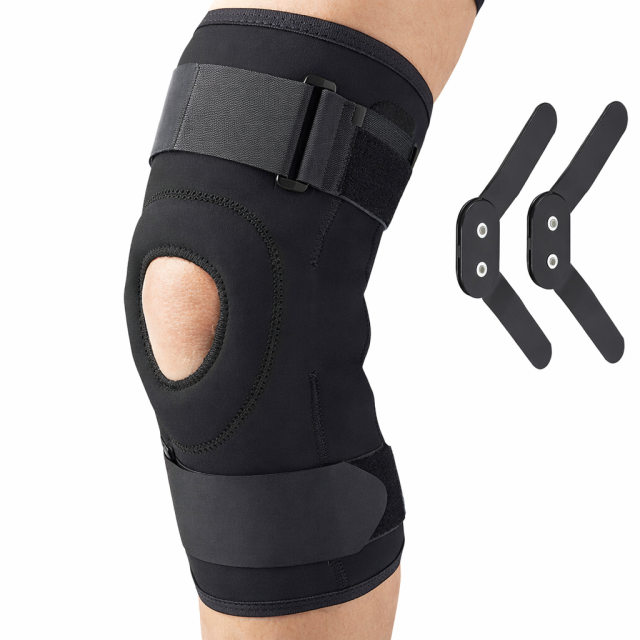
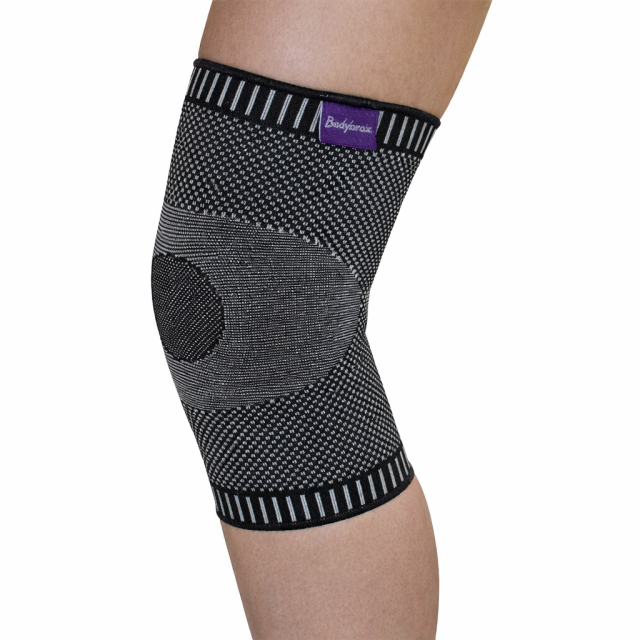
Bodytonix includes several braces aimed at commonly affected joints and postural problems. The stabilising knee brace is presented for moderate ligament injury and swelling control.
The clinical value here is selective support. Not every patient needs a rigid orthosis. In many cases, the goal is to reduce pain, improve confidence and support graded activity while preserving as much function as possible. That is particularly relevant in mild to moderate instability, patellofemoral symptoms, posture-related discomfort or transitional rehab phases.
Fracture boots: immobilisation with mobility
Bodytonix fracture boots are among the most practical products in the range. The short walker boot is described for foot fractures, ankle sprains, Achilles tendonitis, post-surgical use and trauma. The full-length fracture boot extends support higher up the lower leg and may suit injuries requiring more control.
Clinical guidance from NHS trusts shows why walker boots are widely used: they can provide support for stable minor fractures, severe sprains and tendon injuries while allowing a more functional recovery pathway in selected cases. They are not interchangeable with plaster casts in every scenario, but where a clinician has judged the injury to be stable, they can offer a useful combination of protection and practicality.
Medical footwear and offloading shoes: pressure redistribution is the point
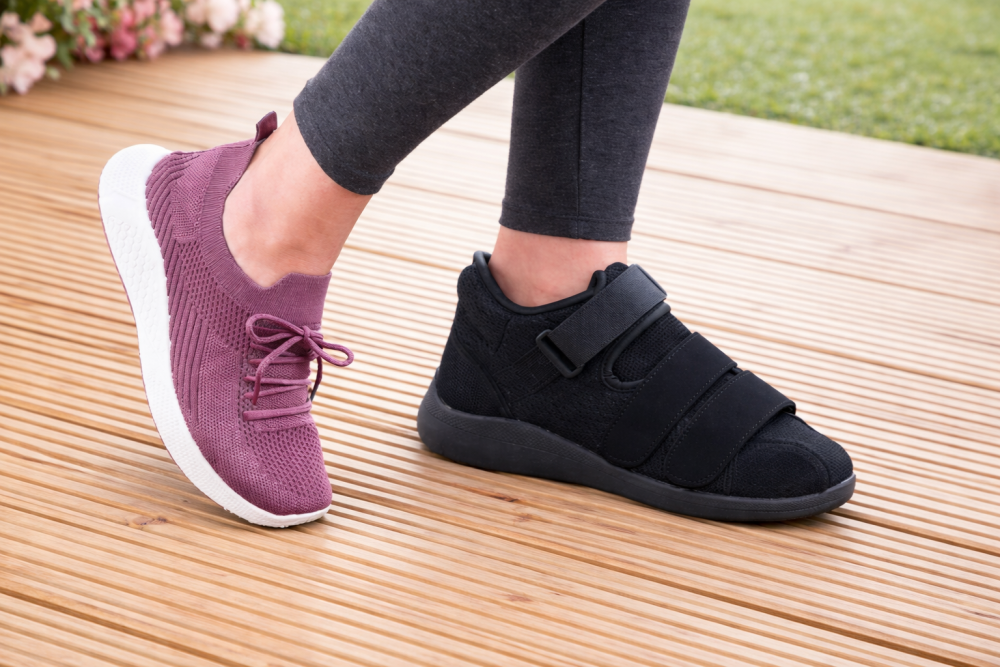
Medical footwear is easy to underestimate. Yet in post-operative care and diabetic foot management, footwear design can directly influence healing. The Bodytonix post-op shoe range includes options built around pressure relief, rocker soles and protected gait. The forefoot relief shoe is specifically intended to reduce loading beneath the toes and metatarsal area.
This is highly relevant for ulcer prevention and wound protection. NICE guidance on diabetic foot problems continues to place offloading at the centre of management, particularly where tissue breakdown or high plantar pressure is present. In day-to-day practice, the right shoe can make the difference between a healing trajectory and repeated tissue stress.
Step-by-step guide to choosing the right Bodytonix option
- Start with the diagnosis. Confirm whether the main issue is instability, fracture protection, post-operative protection, pressure redistribution or posture support.
- Decide how much control is needed. Mild symptoms may suit an elastic or functional brace. Stable fractures or tendon injuries may need a walker boot. High-risk plantar pressure may need offloading footwear.
- Check the treatment goal. Is the priority pain reduction, healing protection, swelling management, gait support or ulcer prevention?
- Consider fit and adherence. A technically ideal device is ineffective if the patient cannot tolerate it, apply it correctly or walk safely in it.
- Review red flags. Escalate if there is neurovascular compromise, skin breakdown, infection concern, uncontrolled swelling or uncertainty about stability.
- Educate on use. NHS walking boot leaflets repeatedly stress correct fitting, weight-bearing advice, skin checks and safe walking technique.
- Plan follow-up. Orthoses should be reviewed as symptoms, swelling and function change.
Comparison table
| Product type | Main purpose | Best suited to | Key consideration |
|---|---|---|---|
| Knee or joint brace | Compression, stability, proprioception | Mild to moderate ligament or joint support needs | Choose support level carefully to avoid over-bracing |
| Short fracture boot | Foot and ankle immobilisation | Stable fractures, sprains, tendon irritation, post-op protection | Needs correct weight-bearing advice |
| Full-length fracture boot | Greater lower-leg control | Cases needing more extensive immobilisation | Bulk and gait asymmetry may affect compliance |
| Post-op or offloading shoe | Pressure redistribution | Forefoot wounds, post-surgical care, ulcer risk management | Match shoe design to the exact area needing relief |
| Postural support | Alignment cueing | Posture-related discomfort and awareness training | Works best alongside exercise and ergonomic changes |
What users say
User feedback visible across the range is still mixed in volume by product, but the themes are familiar and clinically relevant: lighter feel than expected, practical fit and usefulness during recovery.
Frequently asked questions
1. Are Bodytonix fracture boots a replacement for a plaster cast?
Not always. Walker boots are typically used when the injury is stable and a clinician judges that removable immobilisation is appropriate. Unstable fractures or more complex injuries may require casting or surgery.
2. What is the difference between a short and full-length walker boot?
A short boot usually focuses on the foot and ankle with less bulk. A full-length boot extends higher up the lower leg and can provide more extensive control.
3. Can post-op shoes help with diabetic foot pressure points?
They can, especially when the design matches the pressure area that needs relief. However, diabetic foot care should follow a specialist pathway where risk is high or ulceration is present.
4. Do knee braces weaken muscles if worn for too long?
They can become unhelpful if used without a rehab plan. Braces are best seen as part of a wider strategy that may also include exercise, load management and reassessment.
5. Are these products suitable for self-selection online?
Some mild support products may be, but fracture protection, post-operative footwear and diabetic offloading choices are safer when guided by a clinician or experienced dispenser.
6. What should patients monitor when using a boot or medical shoe?
Watch for increased pain, numbness, rubbing, skin damage, swelling changes, poor balance and any sign that the device is not fitting correctly.
References and research sources
- Algeos - Bodytonix Body Braces and Medical Shoes
- Algeos - Bodytonix Short Walker Fracture Boot
- Algeos - Bodytonix Full-Length Fracture Boot
- Algeos - Bodytonix Post-Op Shoe Range
- Algeos - Bodytonix Forefoot Offloading Shoe
- Algeos - Bodytonix Stabilising Knee Brace
- Northern Care Alliance NHS - Walking Boot patient information
- University Hospitals Sussex NHS Foundation Trust - Using a boot
- UCLH - Walking boot advice for patients
- NICE - Diabetic foot problems: prevention and management
- British Orthopaedic Association - BOAST 12: The Management of Ankle Fractures
- AAOS OrthoInfo - Ankle Fractures
Author bio
Marc Cameron, Algeos. Marc writes clinically focused content on orthotic therapy, rehabilitation and lower-limb care, translating technical product and treatment information into accessible guidance for clinicians and informed consumers.

Sold: Each
Incl. VAT Exl. VAT