




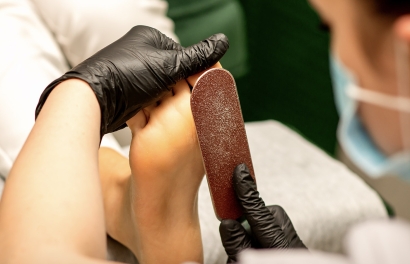
What’s the Difference?
At first glance, one foot file can look much like another. In practice, the difference between a professional foot file and a cheap alternative often shows up in control, finish quality, hygiene options and how reliably the abrasive performs over time.
For podiatrists, foot health practitioners, salon teams and informed consumers, that difference matters. A file is not just a low-cost accessory - it is a contact tool that affects treatment efficiency, skin finish, infection control and the overall perception of care.
Definition box
Professional foot file: A foot care tool designed for regular clinical, salon or high-standard home use with dependable abrasive quality, better ergonomics and either single-patient-use or decontamination-compatible design.
Cheap foot file: A low-cost file that may appear similar but often uses lower-grade materials, less consistent abrasive surfaces, weaker bonding and poorer handle design, which can reduce control, lifespan and finish quality.
Core difference: The real gap is rarely price alone. It is consistency, safety, hygiene pathway and user confidence during treatment.
Why it matters
Callus and hard skin usually develop because of pressure and friction. In some patients, especially people with diabetes or reduced sensation, seemingly simple foot care decisions need extra caution because damaged skin can become clinically significant. That means the tool used to reduce hard skin should support a controlled and conservative approach rather than aggressive scraping.
Professional files help clinicians and careful home users work with more predictability. Cheap files can still remove skin, but they are more likely to perform unevenly, shed grit prematurely, feel unstable in the hand or leave a rougher end result that needs extra smoothing. That can lengthen treatment time and lower confidence in the finish.
For clinics and salons, the file also contributes to perceived quality. Patients notice whether a tool feels robust, clean and comfortable in use. A flimsy file can make even a good treatment feel budget-led. For premium services, that matters commercially as well as clinically.
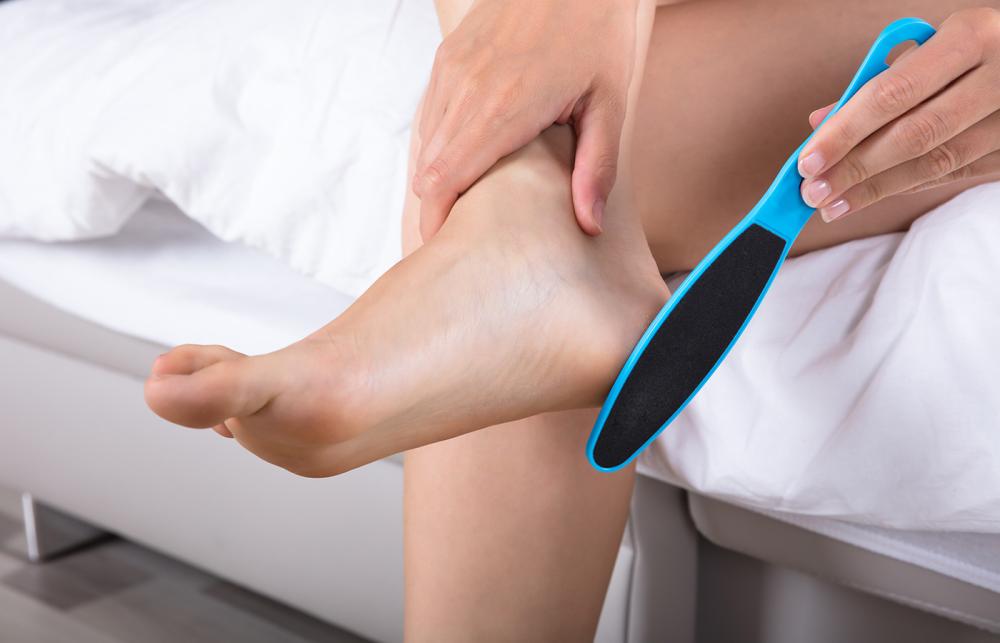
1. Durability: better materials hold their performance longer
Professional foot files are usually built from better plastics, higher-grade stainless steel or more stable composite bases. Where reusable systems are used, stainless steel handles are often chosen because they tolerate decontamination and resist corrosion better than cheaper materials when processed correctly.
Guidance for reusable medical devices places clear emphasis on validated decontamination processes and appropriate device management.
By contrast, cheap files often fail at the bonding layer rather than the handle itself. The abrasive pad loosens, edges lift, the board flexes too much or the working surface smooths off quickly. The result is not just shorter lifespan. It is a changing level of performance from one treatment to the next.
Where a professional file stays stable through the intended use cycle, a cheaper file tends to become unpredictable. In practice, that means more strokes, more operator fatigue and less confidence in how much material is being removed.
2. Abrasive consistency: the hidden factor behind a smooth finish
The most important technical difference is often the least visible. Professional foot files tend to offer more consistent grit distribution across the working surface. On higher-quality products, the abrasive cuts evenly so the practitioner can reduce hard skin in a measured way and then refine the surface.
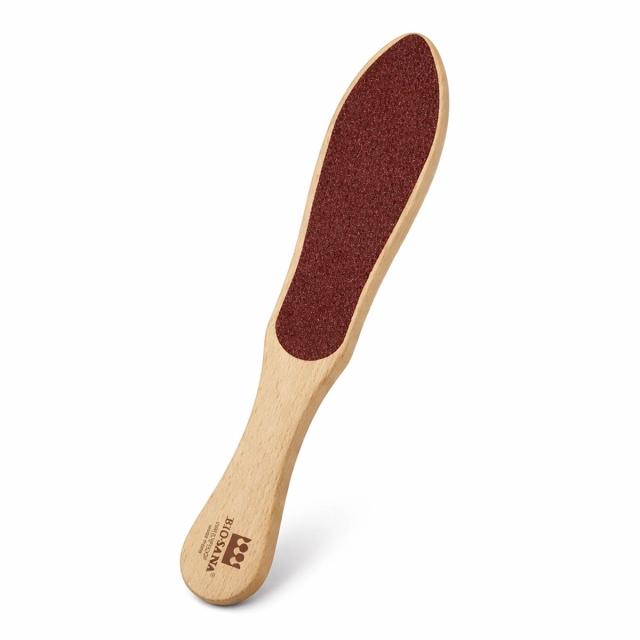
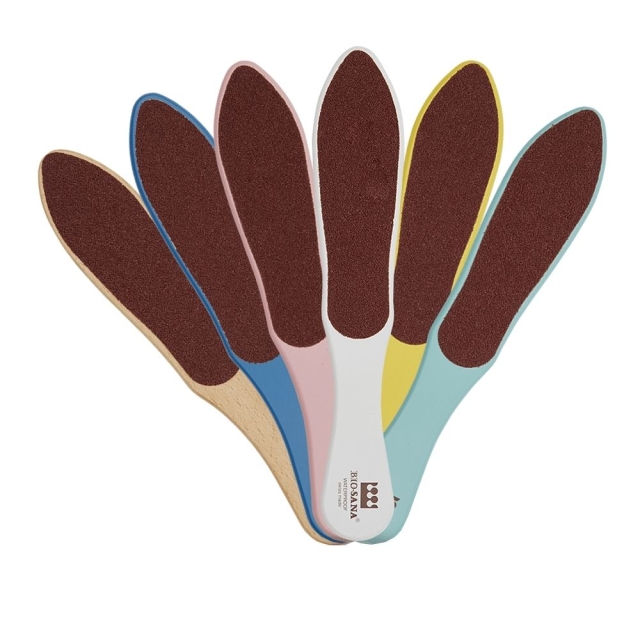
Algeos, for example, lists double-sided professional foot files with defined grit grades, which helps create a more repeatable result.
Cheap files can feel overly harsh in one area and ineffective in another. That inconsistency matters because callus reduction should be gradual. Uneven abrasive patterns can grab at thicker skin, skip over surrounding areas and leave a patchy finish that feels rough even after the visible bulk has gone.
In simple terms, professional abrasives do not just remove skin - they remove it more evenly. That is why the finish usually looks cleaner and feels more polished.
3. Hygiene: professional options give you a clearer infection-control pathway
Hygiene is where the difference becomes most clinically relevant. A professional file is usually designed with a defined pathway: either single-patient use or reuse within a proper decontamination system. NHS and podiatry decontamination guidance stresses that reusable medical devices must be appropriately cleaned and sterilised, and that thorough cleaning is a prerequisite for effective decontamination.
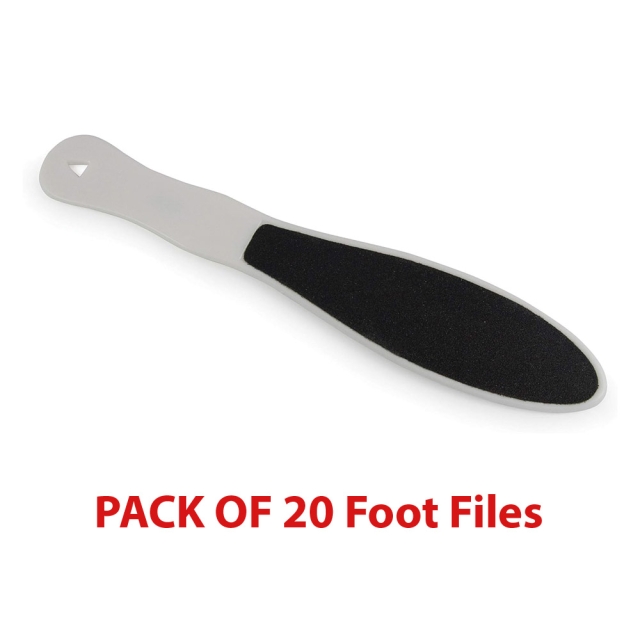
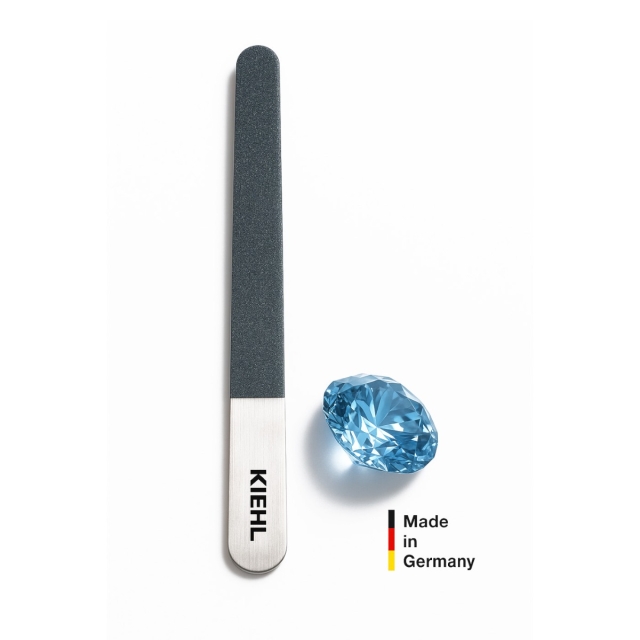
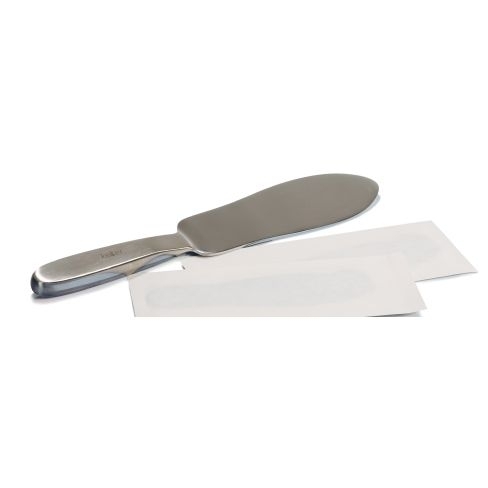
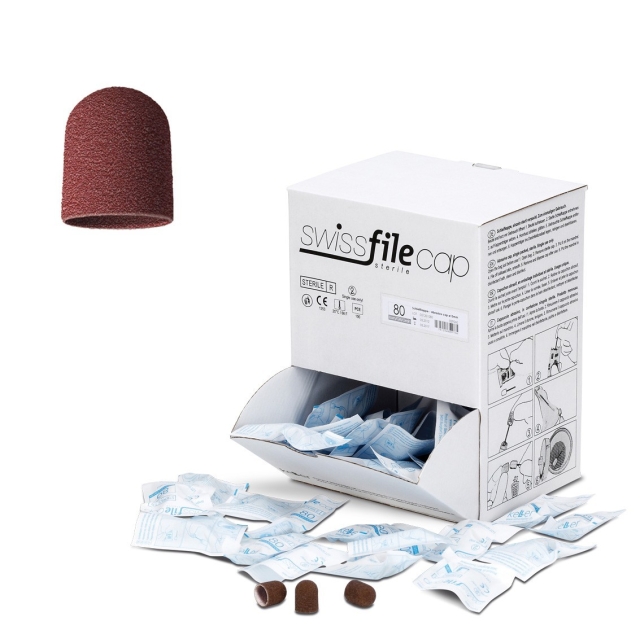
That matters because not every file is suitable for reprocessing. Some plastic files are explicitly non-autoclavable and are better suited to single-use or single-patient pathways. Others use an autoclavable stainless steel handle with replaceable abrasive sheets, which can support a more controlled clinical hygiene process.
Cheap files often blur that distinction. They may not state clearly whether they are single-use, reusable or compatible with decontamination. In a clinic, that uncertainty is a risk. In a home setting, it can still lead to poor storage, moisture retention and unwanted contamination.
4. Grip and ergonomics: control affects both safety and comfort
A professional foot file usually feels balanced in the hand. Better handle shape, surface texture and length improve control and reduce the need to grip too hard. Algeos highlights ergonomic handling on its professional-use file range, which aligns with what clinicians generally want in repeated daily use - secure movement with less hand fatigue.
A cheap file may still be usable, but it often feels narrow, slippery or too flexible. That makes it harder to maintain even pressure across the skin. When grip is poor, operators compensate with awkward wrist position or excessive force. Neither supports a premium treatment experience.
For home users, grip is equally important. A well-shaped handle makes it easier to target heels and plantar edges without overworking the skin.
5. Finish quality: this is where perceived quality becomes visible
Patients and customers may not know the grit rating or substrate material, but they do notice finish quality. A professional foot file is more likely to leave skin feeling smoother with fewer ragged edges, particularly when a dual-sided design allows reduction on one side and refining on the other.
Cheap files often create one of two problems. They either underperform and leave hard skin largely unchanged, or they feel aggressively coarse and leave a rougher post-file texture. Both outcomes affect satisfaction. In clinics, that can reduce perceived value. In home care, it can encourage users to repeat filing too often.
Visual guide: where the differences show up
Professional foot file
Stable base
Defined grit
Better grip
Cleaner finish
Clear hygiene route
Cheap foot file
More flex
Patchy abrasive
Less control
Rougher finish
Unclear reuse status
Professional vs cheap foot files at a glance
| Feature | Professional foot file | Cheap foot file |
|---|---|---|
| Durability | Designed for reliable use cycle | More likely to wear or delaminate quickly |
| Abrasive quality | More even grit distribution | Variable and less predictable |
| Hygiene | Single-use or decontamination-ready pathways | Reuse status may be unclear |
| Grip | Ergonomic and steadier | Can feel flimsy or slippery |
| Finish quality | Smoother and more refined | Can leave a rough or patchy result |
| Value | Better long-term performance | Lower purchase price but weaker consistency |
What users say
Across professional product pages, the same themes appear repeatedly. Practitioners value a dual-sided format, a comfortable handle and a finish that feels smooth rather than scraped. Algeos product testimonials also highlight consistency, comfort in longer sessions and reliable day-to-day use in practice and salon settings.
That feedback is useful because it mirrors what matters clinically: predictable abrasion, reduced fatigue and a more professional end result.
Step-by-step guide: choosing the right file
- Start with setting. For clinic use, choose either a validated single-patient-use file or a reusable system with a clear decontamination route.
- Check the material. Stainless steel systems suit reprocessing pathways. Plastic files can be practical where single-use is preferred.
- Look for defined grit. Coarse and fine surfaces should each have a purpose rather than a vague “one-size-fits-all” finish.
- Assess the grip. The file should feel stable, not overly light, bendy or slippery.
- Match the patient. Be more cautious with thin skin, fissures, diabetes, neuropathy or poor circulation. NICE advises careful foot assessment in people at risk of diabetic foot problems.
- Judge the finish, not just the speed. Faster is not always better. A smoother and more controlled reduction is usually the better outcome.
Related pages
For readers comparing options, useful next steps include browsing nail and foot files, reviewing podiatry supplies and reading the Algeos decontamination guide. These pages help place product choice within a wider clinical workflow.
FAQ
Are expensive foot files always better?
No. Price alone is not the point. The better question is whether the file offers consistent grit, a safe hygiene pathway and a stable grip. Some professional files are still low-cost consumables but are designed for dependable performance.
Is a stainless steel foot file more hygienic?
It can be, if it is part of a proper decontamination process. Stainless steel handles used with replaceable abrasives are common in professional settings because they can support sterilisation workflows.
Can cheap foot files damage skin?
Any foot file can damage skin if used too aggressively or on the wrong patient. Risk rises when the abrasive is inconsistent or the file is hard to control. Extra caution is needed in people with diabetes, neuropathy or poor circulation.
Why does finish quality differ so much?
Because abrasive consistency, surface bonding and handle stability all affect how evenly the file works across the skin. Better-quality files tend to produce a more even reduction and smoother finish.
Are single-use files a good option?
Yes, especially where hygiene simplicity is a priority. Single-patient-use files can reduce cross-contamination risk and remove the uncertainty around reprocessing non-autoclavable items.
What should clinicians look for first?
Look first at intended use, decontamination compatibility, abrasive grading and handle control. Those features have more clinical relevance than branding alone.
Final word
The difference between a professional foot file and a cheap one is not marketing language. It is seen in durability, felt in the grip, measured in abrasive consistency and reinforced by hygiene confidence. For clinicians, salons and quality-conscious home users, a better file usually means a safer, smoother and more professional result.
Looking for Algeos Podiatry Supplies? Buy Algeos Podiatry Products here →
References and research sources
- Algeos - Double Sided Professional Foot File
- Algeos - Hard Skin Foot File for Professional Use
- Algeos - Nail and Foot Files
- Algeos - Decontamination Guide
- NHS England - HTM 01-01
- NHS Scotland - Provision of Compliant Podiatry Instruments
- NHS - Corns and Calluses
- NICE - Diabetic Foot Problems: Prevention and Management
- Royal College of Podiatry - Corns and Callus
Author bio
Marc Cameron, Algeos - Marc writes clinical and product-led content focused on podiatry, rehabilitation and lower limb care. His articles aim to bridge practical product knowledge with real-world clinical decision-making so that professionals and informed consumers can make confident choices.
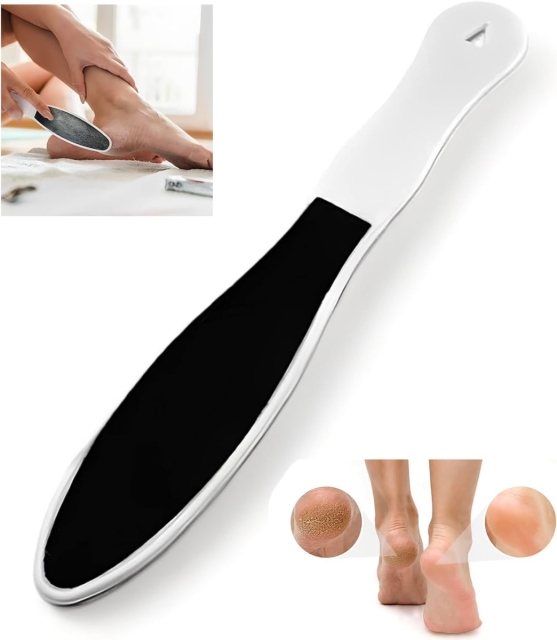
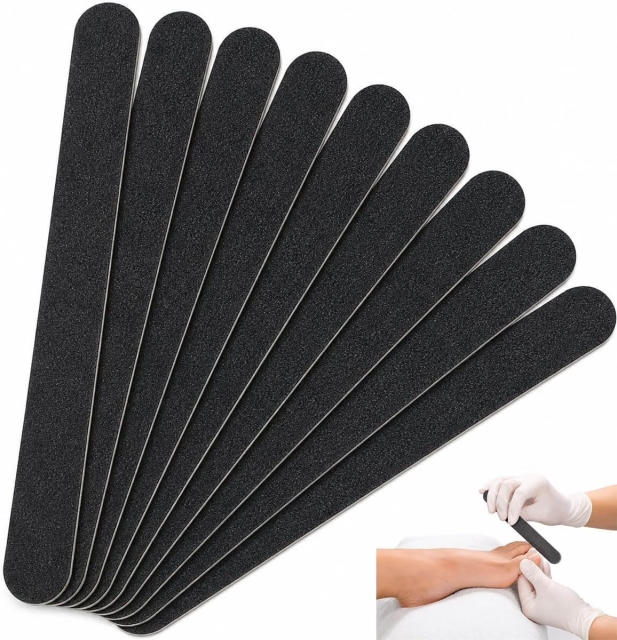
Sold: Each
Incl. VAT Exl. VAT