



Understanding Bunions: What Causes Them?
Bunions develop over time due to a combination of factors, including:
- Genetics: If bunions run in your family you're more likely to develop them.
- Footwear: Wearing tight, narrow or high-heeled shoes can push your toes together encouraging the growth of bunions.
- Foot Structure: Certain foot types like flat feet or low arches are more prone to bunion problems.
- Arthritis: Conditions like rheumatoid arthritis can cause inflammation and changes in the foot structure - leading to bunions.
While changing your footwear can help - once a bunion has formed it's there to stay unless surgically removed. However, managing symptoms and preventing further progression is where pads and splints come into play.
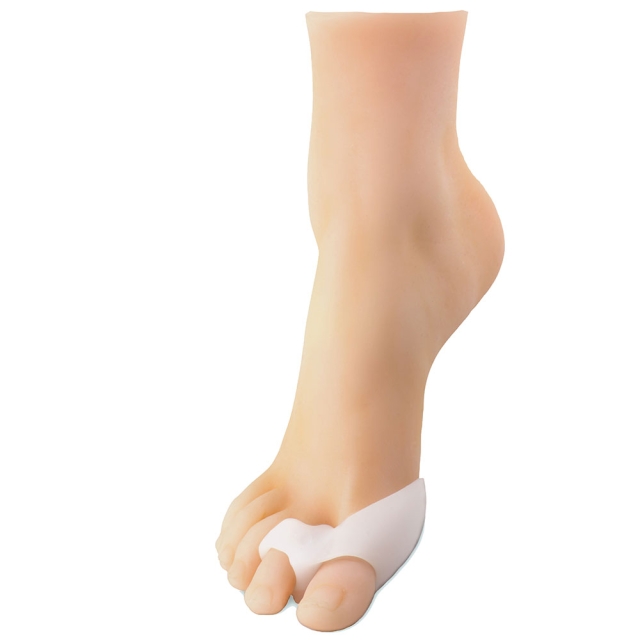
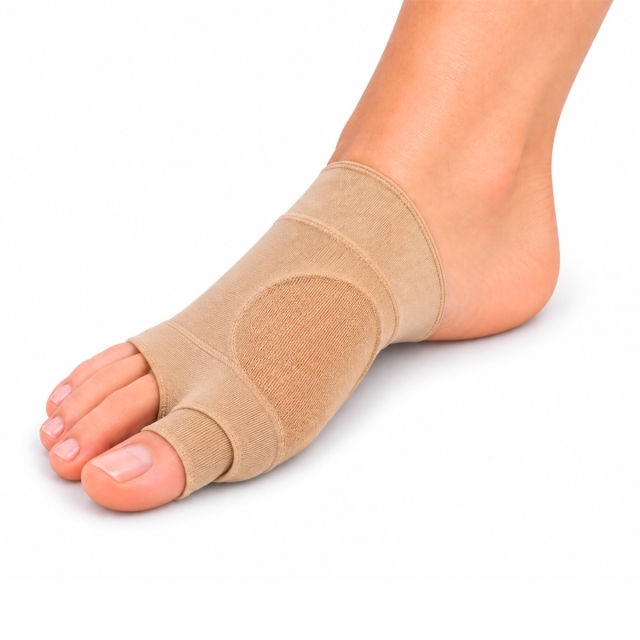
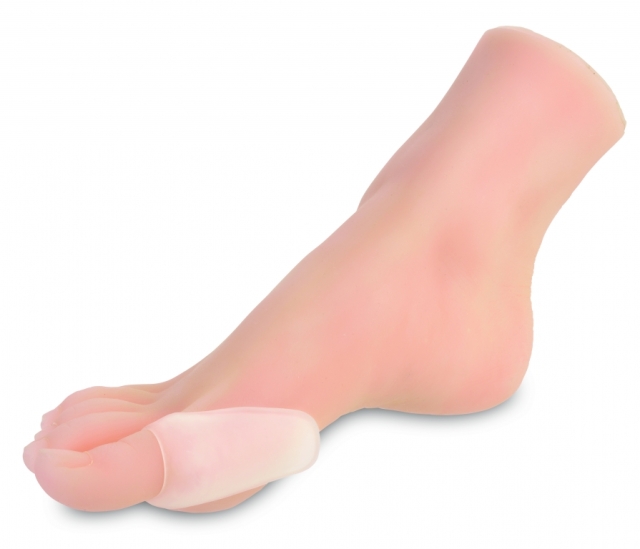
Bunion Protector - Cushioning Pads
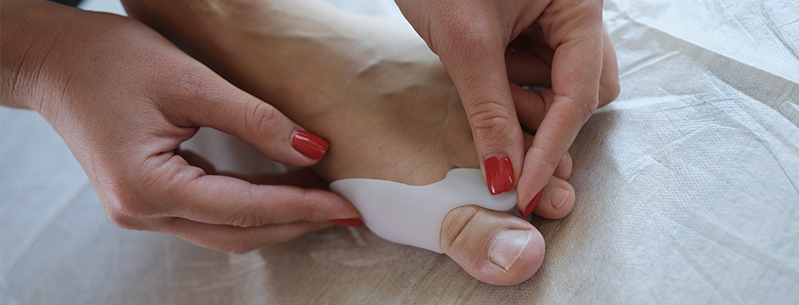
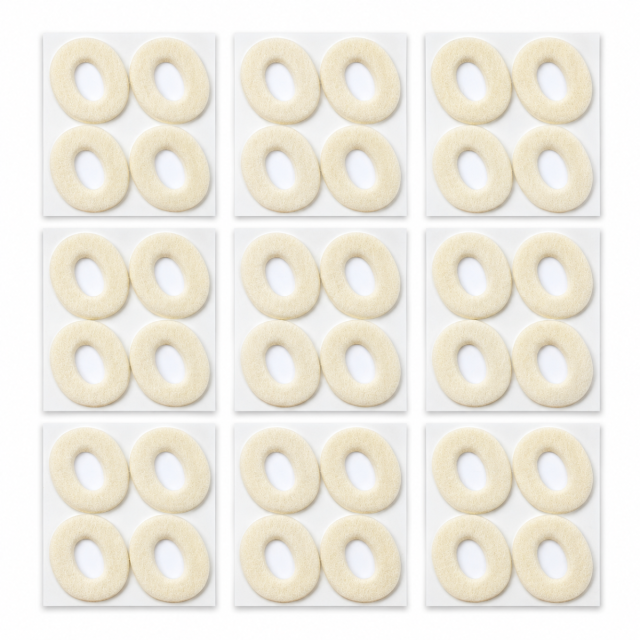
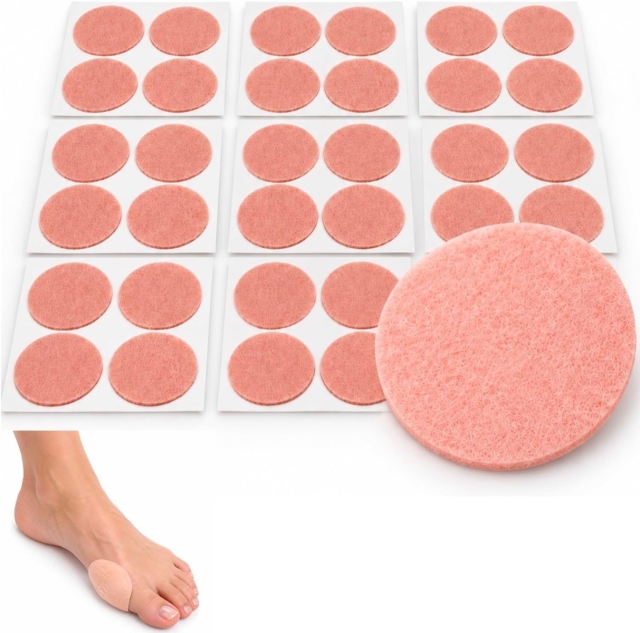
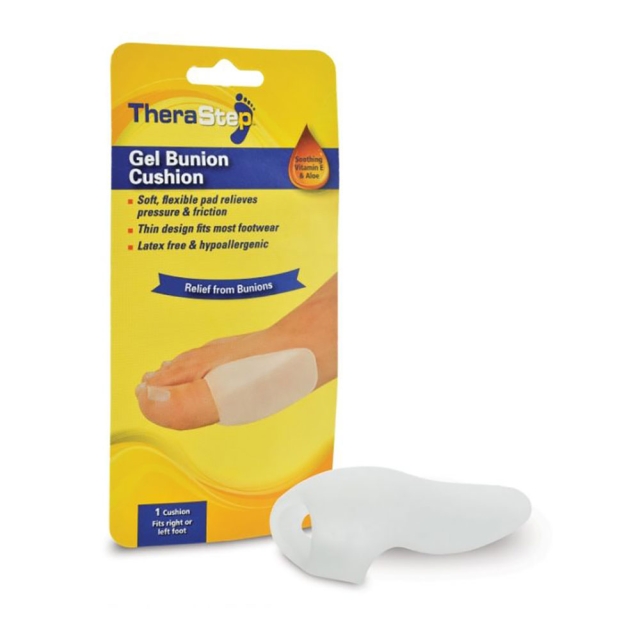
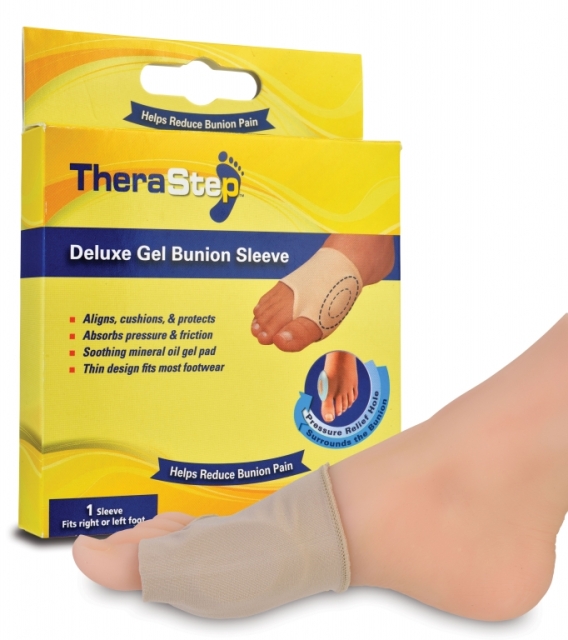
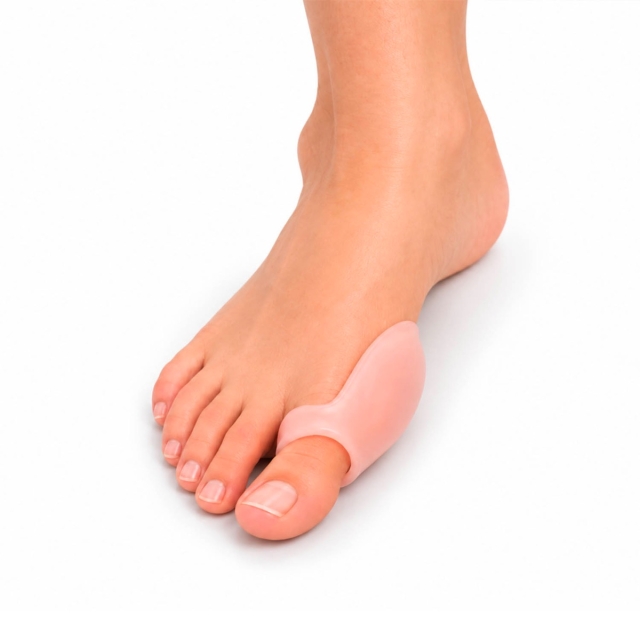
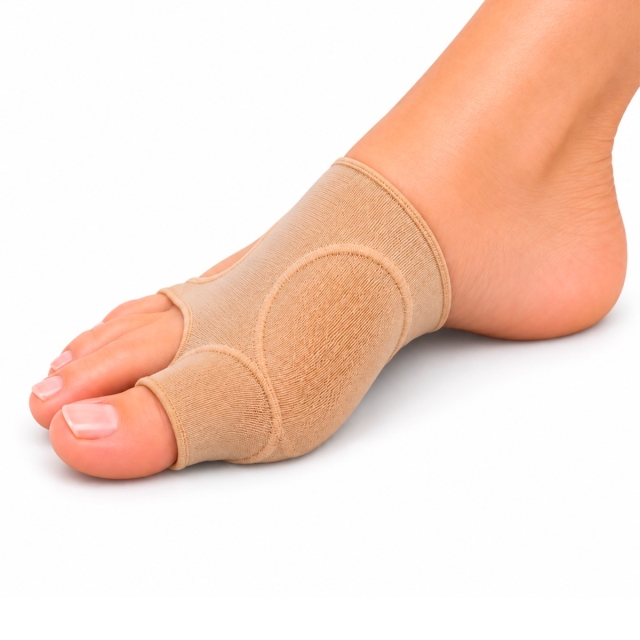
Bunion protector pads are small, soft pads. They help keep the bunion from rubbing against your shoes. Here’s how they help:
- Reduce Friction: The constant rubbing of a bunion against the inside of a shoe can cause painful blisters and calluses. Bunion protection pads provide a soft barrier between the bunion and your shoe - reducing friction and preventing these issues.
- Alleviate Pressure: Bunion pads cushion the bunion. They help spread pressure evenly across the foot. This reduces the pain caused by the bunion being pressed.
- Improved Comfort: Whether you are walking, running, or standing, bunion protection pads can make shoes more comfortable. They help you stay active without constant pain.
Bunion pads are usually made from soft materials like silicone or gel. They fit the shape of your foot for comfort.
 Bunion Splint Treatment Solution |
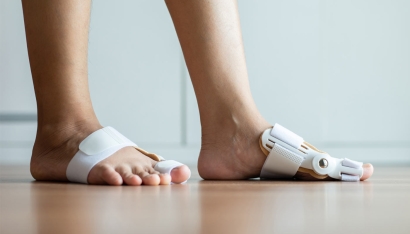
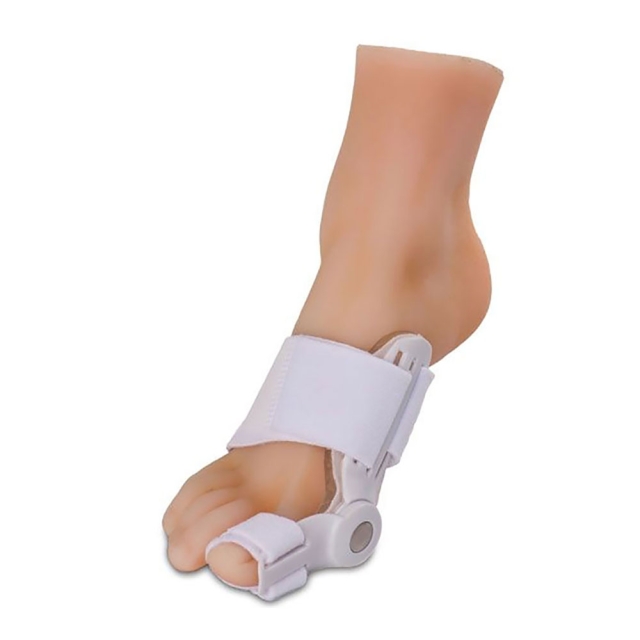
Bunion Corrector - Realignment Splint
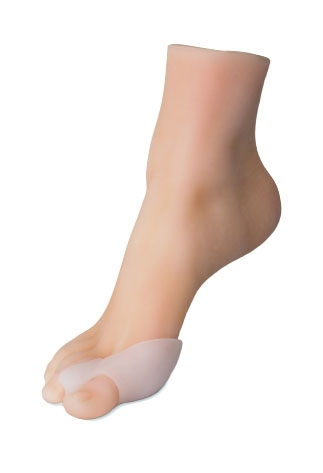
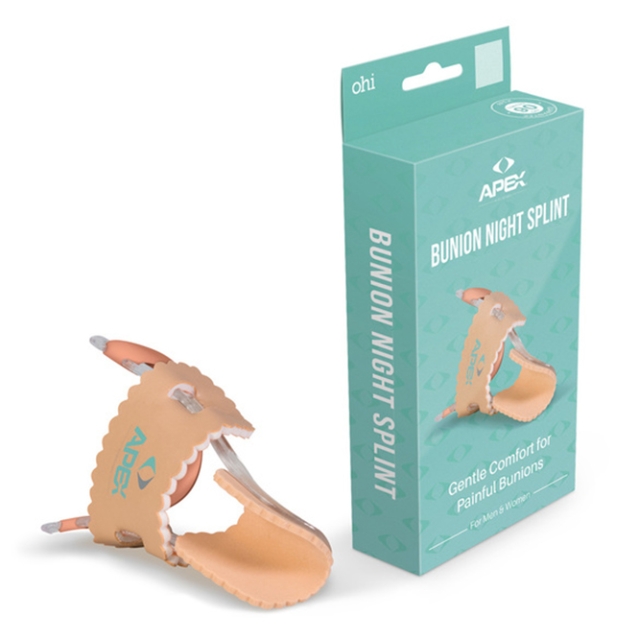
Bunion pads help you feel comfortable during the day. The bunion corrector or splint is meant to be worn at night. It gives gentle pressure to help realign the big toe. Here’s why they’re effective:
- Correcting Toe Alignment: Bunion splints work by gradually pulling the big toe back into a more natural position. This can help slow down the progression of the bunion and reduce the misalignment that causes pain.
- Stretching Tight Muscles: Over time, the muscles and tendons around a bunion can become tight, fuelling the problem. Bunion splints help stretch these tissues improving flexibility and reducing tension on the big toe joint.
- Pain Relief Solution: Splints can help keep the toe aligned. This reduces strain on the bunion and eases pain during and after use.
These correctors are usually worn at night. They let your feet rest from daily activities while still helping to fix alignment. While they might feel a bit awkward at first, many people find that the benefits outweigh any initial discomfort.
Combining Pads and Correctors for Best Results
For the best results, many people use both bunion pads and correctors as part of their daily routine. Bunion pads can keep your feet comfortable in your shoes during the day. At night, splints or correctors can help realign your toe and reduce tension.
Here’s how you might incorporate both into your routine:
- Morning: Apply a bunion pad before putting on your shoes. This will help cushion the bunion and prevent friction throughout the day.
- Evening: After a long day - switch to a bunion corrector splint before bed. This allows your toe to be gently realigned overnight giving your feet a chance to recover.
Using these tools can help manage bunion pain and may even prevent the bunion from getting worse over time.
When to See a Medical Professional
While pads and corrector splints can provide significant relief - it’s important to know when to seek professional advice. If your bunion is causing severe pain and making it hard to move, you should see a podiatrist or a GP.
If you notice swelling, redness, or warmth around the joint, it’s also time to get help. They can check your condition and suggest treatments. These may include custom orthotics, physical therapy, or surgery in serious cases.
Algeos Bunion Treatment Options
Bunions can be a real pain, but with the right tools - you can manage the discomfort and keep living your life. Bunion pads and corrector splints are simple, effective ways to relieve pain and prevent your bunion from getting worse. By using these bunion treatment solutions every day, you can protect your bunion during the day.
At night, you can work on realigning your toe. While these treatments won’t make the bunion disappear, they can certainly help you feel better and keep you moving.
If your symptoms persist - don’t hesitate to reach out to a healthcare professional for more advice.
Bunion Correctors FAQ
What is a bunion?
A bunion is a bony bump that forms at the base of the big toe. It develops when the big toe pushes against the next toe, causing the joint to stick out and become swollen or painful.
How to get rid of bunions without surgery?
While bunions cannot be reversed without surgery, non-surgical options like bunion correctors, orthotic insoles, wide-fitting shoes, and physiotherapy can relieve pain and slow progression.
What does a bunion corrector do?
A bunion corrector helps to realign the big toe, reduce pressure on the joint, and provide cushioning to relieve pain and discomfort caused by the bunion.
Do bunion correctors work?
Bunion correctors can be effective for mild to moderate bunions, especially when used consistently. They may help relieve symptoms and prevent worsening, but they won’t remove the bunion completely.
What causes bunions?
Bunions can be caused by genetics, poorly fitting shoes, flat feet, arthritis, or abnormal foot mechanics. They are more common in women and may worsen over time.
What does a bunion feel like?
A bunion often feels like a painful, swollen lump at the base of the big toe. It may become red, tender to touch, and make walking uncomfortable.
Is bunion surgery worth it?
Bunion surgery can be beneficial for those with severe pain or limited mobility. It’s a personal decision that depends on your symptoms and lifestyle. Always speak with a podiatrist first.
How to ease bunion pain?
You can ease bunion pain by wearing wider shoes, using bunion pads or correctors, icing the area, and taking anti-inflammatory medication. Stretching exercises may also help.
Does the bump on a bunion go away?
The bony bump caused by a bunion won’t disappear without surgery. However, supportive footwear and bunion correctors can help reduce its prominence and discomfort.
Can you pop a bunion?
No, bunions are not blisters or cysts – they’re bone deformities. You cannot pop a bunion, and trying to do so may cause injury. Treatment should focus on support and alignment.
How to reduce bunion swelling?
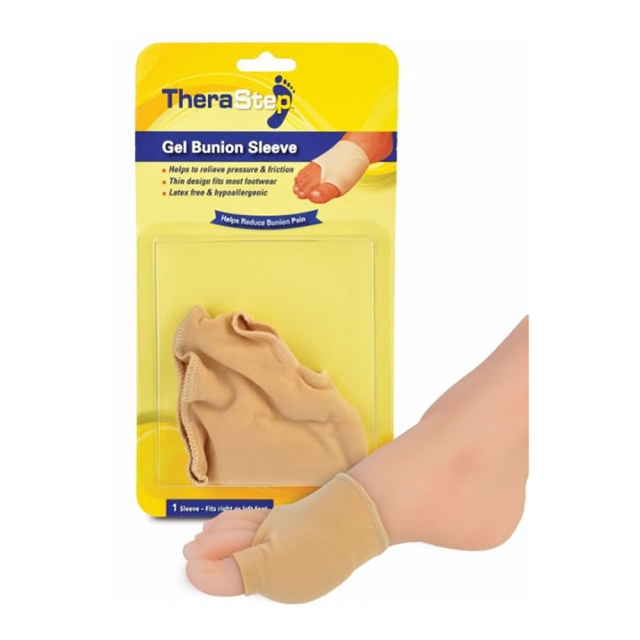
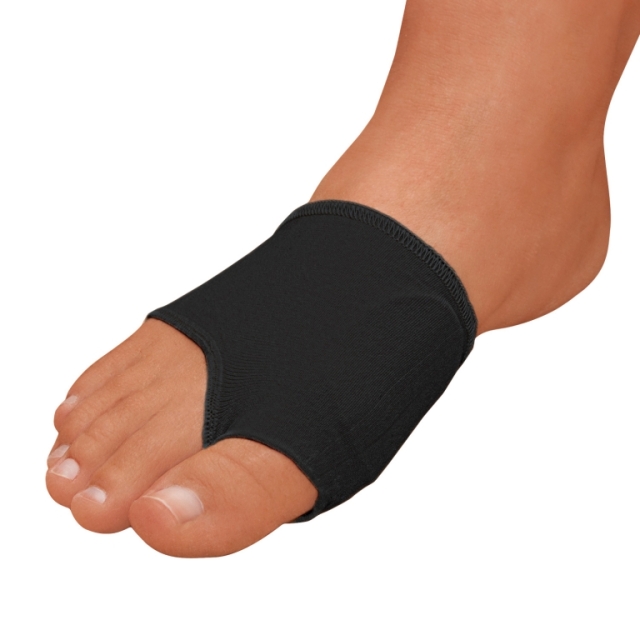
Apply ice packs, rest the foot, wear soft bunion sleeves, and avoid tight shoes. Anti-inflammatory gels or medication may also help reduce swelling.
How to relieve bunion pain naturally?
Natural bunion pain relief includes warm foot soaks, toe stretches, massage, icing, using bunion correctors, and wearing shoes with a wide toe box and arch support.
Why does my bunion hurt more at night?
Bunion pain can worsen at night due to inflammation built up during the day or from sleeping positions that put pressure on the toe. Elevation and ice before bed may help.
Can bunions get worse?
Yes, bunions can gradually worsen over time, especially if left untreated. Continued pressure on the joint can lead to more pain, swelling, and deformity.
Looking for Algeos Podiatry Supplies? Buy Algeos Podiatry Products here →
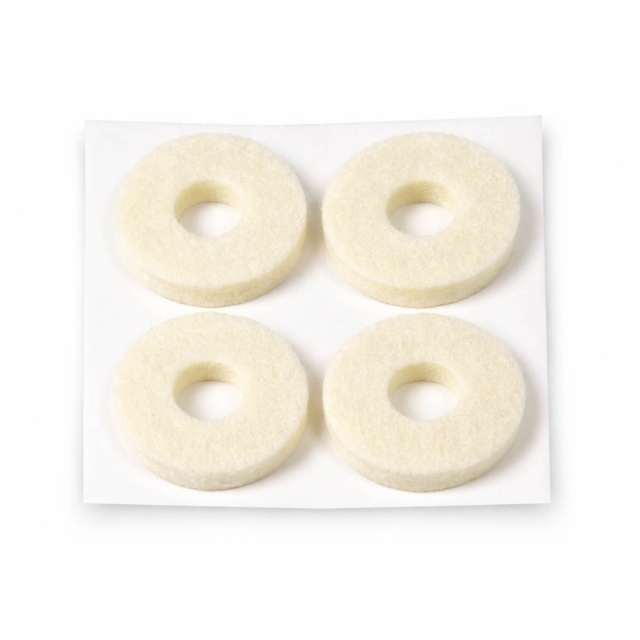
Sold: Pack of 36
Incl. VAT Exl. VAT