




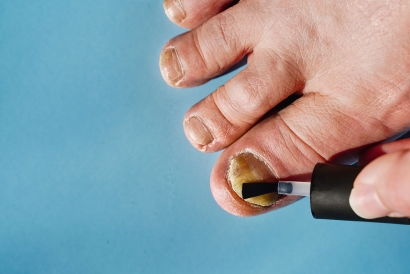
Nail fungus, also called onychomycosis, is common and often slow to resolve. While it can be mild for some people, it is not always 'just cosmetic' and it can meaningfully affect comfort, mobility and wellbeing.
What is nail fungus?
Definition: Onychomycosis is a fungal infection of the fingernail or toenail. It often causes discolouration, thickening, brittleness and lifting of the nail from the nail bed. It is frequently linked with athlete’s foot, where the same organisms can spread from skin to nail. British Association of Dermatologists (BAD)
Why it can be a genuine health issue
Onychomycosis can be underestimated because it develops gradually and may not be painful at first. Over time however the nail can become thick, distorted and difficult to cut, which can lead to pressure in footwear and pain when walking. NICE notes potential knock-on effects including difficulties with exercise and shoe fit, alongside psychological distress. NICE CKS
Physical impact
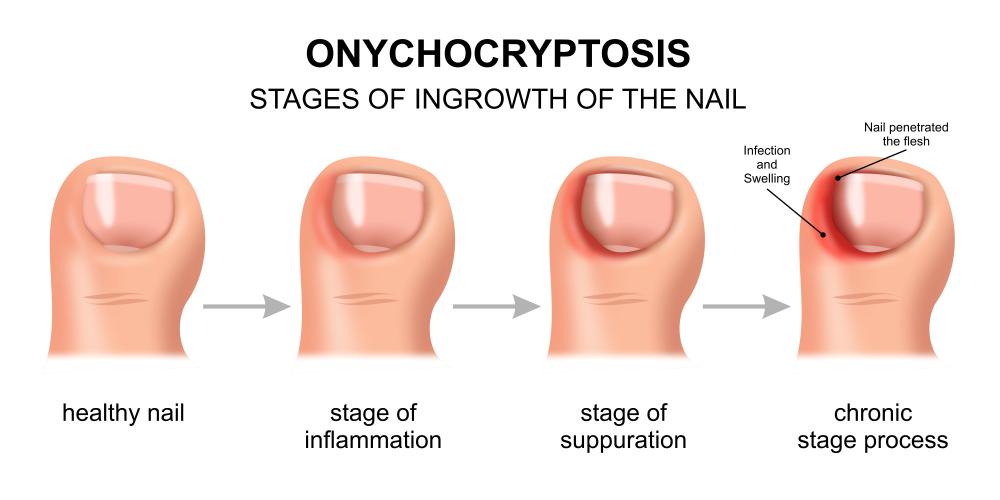
- Pain and tenderness from thickened nails, pressure in shoes and ingrowing edges.
- Reduced mobility where discomfort affects walking, activity levels and day-to-day function.
- Skin breakdown risk if thick nails cause friction or if there is co-existing athlete’s foot.
Psychosocial impact
- Self-consciousness about nail appearance which can lead to avoidance of open footwear or swimming.
- Stress and frustration because progress is slow and recurrence is common.
Higher stakes groups
In people with diabetes, peripheral vascular disease or immunosuppression, nail problems can become more clinically significant. Reduced sensation and poorer circulation can increase the likelihood that pressure points, small wounds or secondary infection go unnoticed or heal slowly. For these patients, earlier assessment and clearer safety-netting are sensible. NICE CKS (topic)
Why treatment is often difficult
Treating onychomycosis is rarely a quick fix. The organism sits under or within a slow-growing nail plate, which limits drug penetration and means visible improvement takes time. Algeos also highlights the practical reality that toenails can take many months to grow out even once the fungus is controlled. Algeos research review
- Recurrence is common. Even after apparent clearance, reinfection can occur, especially if athlete’s foot is untreated or footwear remains contaminated.
- Topicals struggle to reach the target. Nail plate thickness and density can reduce penetration, so results can be modest in more established disease.
- Oral antifungals are effective but not for everyone. They can interact with other medicines and may require clinical oversight and monitoring in selected patients.
- Adherence is hard. Daily application for months, slow visible change and ongoing nail care demands can reduce follow-through.
- Diagnosis can be missed. Not every thickened or discoloured nail is fungal. Psoriasis, trauma and eczema can mimic infection, so confirmation testing is often helpful before committing to systemic therapy.
Practical clinic tip: avoid using an electric nail drill for home filing because aerosolised nail dust can disperse spores. Manual reduction is generally advised in patient leaflets. Somerset NHS leaflet (PDF)
Common treatment routes at a glance
| Option | Best for | Limitations | Key notes |
|---|---|---|---|
| Topical antifungals (lacquers, solutions) | Mild to moderate disease, superficial involvement, patients avoiding oral therapy | Lower cure rates in thick or extensive disease, long courses | Nail thinning and regular preparation can improve access |
| Oral antifungals (prescription) | More extensive infection, multiple nails, significant nail matrix involvement | Drug interactions, contraindications, monitoring in selected patients | Consider confirmation testing before treatment initiation |
| Combination therapy | Selected patients where monotherapy response is limited | More complex regimen, adherence challenges | May improve outcomes in some cases though evidence varies |
| Adjuncts (nail reduction, hygiene, footwear measures) | Nearly everyone, especially thick nails and recurrence-prone cases | Requires ongoing routine and education | Treat co-existing athlete’s foot and reduce reinfection risk |
For an overview of causes, diagnosis and treatment options, see: DermNet and BAD patient leaflet.
Step-by-step: a practical management approach
1) Confirm it is likely fungal
- Assess pattern (distal/lateral changes, subungual debris, crumbling, thickening).
- Check for athlete’s foot and treat if present.
- Consider mycology (clippings or scrapings) if oral therapy is being considered or diagnosis is uncertain. NICE CKS
2) Stratify severity and risk
- How many nails, how thick, any nail matrix involvement?
- Is there pain, reduced mobility or repeated skin breakdown?
- Higher risk: diabetes, vascular disease, immunosuppression, recurrent cellulitis.
3) Choose a treatment route that matches the person
- Milder disease: topical therapy plus nail care and prevention.
- More extensive disease: discuss prescription options and monitoring needs.
- Set expectations: improvement is slow because nails grow slowly, especially toenails.
4) Support adherence with simple routines
- Regular, gentle nail reduction (manual filing as appropriate).
- Keep feet dry, change socks daily and rotate shoes to allow drying.
- Do not share nail tools and clean clippers and files after use.
5) Prevent relapse
- Treat athlete’s foot promptly.
- Consider ongoing topical maintenance if recurrence is frequent.
- Advise on communal changing areas and footwear hygiene.
What people commonly report
In clinics and patient information resources, people often describe a similar pattern: they try over-the-counter options, see limited early change then stop, or they treat the nail but miss athlete’s foot and reinfection follows. Many also mention embarrassment and avoiding activities where feet are visible, which aligns with documented quality-of-life impacts. NICE CKS (complications)
FAQ
Is fungal nail infection actually dangerous?
For many people it is not medically dangerous but it can still cause pain and functional issues and it can take a long time to treat. In higher risk groups such as people with diabetes or impaired circulation, it can be more clinically significant and warrants earlier assessment. NICE CKS
How can I tell if my nail changes are fungal?
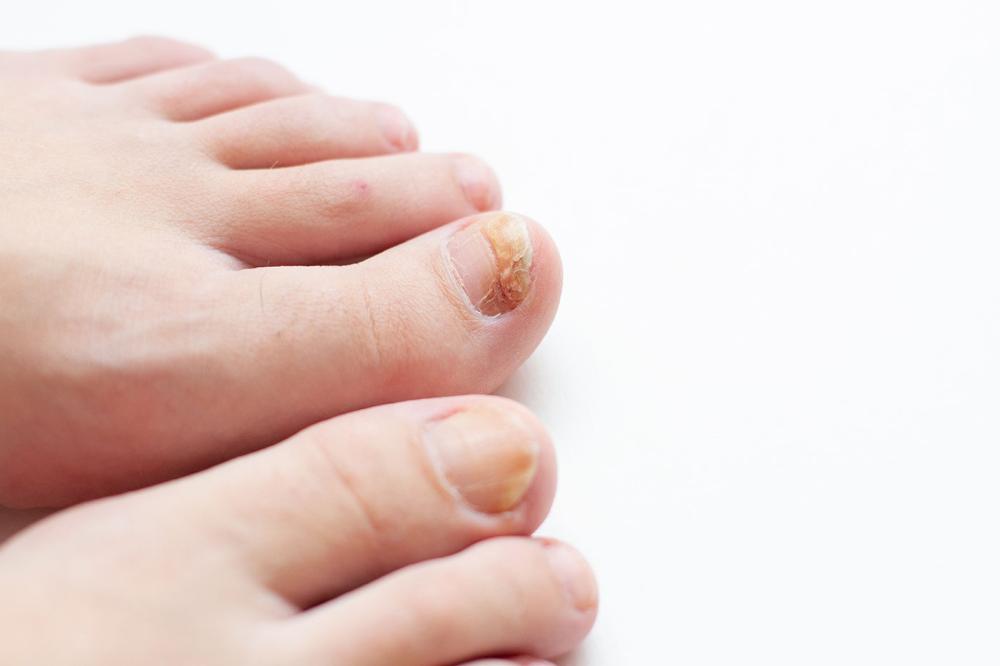
Typical signs include yellow or white discolouration, thickening, crumbling edges and debris under the nail. However other conditions can look similar, so testing is often considered when treatment decisions matter. DermNet
Why do topical treatments take so long?
Medication needs to reach fungus under or within the nail plate and toenails grow slowly. Even after the organism is controlled, the damaged nail must grow out, which can take months. Algeos research review
Should everyone take oral antifungals?
Not necessarily. Oral therapy can be appropriate for more extensive disease but suitability depends on individual factors including other medicines and health conditions. Discuss options with a clinician and consider confirmation testing first. NICE CKS
What can I do to reduce recurrence?
Treat athlete’s foot, keep feet dry, rotate shoes, avoid sharing nail tools and maintain nail care. These measures reduce reinfection pressure while treatment is underway and afterwards. BAD
When should I seek professional advice quickly?
Seek assessment if you have diabetes, poor circulation, immunosuppression, significant pain, rapidly worsening nail changes or signs of skin infection around the toe. If you are unsure, a podiatrist, pharmacist or GP can help guide safe next steps. NICE CKS
References and research sources
- British Association of Dermatologists - Fungal nail infections (patient leaflet) https://www.bad.org.uk/pils/fungal-nail-infections
- NICE CKS - Fungal nail infection (topic) https://cks.nice.org.uk/topics/fungal-nail-infection/
- NICE CKS - Complications (background information) https://cks.nice.org.uk/topics/fungal-nail-infection/background-information/complications/
- DermNet - Fungal nail infections (overview) https://dermnetnz.org/topics/fungal-nail-infections
- Somerset NHS leaflet (PDF) - Fungal nail infection advice https://www.somersetft.nhs.uk/.../Fungal-nail-infection-FINAL-v2-140622.pdf
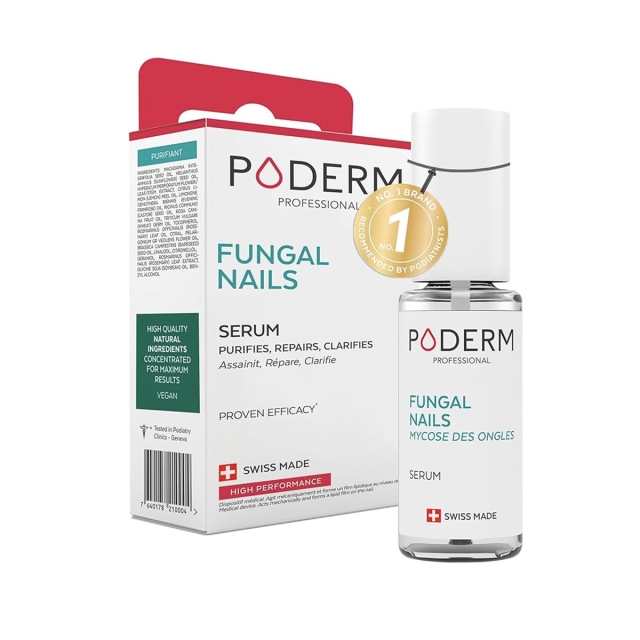

Sold: 8ml
Incl. VAT Exl. VAT