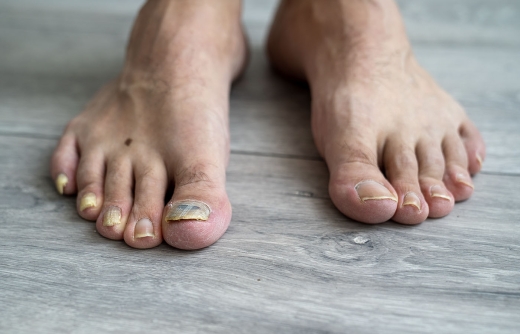
Fungal nail infections are incredibly common - but that doesn’t make them any less frustrating. Whether you're dealing with discoloured, thickened toenails or simply looking to prevent infection, this page brings together expert advice, practical tips, and trusted product guidance to help you better understand and manage fungal nail conditions. From treatment options to prevention strategies, explore our collection of articles written to support both professionals and individuals looking for clear, no-nonsense information.
Featured news
Algeos expands pressure-care portfolio through new Caversham partnership
Algeos has expanded its pressure-care portfolio through a new distribution partnership with Caversham®, making four specialist Class I medical devices available to healthcare professionals and care providers across the UK.
Fungal toenail infections, also known as onychomycosis, affect millions of people in the UK. They are caused by fungi that grow well in warm, damp places, like inside shoes or public changing rooms.
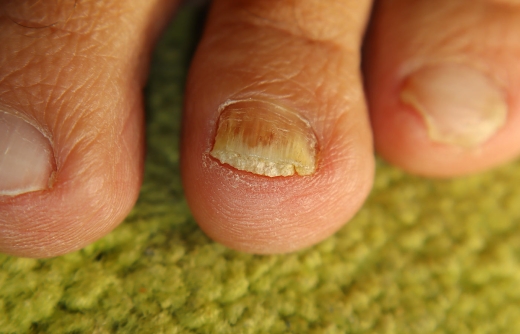
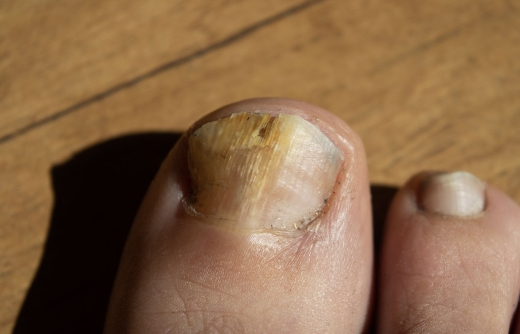
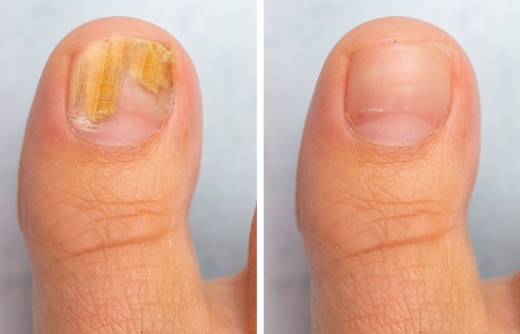
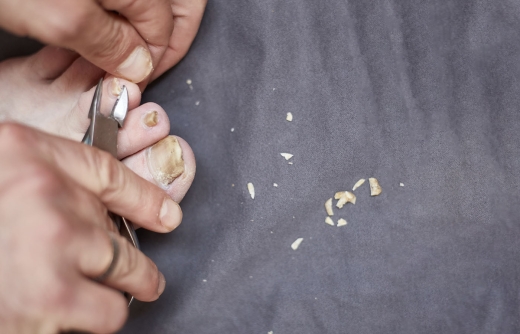
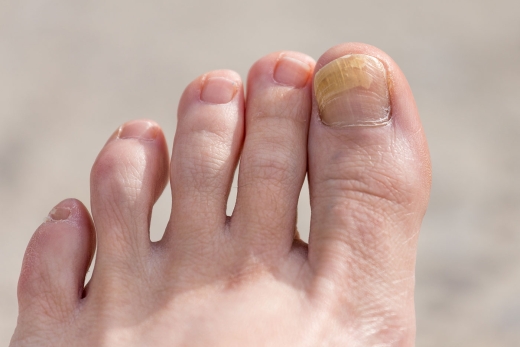
Symptoms often include thickened, discoloured, brittle or crumbling nails - which can worsen over time if left untreated.
Fungal nail infections, or onychomycosis, are common but stubborn conditions that affect toenails and fingernails. They cause nails to become discoloured, thick, and brittle. Left untreated, the infection can spread and become harder to manage.
Nail fungus, also called onychomycosis, is common and often slow to resolve. While it can be mild for some people, it is not always 'just cosmetic' and it can meaningfully affect comfort, mobility and wellbeing.
Onychomycosis or fungal nail infection, is a common and tough infection. It affects many people around the world. It is estimated to occur in around 5% of people worldwide (with higher rates in older adults, up to 20–25%) .
Toenails are affected more often than fingernails. Onychomycosis makes up about 30% of all fungal infections in the skin, hair, and nails. Beyond cosmetic concerns, fungal nail infections can cause pain, discomfort, and nail disfigurement, impacting patients’ quality of life.
Fungal toenail infections - also known as onychomycosis - are more common than you might think. They affect people of all ages but especially thrive in warm, moist environments like sweaty socks, communal showers and tight shoes.
If your nails have become thickened, yellow, brittle or crumbly, chances are you’re dealing with a fungal infection. Left untreated, it can worsen, spread to other nails, and even lead to pain or discomfort when walking.
Nail infections can be both painful and unsightly, affecting your daily life and self-esteem. Preventing them is essential for maintaining healthy nails. Whether you're dealing with fungal nail infections or bacterial ones, taking proactive steps is key. In this article, we'll explore ten effective ways to prevent another nail infection.
Fungal nail infections - also known as onychomycosis - are common conditions that affect the toenails and fingernails. They occur when fungal organisms, such as dermatophytes, yeasts or moulds, invade the nail bed, causing thick, discoloured, brittle nails. Left untreated, a fungal nail infection can spread and lead to pain, discomfort and nail deformity.
Fungal nail infections, also known as onychomycosis, are a common condition that can affect anyone. They occur when fungi invade the nail, causing thickening, discolouration, and brittleness. But what causes these infections, and why do some people seem more prone to them than others?
When it comes to nail health, distinguishing between the various conditions that affect nails can be a daunting task. Two prevalent issues are nail psoriasis and fungal infections. Although these conditions might seem similar at first glance, they stem from different causes, exhibit varied symptoms and require distinct treatment approaches. Understanding these differences is essential for effective management and treatment.
Fungal nail infections, medically known as onychomycosis, are common conditions that affect both toenails and fingernails. They cause nails to become discoloured, thickened, brittle, and, in some cases, painful. If left untreated, they can spread and lead to further complications.