Algeos expands pressure-care portfolio through new Caversham partnership
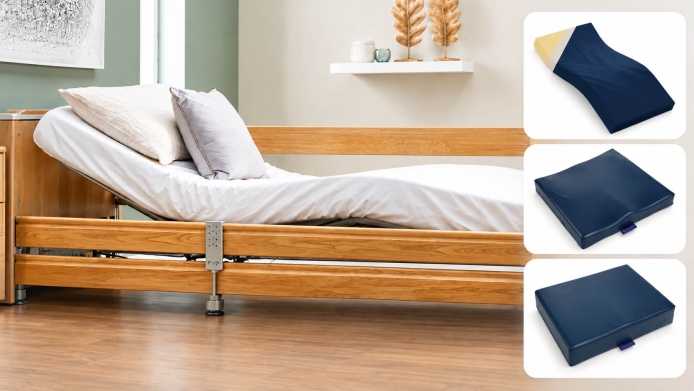
Algeos has expanded its pressure-care portfolio through a new distribution partnership with Caversham®, making four specialist Class I medical devices available to healthcare professionals and care providers across the UK.
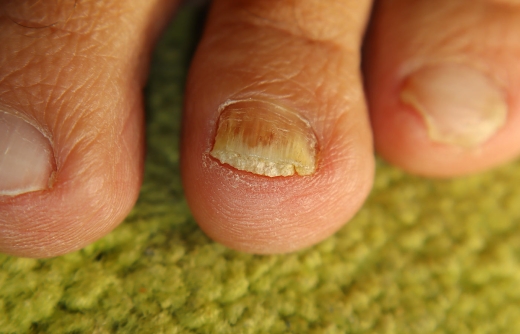
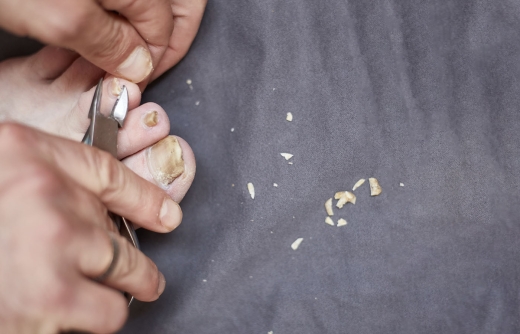
Fungal toenail infections, also known as onychomycosis, affect millions of people in the UK. They are caused by fungi that grow well in warm, damp places, like inside shoes or public changing rooms.
Symptoms often include thickened, discoloured, brittle or crumbling nails - which can worsen over time if left untreated.
Private podiatrists juggle clinical demands with the realities of running an efficient practice. Managing consumables and equipment costs is one of the easiest ways to preserve profit margins without compromising care.
Nail fungus, also called onychomycosis, is common and often slow to resolve. While it can be mild for some people, it is not always 'just cosmetic' and it can meaningfully affect comfort, mobility and wellbeing.
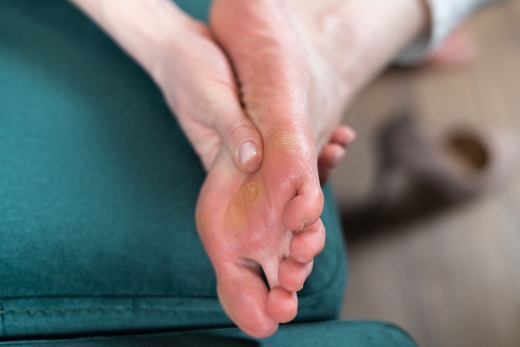
Corns and calluses are common foot conditions that result from repeated pressure, friction, and mechanical stress. While they share similarities, their management varies depending on severity, location, and underlying causes. Effective treatment involves a combination of conservative care, orthotic support, and, in some cases, surgical intervention.
A practical, evidence-informed guide for podiatrists comparing instrument categories, steel grades, ergonomics, sterilisation compatibility, clinical performance, cost-of-ownership, and maintenance - plus a quick decision matrix and FAQ.
Foot pain can creep up quietly but leave you limping through your day. Whether it’s stubborn heel pain, bunions, ingrown toenails or diabetic foot care, finding a qualified podiatrist near you is the first step toward relief. But with so many options online, where do you even begin?
Looking for the best podiatry drill for clinical work? This practical UK guide explains the differences between dust-extraction (dry) and spray (wet) drills, the features that actually matter in day-to-day podiatry, UK health & safety points (COSHH, RPE, infection control), and a side-by-side comparison of popular models.
Dust extraction vs. spray: what’s the difference?
Dust-extraction (dry) drills
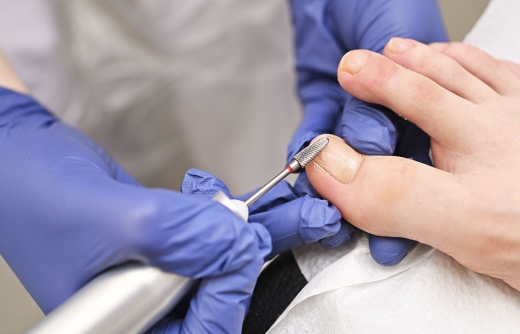
These use an integrated suction turbine to capture nail and skin dust through the handpiece into a filter bag. The workspace stays dry and tidy and bags/filters are replaced periodically. Great for high-volume nail debridement and fungal cases where you want debris removed immediately.
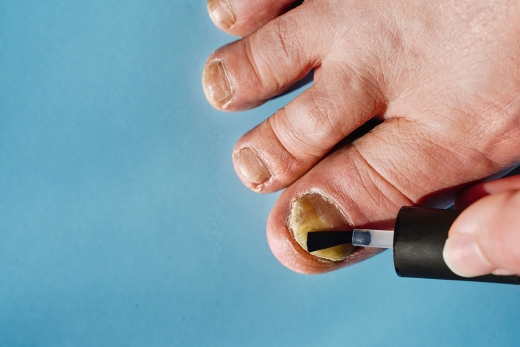
Fungal nail infections - also known as onychomycosis - are common conditions that affect the toenails and fingernails. They occur when fungal organisms, such as dermatophytes, yeasts or moulds, invade the nail bed, causing thick, discoloured, brittle nails. Left untreated, a fungal nail infection can spread and lead to pain, discomfort and nail deformity.
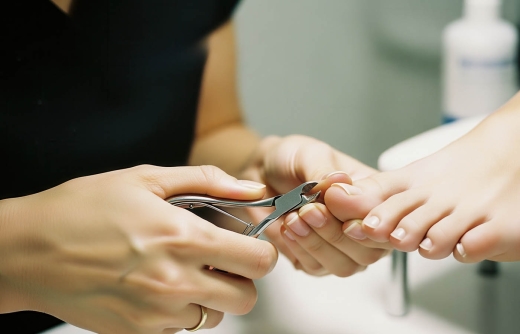
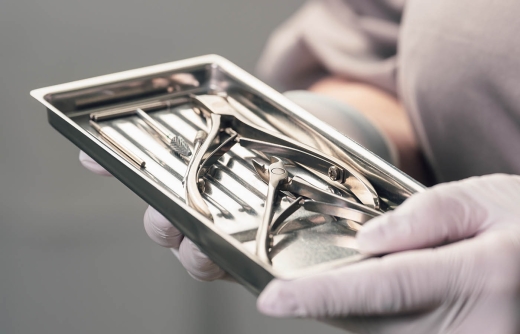
Selecting the right podiatry instruments is essential for providing high-quality patient care, ensuring efficiency, and maintaining hygiene standards in a podiatry practice. The right tools not only improve clinical outcomes but also enhance practitioner comfort and durability, leading to long-term cost savings.
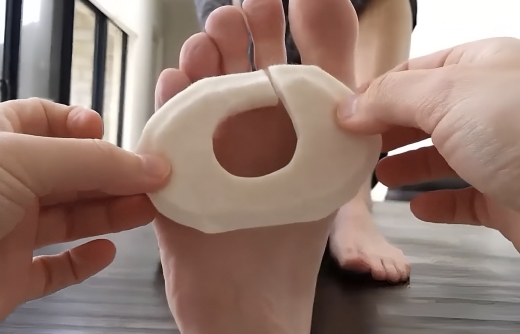
Podiatry felt, also known as chiropody felt, is a versatile tool widely used in foot care to alleviate discomfort from conditions such as corns, calluses, blisters, and ulcers. Its primary function is to redistribute pressure away from sensitive areas, providing immediate relief and promoting healing.
Podiatry, the branch of medicine devoted to the diagnosis, treatment, and prevention of disorders of the feet, has an interesting and varied history. From its origins in ancient civilisations to its modern-day practice, the field has undergone significant evolution, not just in name but in the scope of treatments and the level of medical training involved. The distinction between podiatry and chiropody has often caused confusion, but understanding their historical development helps clarify their differences.