





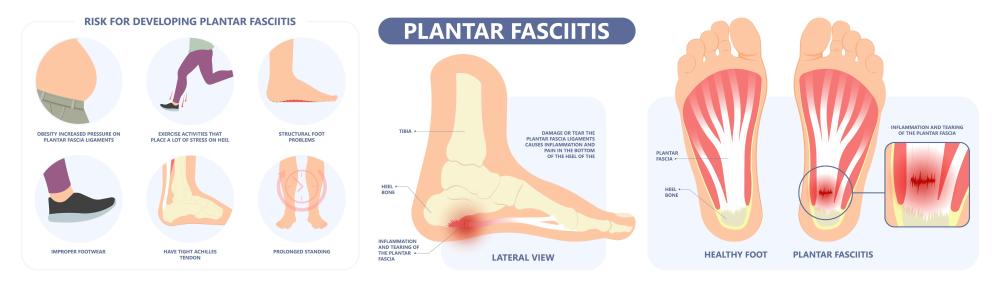
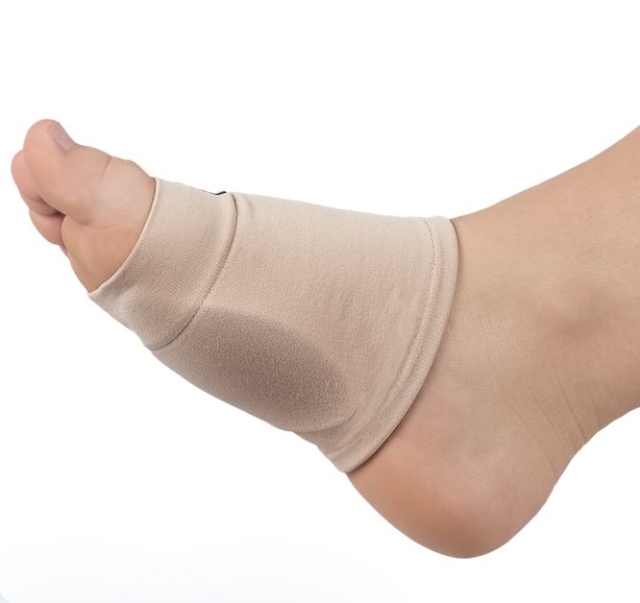
One of the most common causes of pain in the arch of the foot is plantar fasciitis. This condition occurs when the plantar fascia – the strong band of tissue that runs along the sole of your foot – becomes irritated or inflamed. It connects your heel bone to your toes and plays a vital role in supporting your foot’s natural arch.
What Causes Plantar Fasciitis?
Plantar fasciitis is often triggered by excessive strain on the arch, particularly in people who have flat feet or who overpronate (where the foot rolls inwards too much while walking).
Over time, this extra stress leads to small tears in the fascia, resulting in heel or arch pain – particularly first thing in the morning or after periods of rest.
Common Symptoms
- Sharp or stabbing pain in the heel or arch
- Pain that’s worse in the morning or after long periods of sitting
- Tenderness along the bottom of the foot
Prevention and Treatment Options
Managing plantar fasciitis involves a combination of supportive footwear, targeted insoles and gentle therapies. Here’s what helps:
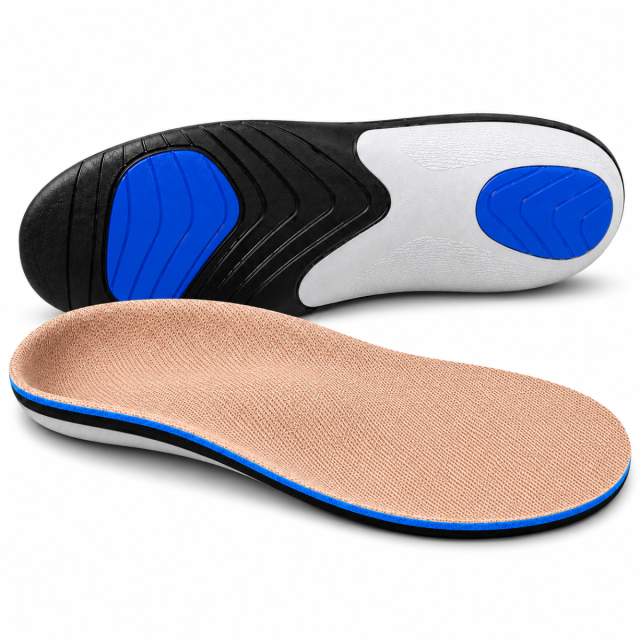
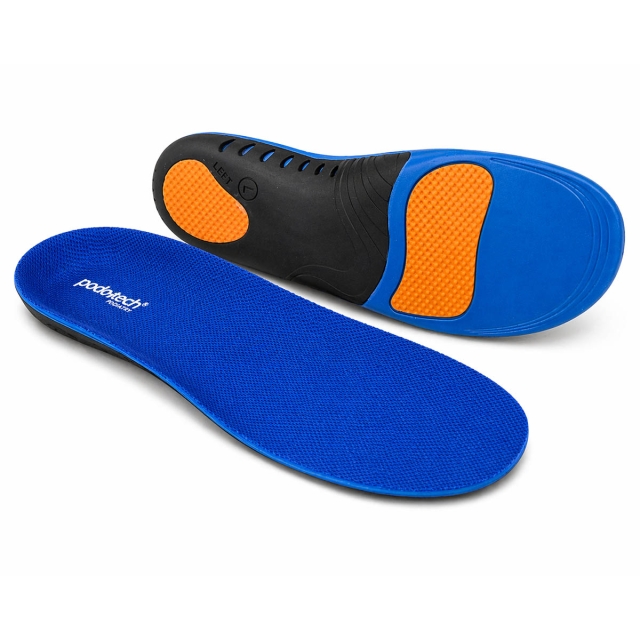
1. Orthotic Insoles
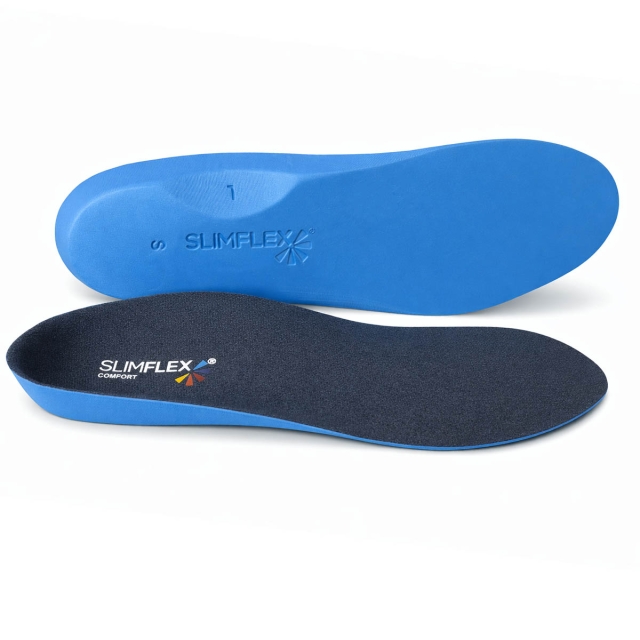
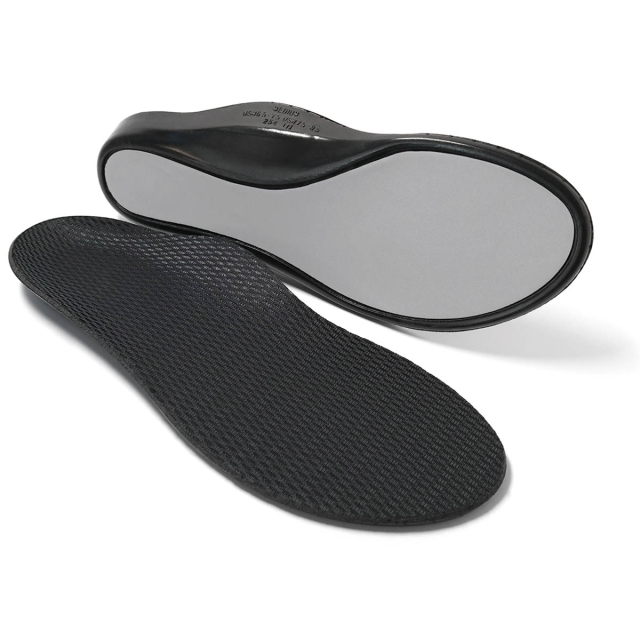
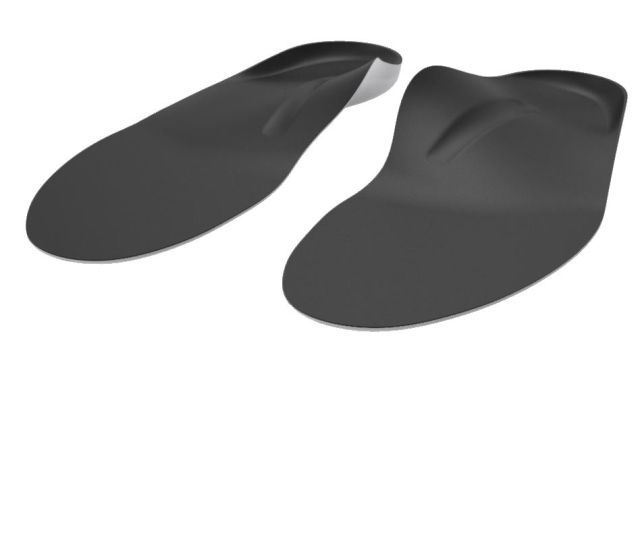
If your arch pain is caused by overpronation, then a corrective orthotic insole can make a significant difference. Look for insoles that offer:
- Firm arch support to relieve pressure on the fascia
- Medial heel posting to improve foot alignment
These can be custom-made or off-the-shelf, depending on the severity of the issue. Even basic arch supports can offer relief when used correctly.
2. Supportive Footwear
Wearing well-fitted shoes is crucial. Choose styles that:
- Are made from quality materials such as leather
- Have a low, stable heel
- Include removable insoles to accommodate orthotics
- Offer plenty of room around the toes and midfoot
Avoid completely flat shoes, flip flops or unsupported trainers – they tend to worsen the strain on the plantar fascia.
3. Ice and Anti-Inflammatory Relief
For short-term comfort, apply ice packs to the sore area for 10–15 minutes at a time, several times a day. Over-the-counter anti-inflammatory gels may also reduce swelling and discomfort.
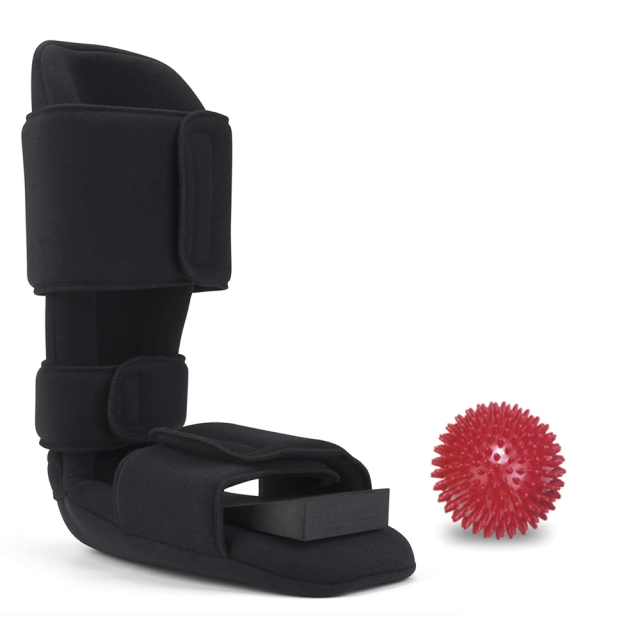
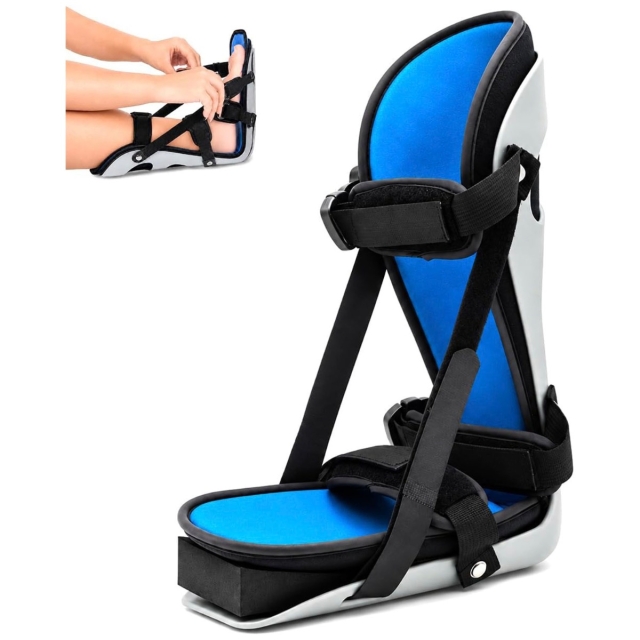
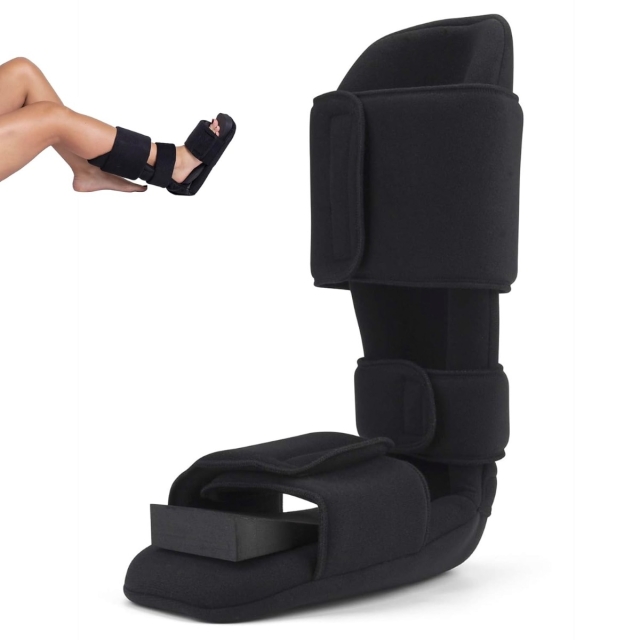
4. Night Splints
Night splints gently stretch the plantar fascia and Achilles tendon while you sleep. This can help reduce the morning pain many people experience with plantar fasciitis.
When to See a Professional
If symptoms persist for more than a few weeks despite these measures, it’s worth seeing a podiatrist or physiotherapist. They can assess your gait, recommend suitable insoles, and provide stretching or strengthening exercises tailored to your needs.
In Summary
Plantar fasciitis is the leading cause of arch pain, especially in those with flat feet or who overpronate. With the right support – from orthotic insoles and supportive footwear to ice therapy and night splints – most people find relief and are able to return to pain-free activity.
Always act early – the sooner you address arch pain, the quicker it can be resolved.



Sold: Sold per Pair
Incl. VAT Exl. VAT