



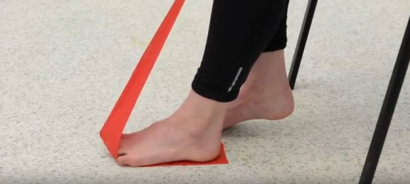
Strengthening the Intrinsic Foot Muscles
This exercise is designed to strengthen the small muscles in the foot, helping alleviate symptoms of plantar fasciitis. Regularly incorporating this into your routine can improve foot strength and flexibility.
The video below illustrates the exercise perfectly from NHS Ayrshire & Arran.
Exercise Steps
- Get into Position: Sit comfortably in a chair with your back straight and your legs bent at a 90-degree angle. Place the affected foot flat on the ground.
- Set Up the Resistance Band: Place a resistance band under the ball of your foot.
- Tension the Band: Pull the end of the band over your knee towards your body, lifting your toes upward into a flexed position. Make sure there is enough tension in the band to provide resistance but not too much to cause discomfort.
- Anchor the Band: Secure the band by holding it firmly against your thigh, ensuring the tension remains constant throughout the exercise.
- Toe Press: Slowly press your toes down towards the ground, working against the resistance of the band. Keep your heel firmly in contact with the floor throughout the movement.
- Controlled Return: Once your toes reach the ground, slowly release and allow them to return to the starting position, maintaining control and resistance.
- Repetitions: Perform 3 sets of 20 repetitions, adjusting the tension as needed to suit your strength level.
Frequency
- Perform this exercise 2 to 3 times per week to build strength and reduce symptoms of plantar fasciitis.
Tips
- Maintain proper posture by keeping your back straight and core engaged.
- Focus on controlled movements, particularly when returning to the starting position.
- Keep your heel grounded throughout the exercise to maximise its effectiveness.
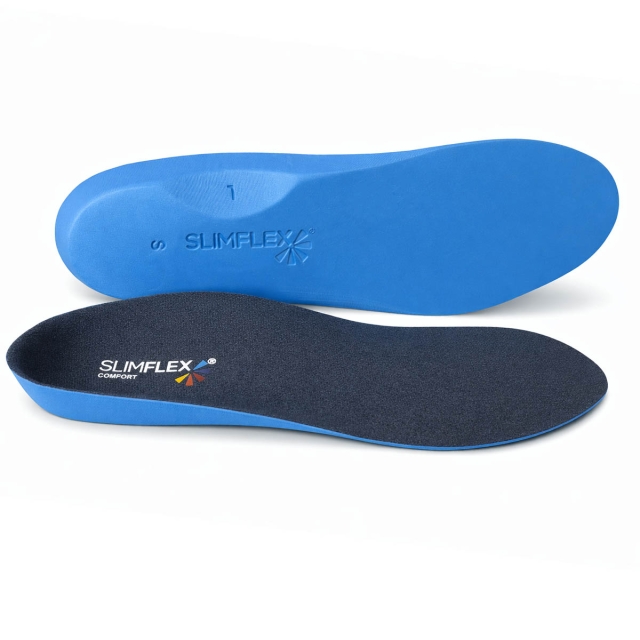
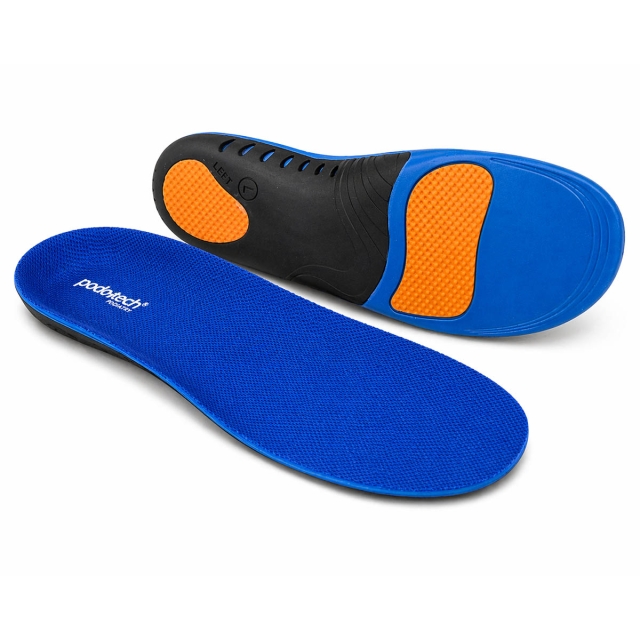
Incorporating this exercise into your routine regularly can support foot strength and help in the management and prevention of plantar fasciitis symptoms. As well exercise band, we stock over 100 products proven to help combat Plantar Fasciitis.
How do intrinsic foot exercises fit into modern plantar fasciitis rehab?
Recent clinical guidance increasingly frames plantar fasciitis (often described as plantar fasciopathy) as a condition that responds best to a progressive loading plan rather than a single “quick fix”. Strengthening the intrinsic foot muscles can support arch control and load tolerance, especially when combined with calf/Achilles strengthening, appropriate activity modification, and short-term symptom relief strategies.
- Why it helps: stronger “foot core” muscles can improve how the arch manages load, which may reduce strain on the plantar fascia during standing, walking and sport.
- How to use it in practice: keep this intrinsic strengthening as a consistent 'anchor' exercise 2–3x weekly, and pair it with a broader programme (for example, calf raises, gradual return to impact, and footwear/orthotic support where indicated).
- When extra support is useful: if pain is limiting daily walking or work, short-term support (like taping or heel cushioning) can help people stay active while they build strength.
Useful add-ons that clinicians and patients commonly combine with strengthening:
- Plantar fasciitis taping options (support during longer days on your feet)
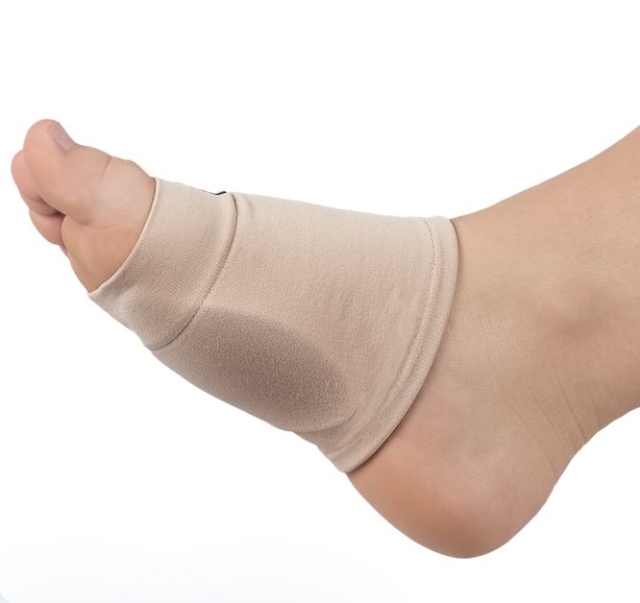
- Gel heel cups (shock absorption and pressure distribution)
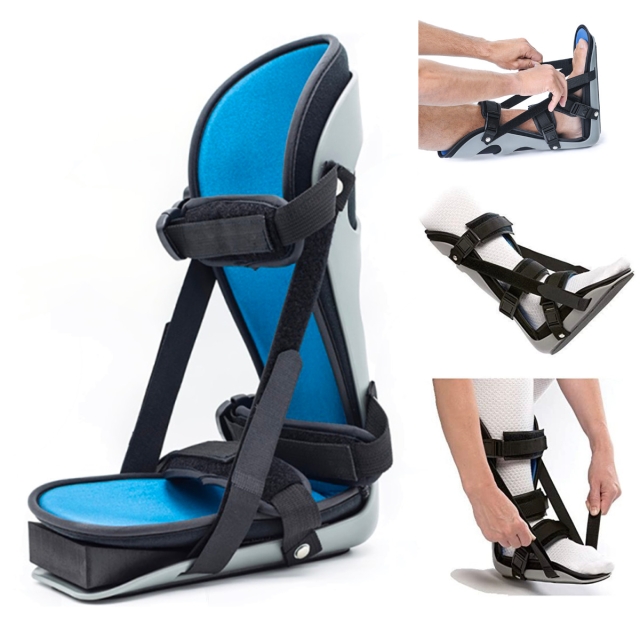
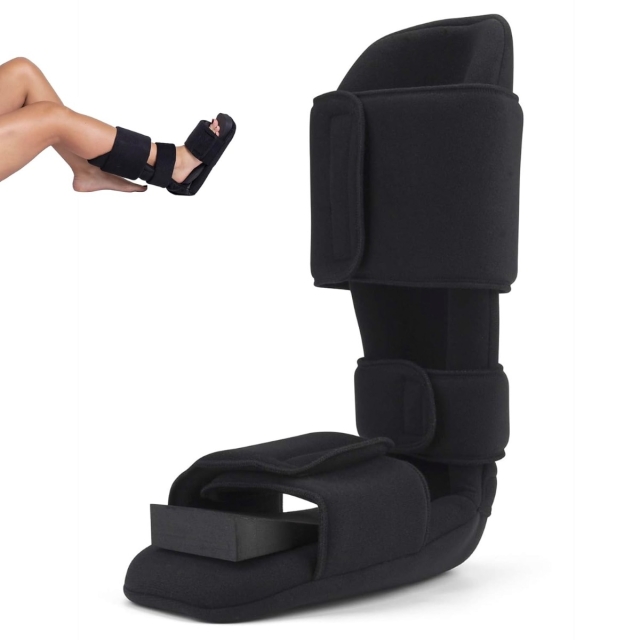
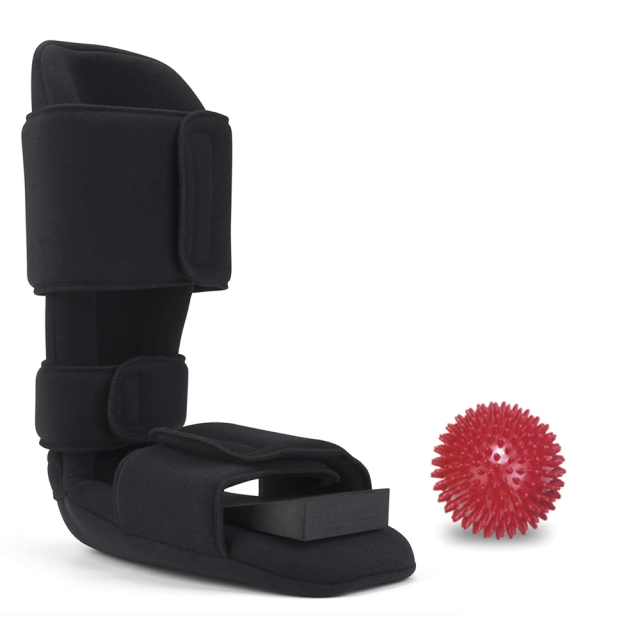
- Night splints (often used when morning “first-step” pain is a major feature)
- Sports and physiotherapy tapes (broader taping support range)
Common questions in 2026: Am I doing the band exercise correctly and when should I progress?
With resistance-band intrinsic work, the goal is controlled toe movement without compensations. If the exercise feels “easy”, progression is usually safer than simply pushing into pain.
Technique checkpoints
- Aim for steady pressure, not speed: slow down the press and the return phase (control matters as much as strength).
- Keep the heel heavy: if the heel lifts, you’re often shifting load away from the intended structures.
- Avoid gripping with the whole leg: if you notice lots of thigh/hip tension, reduce band tension and rebuild control.
Simple progression ideas
- Increase time-under-tension: add a 2–3 second pause with toes down before returning.
- Adjust the band: move to a slightly stronger band or shorten the band length to increase resistance gradually.
- Progress to functional positions: once comfortable seated, some people progress to doing similar controlled work in supported standing (under professional guidance if symptoms are persistent).
When to ease off (or seek advice)
- Pain rules: mild discomfort during rehab can happen, but sharp pain, worsening morning pain over days, or pain that lingers significantly after exercise is a sign to reduce load.
- Check for red flags: unexplained swelling, numbness/tingling, significant bruising, or pain after a sudden “pop” should be assessed by a qualified clinician.
Article Revised 1st February 2026
Home Exercise Equipment on Algeos.com
Home Exercise Equipment
Products for at home workouts and rehab.
Foam Rollers
Foam rollers are essential for enhancing physical health.
Wrist and Ankle Weights
Wearable fitness accessories designed to add resistance to your workouts.
EVA Gym Mats
Mats are essential exercise tools providing a comfortable and supportive surface.
Resistance Band
Essential tools for boosting strength, flexibility and mobility.
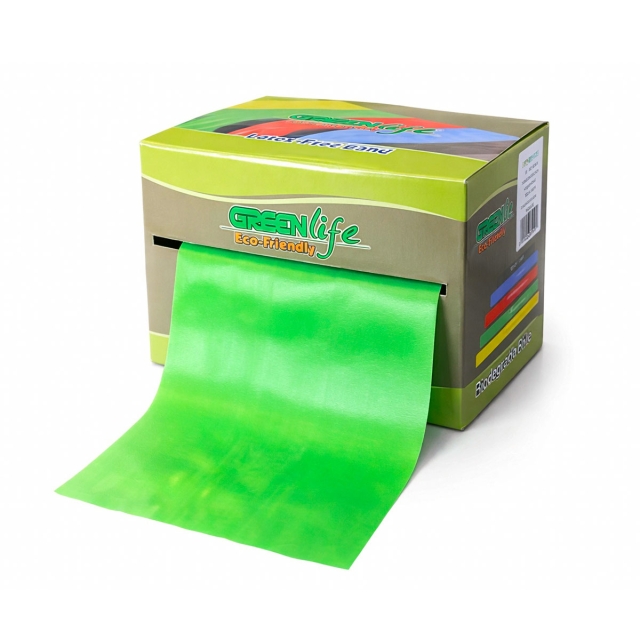
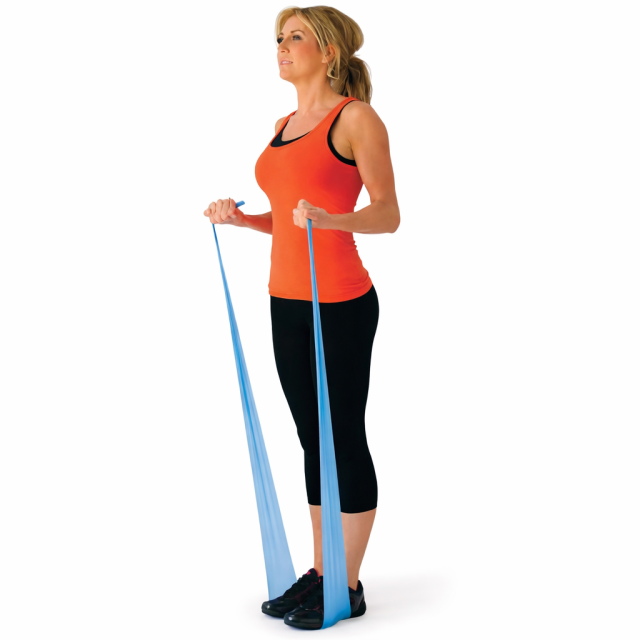
Sold: Roll
Incl. VAT Exl. VAT