About: Resistance Bands
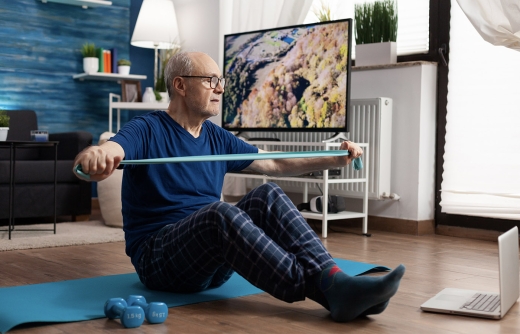
Resistance bands are simple, stretchy exercise tools designed to create resistance when you pull, press, or move against them. They’re usually made from latex or latex-free synthetic materials and come in a range of shapes, lengths and resistance levels.
Despite their minimalist look, they’re one of the most versatile training aids you can own - equally at home in a clinic, gym, office drawer or travel bag.
At their core, resistance bands provide variable resistance. That means the further you stretch them, the harder they fight back. This makes exercises smoother and more controllable than traditional free-weights, while still delivering an effective strength, mobility and rehabilitation workout.
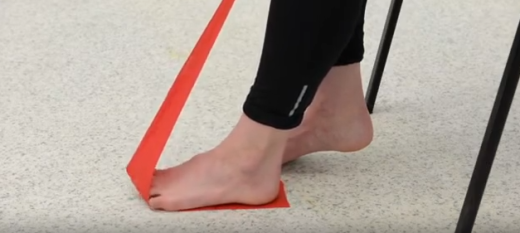
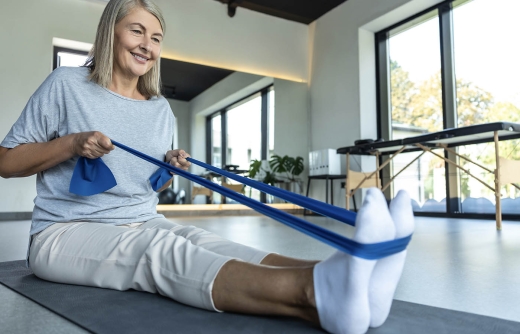
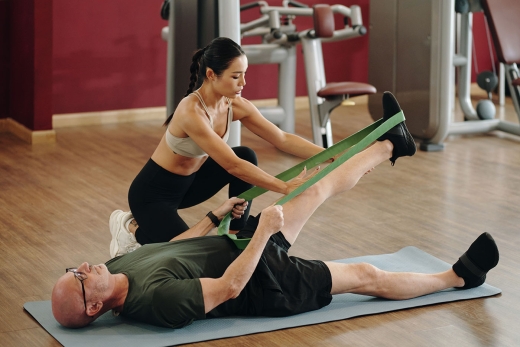
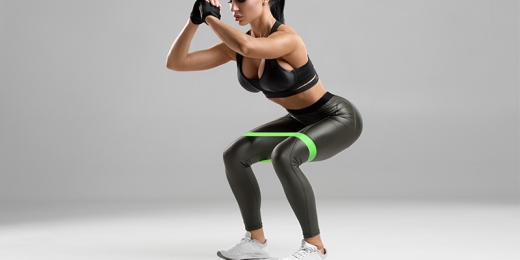
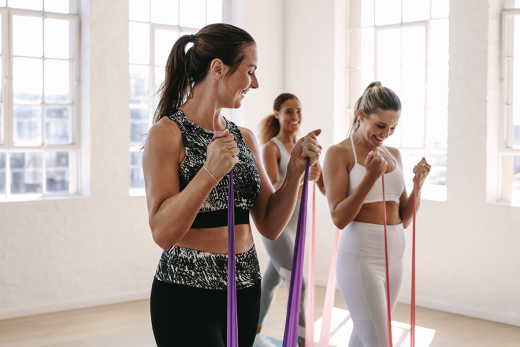
They come in several common formats. Flat bands (the classic physio type) are ideal for rehab, stretching, and controlled range-of-motion work. Loop bands or tone loops are continuous circles perfect for glute and hip activation drills. Tubing with handles adds functionality for upper-body and full-body movements, giving users a dumbbell-like feel without the bulk.
Therapy bands (often colour-coded by resistance level) are the go-to choice for clinicians guiding patients through structured progressions.
One of the biggest advantages of resistance bands is accessibility. They’re low-cost, lightweight, and suitable for all fitness levels - from beginners to elite athletes. Clinicians love them because they enable gradual loading, help restore strength post-injury and support functional movement retraining. Fitness enthusiasts love them because you can train anywhere, build strength without heavy equipment, and target smaller stabilising muscles that free-weights often miss.
Resistance bands also offer a reduced risk of injury. Because the resistance increases gradually as the band stretches, there’s less joint stress during the “weaker” part of a movement and more challenge during the “stronger” phase. This mirrors natural biomechanics and supports healthier, more sustainable training progressions.