




Hot and cold therapy are among the most commonly recommended treatments for pain and injury. Yet choosing between heat and ice is not always as straightforward as it seems.
This guide explains when to use hot or cold packs and how to apply them safely and effectively.
Definition
Cold therapy (cryotherapy) uses low temperatures to reduce pain inflammation and swelling.
Heat therapy (thermotherapy) uses warmth to relax muscles improve circulation and ease stiffness.
How it works and why it matters
Hot and cold packs influence the body in very different ways. Understanding these physiological effects helps clinicians and patients make safer more effective choices.
How cold therapy works
Cold packs reduce tissue temperature which causes blood vessels to constrict. This process limits blood flow to the area reducing swelling inflammation and secondary tissue damage. Cold also slows nerve conduction which helps dull pain signals.
For acute injuries such as sprains strains or direct trauma cold therapy is often recommended in the first 24 to 72 hours. Early application can help manage swelling and pain while supporting recovery.

How heat therapy works
Heat packs increase tissue temperature leading to vasodilation or widening of blood vessels. This improves blood flow delivering oxygen and nutrients while helping remove metabolic waste products.
Heat also increases tissue elasticity making muscles tendons and ligaments more flexible. This is particularly useful for chronic conditions where stiffness tension or reduced mobility are key symptoms.
Why correct choice matters
Using the wrong modality at the wrong time can delay healing or worsen symptoms. Applying heat to an acute injury may increase swelling while using cold on stiff arthritic joints can aggravate discomfort. A simple informed choice can make a meaningful difference to outcomes.
What users say
Clinicians frequently report that patients who understand when and how to use hot or cold therapy feel more in control of their pain management.
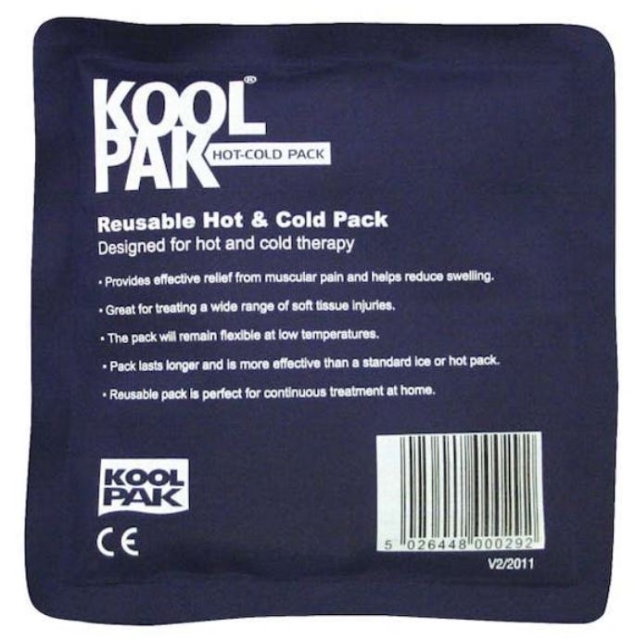
Physiotherapists often recommend cold packs for sports injuries immediately after activity while heat packs are commonly favoured by people living with long-term back pain or osteoarthritis. Patients also value reusable gel packs for their convenience and versatility.
Step-by-step guide: choosing the right pack
Step 1: Identify the type of problem
- Acute injury such as a recent sprain strain bruise or swelling - choose cold
- Chronic pain such as long-standing back pain arthritis or muscle tightness - choose heat
Step 2: Consider timing
- Within 72 hours of injury cold is usually preferred
- After swelling has reduced heat may help restore movement
Step 3: Assess sensation and skin integrity
Patients with reduced sensation circulatory problems or fragile skin should use extra caution. In some cases professional supervision is advised.
Step 4: Apply correctly
- Wrap packs in a cloth or towel to protect the skin
- Apply for 15 to 20 minutes at a time
- Allow skin to return to normal temperature between applications
Step 5: Monitor response
If pain swelling or skin irritation increases stop treatment and reassess. Persistent symptoms should be reviewed by a healthcare professional.

Hot vs cold packs: comparison
| Feature | Cold Packs | Hot Packs |
|---|---|---|
| Best for | Acute injuries swelling inflammation | Chronic pain stiffness muscle tension |
| Primary effect | Reduces blood flow and numbs pain | Increases circulation and relaxes tissue |
| Common conditions | Sprains strains bruises post-exercise soreness | Arthritis back pain neck and shoulder tension |
| Typical duration | 15-20 minutes | 15-20 minutes |
| Key precautions | Avoid prolonged use risk of ice burn | Avoid acute swelling risk of increased inflammation |
Frequently asked questions
Can I use both hot and cold therapy?
Yes in some cases alternating therapy is used especially during rehabilitation. This should be guided by a clinician to avoid aggravating symptoms.
How often can I use a hot or cold pack?
Most people can apply packs several times a day provided skin integrity is maintained and recommended time limits are followed.
Is ice better than gel cold packs?
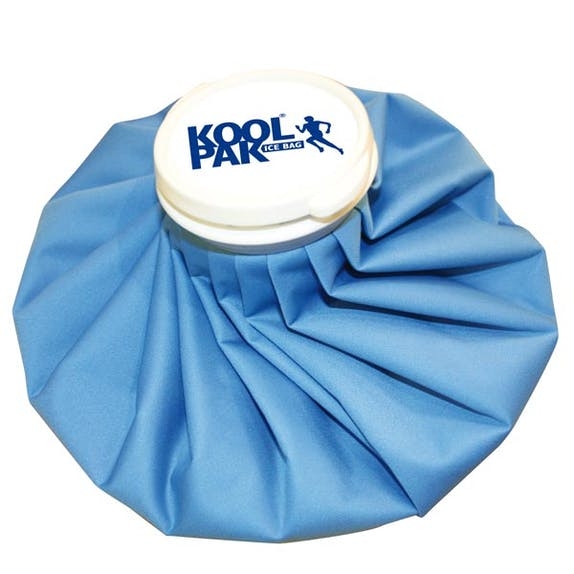
Gel packs tend to provide more even cooling and are easier to control. Ice can be effective but carries a higher risk of cold injury if misused.
Are hot packs safe for everyone?
No. People with impaired sensation diabetes vascular disease or skin conditions should seek professional advice before using heat therapy.
Should heat be used before or after exercise?
Heat may be helpful before exercise to loosen stiff muscles while cold is often preferred after activity to manage inflammation.
What if pain does not improve?
If symptoms persist worsen or are accompanied by significant swelling or loss of function medical assessment is recommended.
References and research sources
- NHS - Sports injuries
- NHS - After exercise care
- National Center for Biotechnology Information - Cryotherapy in injury management
- Versus Arthritis - Heat and cold therapy
Author
Marc Cameron is a product specialist at Algeos. Marc works closely with clinicians to translate research into practical guidance for everyday practice.

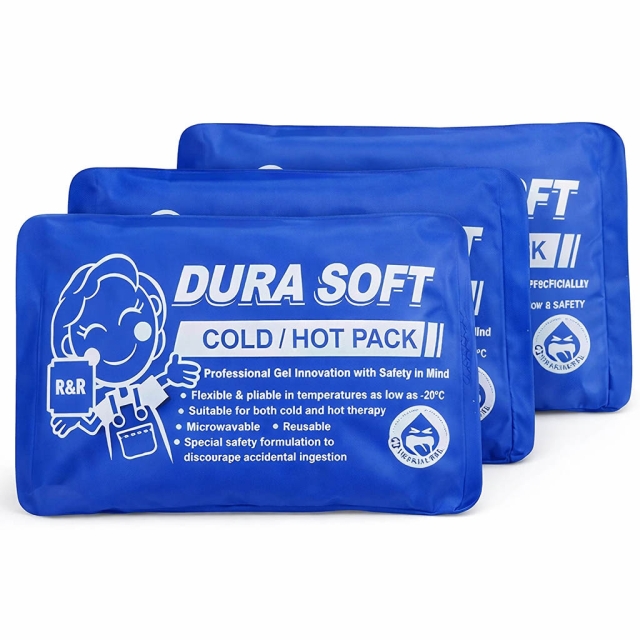
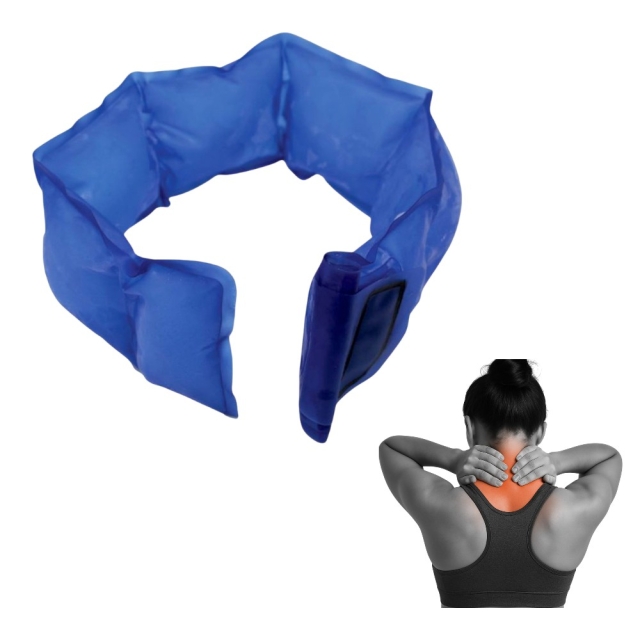

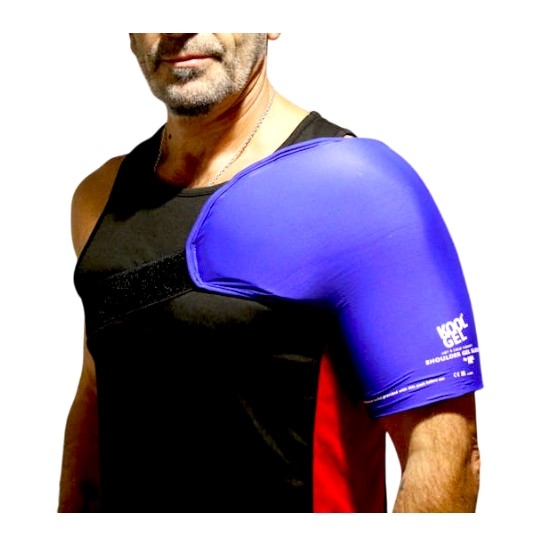
Sold: Each
Incl. VAT Exl. VAT