



Article updated and revised April 2026
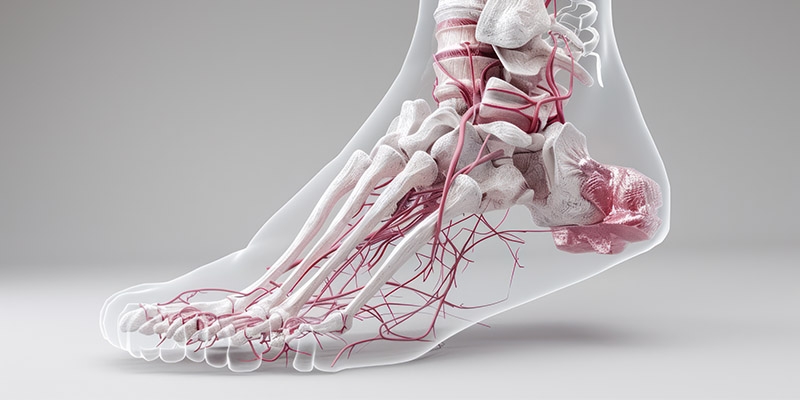
Feet are clever, complicated and slightly underrated bits of human engineering. Each foot has 26 bones, 33 joints, more than 100 ligaments, plus muscles and tendons that help you stand, walk, run, balance and generally avoid falling over in public.
This guide brings together 101 fun and interesting facts about feet, covering foot anatomy, foot health, footwear history, animals, sport, culture and a few wonderfully odd records.
Explore: Foot bones model · Foot muscle model · Plantar fasciitis help · Orthotic insoles
In this guide:
Quick skim tip: Use these as “fact of the day” snippets for clinic displays, teaching sessions, newsletters or social posts.
Why feet deserve a bit more respect
Feet are small compared with the rest of the body, but they do a huge amount of work. They support body weight, absorb impact, adapt to uneven ground, help with balance and provide the push-off needed for walking and running.
They are also common troublemakers. Heel pain, calluses, corns, bunions, flat feet, fungal infections and pressure-related problems can all affect comfort and mobility. A little foot knowledge goes a long way.
Foot anatomy facts
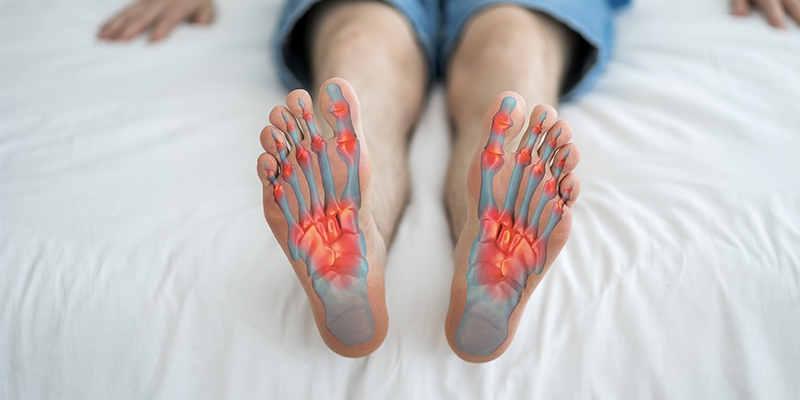
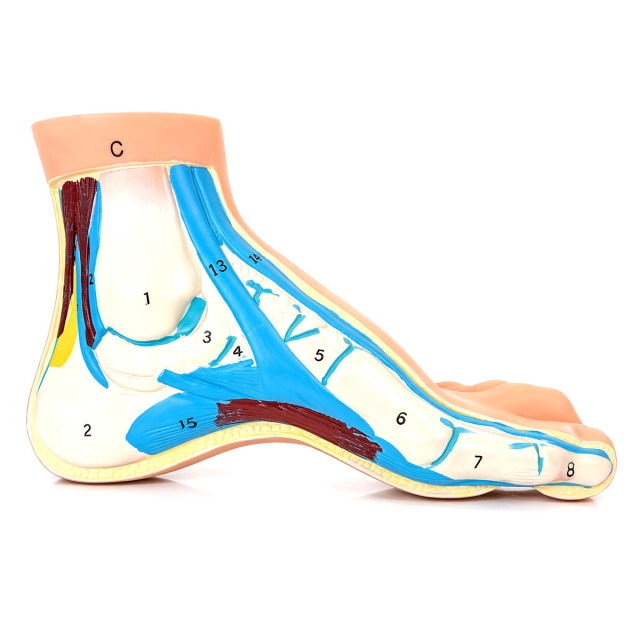
- Each foot has 26 bones: Together, both feet contain 52 bones, which is roughly a quarter of all the bones in the human body.
- Each foot has 33 joints: These joints help the foot move, adapt to surfaces and absorb impact during walking.
- Feet have more than 100 ligaments: Ligaments help hold the bones together and support the structure of the foot.
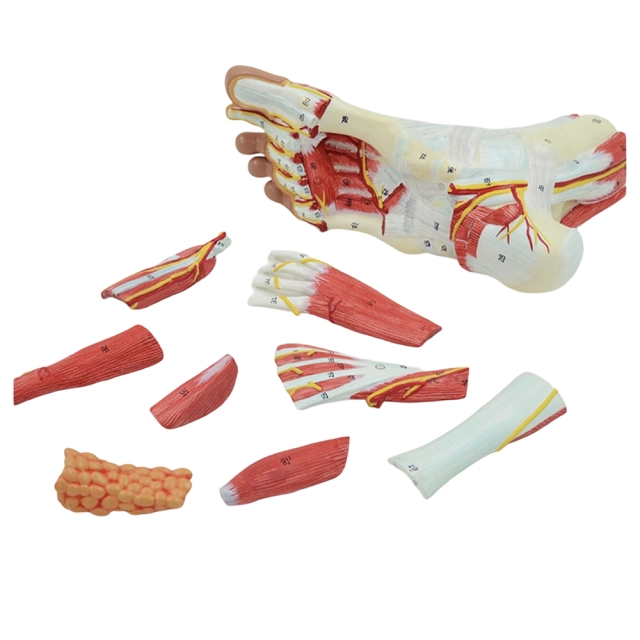
- The foot has 19 intrinsic muscles: These small muscles sit within the foot itself and help with stability, posture and fine movement.
- Muscles from the lower leg also control the foot: Some of the most powerful movements of the foot are controlled by muscles that begin in the calf and connect through tendons.
- The calcaneus is the largest bone in the foot: Better known as the heel bone, it helps absorb force when the heel strikes the ground.
- The talus connects the foot to the leg: It sits above the heel bone and helps form the ankle joint.
- The toes are made of phalanges: Each smaller toe usually has three phalanges, while the big toe has two.
- The metatarsals form the forefoot: These five long bones help transfer weight from the heel towards the toes.
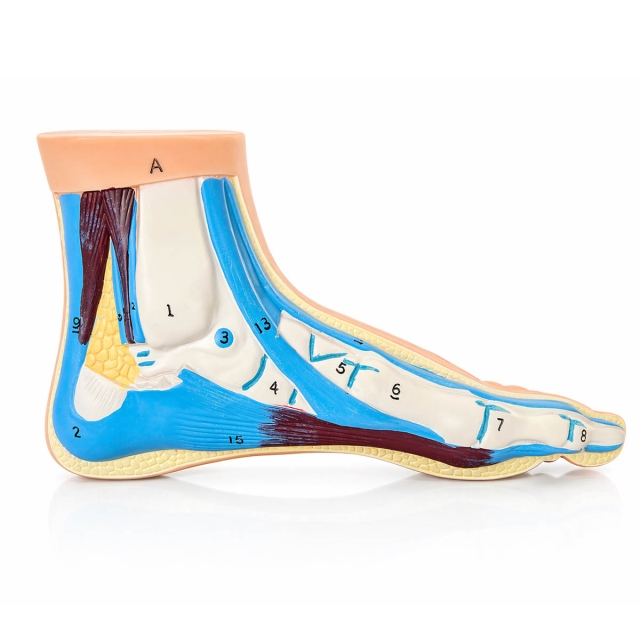
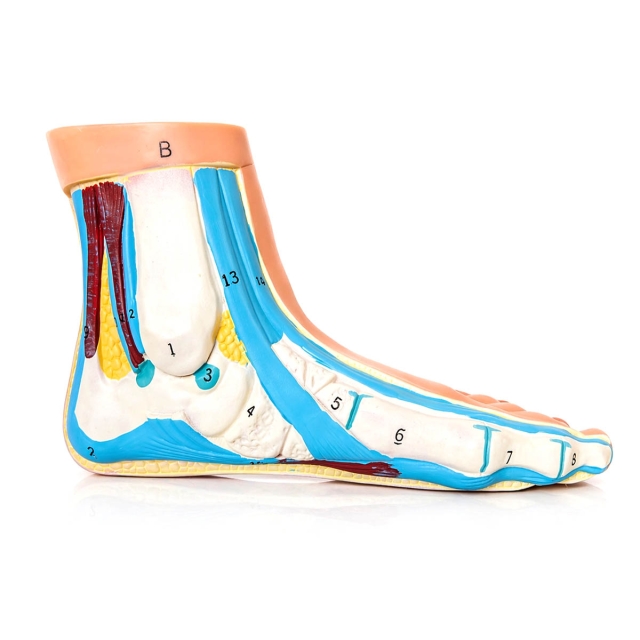
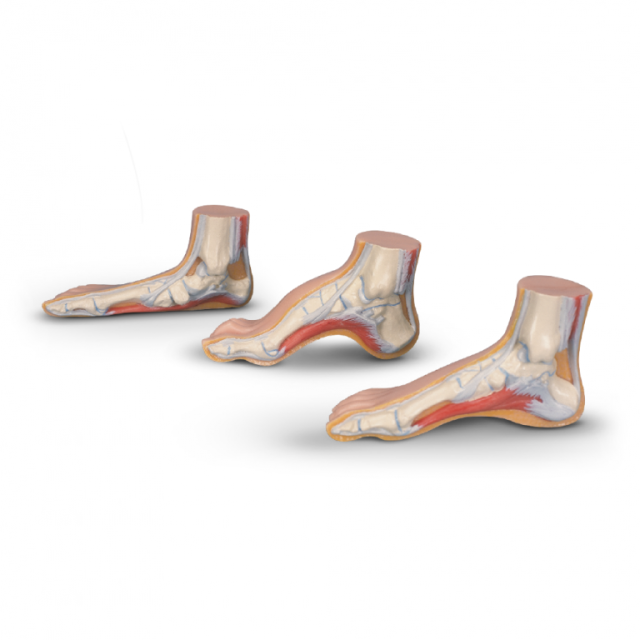
- The foot has three main arches: These are the medial longitudinal arch, lateral longitudinal arch and transverse arch.
- The medial arch is the one most people notice: It runs along the inside of the foot and is often discussed in relation to flat feet or high arches.
- The plantar fascia supports the arch: This strong band of tissue runs along the sole, from the heel towards the toes.
- The big toe is important for push-off: During walking, it helps the body move forwards efficiently.
- Sesamoid bones sit beneath the big toe joint: These small bones are embedded in tendons and help with movement and load distribution.
- Feet are full of nerve endings: This is one reason the soles can be sensitive, ticklish or painful when irritated.
- The Achilles tendon is the strongest tendon in the body: It connects the calf muscles to the heel bone and plays a major role in walking, running and jumping.
- The foot is divided into three regions: These are the hindfoot, midfoot and forefoot.
- The hindfoot includes the heel: It helps with shock absorption and stability.
- The midfoot helps form the arch: It acts as a flexible bridge between the heel and forefoot.
- The forefoot helps with propulsion: It includes the metatarsals and toes, which help the foot push away from the ground.
Foot health facts
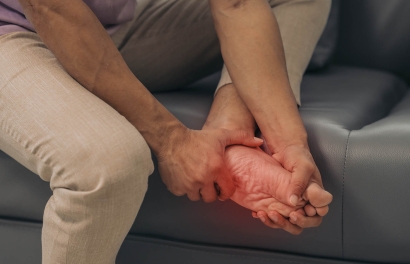
- Plantar fasciitis is a common cause of heel pain: It often causes pain under the heel or arch, especially during the first steps after rest.
- Heel pain can build gradually: It is often linked with changes in activity, tight calf muscles, unsupportive footwear or prolonged standing.
- Foot pain should not be ignored: Pain that keeps returning, affects walking or is linked with swelling, numbness or injury should be assessed by a healthcare professional.
- Calluses are protective: They form when skin thickens in response to repeated pressure or friction.
- Corns are concentrated pressure points: They are usually smaller and more focused than calluses, often forming over toes or bony areas.
- Foot odour is linked with bacteria and sweat: Bacteria break down sweat on the skin, which can produce an unpleasant smell.
- Athlete’s foot is a fungal infection: It commonly affects the skin between the toes and likes warm, moist environments.
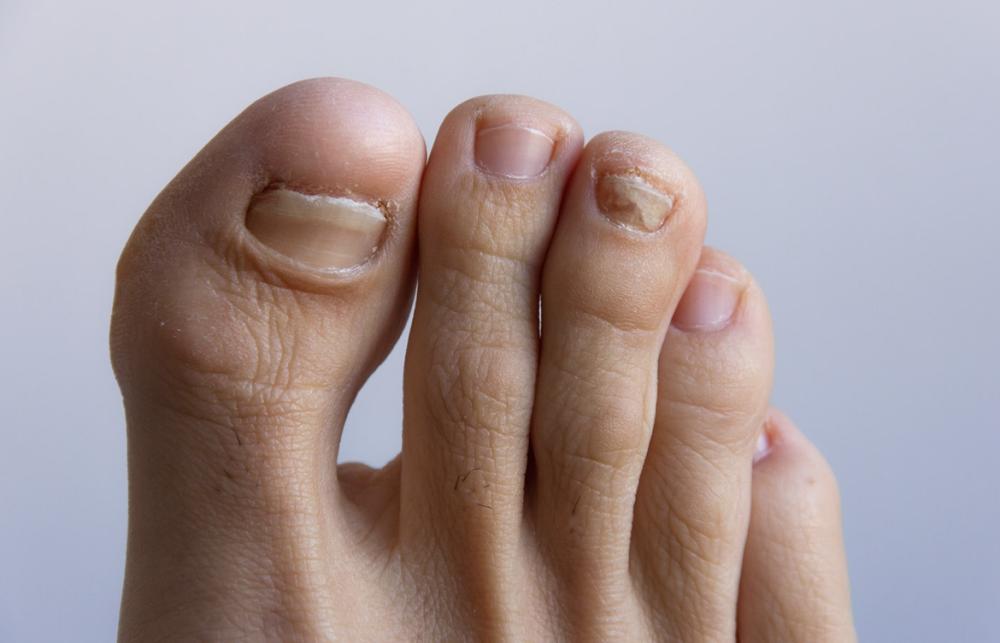
- Toenails grow more slowly than fingernails: This is one reason damaged toenails can take months to grow out.
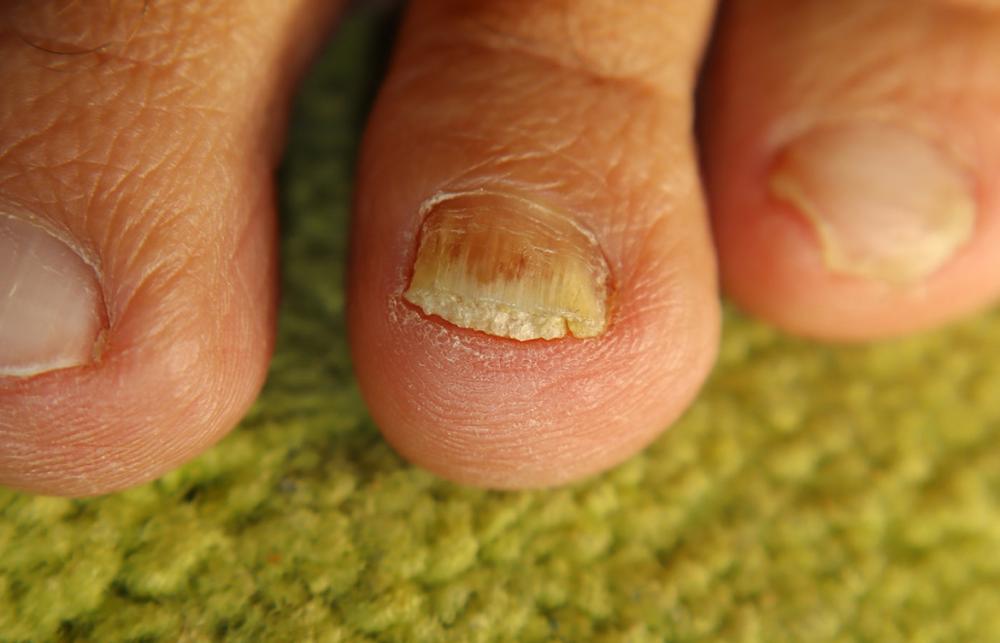
- Toenails can thicken with age or trauma: Repeated pressure from footwear can contribute to nail changes.
- Flat feet are not always a problem: Many people with low arches have no symptoms and need no treatment.
- High arches can also cause problems: A very high arch may reduce shock absorption and increase pressure on the heel and forefoot.
- Footwear matters: Shoes that are too tight, too narrow or poorly cushioned can contribute to discomfort, corns, calluses and nail problems.
- Feet may swell during the day: This is why shoe fitting is often best done later in the day when feet are closer to their largest size.
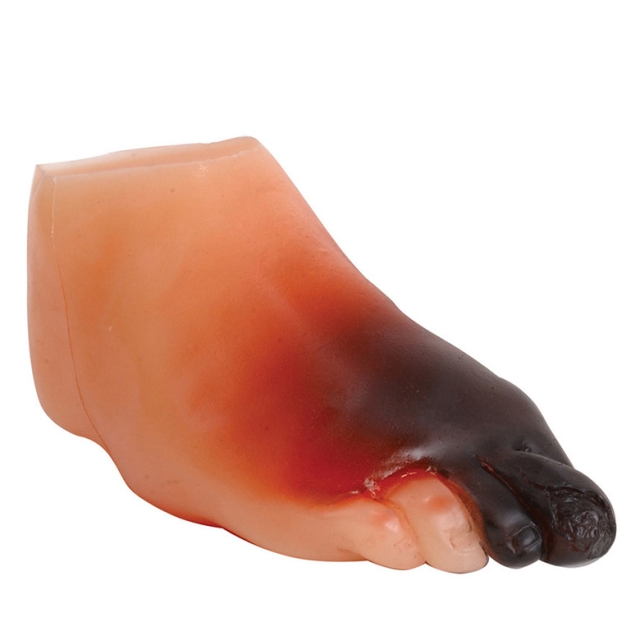
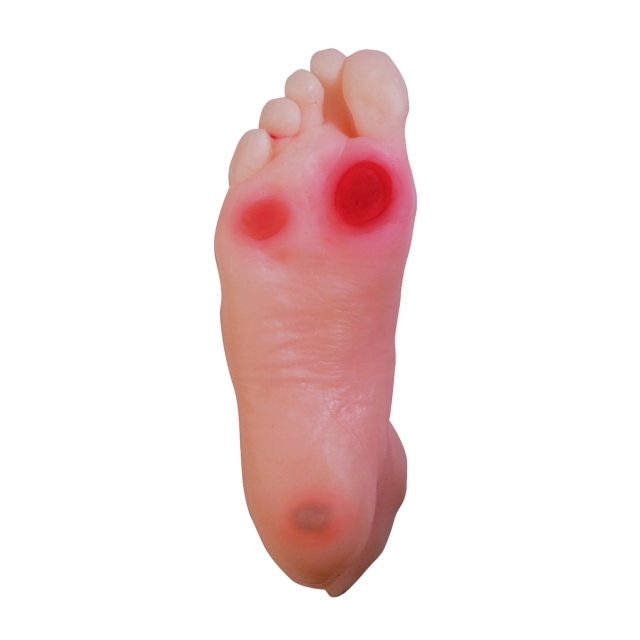
- Diabetes can affect foot health: Reduced sensation or circulation can increase the risk of unnoticed injuries, pressure areas and wounds.
- Blisters are caused by friction: They often occur when skin rubs against footwear, socks or equipment.
- Moisture control helps reduce friction: Breathable socks and well-fitting footwear can help keep feet more comfortable.
- Bunions affect the big toe joint: They can cause the big toe to angle towards the smaller toes and may make footwear fitting harder.
- Haglund’s deformity affects the back of the heel: This bony prominence can be irritated by stiff shoe backs.
- Raynaud’s can affect the feet: It can reduce blood flow to the toes, making them feel cold, numb or change colour.
- Orthotic insoles can help redistribute pressure: Depending on the design, they may support the arch, cushion the heel or help improve foot comfort.
Clinical note: Foot pain that lasts more than a few days, keeps returning, affects walking, or is linked with diabetes, numbness, swelling, redness, wounds or injury should be checked by a qualified healthcare professional.
Shoe and footwear facts
- The earliest known leather shoe is around 5,500 years old: It was found in Armenia and was made from a single piece of leather.
- Plant-fibre sandals are even older: Some ancient sandals pre-date the earliest known leather shoe by thousands of years.
- High heels were once worn by men: In parts of history, heels were associated with horse riding, status and fashion.
- Sneakers got their name from quiet soles: Rubber soles made them quieter than harder-soled shoes.
- Penny loafers have a practical-sounding name: The front strap could hold a small coin, which helped create the penny loafer nickname.
- Roman sandals influenced later footwear: Their open designs, straps and practical construction still echo through modern sandal styles.
- Children’s feet grow quickly: Regular size checks are important because shoes that are too small can cause pressure and rubbing.
- Shoe sizes are not universal: UK, EU and US sizing systems differ, and fit can vary between brands.
- Width matters as much as length: Shoes that are long enough can still cause problems if they are too narrow.
- The toe box is important: A cramped toe box can increase pressure on toes, nails, corns and bunions.
- Work footwear can affect foot comfort: Long shifts, hard floors and safety footwear can all increase pressure on the feet.
- Running shoes are designed for different needs: Some prioritise cushioning, while others focus on stability, grip or lightweight performance.
- Insoles can change how a shoe feels: Cushioning, arch support and heel cups can all alter comfort and support.
- Footwear should suit the activity: Walking, running, clinical work, sport and recovery may all call for different shoe features.
- Old shoes can lose support: Even if they still look acceptable, compressed midsoles and worn tread can affect comfort and grip.
History and culture facts
- The Laetoli footprints are around 3.6 million years old: These famous footprints in Tanzania show early human relatives walking upright.
- Foot binding was practised in China for centuries: It was linked with beauty and status but caused severe pain and deformity.
- Feet appear in famous art: Sculptures such as Michelangelo’s David show detailed anatomical observation.
- The word “foot” became a unit of measurement: It has long been associated with the approximate length of a human foot.
- One foot equals 12 inches: It remains a common imperial measurement in the UK and US.
- The phrase “put your foot in your mouth” means to say something awkward: A useful phrase, sadly not a useful life skill.
- “Footsie” is a playful foot-based word: It describes touching feet under a table, usually in a teasing or flirtatious way.
- “Foot of the mountain” refers to the base: The word foot is often used to describe the lower part of something.
- Marathon history is linked with a legendary run: The modern marathon was inspired by the story of a Greek messenger running from Marathon to Athens.
- Abebe Bikila won Olympic marathon gold barefoot: The Ethiopian runner famously won the 1960 Olympic marathon without shoes.
- Apollo astronaut footprints remain on the Moon: With no wind or rain like Earth, lunar footprints can remain visible for a very long time.
- Footprints can be forensic evidence: Investigators may use footprints, shoe prints and gait clues to support identification.
- Foot shape varies widely across populations: This is one reason footwear fitting is more complicated than simply choosing a size number.
- Reflexology focuses on areas of the feet: It is based on the idea that points on the feet correspond with other areas of the body.
- Foot care has a long history: Across cultures, people have used footwear, washing, massage and skin care to protect hard-working feet.
Sport and movement facts
- Walking is a coordinated chain reaction: The heel, arch, forefoot and toes all play roles as the foot contacts and leaves the ground.
- The arches act like springs: They help store and release energy during movement.
- Pronation is normal: It is part of how the foot adapts to the ground and absorbs shock.
- Overpronation describes excessive inward rolling: It may be relevant when linked with pain, fatigue or poor control.
- Supination describes outward rolling: Too much can increase pressure on the outside of the foot.
- Ballet dancers train for years to dance en pointe: Dancing on the tips of the toes requires strength, control and specialist footwear.
- Gymnasts often have highly flexible feet: Flexibility helps with landings, shapes and performance skills.
- Football depends heavily on foot control: Passing, shooting, dribbling and balance all rely on precise foot movement.
- Tap dancers can move their feet incredibly quickly: Their shoes turn footwork into rhythm and percussion.
- Toe wrestling is a real competitive sport: It is a bit like arm wrestling, but with toes. Yes, really.
- Barefoot running has passionate supporters: Some runners believe it encourages foot strength and natural movement, although it is not suitable for everyone.
- Running increases foot load: Impact forces during running are higher than during walking, so footwear, training load and recovery all matter.
- The Self-Transcendence 3,100 Mile Race is one of the world’s longest footraces: It is held over many days and tests extraordinary endurance.
- Usain Bolt reached remarkable sprinting speeds: Elite sprinting shows how powerful the foot, ankle and lower leg can be during push-off.
- Balance starts at ground level: The feet provide constant sensory feedback that helps the body adjust posture and position.
Animal feet facts
- Dogs and cats can sweat through their paw pads: Paw pads also help with grip, cushioning and protection.
- Elephant feet are padded: Their large, cushioned feet help spread weight and reduce impact.
- Duck feet are webbed: Webbing helps ducks push water backwards when swimming.
- Geckos have remarkable toe pads: Tiny structures on their feet help them grip smooth and vertical surfaces.
- Horses walk on a single toe: The hoof is a specialised structure that protects and supports that toe.
- Cheetahs have semi-retractable claws: These help with traction during high-speed running.
- Kangaroos have large powerful feet: Their feet help them hop efficiently over long distances.
- Bird talons are adapted for grip: Birds of prey use talons to catch and hold prey.
- Penguins have webbed feet: They may waddle on land, but their feet help steer when swimming.
- Koala feet are adapted for climbing: Their toes and claws help them grip branches.
Weird and wonderful foot facts
- No two footprints are exactly the same: Like fingerprints, footprints can show individual patterns and pressure points.
- Some people have Morton’s toe: This means the second toe appears longer than the big toe.
- Some people are born with extra toes: This is called polydactyly.
- Some people are born with webbed toes: This is called syndactyly and means two or more toes are joined by skin or tissue.
- Sultan Kösen has held the record for the largest feet on a living person: His feet have been recorded by Guinness World Records.
- Feet can be used for skilled tasks: Some people can write, paint, type or hold objects using their feet.
Feet are extraordinary. They support the body, help us move, absorb force, provide balance and connect us with the ground beneath us. They have also shaped sport, fashion, history, culture and medicine. Not bad for something most people only think about when a shoe starts rubbing.
Want practical next steps? Browse orthotic insoles, explore plantar fasciitis support, or view foot anatomy education tools.
Foot photo gallery
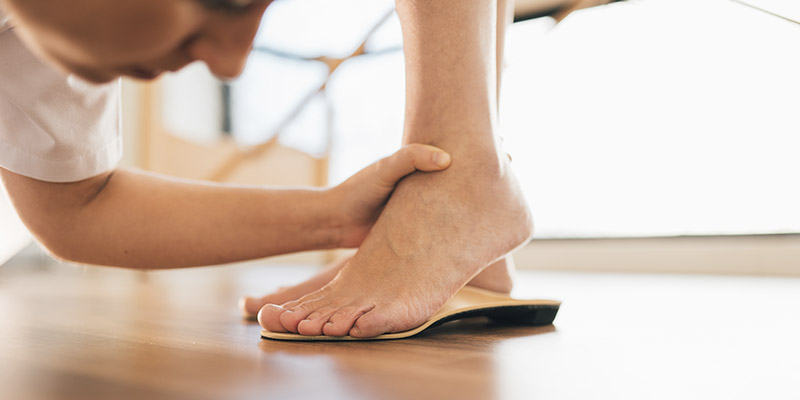
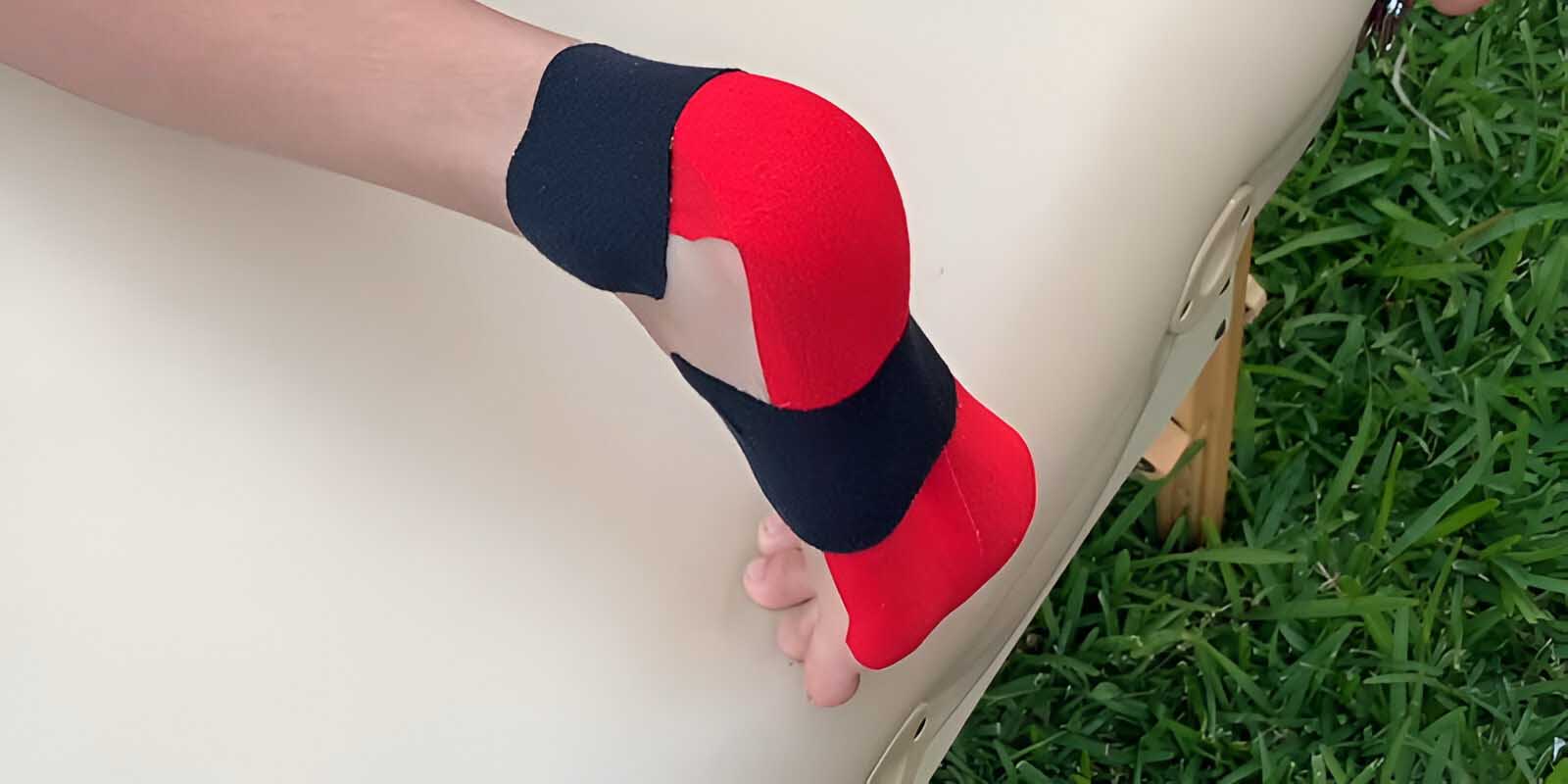
A visual round-up of foot anatomy, foot health, plantar fasciitis, orthotic support and foot care images from across Algeos.
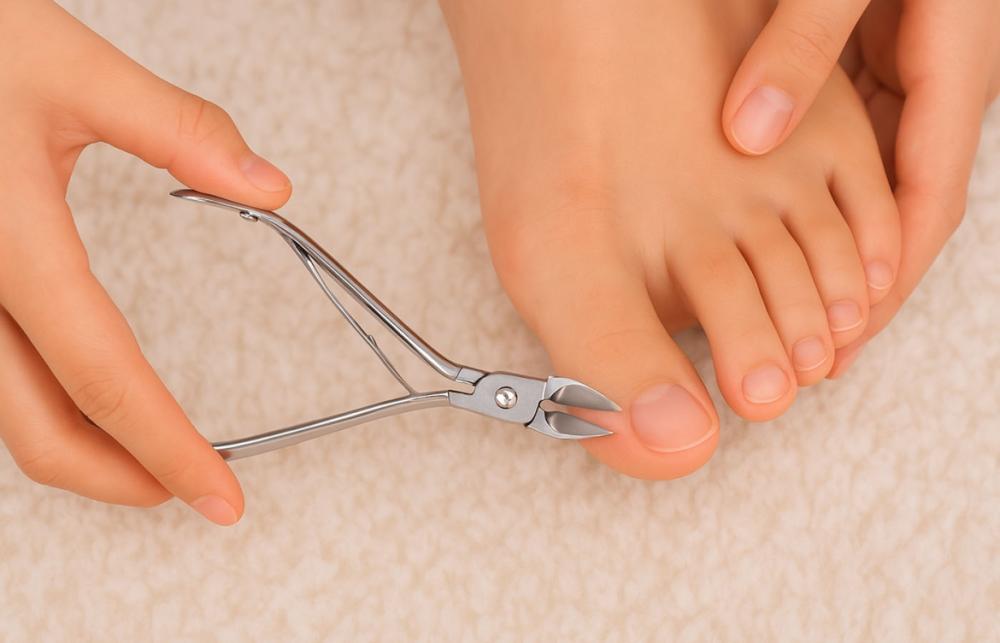
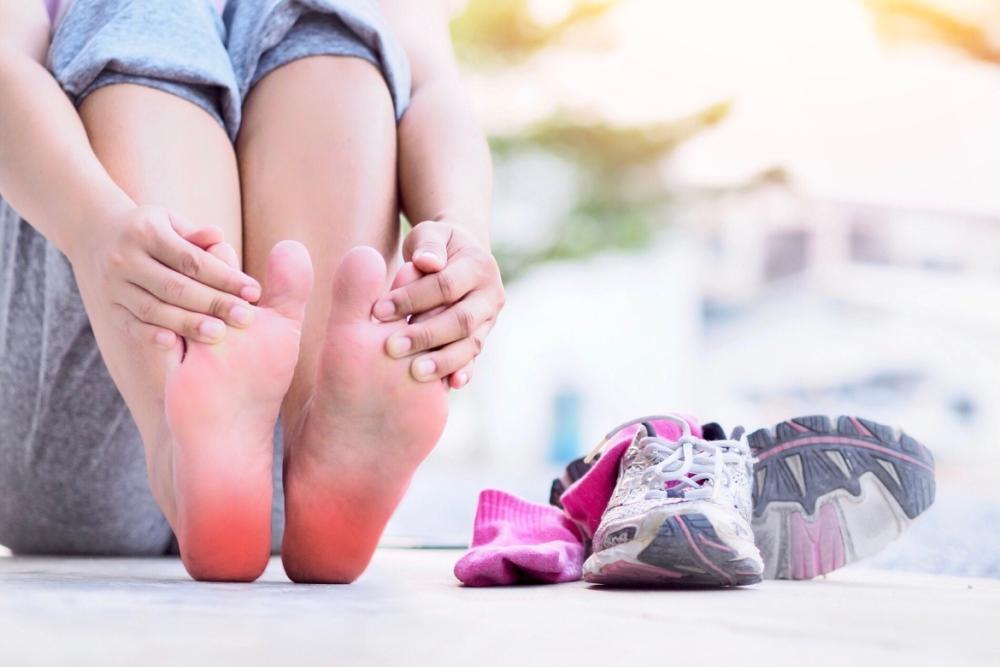
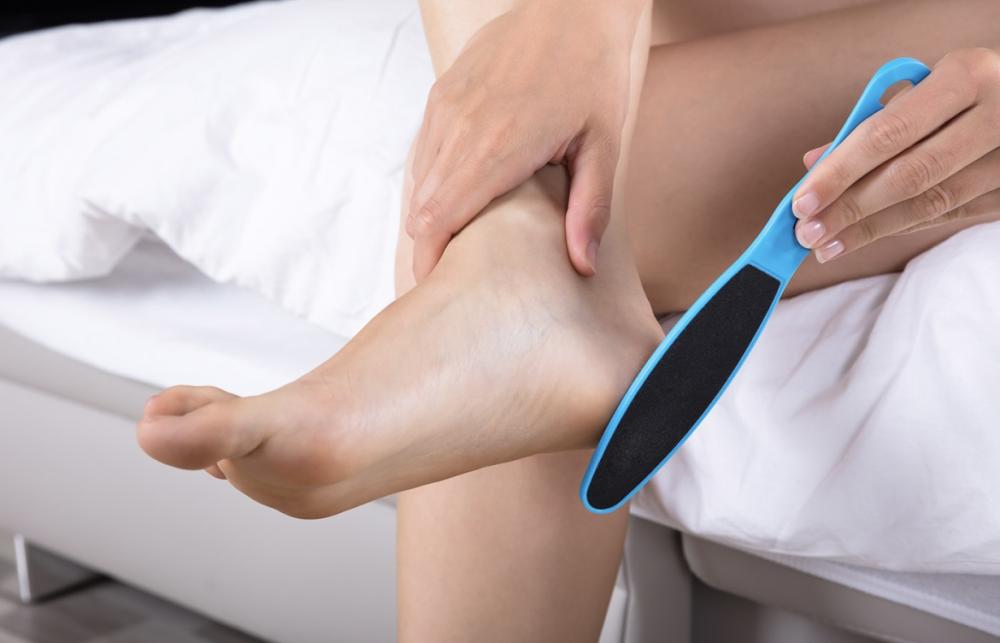
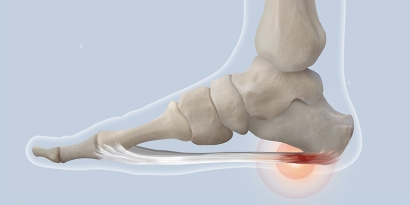
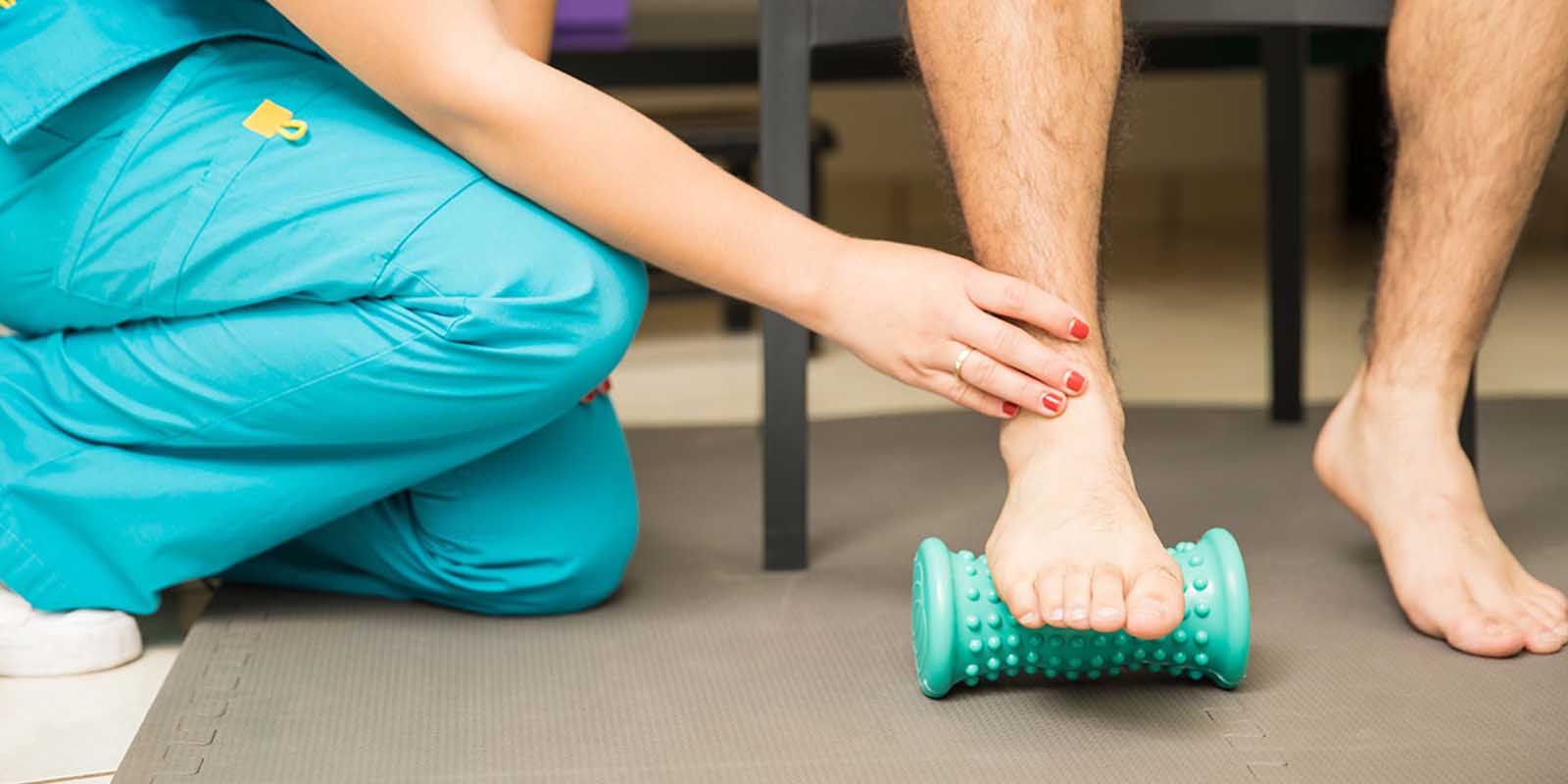
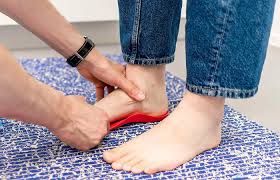 Sport and activity can place extra load on the feet.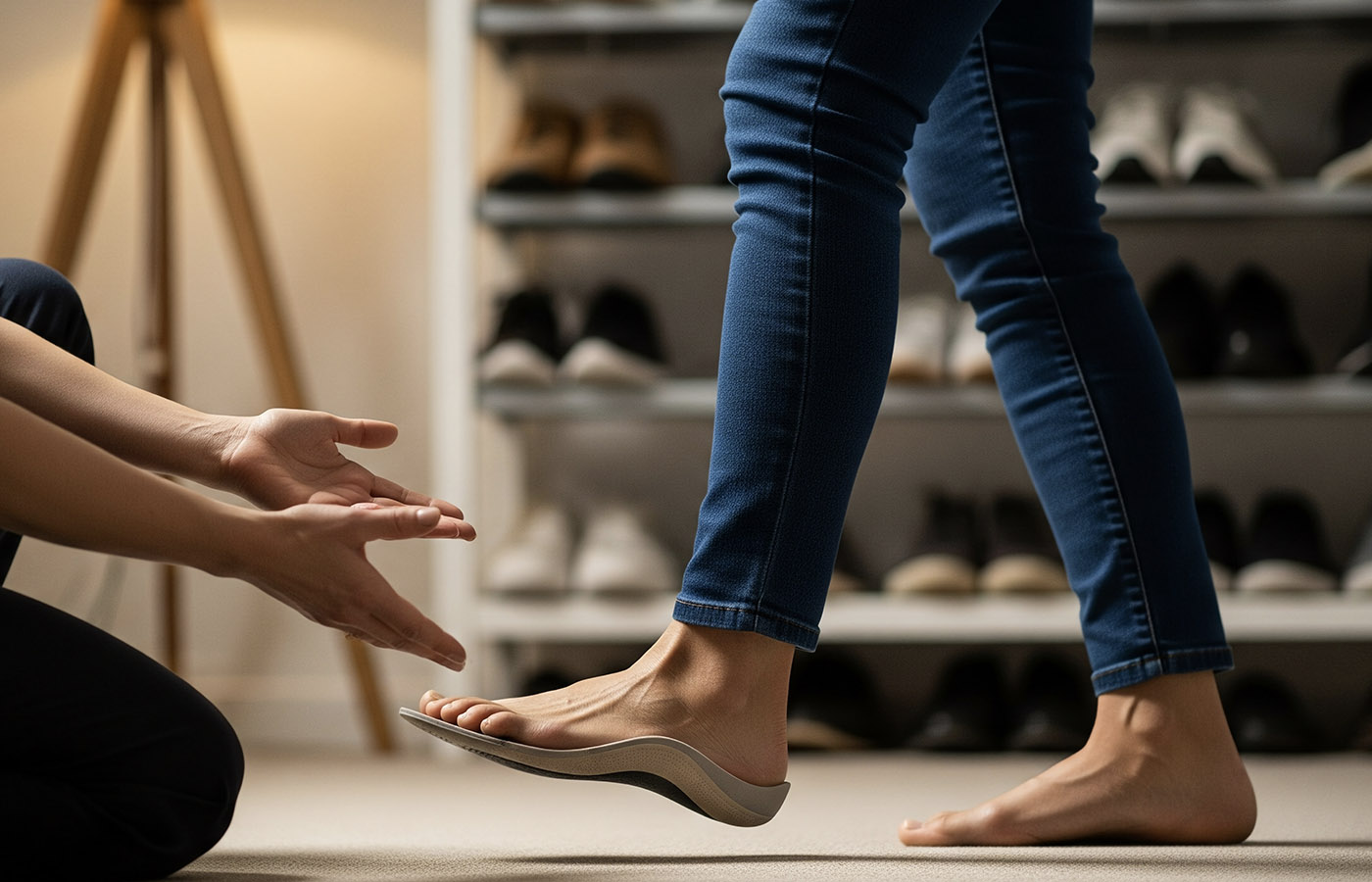
FAQs about feet
How many bones are in each foot?
Each foot has 26 bones. Together, both feet contain 52 bones, which is roughly a quarter of all the bones in the human body.
How many joints are in the foot?
Each foot has 33 joints. These joints help the foot bend, adapt to surfaces and support movement.
What causes foot odour?
Foot odour is usually linked with sweat and bacteria. Warm, damp shoes and socks can make the problem worse.
What is plantar fasciitis?
Plantar fasciitis is a common cause of heel pain involving irritation of the plantar fascia, the strong band of tissue that runs along the sole of the foot.
Are flat feet always a problem?
No. Many people with flat feet have no pain or mobility issues. Support may be helpful when flat feet are linked with pain, fatigue, instability or footwear problems.
When should foot pain be checked?
Foot pain should be checked if it is severe, persistent, keeps returning, affects walking, follows an injury, or is linked with diabetes, numbness, swelling, redness or wounds.
Sold: Each
Incl. VAT Exl. VAT