



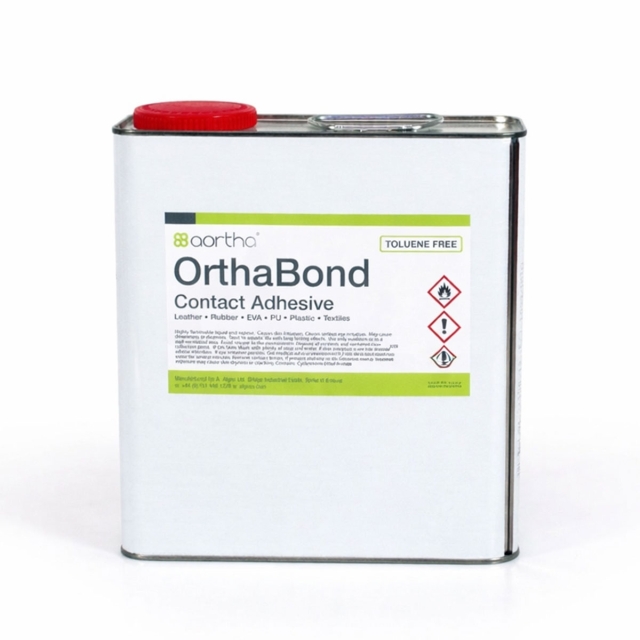
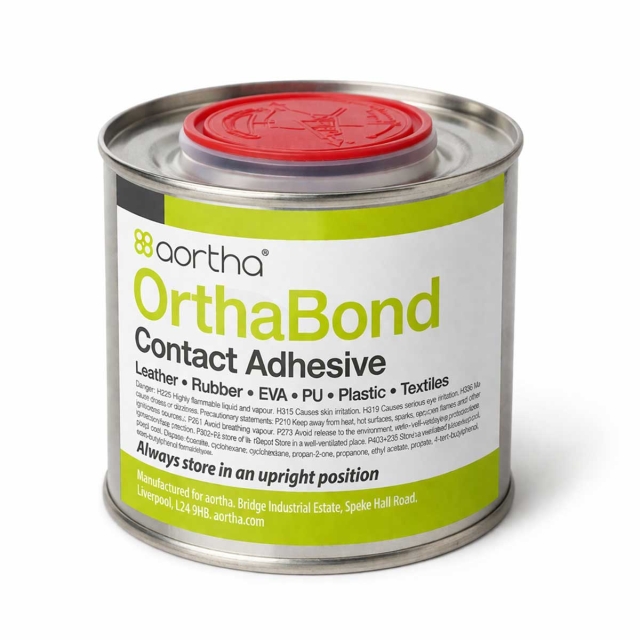
Contact glue, also known as contact adhesive, is a versatile bonding agent used in a variety of applications. This powerful adhesive is a staple in both professional and DIY projects due to its strong bonding capability and ease of use. In this article, we will explore the uses, benefits, and types of contact glue, including popular options like Orthabond Contact Adhesive.
What is Contact Glue?
Contact glue is a type of adhesive that creates a strong, permanent bond between surfaces. It works by applying the adhesive to both surfaces, allowing it to dry, and then pressing the surfaces together. Once bonded, contact glue forms a powerful connection that is resistant to heat, water, and other environmental factors.
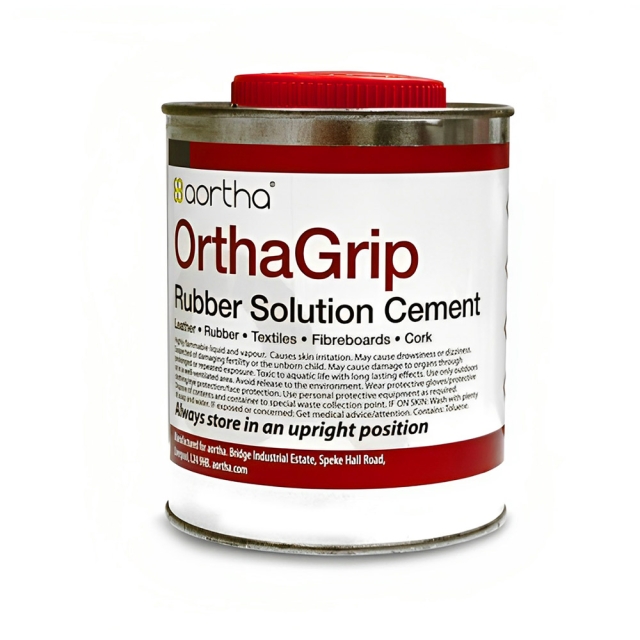
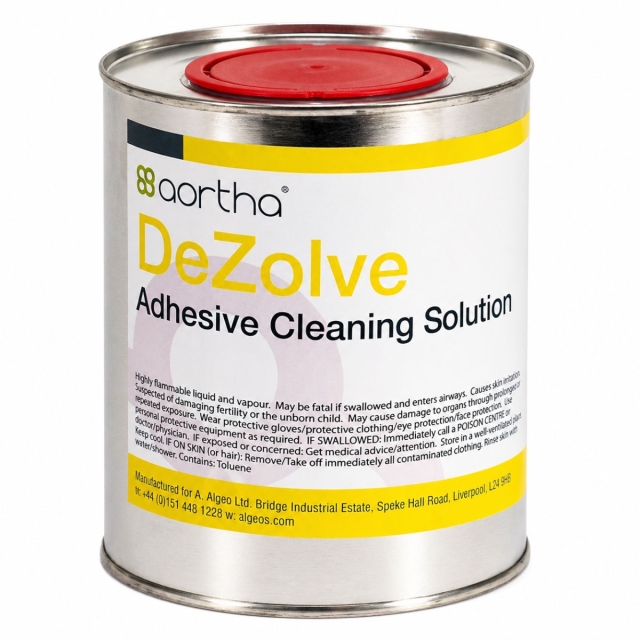
Product links: Contact Adhesives | Specialist Shoe Adhesives | Adhesive Remover
Common Uses of Contact Glue
Woodworking and Furniture
Contact glue is frequently used in woodworking and furniture-making projects. Its ability to bond wood to various materials, such as laminate, veneer, and metal, makes it an ideal choice for assembling and repairing furniture.
Automotive and Upholstery
In the automotive industry, contact glue is used for attaching upholstery and trim. Its strong bond ensures that materials stay in place even under the stress of daily use and exposure to temperature fluctuations.
Footwear and Leather Goods
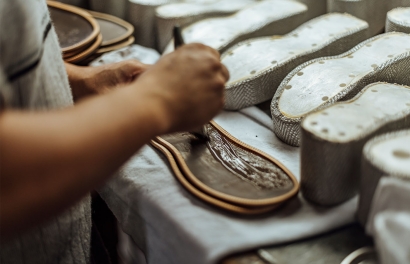
Contact adhesive glue is also popular in the manufacturing and repair of footwear and leather goods. Its flexibility and durability make it perfect for bonding leather, rubber, and synthetic materials, ensuring long-lasting wear.
Benefits of Using Contact Glue
Strong and Durable Bond
One of the primary benefits of contact cement glue is its ability to form a strong and durable bond. Once cured, the adhesive is resistant to heat, moisture, and chemicals, making it suitable for various environments.
Quick Drying Time
Contact cement adhesive offers a quick drying time, which is advantageous for projects that require fast assembly. This feature allows users to complete tasks efficiently without waiting for extended periods for the glue to dry.
Versatility
Contact glue's versatility is another significant advantage. It can bond a wide range of materials, including wood, metal, plastic, leather, and more. This adaptability makes it a go-to adhesive for various applications.
Choosing the Best Contact Adhesive
When selecting the best contact adhesive for your project, consider factors such as the materials you're bonding, the required strength of the bond, and environmental conditions. For instance, Gorilla Contact Adhesive is a popular choice for its waterproof properties and strong bond, making it suitable for both indoor and outdoor use.
In conclusion, contact glue is an essential tool for anyone working with multiple materials. Its strong bond, quick drying time, and versatility make it an invaluable resource for various projects. Whether you're a DIY enthusiast or a professional craftsman, understanding the benefits and uses of contact glue can help you choose the right adhesive for your needs.
How to Apply Contact Glue Correctly
For the best results, contact glue must be applied using the correct technique. Unlike traditional adhesives that bond while wet, contact adhesive works by allowing the glue to become touch-dry before joining the materials. This creates an instant and extremely strong bond once the surfaces meet.
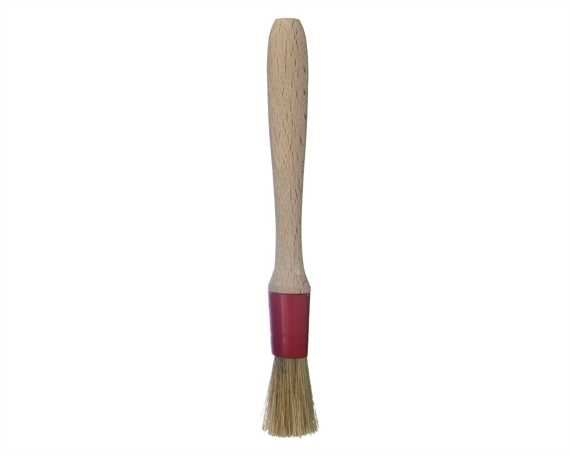
Start by ensuring both surfaces are clean, dry, and free from dust, grease, or loose material. Apply a thin, even layer of adhesive to both surfaces using a brush, spreader, or roller. Allow the adhesive to dry until it becomes tacky but does not transfer to your finger when lightly touched. This usually takes a few minutes depending on the product and environmental conditions.
Once ready, carefully align the materials and press them firmly together. Because contact glue bonds immediately on contact, repositioning is usually not possible. Applying pressure across the surface using a roller or press helps ensure full contact and a strong, uniform bond.
Tips for Getting the Best Results with Contact Adhesive
Using contact glue effectively often comes down to good preparation and technique. One of the most important factors is applying the correct amount of adhesive. Too little may weaken the bond, while too much can lead to uneven surfaces or extended drying times.
Temperature and ventilation also play a role in achieving optimal performance. Most contact adhesives work best when applied at room temperature in a well-ventilated space. Proper airflow helps solvents evaporate correctly, allowing the adhesive to reach the ideal tacky state before bonding.
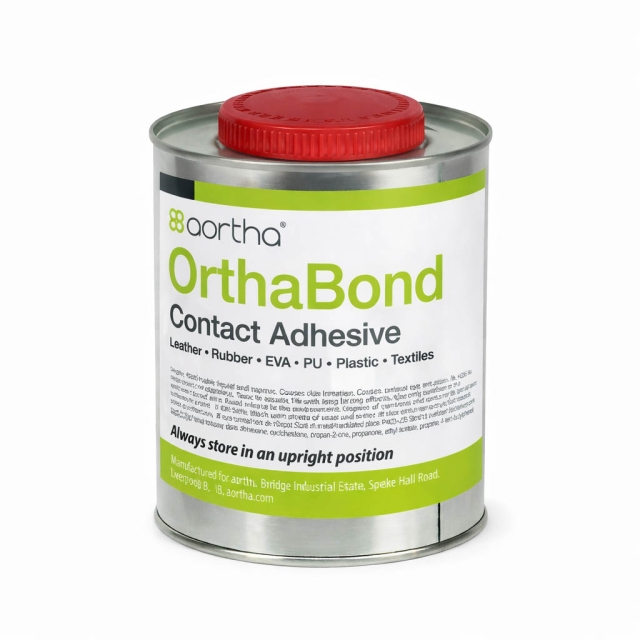
It is also important to follow the manufacturer's instructions for drying time and curing conditions. High-quality products such as Orthabond Contact Adhesive are formulated to deliver reliable performance across a wide range of materials when used correctly. By taking the time to prepare surfaces and apply the adhesive carefully, users can achieve strong, long-lasting bonds for both professional and DIY applications.
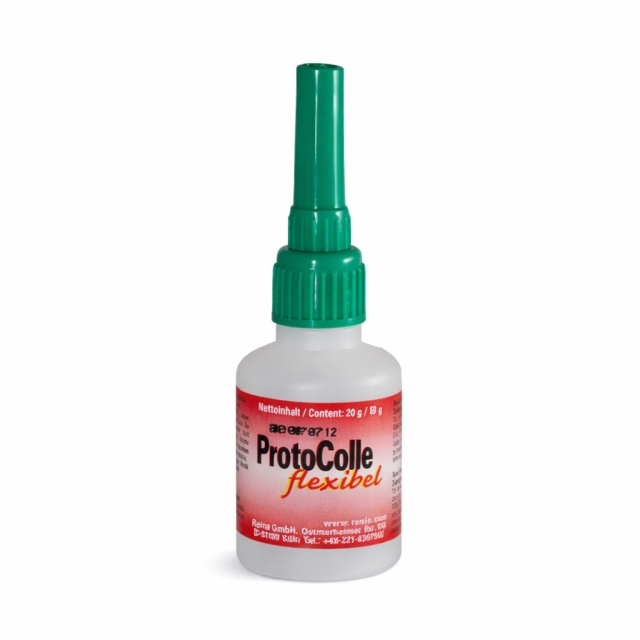
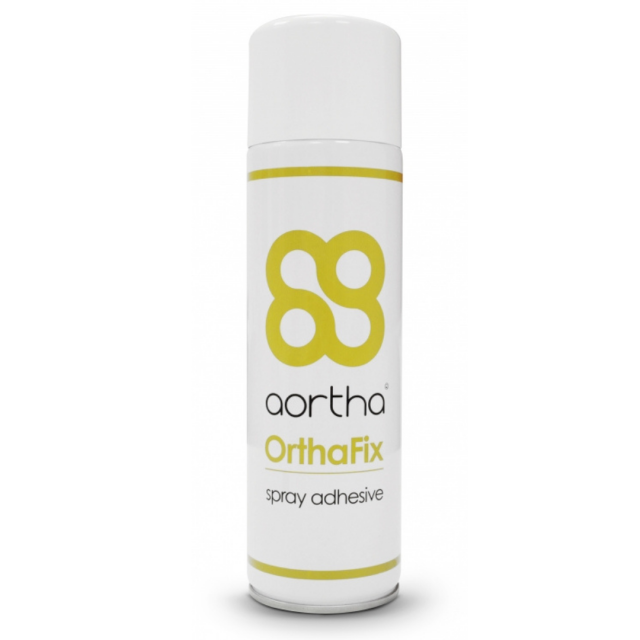
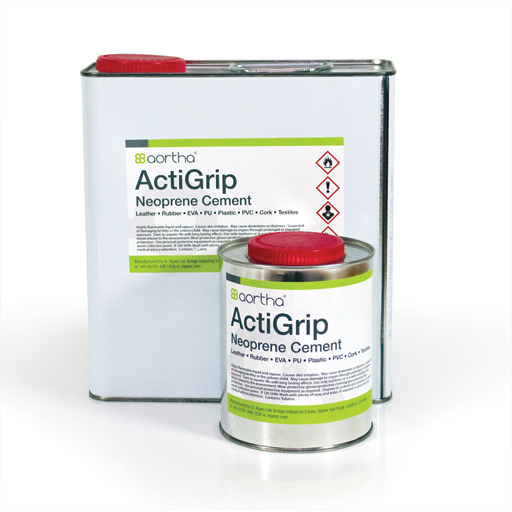
Sold: 20g
Incl. VAT Exl. VAT