



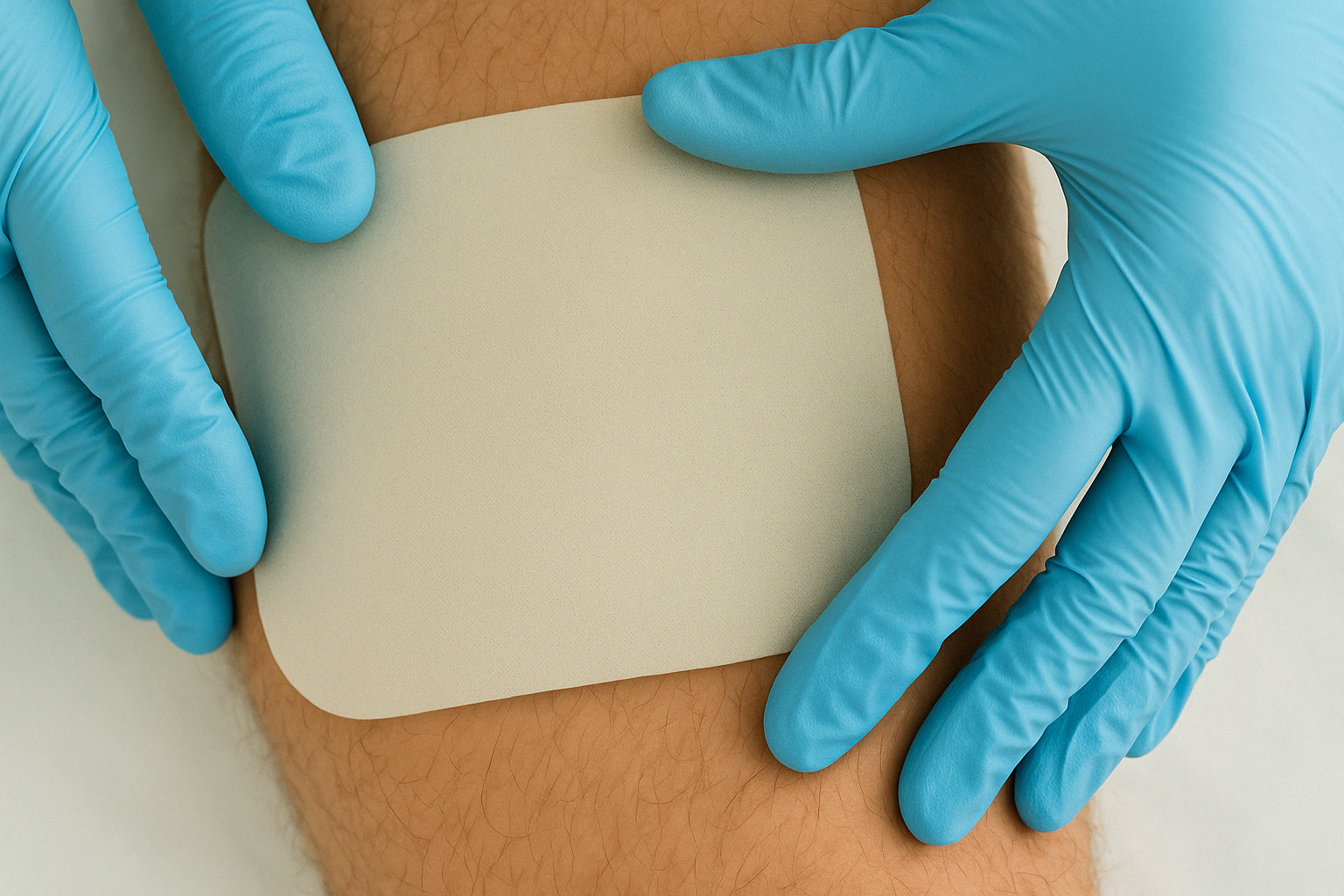
Hydrocolloid dressings are widely recognised in wound care for their ability to create a moist healing environment, which is crucial for tissue regeneration.
SHOW PRICES WITH OR WITHOUT VAT? MANY BUSINESS CUSTOMERS PREFER TO VIEW PRICES EXCLUDING VAT.
0151 448 1228 (UK)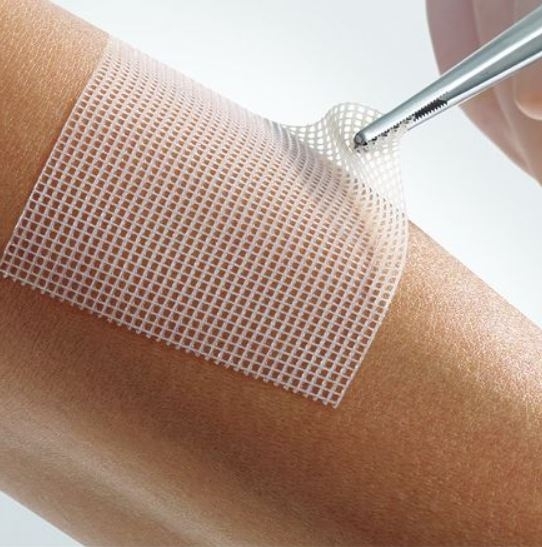
Hydrogels: A Podiatrist’s Perspective
In podiatry and wound care, one of our biggest challenges is finding the right dressing for each wound at the right time. Over the years, I’ve used many different types, but hydrogel dressings have earned their place in my clinic. They’re not a one-size-fits-all solution - but when used appropriately, they can make a huge difference to healing outcomes and patient comfort.
What Are Hydrogel Dressings?
Hydrogel dressings are soft, flexible wound coverings that contain a high percentage of water (often 80–90%) held in a gel base. That water content is key. Unlike traditional dry dressings that can stick painfully to wounds and disrupt healing, hydrogels are designed to hydrate, soothe and support the wound environment.
They come in several forms: sheets, amorphous gels or impregnated gauze. Some have added ingredients like alginate or antimicrobials to enhance their function. But at their core p they’re all about maintaining or adding moisture, which we know is vital in promoting healing in many wound types.
Why Moisture Matters in Wound Healing
One of the most significant shifts in wound care over the past few decades has been the move from letting wounds “air out” to keeping them moist. Research has consistently shown that a moist wound environment supports faster cell growth, reduces pain and lowers the risk of scarring.
Dry wounds form a crust (or eschar) that can slow healing. When wounds are too wet, maceration becomes a risk. Hydrogel dressings hit that sweet spot for wounds that are too dry, necrotic or sloughy - by rehydrating the tissue and promoting gentle autolytic debridement.
When I Use Hydrogel Dressings
In practice, I tend to reach for a hydrogel when managing:
- Pressure ulcers and diabetic foot ulcers, particularly when the wound bed is dry or covered with necrotic tissue.
- Venous leg ulcers that need some extra hydration.
- Painful wounds - patients often report reduced discomfort when switching to hydrogel dressings.
- Wounds in awkward places, where conformability is key. The sheets are flexible and mould nicely around the foot and ankle.
Hydrogels can be especially helpful in palliative wound care, where the goal isn’t always complete healing, but comfort, cleanliness and dignity.
Key Benefits of Hydrogel Dressings
Dry, sloughy or necrotic wounds benefit from a moist environment that encourages the body’s natural debridement process. Hydrogels help break down dead tissue gently—without the need for harsh mechanical removal.
2. Pain Relief
This is a big one. Many of my patients report feeling immediate relief when we apply a hydrogel. The cooling sensation is genuinely soothing. Because these dressings don’t stick to the wound bed, removal tends to be much less traumatic too.
3. Support Autolytic Healing
Autolysis - the body’s natural method of cleaning a wound p requires moisture. Hydrogels promote this process, helping wounds clear up and move forward in the healing stages.
4. Conformability and Protection
Hydrogels are soft and flexible, which makes them ideal for contoured or bony areas like the heel or ankle. They provide a bit of cushioning as well, protecting vulnerable tissue from further trauma or pressure.
5. Transparency and Monitoring
Many hydrogel sheets are semi-transparent, allowing us to monitor the wound without peeling the dressing off unnecessarily. This helps avoid repeated disturbance to delicate tissue.
Things to Keep in Mind
Hydrogel dressings are excellent in the right context, but they’re not suitable for all wounds. For example:
- They aren’t the best option for heavily exuding wounds.
- They should be used with caution in infected wounds unless combined with an antimicrobial dressing or gel.
- They require a secondary dressing to hold them in place and protect the area.
As with all wound care products, it’s about clinical judgement. There’s no substitute for a good assessment and tailoring the approach to the individual.
In a Nutshell
In my experience, hydrogel dressings are underused and sometimes misunderstood. They aren’t fancy or high-tech, but they work. For dry, painful, necrotic or shallow wounds, they can offer a more comfortable and effective healing experience, especially when part of a broader, well-planned treatment.
Popular Dressings
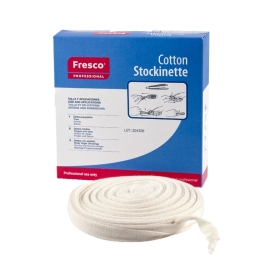
Tubular Gauze Stockinette Toe Dressing - Size 00 £3.13 £2.61
Sold: 20m Roll
Incl. VAT Exl. VAT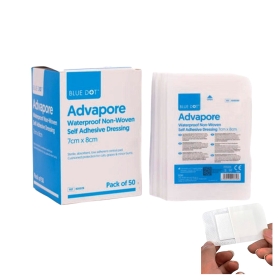
Advapore Waterproof Non-Woven Adhesive Wound Dressing - 7cm x 8cm £5.89 £4.91
Sold: Pack of 50
Incl. VAT Exl. VAT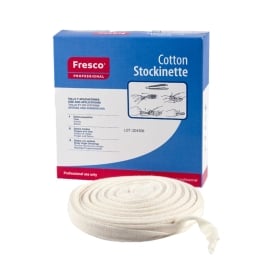
Tubular Gauze Stockinette Toe Dressing - Size 01 £4.58 £3.82
Sold: 20 Metre Roll
Incl. VAT Exl. VAT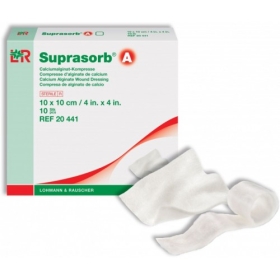
Suprasorb A Calcium Alginate Dressing - 10cm x 10cm £27.71 £23.09
Sold: Box of 10
Incl. VAT Exl. VAT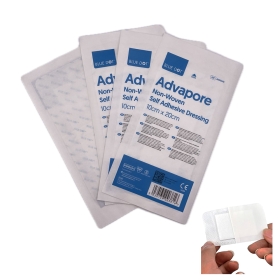
Advapore Fabric Non-Woven Adhesive Wound Dressing - 10cm x 20cm (x150) £34.10 £28.42
Sold: 3 packs of 50
Incl. VAT Exl. VAT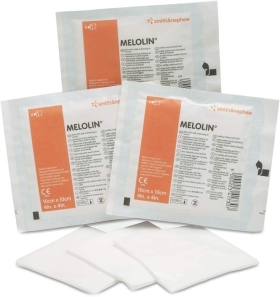
Melolin Dressings - Non-Adherent Sterile - Various Widths £12.46 £10.38
Sold: Box of 100
Incl. VAT Exl. VAT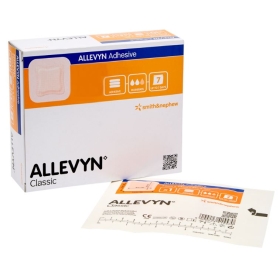
Allevyn Dressing - Adhesive - 7.5cm x 7.5cm £30.31 £25.26
Sold: Pack of 10
Incl. VAT Exl. VAT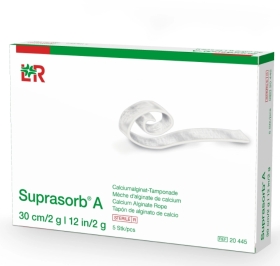
Suprasorb A Calcium Alginate Rope - Sterile £26.00 £21.67
Sold: Box of 5 pieces
Incl. VAT Exl. VAT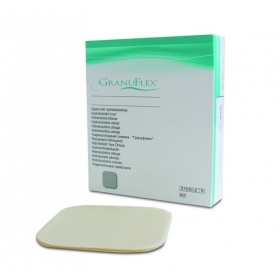
Granuflex Hydrocolloid Dressings for Chronic Wounds £66.65 £55.54
Sold: Pack of 10
Incl. VAT Exl. VAT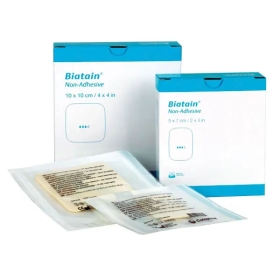
Biatain Non-Adhesive Dressing - 5cm x 7cm £35.54 £29.62
Sold: Pack of 10
Incl. VAT Exl. VAT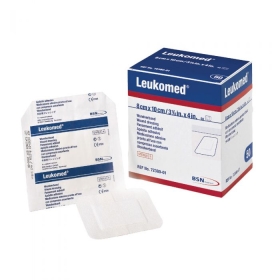
Leukomed Dressing £4.80 £4.00 £10.73 £8.94
Sold: Pack of 50
Incl. VAT Exl. VATSold: Pack of 50
Incl. VAT Exl. VAT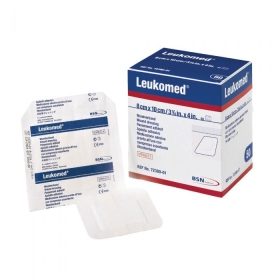
Leukomed Dressing £21.00 £17.50
Sold: Pack of 50
Incl. VAT Exl. VAT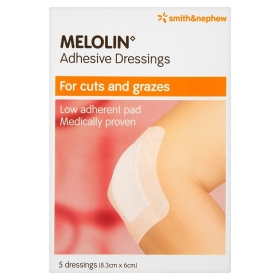
Melolin Wound Adhesive Dressings - 2 Sizes £6.40 £5.33
Sold: Pack of 5
Incl. VAT Exl. VAT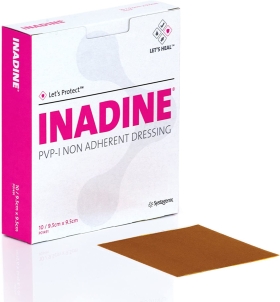
INADINE PVP-I Iodine Non-Adherent Dressings - 9.5cm x 9.5cm £19.54 £16.28
Sold: Pack of 10
Incl. VAT Exl. VAT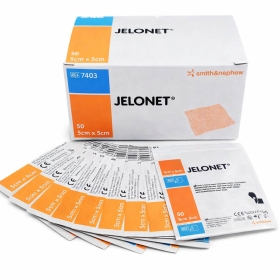
JELONET Paraffin Gauze Dressing - 5cm x 5cm £17.60 £14.67
Sold: Pack of 50
Incl. VAT Exl. VAT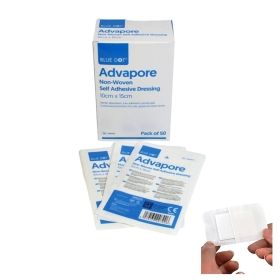
Advapore Fabric Non-Woven Adhesive Wound Dressing - 10cm x 15cm £9.28 £7.73
Sold: Pack of 50
Incl. VAT Exl. VAT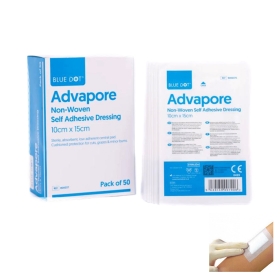
Advapore Adhesive Wound Dressing - 10cm x 15cm (x150) £26.12 £21.77
Sold: 3 packs of 50
Incl. VAT Exl. VAT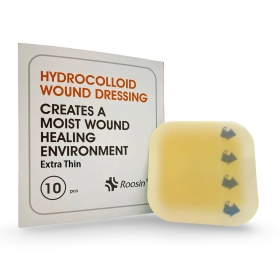
Hydrocolloid Wound Dressing - Extra Thin - Adhesive - 10cm x 10cm £9.60 £8.00
Sold: Box of 10
Incl. VAT Exl. VAT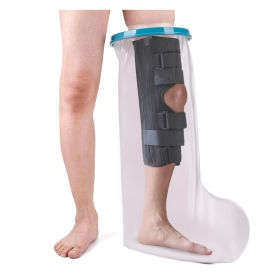
Multicast Waterproof Adult Long Leg Cast Cover - 42'' (106.7cm) £18.83 £15.69
Sold: Each
Incl. VAT Exl. VAT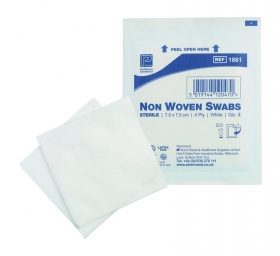
Non-Woven Sterile Gauze Swabs 7.5cm x 7.5cm £8.81 £7.34
Sold: Pack of 200
Incl. VAT Exl. VAT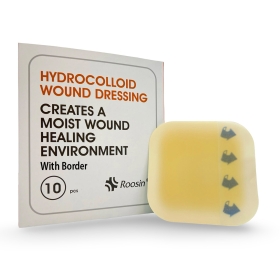
Hydrocolloid Wound Dressing - With Border - Adhesive - 10cm x 10cm £9.60 £8.00
Sold: Box of 10
Incl. VAT Exl. VAT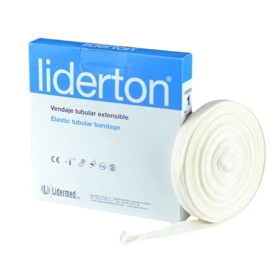
Tubular Gauze Stockinette Toe Dressing - Size 12 Bulky £5.63 £4.69
Sold: 20 Metre Roll
Incl. VAT Exl. VAT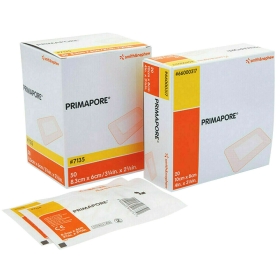
Primapore Dressing - Waterproof £10.38 £8.65
Sold: Various Pack Sizes
Incl. VAT Exl. VAT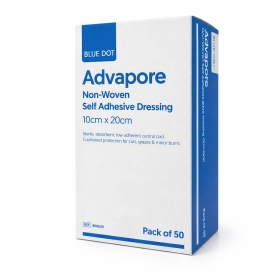
Advapore Fabric Non-Woven Adhesive Wound Dressing - 10cm x 20cm £12.08 £10.07
Sold: Pack of 50
Incl. VAT Exl. VAT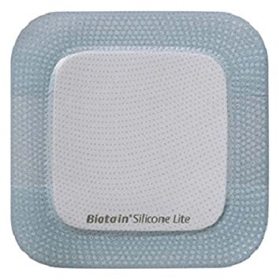
Biatain Silicone Lite Foam Dressing for Exuding Wounds £34.88 £29.07
Sold: Pack of 10
Incl. VAT Exl. VAT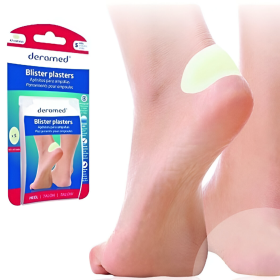
Deramed Hydrocolloid Blister Plasters £5.89 £4.91
Sold: Pack of 5
Incl. VAT Exl. VAT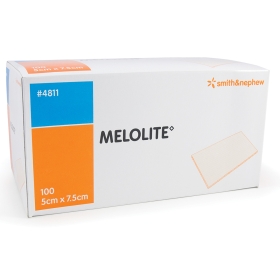
Melolite Non-Adherent Sterile Dressings - 5cm x 7.5cm £18.61 £15.51
Sold: Pack of 100
Incl. VAT Exl. VAT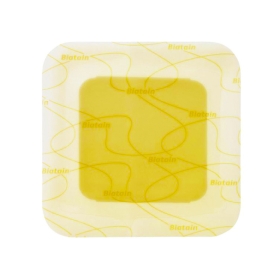
Biatain Adhesive Advanced Wound Dressing - Hydrocolloid £26.14 £21.78
Sold: Various Pack Sizes
Incl. VAT Exl. VAT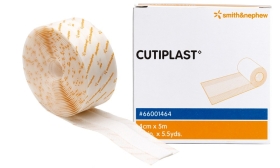
Cutiplast Steril Roll Low Adherent Dressing £9.94 £8.28
Sold: Roll of 6.5cm x 5m
Incl. VAT Exl. VAT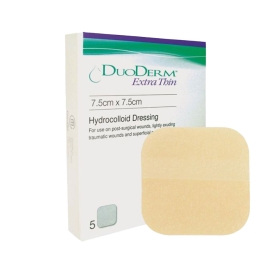
DuoDerm Extra Thin Hydrocolloid Dressings £13.33 £11.11
Sold: Pack of 5
Incl. VAT Exl. VAT
Further Reading
-
January 25, 2026
-
January 22, 2026
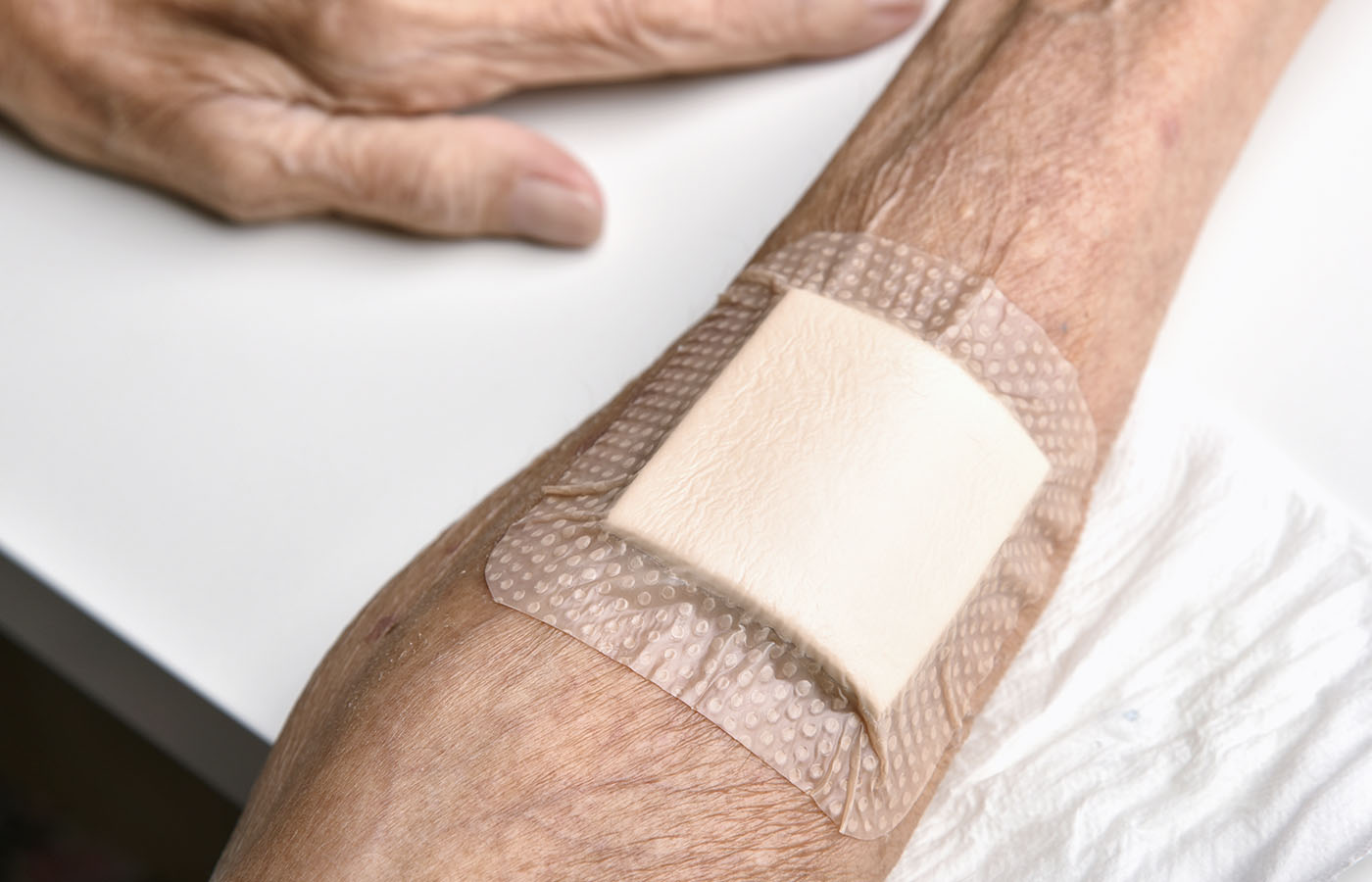
Proper wound care is crucial for healing and preventing infection. Modern wound dressings are designed to keep wounds in a moist, protected environment, which research has shown helps skin cells grow and wounds heal faster.
-
June 01, 2025
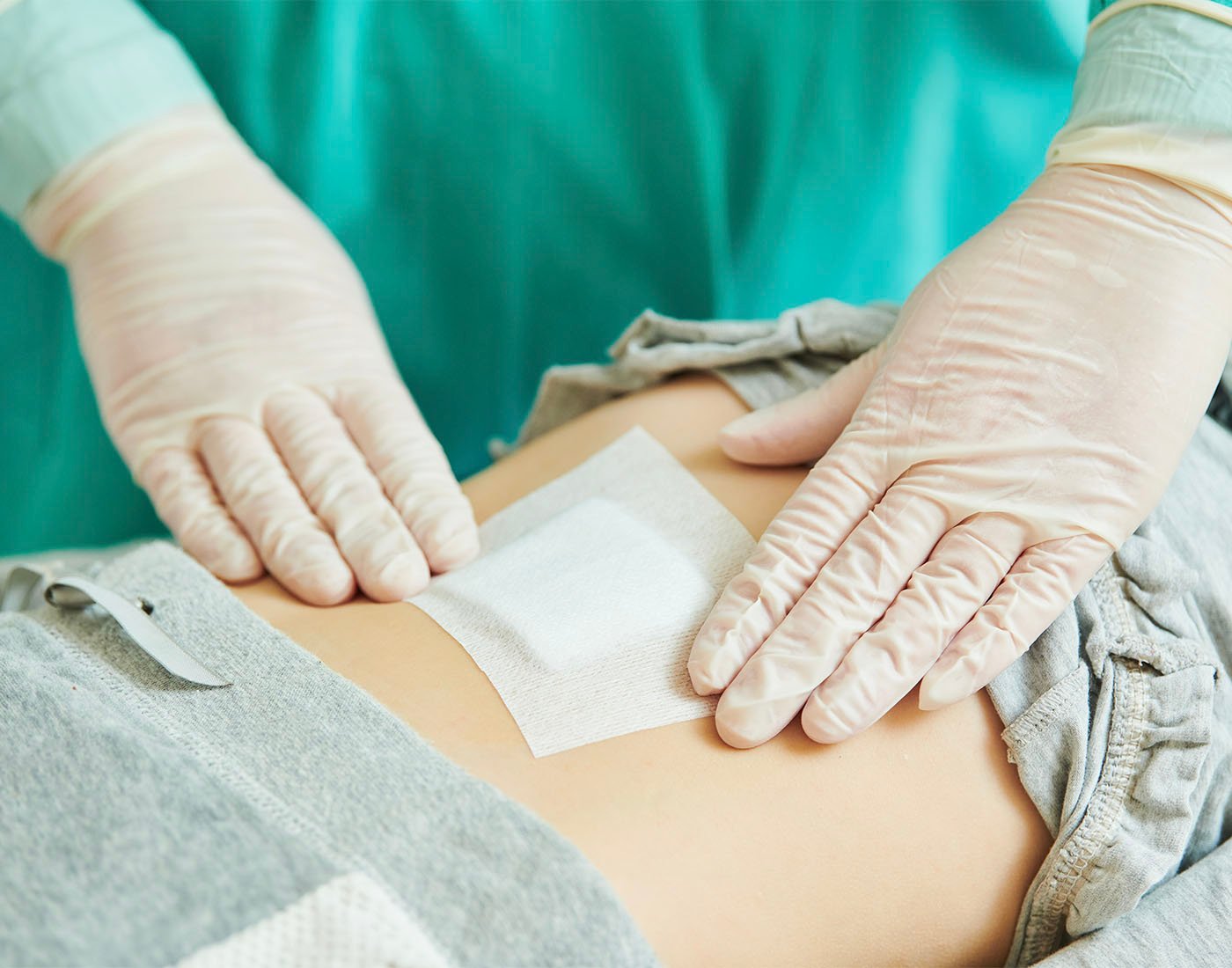
Wound dressings are an important part of medical care. They help protect wounds, promote healing, and lower the risk of infection. With many types of dressings available, it’s important to know their differences and uses. This is especially true when treating wounds of different severity.
-
April 30, 2025
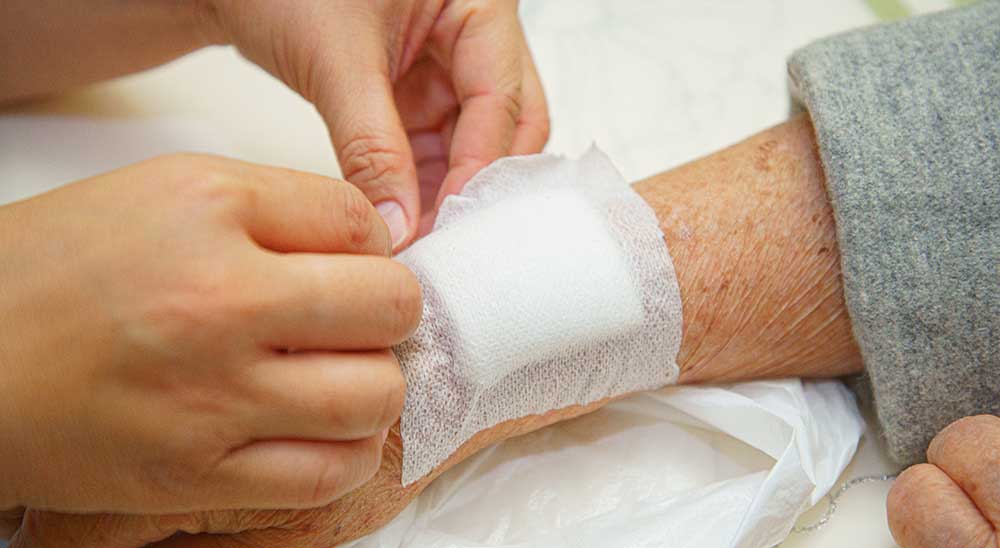
In the UK, wound care is an essential part of the NHS and is often managed by GPs, practice nurses and community healthcare teams. Choosing the right wound dressing can promote faster healing, improve comfort and essentially reduce complications. Below is a summary of the main dressing types used across NHS and community settings. -
March 11, 2025
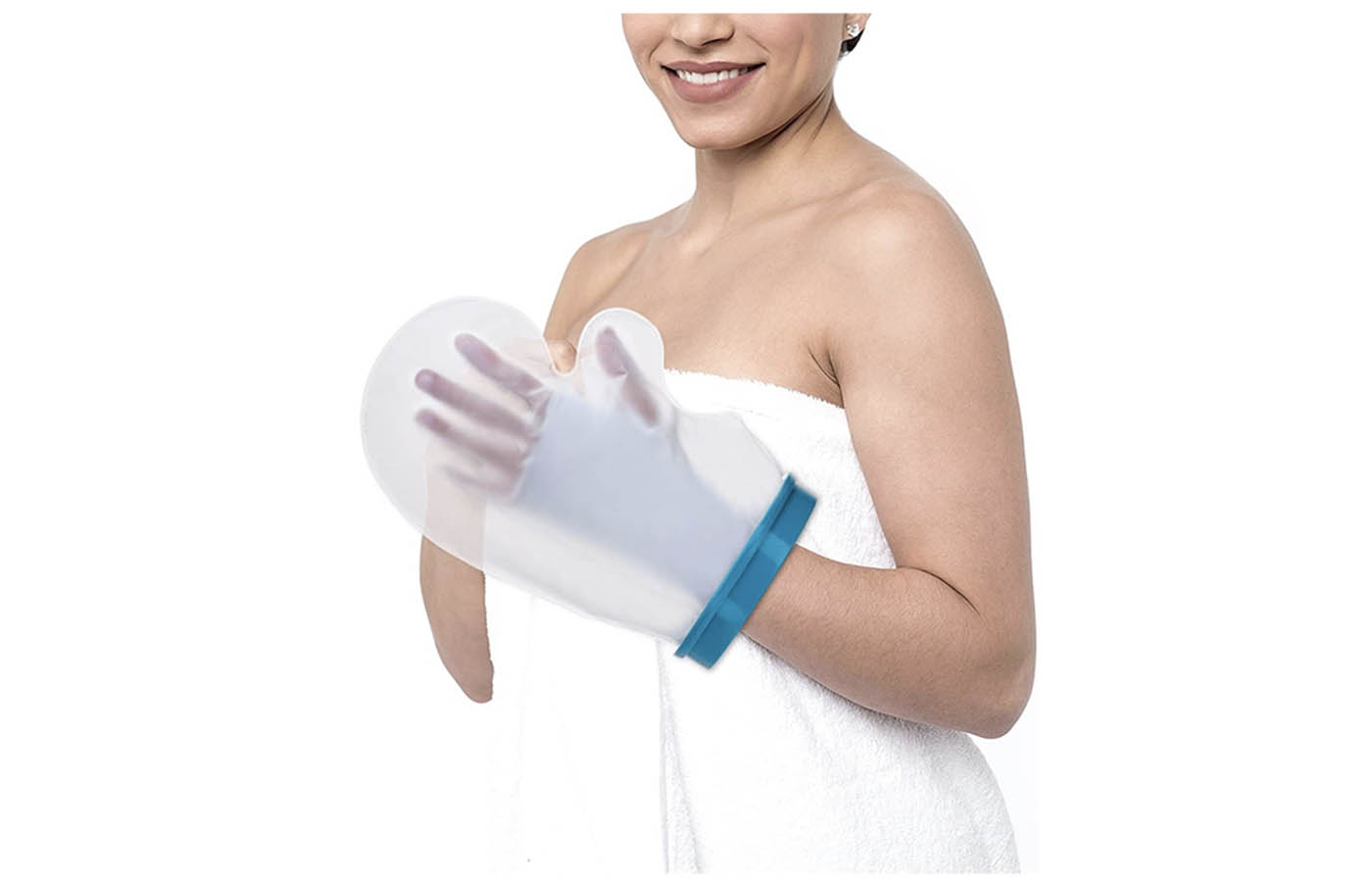
Breaking a bone is difficult enough - dealing with a cast shouldn't make life harder. Whether it's your arm, leg, ankle or wrist in a cast, cast protection is essential for comfort, hygiene and most importantly recovery.
If you've ever wondered how to protect a casted limb from water, knocks, dirt or discomfort, our guide covers it all.
-
May 02, 2024
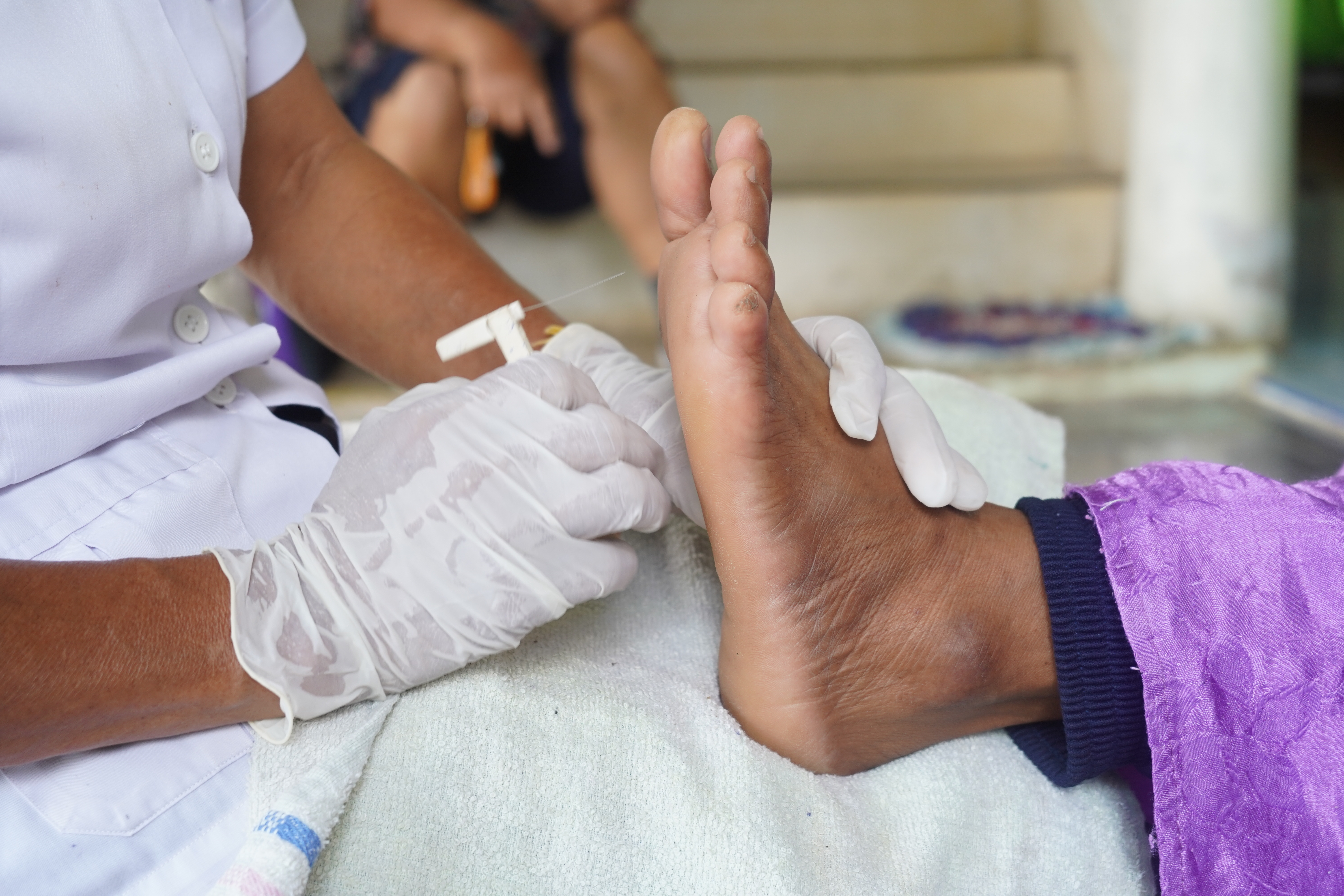
Diabetes is one of the most common diseases amongst adults in the UK, affecting roughly 4.3 million people and responsible for 174 amputations every week. Diabetic foot ulcers occur in between 10% and15% of people living with diabetes and, if left unmanaged, can lead to serious complications for the individual.
-
September 29, 2022
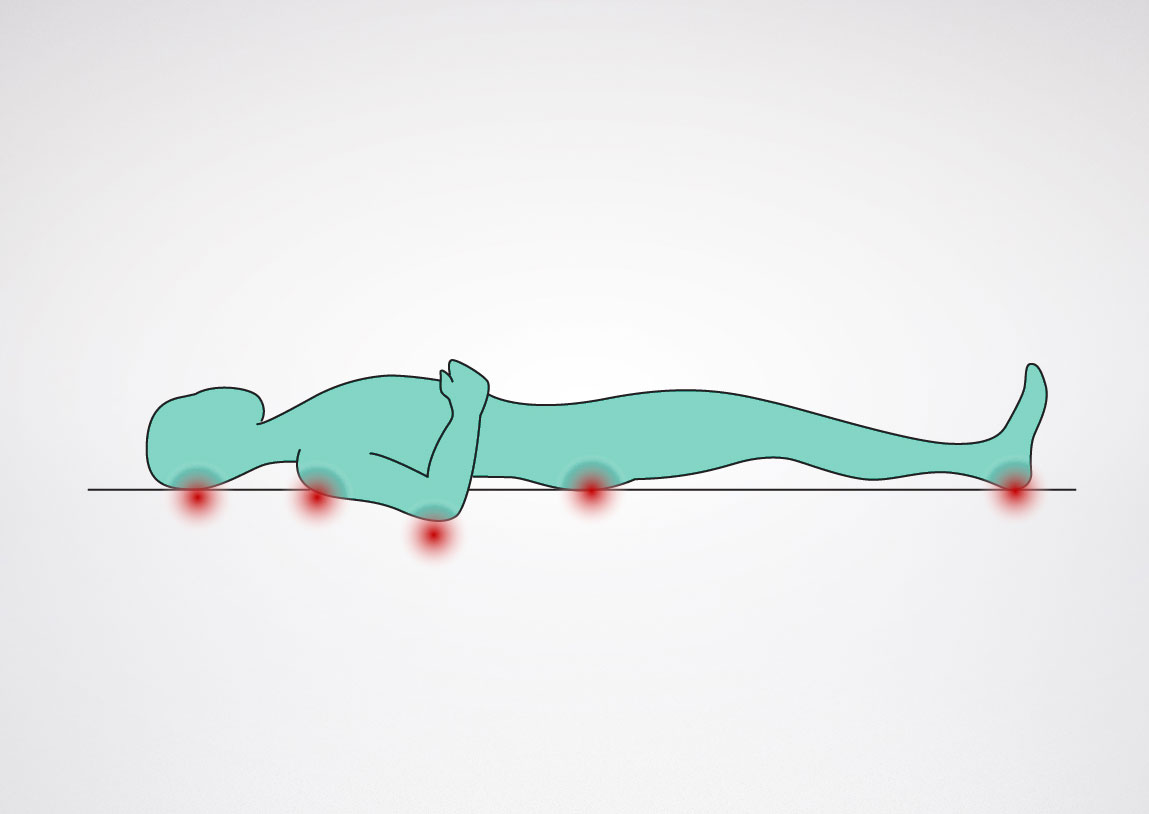
A pressure ulcer is an injury to the skin and underlying tissue, typically occurring when a person is confined to a bed or chair for prolonged periods of time. By disrupting the blood flow to an area under consistent pressure causes the skin to expand, which then develops into a pressure ulcer.
Sold: Box of 10
Incl. VAT Exl. VAT