




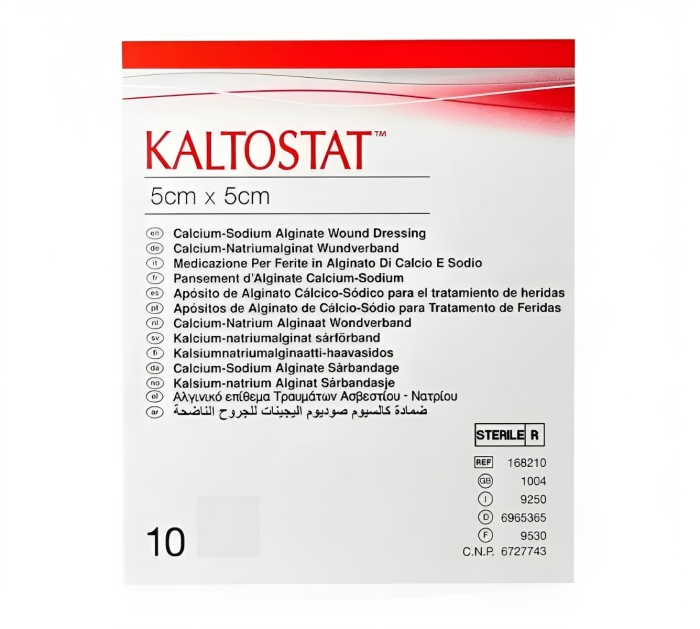
Kaltostat Haemostatic Sterile Dressing - Non-Adherent (10)
Sterile calcium-sodium alginate dressing designed for moderately to heavily exuding wounds.
Forms a soft gel on contact with exudate to support a moist wound environment.
Haemostatic properties help manage minor bleeding with non-traumatic removal.
Suitable for a wide range of acute and chronic wounds, including ulcers and donor sites.

Product Description
Haemostatic Alginate Wound Dressing for Moderate to High Wound Exudate
A sterile, highly absorbent calcium-sodium alginate dressing designed to manage moderate to high wound exudate while supporting a moist healing environment.
Best for: Moderately to heavily exuding acute and chronic wounds, including ulcers and wounds with minor bleeding.
Not ideal for: Dry or minimally exuding wounds where moisture balance cannot be maintained.
- Alginate-based dressing for effective exudate management
- Supports haemostasis in minor bleeding
- Latex-free formulation
What is it?
Kaltostat Haemostatic Sterile Dressing is a primary wound dressing made from calcium-sodium alginate fibres. It is designed for direct contact with the wound bed, particularly where there is moderate to heavy exudate or minor bleeding. When the fibres come into contact with wound fluid, they interact to form a cohesive, moist gel that conforms gently to the wound surface.
This gelling action helps absorb excess exudate while maintaining a moist environment, which is widely recognised as an important factor in effective wound management. The dressing remains intact during wear, allowing for removal with minimal disruption to the wound surface.
Who is it for?
This dressing is suitable for adults and healthcare-informed users managing a range of acute and chronic wounds. It is commonly used in clinical, community, and home-care settings where professional wound care guidance is available.
It may be appropriate for:
- Individuals with chronic leg, pressure, or diabetic ulcers
- Patients managing acute wounds such as donor sites or abrasions
- Situations where minor bleeding requires gentle haemostatic support
- Wounds producing moderate to high levels of exudate
What does it help with?
- Leg ulcers: Helps manage high exudate levels that can delay healing
- Pressure ulcers: Supports moisture balance in vulnerable tissue
- Diabetic ulcers: Assists in absorbing excess fluid while remaining non-adherent
- Fungating lesions: Helps contain exudate and support wound hygiene
- Donor sites: Provides absorbency and gentle haemostatic action
- Abrasions: Supports clean wound coverage during early healing
How does it work?
The calcium-sodium alginate fibres in Kaltostat interact with sodium ions in wound exudate. This exchange transforms the dry fibres into a soft, moist gel that closely follows the contours of the wound bed. The gel structure traps exudate within the dressing, reducing the risk of maceration to surrounding skin.
The calcium component of the alginate can support haemostasis by aiding clot formation in minor bleeding. At the same time, the non-adherent gel structure helps protect newly forming tissue and allows for relatively atraumatic removal when the dressing is changed.
Expected comfort and use timeline
First use: On initial application, the dressing may feel slightly firm before it begins to gel. As it absorbs exudate, it softens and conforms to the wound surface.
Short-term use (first few days): During the early stages of treatment, exudate levels may be higher and dressing changes may be required daily. The dressing is designed to remain comfortable while managing fluid effectively.
Ongoing use (weeks): As healing progresses and exudate levels reduce, dressing changes may become less frequent. The choice of secondary dressing may also be adjusted to maintain appropriate moisture balance.
Problem and solution overview
| Common problem | How the dressing helps |
|---|---|
| Excess wound fluid | Highly absorbent fibres trap exudate within a gel structure |
| Minor bleeding | Calcium alginate supports natural clotting processes |
| Risk of dressing adherence | Gel formation reduces sticking to the wound bed |
| Frequent dressing changes | High absorbency can allow longer wear compared to basic dressings |
Key benefits
- Supports a moist wound healing environment
- Highly absorbent for moderate to heavily exuding wounds
- Non-adherent removal helps minimise wound trauma
- Haemostatic properties for minor bleeding
- Can be cut or folded to suit wound size
- Latex-free for broader compatibility
Fit and comfort check
The dressing should sit comfortably within the wound margins. It should feel comfortable, not painful. If discomfort, excessive dryness, or leakage occurs, reassess the fit or secondary dressing choice. Avoid overpacking deep wounds, as this may cause pressure.
Common mistakes to avoid
- Using on dry wounds where insufficient exudate is present
- Leaving the dressing in place beyond seven days without review
- Failing to adjust the secondary dressing as exudate levels change
- Overpacking cavities, which may impair comfort or drainage
How to use
- Cleanse the wound according to standard practice.
- Cut or fold the dressing to match the wound dimensions.
- Apply directly to the wound bed as a primary dressing.
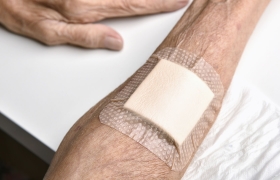
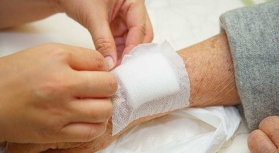
- Secure with an appropriate secondary dressing based on exudate level.
- Change the dressing when saturated or when strike-through occurs.
- If removal is difficult, moisten with sterile saline before lifting away.
Technical specifications
| Product type | Sterile haemostatic alginate wound dressing |
|---|---|
| Material | Calcium-sodium alginate fibres |
| Size | 5 cm x 5 cm |
| Pack size | Pack of 10 dressings |
| Latex content | Latex-free |
| Fit | Universal; can be cut or folded |
| Care and disposal | Single-use; dispose of according to clinical waste guidelines |
Frequently asked questions
Can this dressing be used on infected wounds?
It may be used on wounds showing signs of infection, but daily dressing changes are recommended and appropriate adjunct therapy should be initiated.
How often should the dressing be changed?
Changes depend on exudate levels. Daily changes may be required initially, with reduced frequency as healing progresses. It should not be left in place longer than seven days.
Is it suitable for lightly exuding wounds?
For lightly exuding wounds, careful use with an appropriate secondary dressing such as a semi-permeable film may be considered, but it is primarily intended for higher exudate levels.
Will it stick to the wound?
When used correctly, the gel formation helps minimise adherence. Moistening with saline can assist removal if needed.
Can it be used with other wound care products?
Yes, it is generally compatible with a range of secondary dressings and adjunct wound care products.
Is it comfortable for ongoing wear?
Most users find it comfortable once gelled, provided it is correctly sized and supported with a suitable secondary dressing.
Complementary and pairing suggestions
This dressing is commonly used alongside secondary absorbent pads, non-adhesive retention dressings, or semi-permeable films depending on exudate levels. Skin barrier products may also be considered to protect surrounding skin in heavily exuding wounds.
Content credibility
Written by: Algeos Product & Clinical Content Team
Last reviewed: February 2026
This content is intended to support informed purchasing and product understanding. It does not replace professional diagnosis or individual medical advice.
Frequently bought together
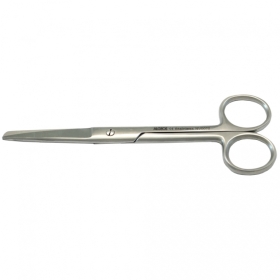
Sold: Each
Incl. VAT Exl. VAT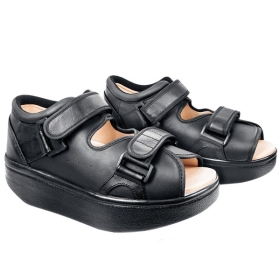
Sold: Pair
Incl. VAT Exl. VAT
Sold: Pack of 50
Incl. VAT Exl. VAT
Sold: each
Incl. VAT Exl. VAT
Sold: Pack of 50
Incl. VAT Exl. VAT
Sold: Pack of 100
Incl. VAT Exl. VAT
Sold: Pack of 25
Incl. VAT Exl. VAT
Sold: Pack of 10
Incl. VAT Exl. VAT
Sold: Pack of 5
Incl. VAT Exl. VAT
Sold: Pack of 100
Incl. VAT Exl. VAT
Sold: Roll of 6.5cm x 5m
Incl. VAT Exl. VAT
Sold: Pack of 10
Incl. VAT Exl. VAT
Sold: Pack of 50
Incl. VAT Exl. VAT
Sold: Pack of 10
Incl. VAT Exl. VAT
Sold: Pack of 10
Incl. VAT Exl. VAT
Sold: Pack of 50
Incl. VAT Exl. VATSold: Pack of 50
Incl. VAT Exl. VAT
Sold: Pack of 50
Incl. VAT Exl. VAT
Sold: Various Pack Sizes
Incl. VAT Exl. VAT
Sold: Pack of 10
Incl. VAT Exl. VAT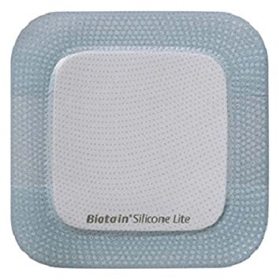
Sold: Pack of 10
Incl. VAT Exl. VAT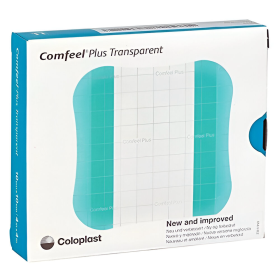
Sold: Pack of 10
Incl. VAT Exl. VAT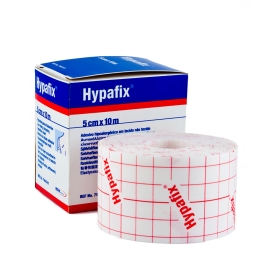
Sold: 10m Roll
Incl. VAT Exl. VAT
Sold: Pack of 10
Incl. VAT Exl. VAT