




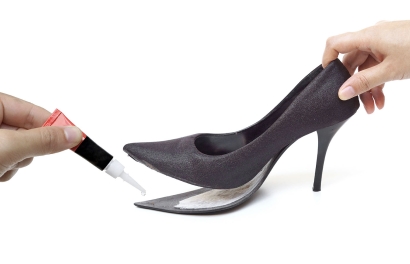
When your favourite pair of shoes starts to come apart, you do not always need to replace them. Sometimes, the right adhesive can give them a new lease of life. A small area of sole separation or a loose piece of trim may be repairable, provided the materials are still sound.
The best glue for shoes depends on the materials, the size of the repair and how much the area flexes. In this guide, we compare super glue, rubber cement and contact adhesive, explain where the terms overlap, and cover preparation, curing and common mistakes.
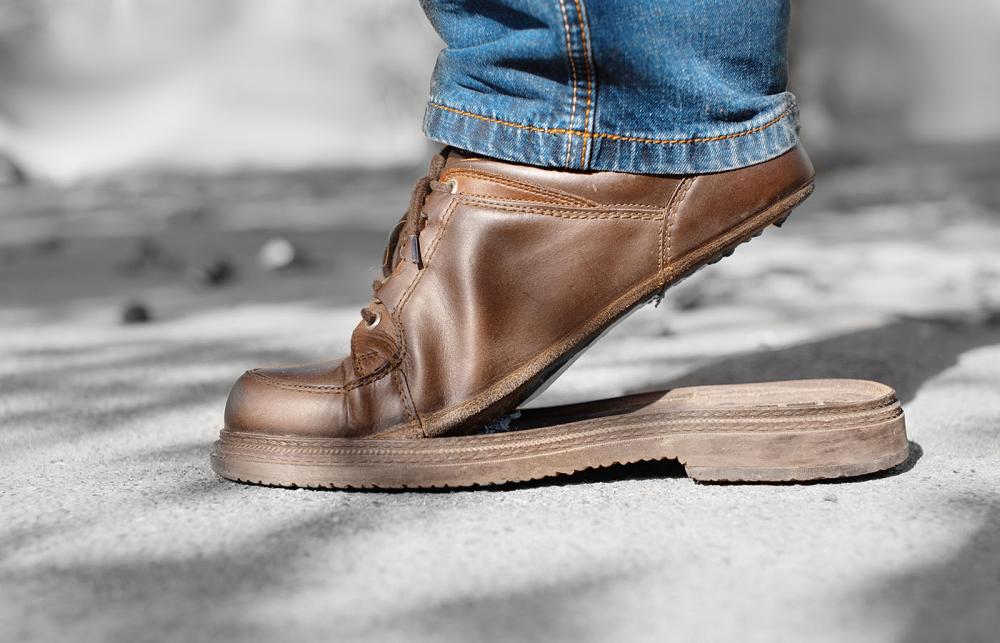
What to look for in shoe glue
- Material compatibility: check that the adhesive is suitable for both surfaces, whether leather, rubber, foam, fabric or a particular plastic. One adhesive will not necessarily bond every sole material.
- Flexibility: shoes bend as you walk, so the cured bond needs to suit the movement at the repair.
- Water resistance: choose a product with the resistance needed for its intended use. A water-resistant adhesive does not make the whole shoe waterproof.
- Durability: the adhesive must suit the stresses on the join. A loose trim and a detached sole are different jobs.
- Working and curing times: check when to join the surfaces, how long to apply pressure and how long to wait before wearing the shoes.
- Suitability for the user: some adhesives and primers are intended for professional workshop use. Check the label and safety information before buying.
Browse the range: Contact adhesives Specialist footwear bonding products Adhesive removers and solvents
Super glue, rubber cement and contact adhesive: what is the difference?
These names are not three completely separate categories. “Rubber cement” can describe different rubber-based formulations, including products applied by a contact-bonding method. Choose by the product's specified materials and instructions, rather than the name alone.
1. Super glue (cyanoacrylate)
Super glue can be useful for small, accurately aligned repairs where the formulation is compatible with the materials. Its short working time leaves little opportunity to reposition parts.
Do not assume that every super glue behaves alike. Standard formulations can be too rigid for a repeatedly flexing join, while specialist cyanoacrylates are available for footwear applications. Check the particular grade before using it on a sole or upper.
Advantages:
- Fast initial grip for suitable small repairs.
- Precise application with a nozzle.
- Useful where the mating surfaces fit closely together.
Limitations:
- Very little repositioning time.
- Thin formulations are unsuitable for filling large gaps.
- Excess adhesive can mark the finish; compatibility and appearance should be tested first.
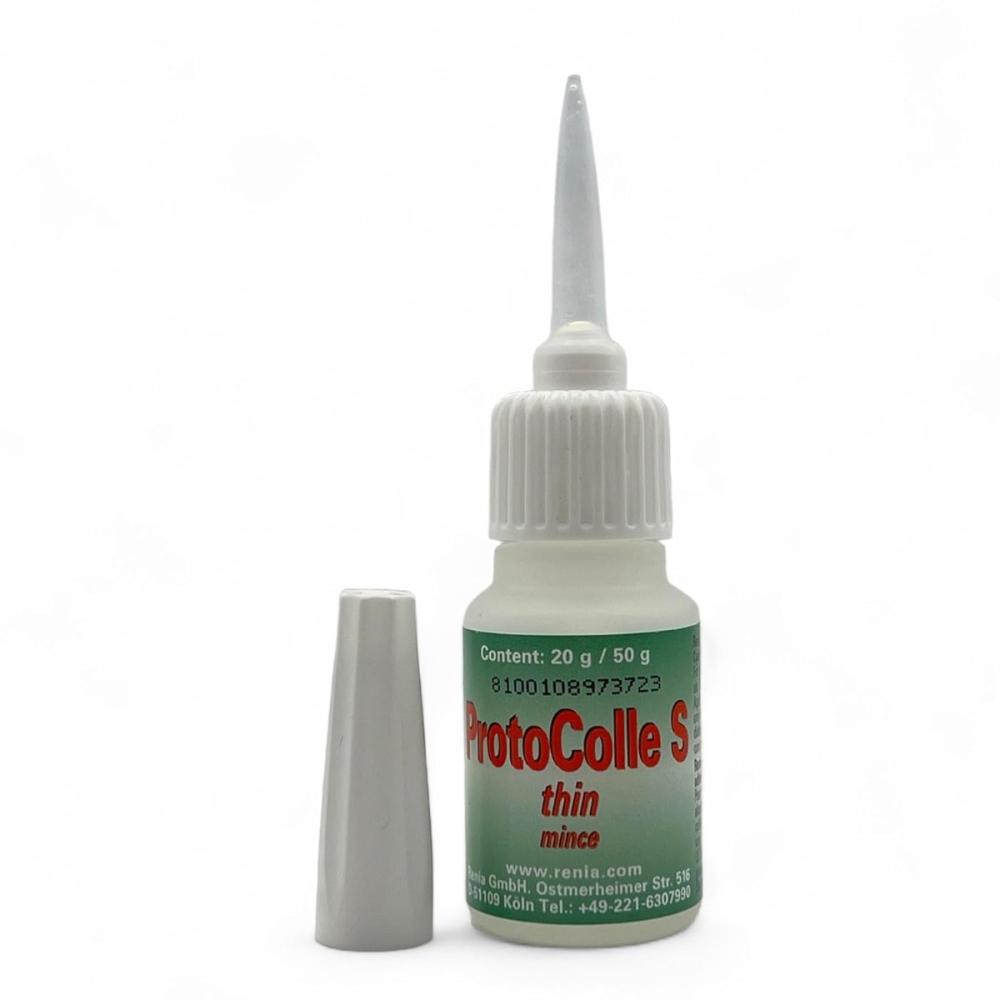
Example: Renia ProtoColle cyanoacrylate adhesive. Select the grade specified for your materials. A quick initial grip does not mean the repair is immediately ready for normal wear.
2. Rubber cement and rubber solutions
Rubber-based adhesives can remain flexible, but their performance and intended applications vary. A general-purpose stationery rubber cement should not be treated as equivalent to a footwear adhesive.
Advantages:
- Suitable formulations provide a flexible bond.
- Footwear products may suit leather, rubber, fabric or other specified materials.
Limitations:
- The name alone does not establish suitability for a sole repair.
- Application, drying and pressure requirements differ between products.
- Do not assume the cured adhesive will be easy to remove without damaging the shoe.
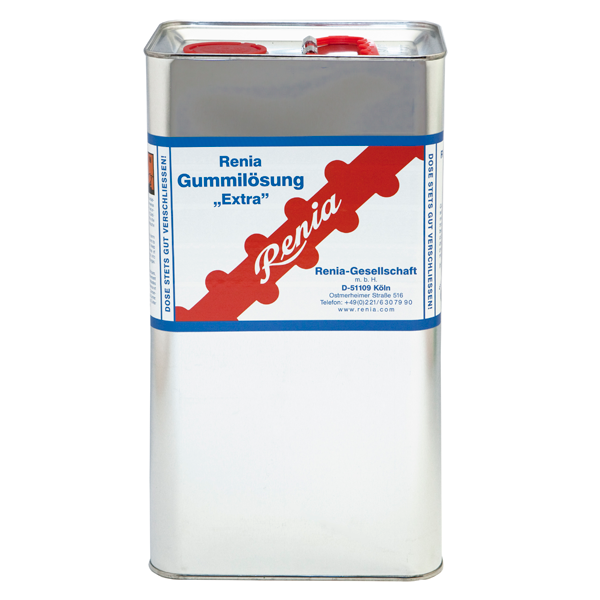
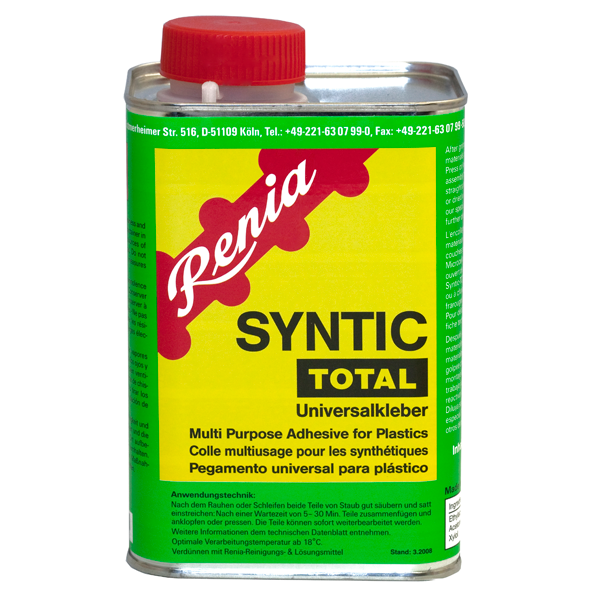
Example: Renia Gummilosung Rubber Adhesive is a natural-rubber-based footwear adhesive. Check its instructions for the materials and repair involved.
3. Contact adhesive
Contact adhesives are widely used for footwear bonding. Typically, adhesive is applied to both surfaces and allowed to dry for the specified period before the parts are aligned and pressed firmly together. The initial bond forms on contact, so positioning matters.
Advantages:
- Suitable formulations produce strong, flexible bonds.
- Useful for larger bonding areas, including compatible sole and upper materials.
- Products are available for many common footwear materials.
Limitations:
- Requires careful preparation, coverage and alignment.
- Joining too early or outside the specified bonding window can compromise the repair.
- Solvent-based formulations require appropriate ventilation and handling precautions.
- Some sole materials need a compatible primer or a different adhesive system.
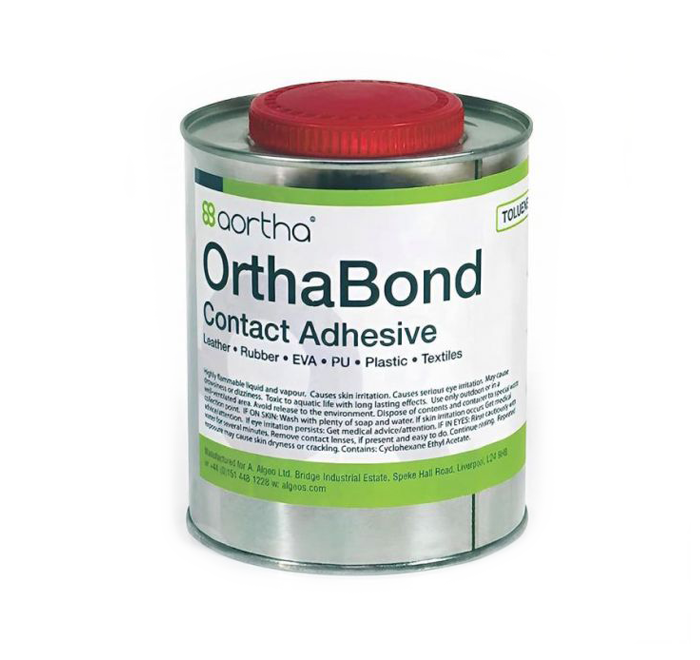
Check the sole material before choosing an adhesive
Leather, rubber, EVA foam, polyurethane (PU or PUR) and thermoplastic rubber (TR) can need different preparation. A method that works on one sole may fail on another.
Some materials require a specific primer and adhesive combination. If the sole is crumbling or the material is deteriorating beneath the join, adding more glue may not produce a dependable repair. Ask a cobbler to assess it.
The Algeos guide to difficult shoe repairs with contact adhesives explains why material identification and preparation matter, particularly for PUR and TR.
How to repair your shoes with glue
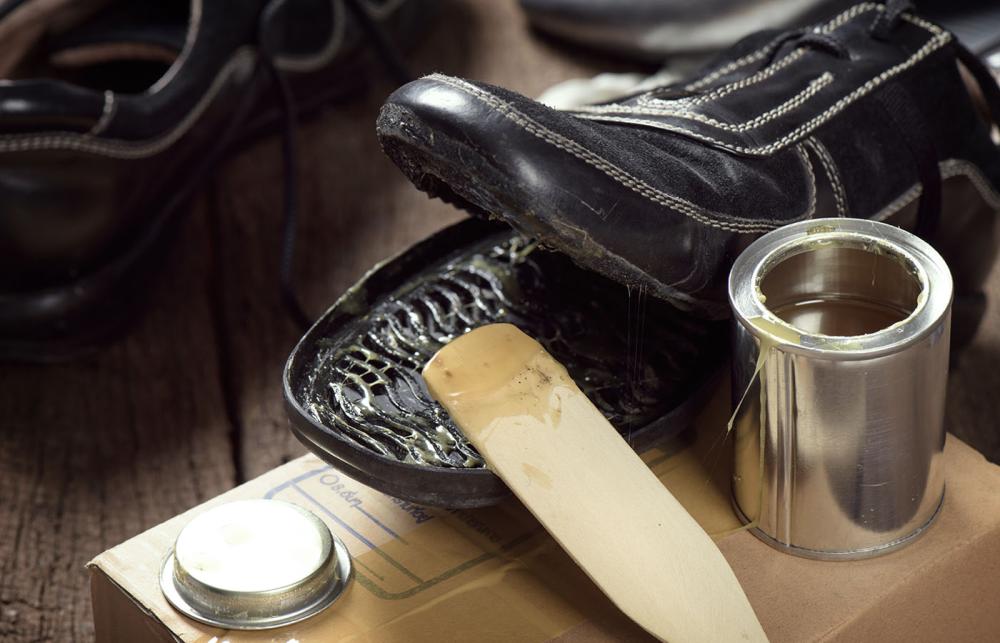
- Assess the damage: check that both surfaces are sound and fit back together. Seek professional repair for a broken heel structure, extensive damage or uncertain sole materials.
- Prepare the area: remove dirt, loose adhesive and contamination using the method recommended for the materials. Abrade only where the adhesive system requires it, and remove the resulting dust.
- Choose a compatible cleaner: do not assume any household cleaner or solvent is suitable. Test on a hidden area and let the surfaces dry fully. Solvents can affect finishes and some plastics.
- Check the alignment: practise bringing the dry parts together before applying adhesive, especially where repositioning will be difficult.
- Apply the adhesive: follow the specified coverage and coat thickness. A cyanoacrylate and a contact adhesive may need different application methods.
- Observe the bonding window: contact adhesives usually need a drying period before joining. Use the current product instructions rather than a universal waiting time.
- Apply pressure: press the surfaces together as directed. Use clamps, weights or other support only where recommended and without distorting the shoe.
- Allow full curing: leave the repair undisturbed for the specified period before wear. Initial grip and maximum strength are different stages.
- Inspect the repair: after curing, check for lifting or movement before returning the shoes to use. If the join separates again, have it assessed rather than repeatedly adding glue.
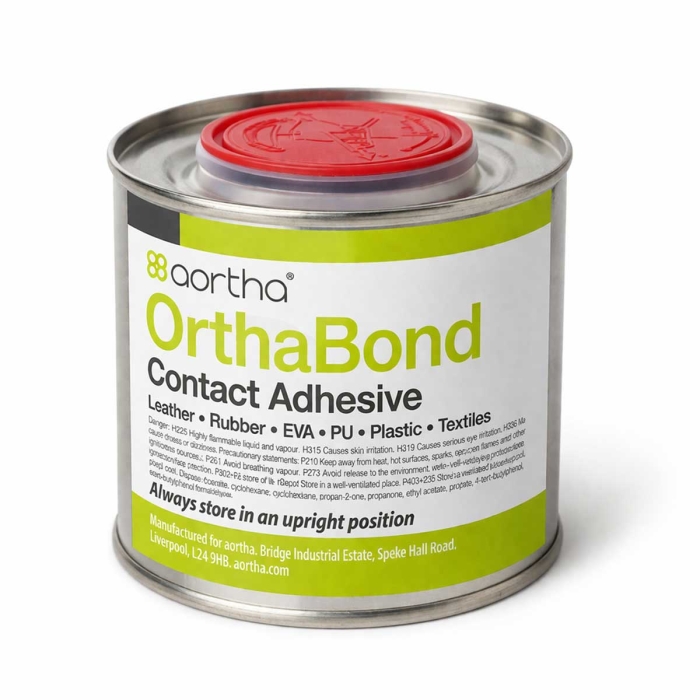
Featured product
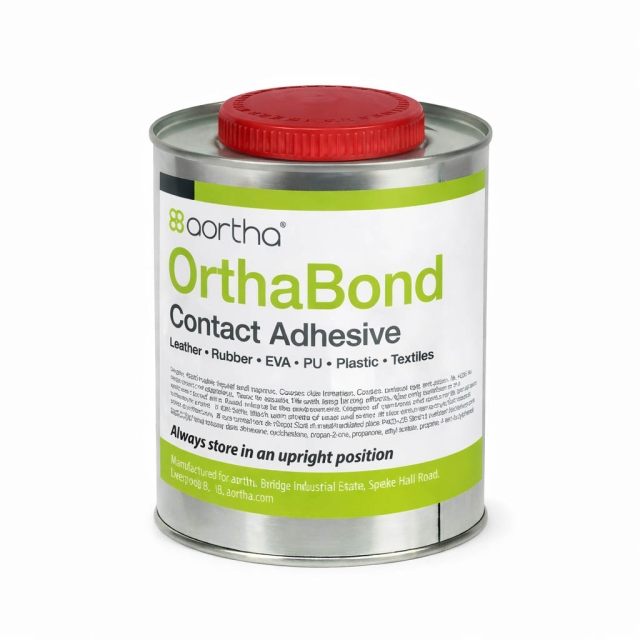
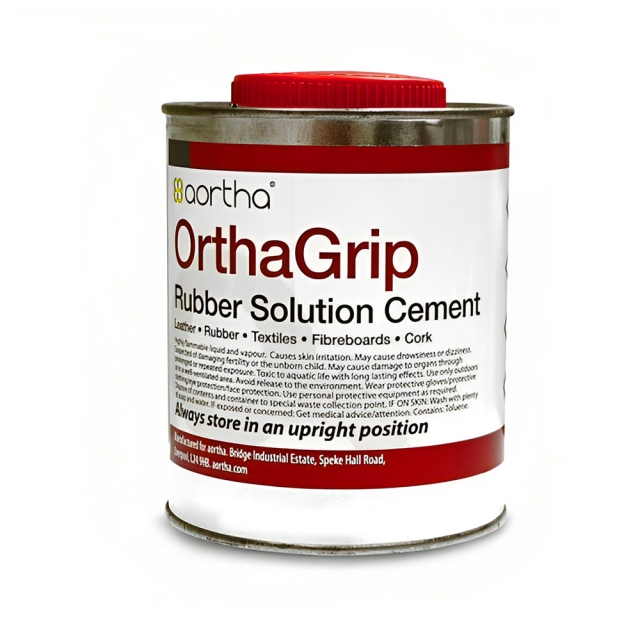
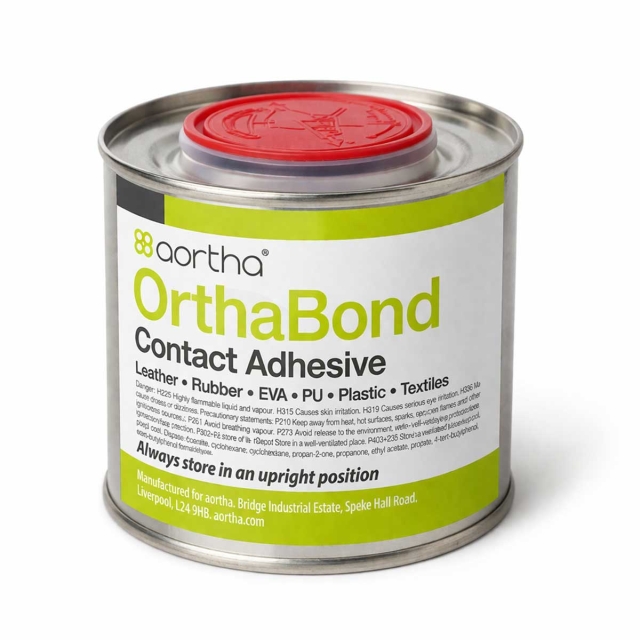
Orthabond Contact Adhesive – 500ml
A neoprene-based contact adhesive for professional shoe repair and workshop bonding. It is designed for compatible materials including leather, rubber, foam and textiles.
- Forms a bond when the prepared, adhesive-coated surfaces are pressed together after the required drying period.
- Remains flexible after curing.
- Supplied in a 500ml tin for professional use.
Check material compatibility and follow the label for drying, pressure and curing requirements. It is not intended for load-bearing structural applications.
Using shoe adhesives safely
Read the label and safety data sheet before opening the container. Solvent-based adhesives can release harmful and flammable vapours; cyanoacrylates can bond skin and eyes rapidly.
- Use the ventilation or extraction specified for the product and task.
- Keep flammable products away from flames, sparks, smoking and other ignition sources.
- Use suitable eye protection and chemical-resistant gloves as directed by the safety data sheet.
- Keep containers closed when not in use and out of children's reach.
- Do not use solvents to clean adhesive from your skin.
For workshop use, consult HSE guidance on solvent-based adhesives for small-scale work (PDF). It includes footwear repairs and explains exposure controls.
Common mistakes to avoid when using glue
Using the right shoe glue is important, but preparation and application matter just as much. Avoid these common causes of a weak repair.
1. Not cleaning the surface properly
Dirt, grease, loose adhesive and moisture can interfere with bonding. Prepare the repair area using a compatible method and allow it to dry before applying adhesive.
2. Using the wrong type of glue
Choose a formulation for the actual materials and movement involved. “Super glue”, “rubber cement” or “all-purpose” on its own is not enough information to establish suitability.
3. Applying too much glue
More glue does not automatically make a stronger bond. Follow the recommended coat thickness and coverage. Excess adhesive can create a mess and interfere with the intended drying or curing process.
4. Skipping the curing time
A repair may feel secure before reaching its full strength. Do not wear the shoes as soon as the adhesive grips. Follow the complete curing period stated for the product.
5. Failing to apply pressure correctly
Press the whole bonding area together as instructed. Leaving gaps or applying pressure only at the edges can weaken the join. Some contact adhesives do not need prolonged clamping, so check rather than assume.
6. Using glue on severely damaged footwear
Adhesive cannot replace missing material, restore a worn-out tread or reliably repair every structural failure. Ask a cobbler about damaged heel structures, deteriorating soles or repairs that repeatedly come apart.
Shoe glue FAQs
What is the best glue for reattaching a shoe sole?
A footwear contact adhesive is often a useful starting point, but the correct choice depends on the sole and upper materials. Some need primers or specialist systems. Identify the materials before choosing, and seek advice if they are unclear.
Can I use super glue on shoes?
Yes, for some small repairs where the specific formulation suits both materials. Check flexibility, gap size and application instructions. Do not assume a general household super glue is suitable for a large sole separation.
Is rubber cement the same as contact adhesive?
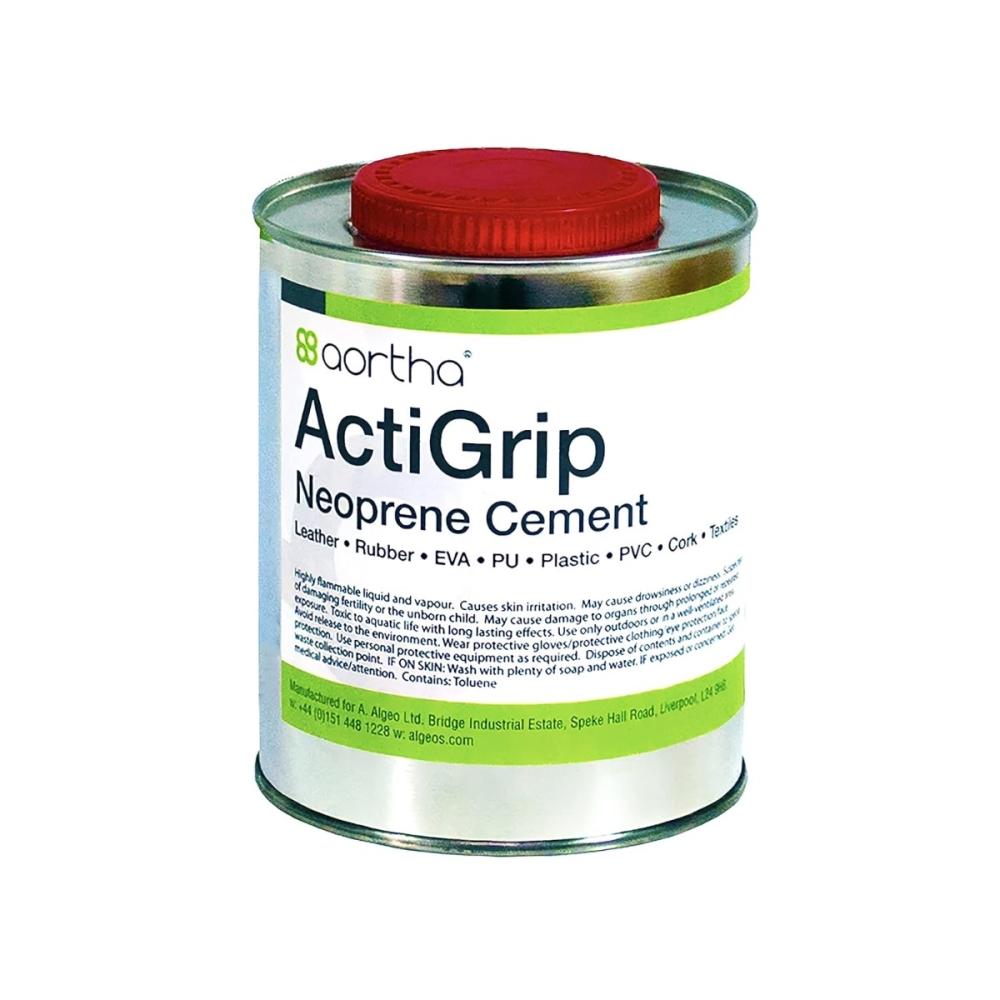
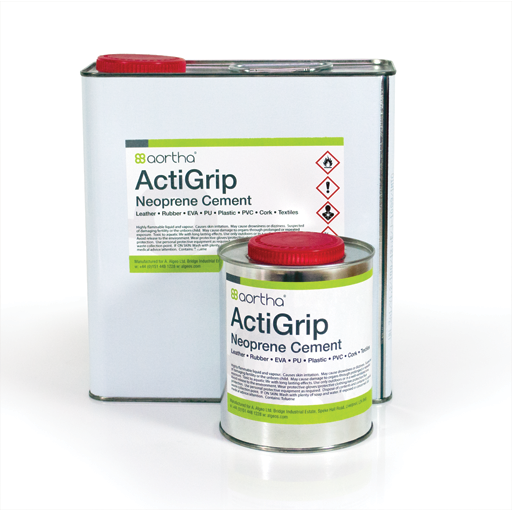
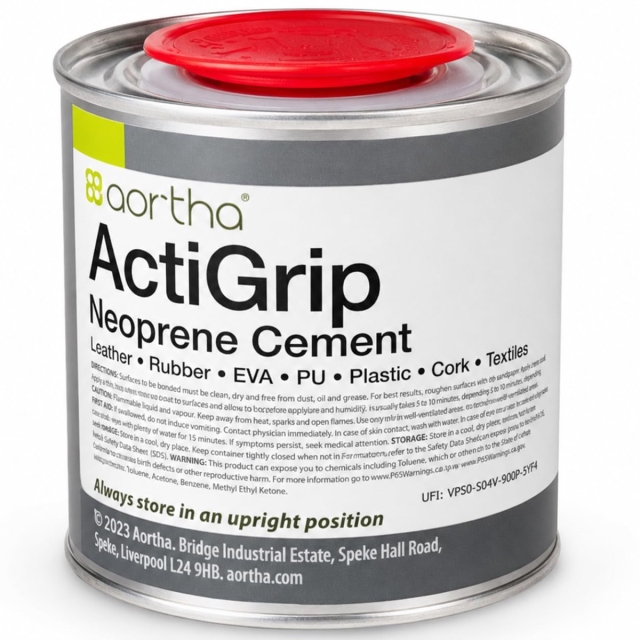
The terms can overlap. Actigrip, for example, is described as rubber adhesive cement and is a neoprene contact adhesive. Check the polymer type, intended use and bonding method rather than relying on the product category name.
How long should shoe glue dry before I wear the shoes?
Follow the product's full curing time, not just its initial drying or handling time. Algeos lists maximum adhesion after 24 hours for Actigrip and Orthabond, but the current label and instructions for your product should guide the repair.
Will gluing the sole make my shoes waterproof?
No. Even if the adhesive resists water after curing, the upper, seams and other joins may still let water in. Do not treat an adhesive repair as a guarantee of waterproof footwear.
Choosing an adhesive for a lasting repair
The best glue for shoes is the one that suits the materials, the repair and the way the shoe moves. Super glue can suit selected small repairs; footwear rubber solutions and contact adhesives offer other bonding options. Their names overlap, so the individual product instructions matter most.
With sound materials, suitable preparation and enough curing time, a repair may extend the life of your favourite footwear. Browse contact adhesives for shoes, or ask a professional repairer when the damage or material is uncertain.
Article updated 26 October 2026. Previously revised 22 January 2026.
Sold: 500ml
Incl. VAT Exl. VAT