



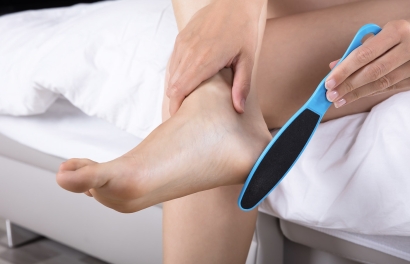
A foot file can be a useful self-care tool for managing dry, thickened skin on the heels and soles. The key is gentle technique. Too much pressure, too much friction or filing the wrong area can leave skin tender, cracked or vulnerable rather than smooth and comfortable.
This guide explains how to use a foot file safely, who should not use one at home and how to build a simple routine that supports skin health rather than stripping it away.
Definition box
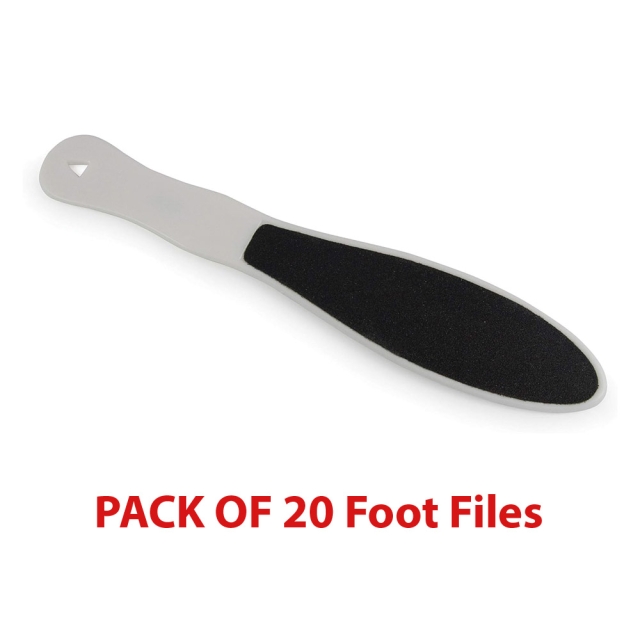
Foot file: A hand-held tool with an abrasive surface used to reduce dry, rough or thickened skin on the feet.
Best used for: Mild to moderate hard skin on the heels and pressure areas.
Not for: Broken skin, bleeding cracks, inflamed areas, suspected infection, moles, warts or skin on feet affected by diabetes-related risk, poor circulation or reduced sensation.
Safe principle: Reduce a little and often. Do not try to remove all hard skin in one session.
How a foot file works - and why safe technique matters
Hard skin usually forms as a protective response to pressure and friction. That means thickened skin is often a sign of repeated load from footwear, gait, dry skin or a bony prominence. Filing can improve comfort and texture by reducing excess build-up, but removing too much can expose tender underlying skin and increase soreness when walking.
That is why clinicians usually favour controlled reduction rather than aggressive removal. The NHS advises gentle use of a foot file or pumice stone for corns and calluses, alongside moisturising and footwear changes. Dermatology guidance also stresses avoiding sharp tools and stopping if the area becomes painful or irritated. NHS - Corns and calluses | AAD - How to treat corns and calluses
In practice, the goal is not a perfectly polished heel after one session. The goal is safer self-care that keeps the skin smoother, less cracked and easier to maintain over time.
Who should not use a foot file at home
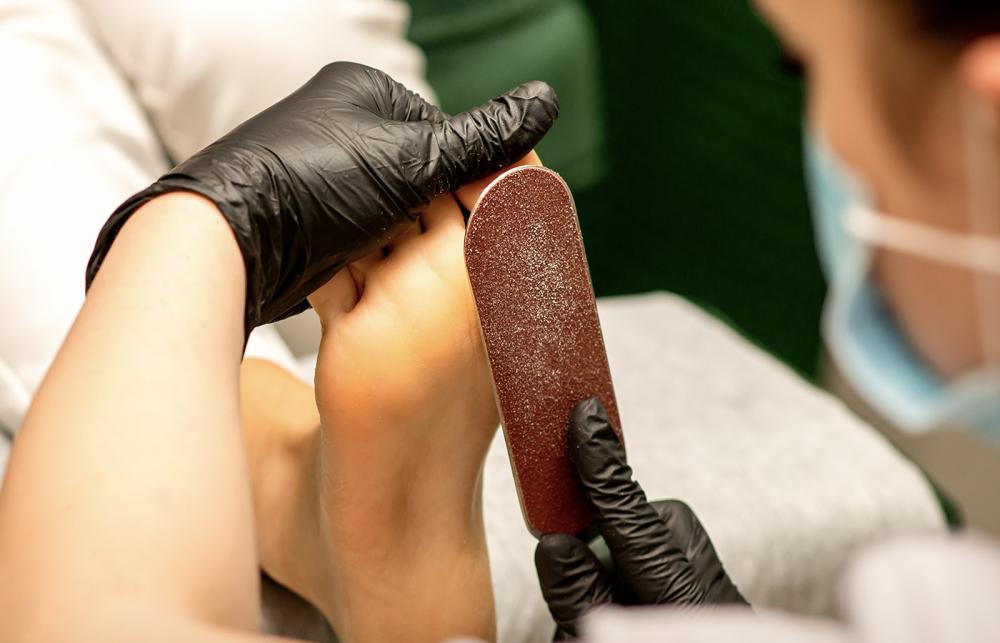
Home foot filing is not suitable for everyone. You should avoid self-treating with a foot file and speak to a podiatrist, GP or foot health professional first if you have diabetes, poor circulation, heart disease affecting circulation, reduced feeling in your feet, active ulceration, unexplained pain, swelling, bleeding cracks or signs of infection. These groups have a higher risk of skin injury and delayed healing. NHS guidance | Mayo Clinic advice
You should also stop self-care and get advice if the hard skin keeps coming back quickly, sits over a painful bony area, appears only on one foot, changes colour or does not improve after a few weeks of sensible care.
Step-by-step guide: how to use a foot file safely
Check skin
Soften or dry-prep
File gently
Stop early
Moisturise
1. Inspect your feet first
Make sure the skin is intact. Do not file over splits, red patches, blisters, cuts, weeping areas, corns that look inflamed or anything you are not sure about. Focus only on dry, superficial hard skin.
2. Prepare the skin
Some clinicians prefer light filing on dry skin because it makes thickened areas easier to target. Some manufacturers advise using the file after soaking or washing to soften the area first. Either can work provided the skin is not waterlogged and you keep the technique gentle. If you soak your feet, use warm water for around 5 to 10 minutes and dry thoroughly, especially between the toes. Torbay and South Devon NHS leaflet | Algeos usage guide
3. Use light to moderate pressure only
This is the part most people get wrong. A foot file should glide across the skin. It should not feel like scraping. Use short, controlled strokes in one direction or small gentle passes over the area. Do not saw back and forth quickly. Do not bear down.
A helpful rule is this: you should feel friction, not pain. If the area becomes hot, pink, stingy or tender, you are using too much pressure or doing too many passes.
4. Limit each area to a few passes
Work on one small area at a time such as the back of the heel or the outer edge of the sole. Pause every few strokes and run your hand over the skin to reassess. You are aiming to reduce the build-up, not remove every trace of thickening.
Do not chase a perfectly smooth finish. Over-filing can leave the foot more sensitive when you stand or walk.
5. Avoid high-risk areas
Do not use a foot file on the arch if the skin is thin, on the top of the foot, between the toes, on moles, on cracked bleeding heels, on blisters, on verrucas or on areas that feel numb. Never use razors, blades or other sharp implements to speed the process. NHS | Algeos patient guide
6. Stop before the skin looks shiny or sore
The right time to stop is earlier than most people think. Stop when the roughness has reduced and the surface feels more even. If you see fresh pink skin, experience tenderness or notice a burning sensation, stop immediately.
7. Moisturise straight afterwards
After filing, apply a foot cream or heel balm to support the skin barrier and slow the return of dryness and cracking. Urea-based creams are commonly used for dry, callus-prone feet. Good aftercare often matters as much as the filing itself. Algeos guide to foot creams
8. Clean or dispose of the file properly
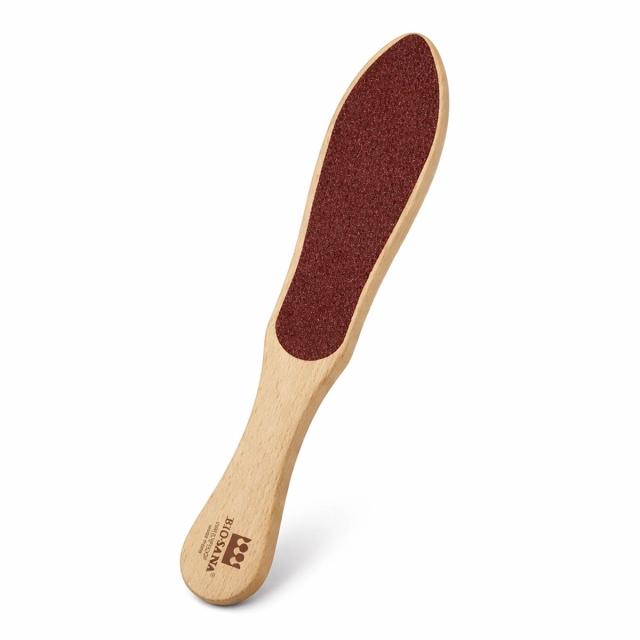
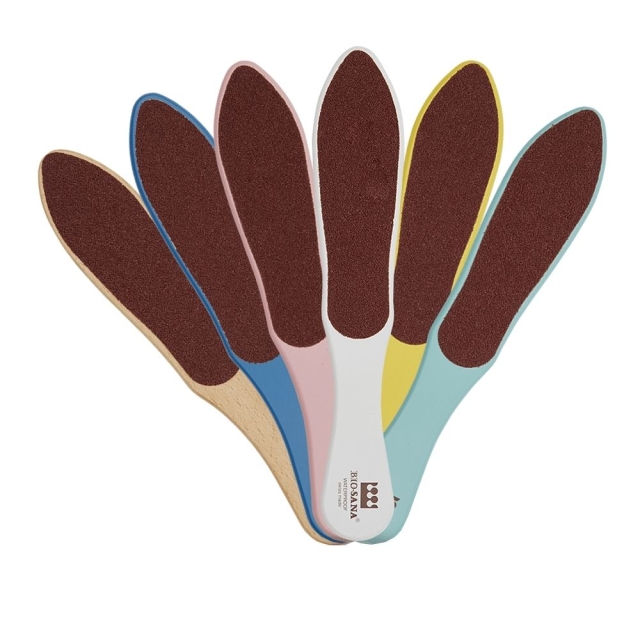
Check whether your file is designed for single patient use, disposable use or repeated home use. Algeos notes that some foot files are intended for single patient use to support hygiene. Do not share a file between family members. Professional foot file product page | Nail and foot files category
How much pressure and how often?
Pressure: Light to moderate only. Enough to skim rough skin, not enough to create heat, pain or redness.
Frequency: For most people, once weekly is enough for maintenance. If the skin is very mild, every 2 to 3 weeks may be sufficient. Daily filing is usually unnecessary and can irritate the skin barrier.
Session length: Keep it brief. A few minutes is often enough. Safer self-care comes from consistency, not force.
If thick skin returns quickly, the answer is not usually harder filing. It is often better footwear, pressure redistribution and regular moisturising. You can also link readers to related advice such as corns and callus management and when podiatry care beats self-diagnosing.
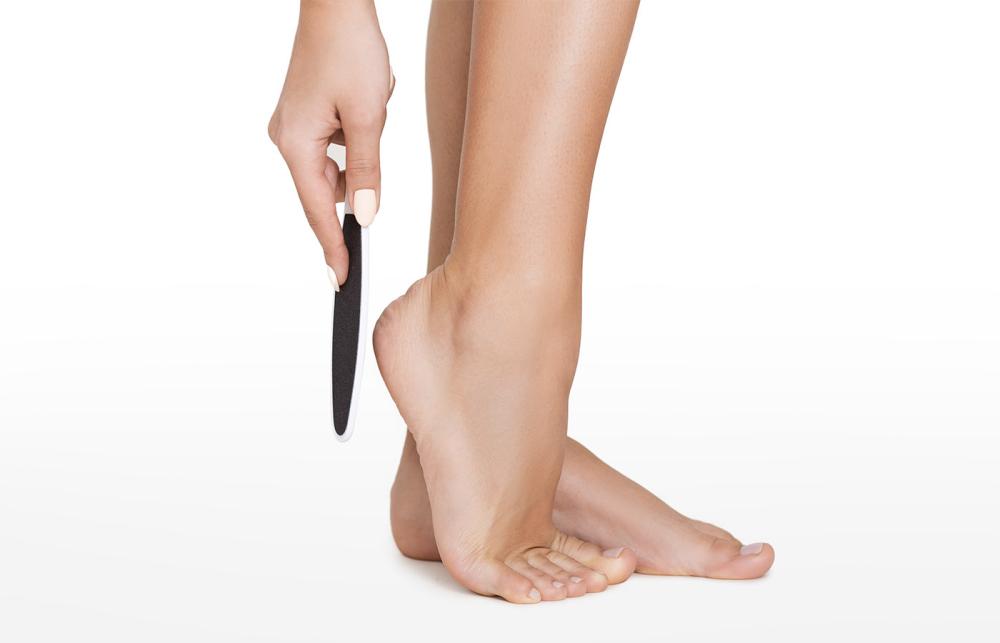
Comparison table: common hard-skin approaches
| Method | Best for | Main safety point | Home use verdict |
|---|---|---|---|
| Manual foot file | Dry, thickened heel or sole skin | Use gentle pressure and stop early | Suitable for low-risk users |
| Pumice stone | Light smoothing | Can still over-rub if used too long | Suitable with the same cautions |
| Sharp blade or razor | Not recommended for self-care | High risk of cuts and infection | Avoid at home |
| Moisturising heel balm | Dryness, fissure prevention, maintenance | Apply to intact skin and use regularly | Excellent alongside filing |
When to stop immediately
Stop using a foot file straight away if the skin starts to sting, bleed, split, feel hot, look very pink or become painful when you put weight on it. Also stop if you notice swelling, discharge, odour or a sore that does not heal. Those are signs that the area needs professional assessment rather than more filing.
A practical safety message for readers is simple: smooth is optional, intact skin is essential.
What users say
On Algeos product pages, foot files are described as everyday staples used by podiatrists, foot care technicians and beauty professionals. Testimonials on the professional-use page mention a smooth finish and comfortable handling, while the broader nail and foot files category links to a 4.4 out of 5 Reviews.io rating. That supports a practical message for consumers: simple tools tend to work best when they are used gently, hygienically and as part of a wider foot-care routine rather than as a quick fix. Foot file page | Professional-use foot file | Nail and foot files
Frequently asked questions
Should I use a foot file on wet or dry skin?
Either can work. Light filing on dry skin can make thickened areas easier to target, while warm-water prep can soften rough skin first. The safest approach is the one that helps you stay gentle and controlled.
How often should I file hard skin on my feet?
Usually once a week is enough. Some people only need it every 2 to 3 weeks. Daily filing is usually too much and may irritate the skin.
Can I remove all the hard skin in one go?
No. Removing too much at once can leave the foot sore and more vulnerable. Aim for gradual reduction over several sessions.
What pressure should I use with a foot file?
Use light to moderate pressure only. You should feel friction, not pain. If the skin becomes hot, pink or tender, stop.
Should I moisturise after using a foot file?
Yes. Moisturising after filing helps support the skin barrier and may slow the return of dryness and cracking.
Who should avoid using a foot file at home?
People with diabetes-related foot risk, poor circulation, reduced sensation, active wounds, infection or unexplained foot pain should seek professional advice rather than self-treat.
Looking for Algeos Podiatry Supplies? Buy Algeos Podiatry Products here →
References and research sources
- NHS - Corns and calluses
- American Academy of Dermatology - How to treat corns and calluses
- Mayo Clinic - Corns and calluses: diagnosis and treatment
- Mayo Clinic News Network - Home remedies for corns and calluses
- Torbay and South Devon NHS Foundation Trust - Corns and Callus leaflet
- Algeos - Double Sided Professional Foot File
- Algeos - Hard Skin Foot File for Professional Use
- Algeos - Nail and Foot Files
- Algeos - Best Foot Cream for Cracked Heels
- Algeos - Corns and Callus Podiatry Management
Author bio
Marc Cameron, Algeos - Marc Cameron is Product Director at Algeos and writes practical guides for clinicians, technicians and informed consumers. His work focuses on turning product knowledge and evidence-informed foot-care principles into clear, usable advice for real-world settings. Profile | Author page
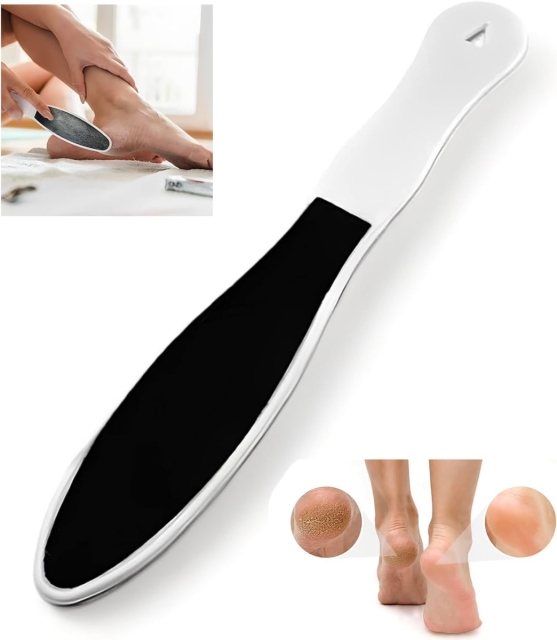
Sold: Each
Incl. VAT Exl. VAT