

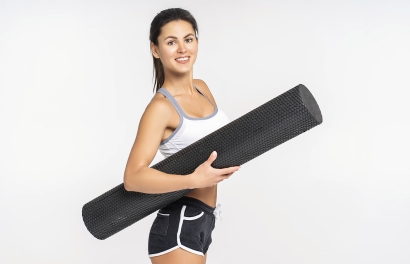
Physioworx foam rollers are designed to support muscle recovery, improve flexibility and help users get more from their training, rehabilitation and mobility routines. Whether you are new to foam rolling or looking for a more durable roller for regular use, choosing the right material and size can make a real difference.
Foam rollers are commonly used for self-myofascial release, warm-up and cool-down routines, Pilates, yoga, physiotherapy and general fitness.
At Algeos, the Physioworx range includes both robust EPP foam rollers and comfortable EVA foam rollers, along with related recovery tools such as massage balls, resistance bands, exercise mats and massage rollers.
You can browse the full category here: Physioworx Gym Foam Rollers.
What Is a Foam Roller?
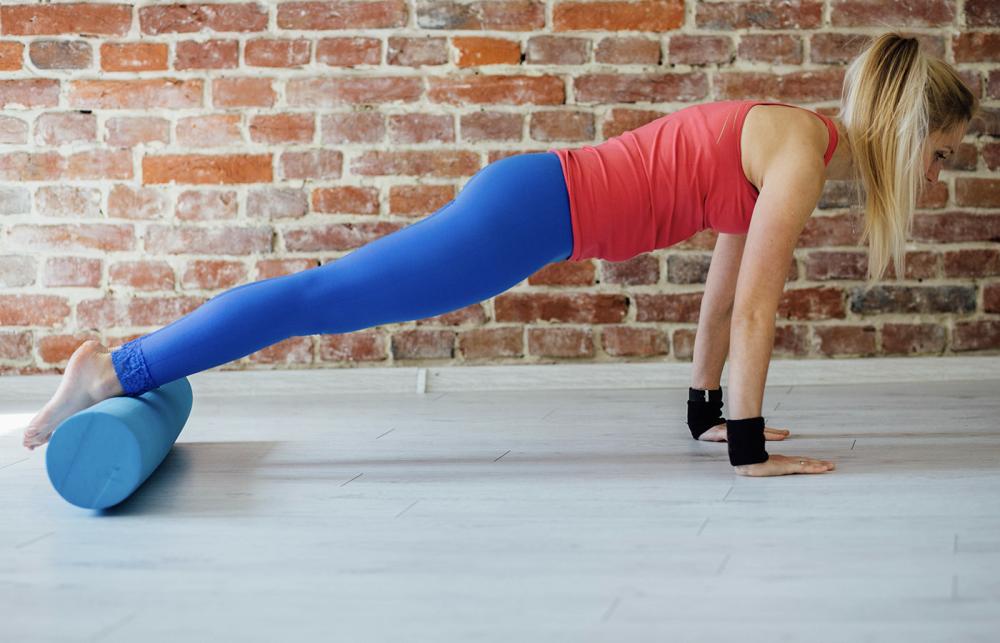
A foam roller is a cylindrical exercise and recovery tool used to apply pressure to muscles and soft tissue. Rolling slowly over targeted areas can help reduce muscle tightness, support circulation, improve mobility and prepare the body for movement. They are widely used by gym-goers, runners, physiotherapists, yoga users and people following home rehabilitation plans.
Why Use a Foam Roller?
- Helps relieve muscle tension and post-exercise tightness
- Supports flexibility and range of motion
- Useful for warm-up and cool-down routines
- Can be used at home, in the gym or in clinic settings
- Offers a practical self-massage option without bulky equipment
Physioworx Foam Roller Types
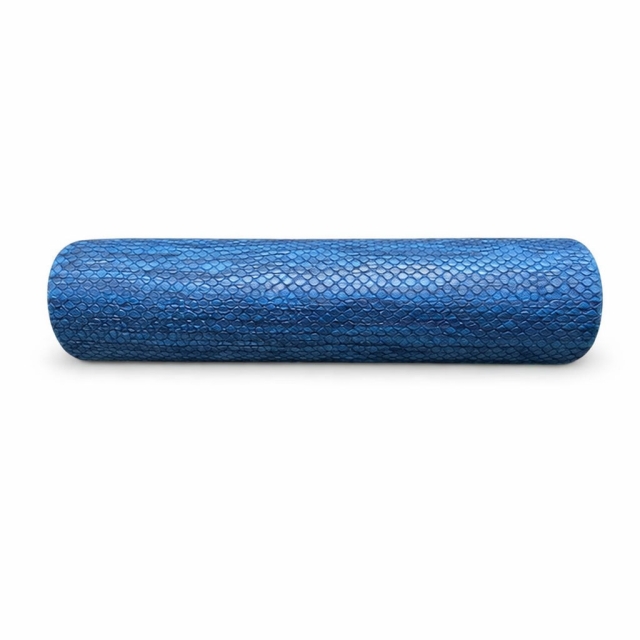
EPP Foam Roller
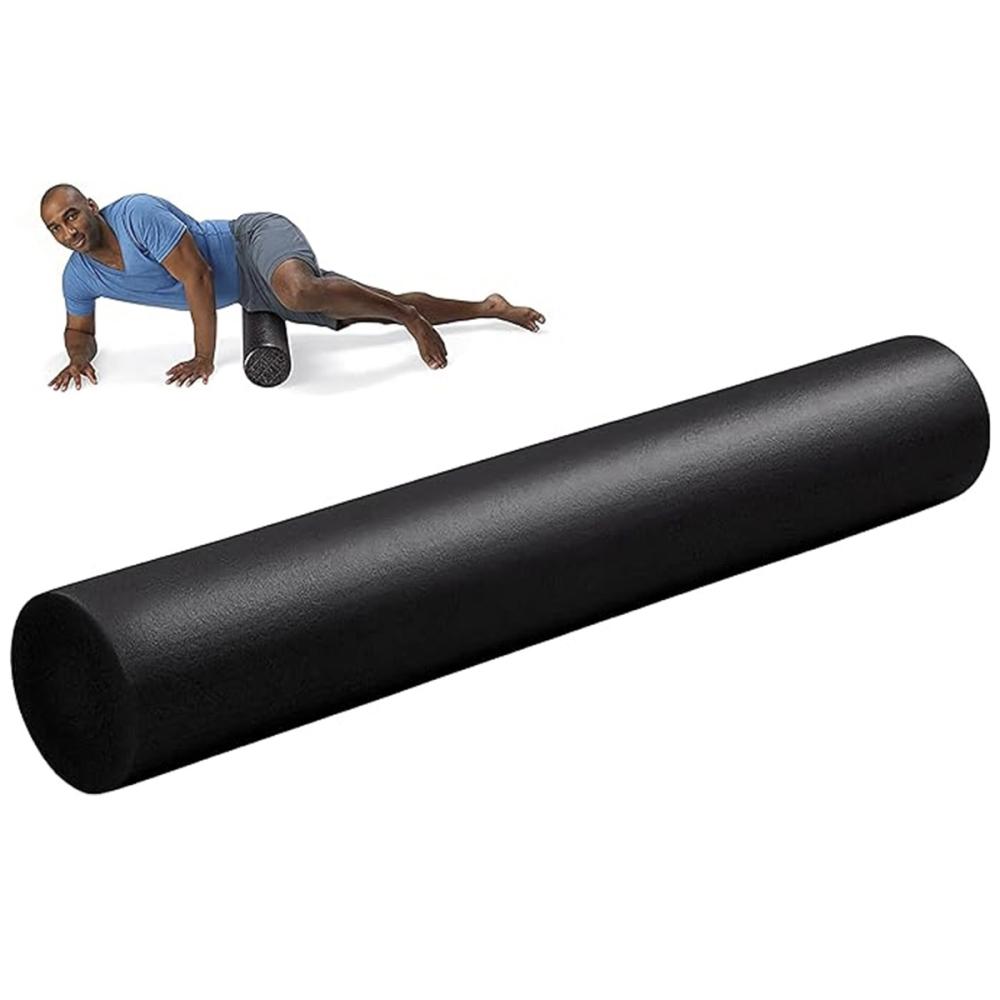
The Physioworx EPP Foam Roller is the firmer, more hard-wearing option in the range. It is a good choice for users who want a roller that can handle regular, higher-load use without losing shape.
Features
- Made from Expanded Polypropylene (EPP)
- Lightweight but highly durable
- Designed to resist wear, compression and repeated use
- Available in multiple sizes for different routines and body areas
Benefits
- Ideal for more intense muscle release work
- Useful for post-workout recovery and mobility sessions
- Suitable for repeated gym, studio or clinic use
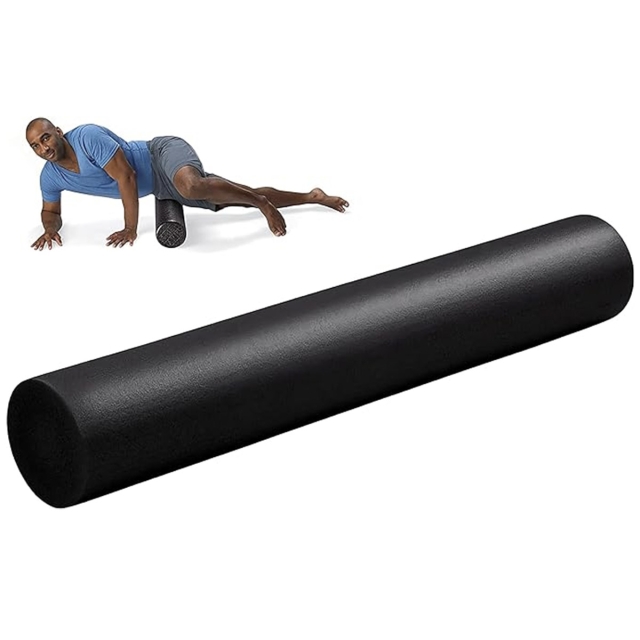
- Supports full-body rolling including back, glutes, legs and arms
Best For
Choose EPP if you want a firmer roller with a more robust feel, especially if you exercise frequently or prefer deeper pressure during muscle release work.
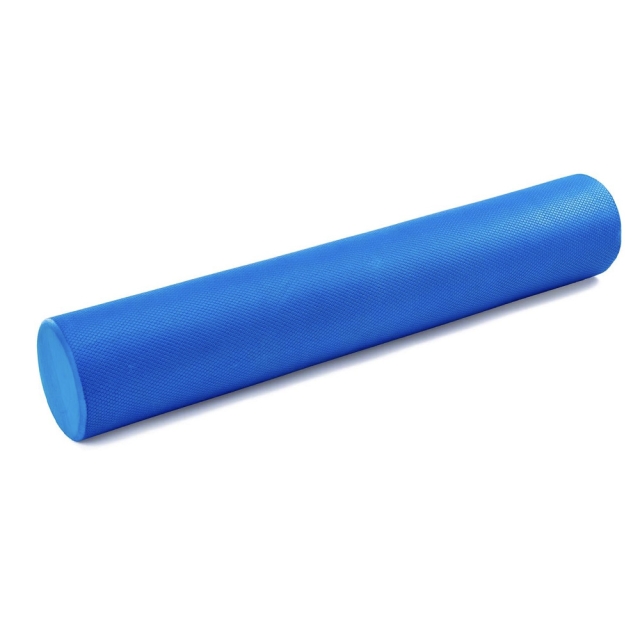
EVA Foam Roller
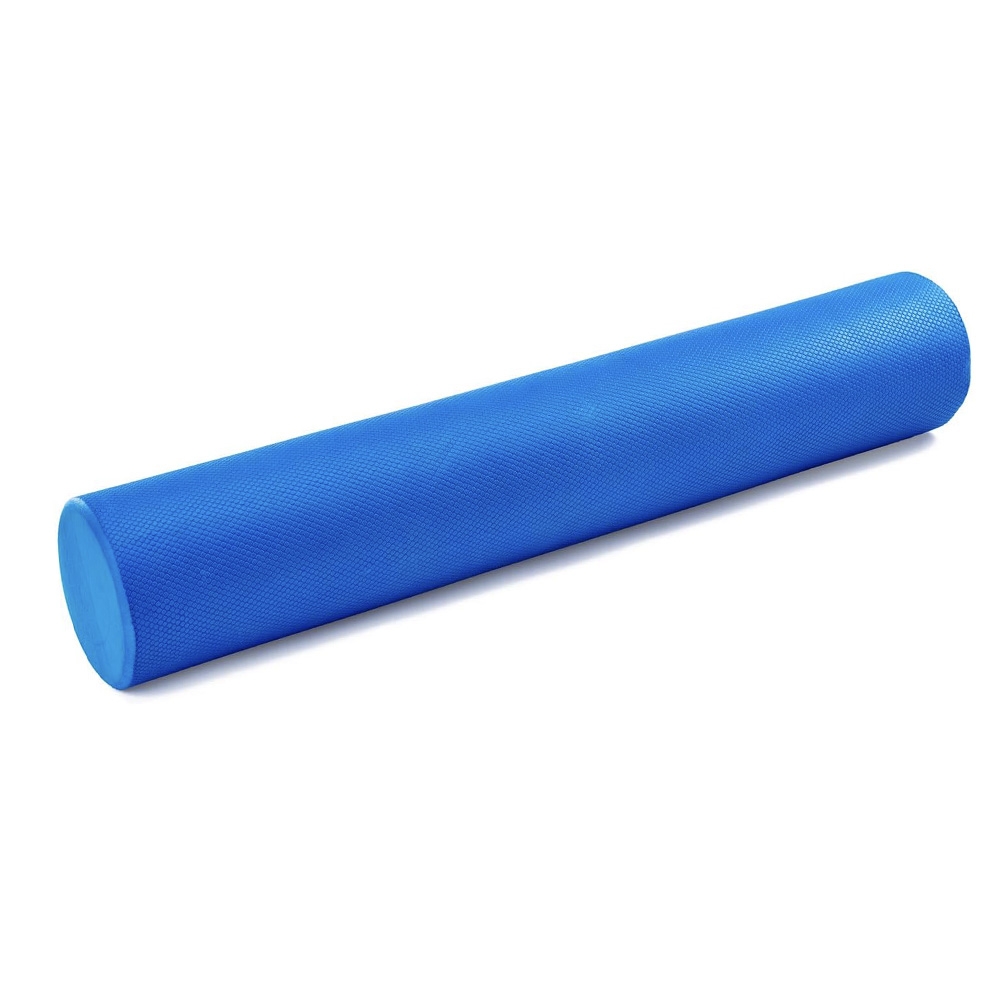
The Physioworx EVA Foam Roller provides a slightly softer and more comfortable feel while still offering good support. It is often the better choice for beginners, lighter recovery work or users who prefer a gentler rolling experience.
Features
- Made from high-density EVA foam
- Comfortable but supportive texture
- Lightweight and easy to transport
- Suitable for home exercise, yoga, Pilates and rehab work
Benefits
- Helps reduce muscle tightness and soreness
- Supports flexibility and everyday mobility work
- Comfortable option for less experienced users
- Works well as part of stretching and recovery routines
Best For
Choose EVA if you want a more comfortable foam roller for regular use, home workouts, Pilates, yoga or general rehab support.
Foam Roller Size Guide
| Roller Length | Best For | Typical Use |
|---|---|---|
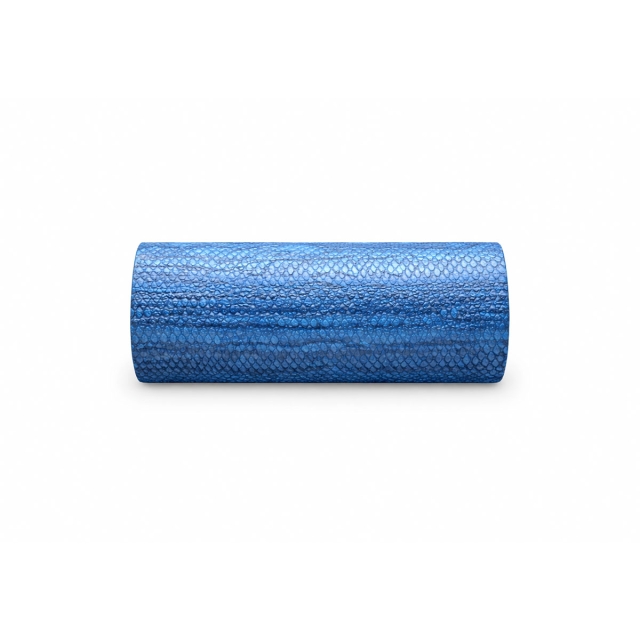
| 30cm | Targeted massage and easy storage | Calves, arms, feet, upper back and travel use |
| 45cm | Balanced all-round use | Back, glutes, hamstrings and general recovery |
| 60cm and above | Broader body coverage and floor exercises | Full-body rolling, posture work and stability-based routines |
EPP vs EVA Foam Rollers
| Feature | EPP Roller | EVA Roller |
|---|---|---|
| Feel | Firmer | More comfortable / slightly softer |
| Durability | Excellent | High |
| Best For | Frequent use, gyms, deeper pressure | Beginners, home users, gentler rolling |
| Typical Use | Recovery, mobility, intense self-myofascial release | Stretching, Pilates, yoga, rehab and light recovery |
Which Foam Roller Should You Choose?
If durability and firmer pressure are your priorities, the EPP foam roller is usually the better fit. If you want something more comfortable for everyday use or you are just getting started with foam rolling, the EVA foam roller is often the smarter choice.
Suggested Add-On Products
Foam rollers work especially well alongside other Physioworx recovery and exercise tools. These internal links can help improve product discovery and keep users within the wider Physioworx category.
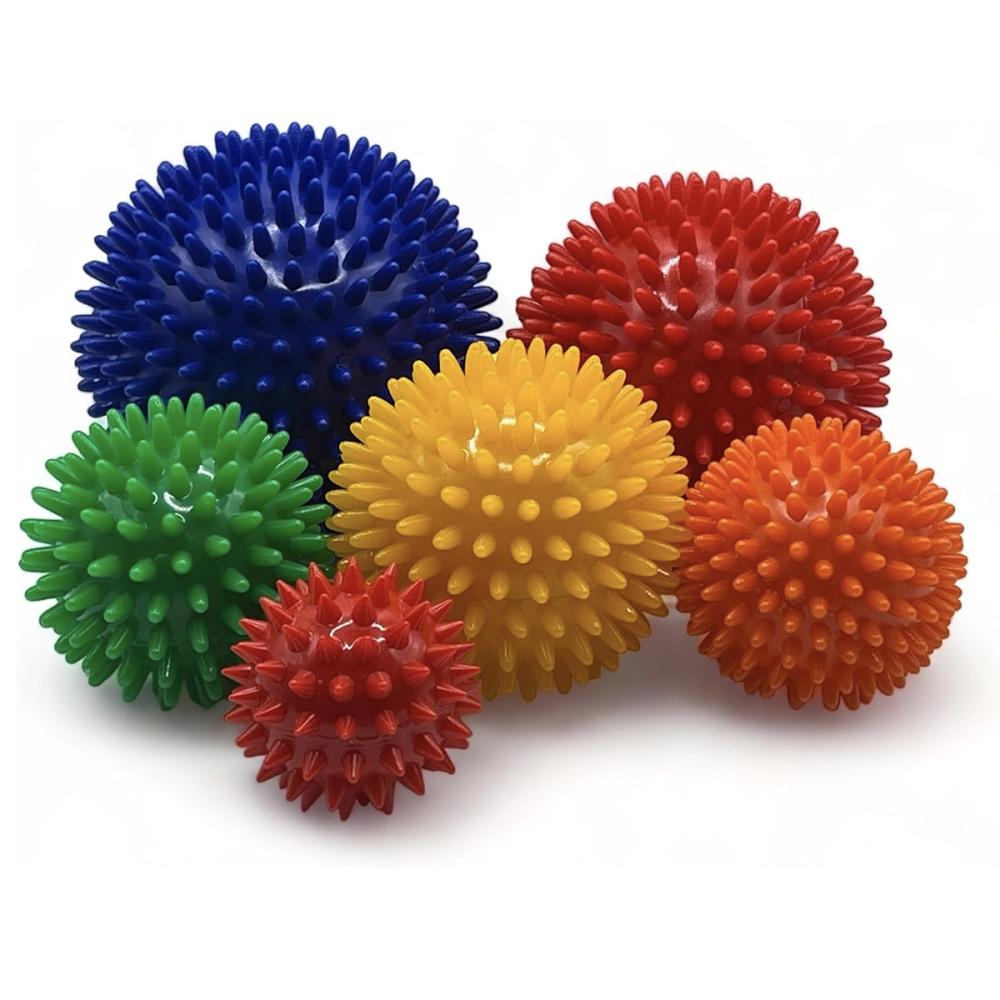
Physioworx Massage Balls
Great for more targeted pressure on feet, shoulders, calves and trigger points. A natural companion to foam rolling.
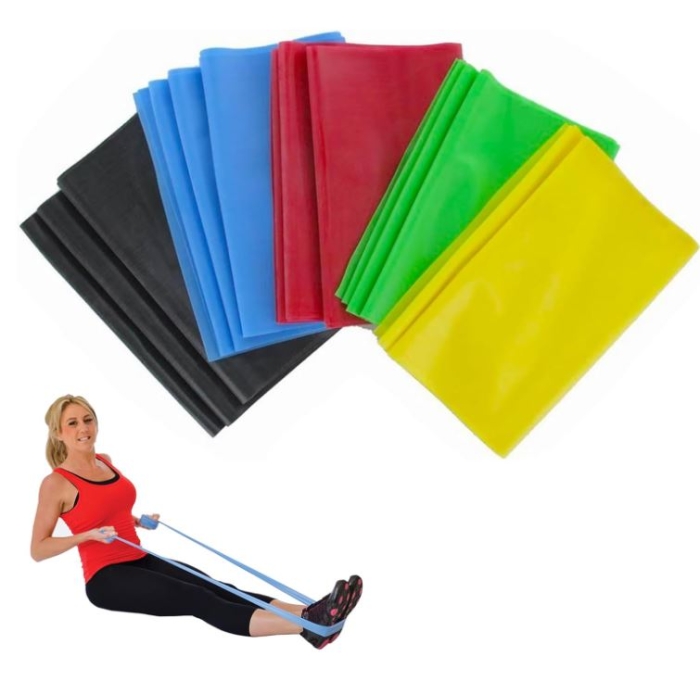
Physioworx Resistance Bands
Ideal for pairing mobility work with strengthening exercises, home rehabilitation plans and warm-up routines.
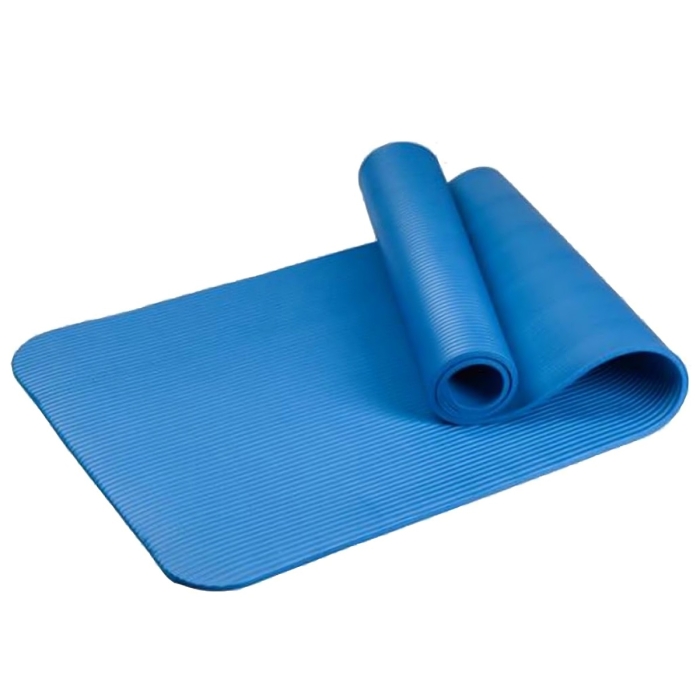
Physioworx Exercise Mats
Useful for floor-based recovery, Pilates, stretching and foam rolling routines at home or in studio settings.
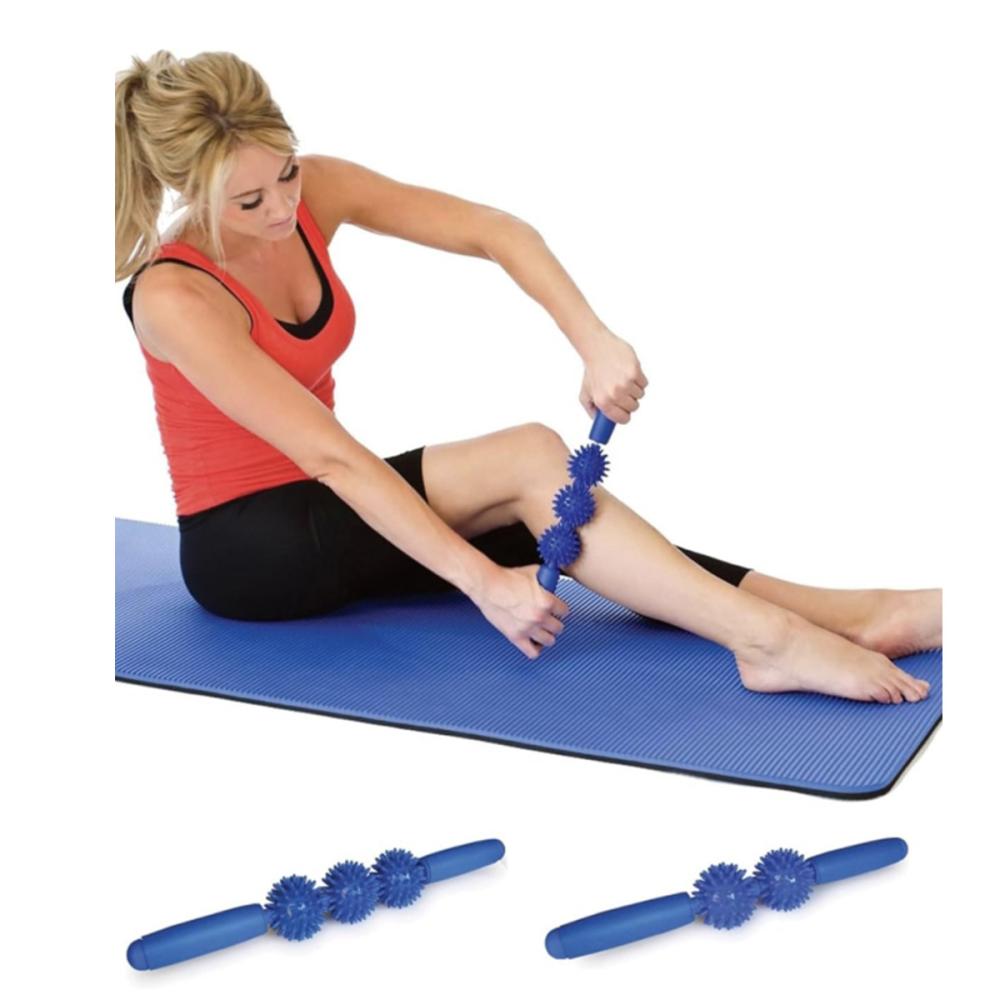
Physioworx Massage Roller
A practical option for users who prefer a hand-held massage tool for hamstrings, quads, calves, neck and back muscles.
Helpful Internal Links for SEO
- Explore the full Physioworx range
- Shop all Physioworx foam rollers
- Shop massage balls
- Shop trigger point balls
- Shop resistance bands
- Shop exercise mats
Frequently Asked Questions
What is the best foam roller for beginners?
For most beginners, an EVA foam roller is the better place to start because it offers a more comfortable feel while still giving enough support for recovery and mobility work.
What is the difference between EPP and EVA foam rollers?
EPP rollers are typically firmer and more durable, making them well suited to frequent or heavier use. EVA rollers tend to feel more comfortable and are often preferred for general home use, yoga, Pilates and gentler recovery sessions.
How often should you use a foam roller?
Many users include foam rolling in their warm-up, cool-down or mobility routine several times a week. Frequency depends on training levels, sensitivity and personal preference.
Are foam rollers good for muscle recovery?
Foam rollers are widely used to help reduce tightness, support mobility and provide self-massage after exercise, making them a popular recovery tool in both sport and rehabilitation settings.
Which size foam roller should I buy?
Shorter rollers are useful for travel and targeted areas, while longer rollers suit broader body coverage, posture work and more stable floor-based exercises.
Can I use a foam roller for yoga or Pilates?
Yes. Foam rollers are often used in yoga and Pilates for balance, mobility, stretching and recovery work, especially when paired with a supportive exercise mat.
Final Recommendation
If you want a firmer, longer-lasting roller for regular or more demanding use, choose the Physioworx EPP Foam Roller. If comfort, beginner-friendliness and general versatility matter more, the Physioworx EVA Foam Roller is an excellent option.
Whichever you choose, foam rollers are a practical way to support movement, recovery and flexibility at home, in the gym or in clinic.
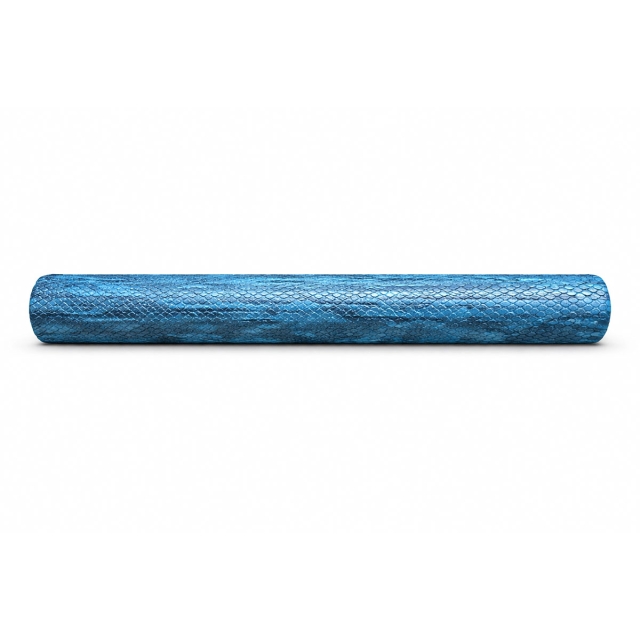
Sold: Each
Incl. VAT Exl. VAT