



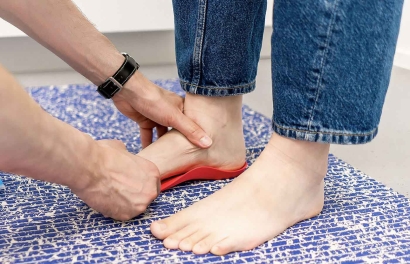
Foot comfort is crucial for overall well-being, but it's often overlooked until discomfort or pain sets in.
For those with flat feet or requiring additional arch support, the right insoles can be a game-changer. They can alleviate pain, enhance comfort and improve foot health.
This guide aims to help you navigate the world of support insoles. It focuses on the best options available in the UK.
We'll delve into the importance of proper foot support. We'll also explore how insoles can help manage conditions like flat feet and plantar fasciitis.
Our Guidance
Choosing the right insoles can be daunting. We'll guide you through the selection process, discussing factors like material, arch type and cushioning.
We'll also review top-rated insole brands in the UK. We'll highlight their key features and how they cater to different needs.
User reviews and testimonials will provide real-life insights into the effectiveness of various insoles. We'll also share tips on fitting and maintaining your insoles for optimal support and longevity.
Whether you're an athlete, a professional on your feet all day, or someone dealing with foot discomfort - this guide is for you. Let's find the best support insoles to enhance your foot health and comfort.
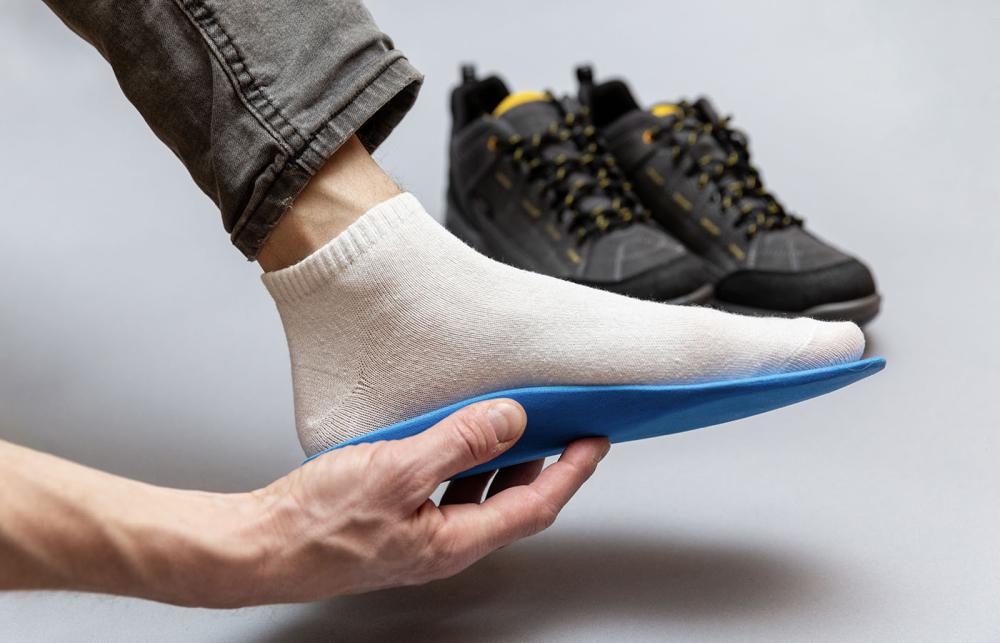
Understanding Foot Support and Its Importance
Foot support is vital for maintaining overall health. Our feet act as the foundation of our body. Good support can significantly enhance comfort and reduce the risk of injury.
Neglecting foot support can lead to various issues. These can include foot pain, discomfort and even complications in the knees, hips, and back. Insoles play a crucial role in providing this necessary support.
Several factors make support insoles essential. First, they help distribute body weight evenly across the foot. Second, they improve alignment and posture. Third, they absorb shock and reduce impact, especially during physical activities.
A comprehensive understanding of foot support involves knowing the different types of insoles available. Here's a list of some types:
- Arch Support Insoles: For individuals with flat or high arches.
- Cushioning Insoles: Provide extra padding for added comfort.
- Orthotic Insoles: Designed to correct foot mechanics.
- Sports Insoles: Built to withstand the rigors of athletic activities.
Foot support is not just about eliminating pain but also preventing future issues. Even those without current discomfort can benefit from proper foot support. The enhancement of overall foot function is a significant advantage.
In conclusion, investing in good foot support is a proactive measure. It promotes well-being and supports an active lifestyle without compromising foot health.
What Are Flat Feet and How Do They Affect You?
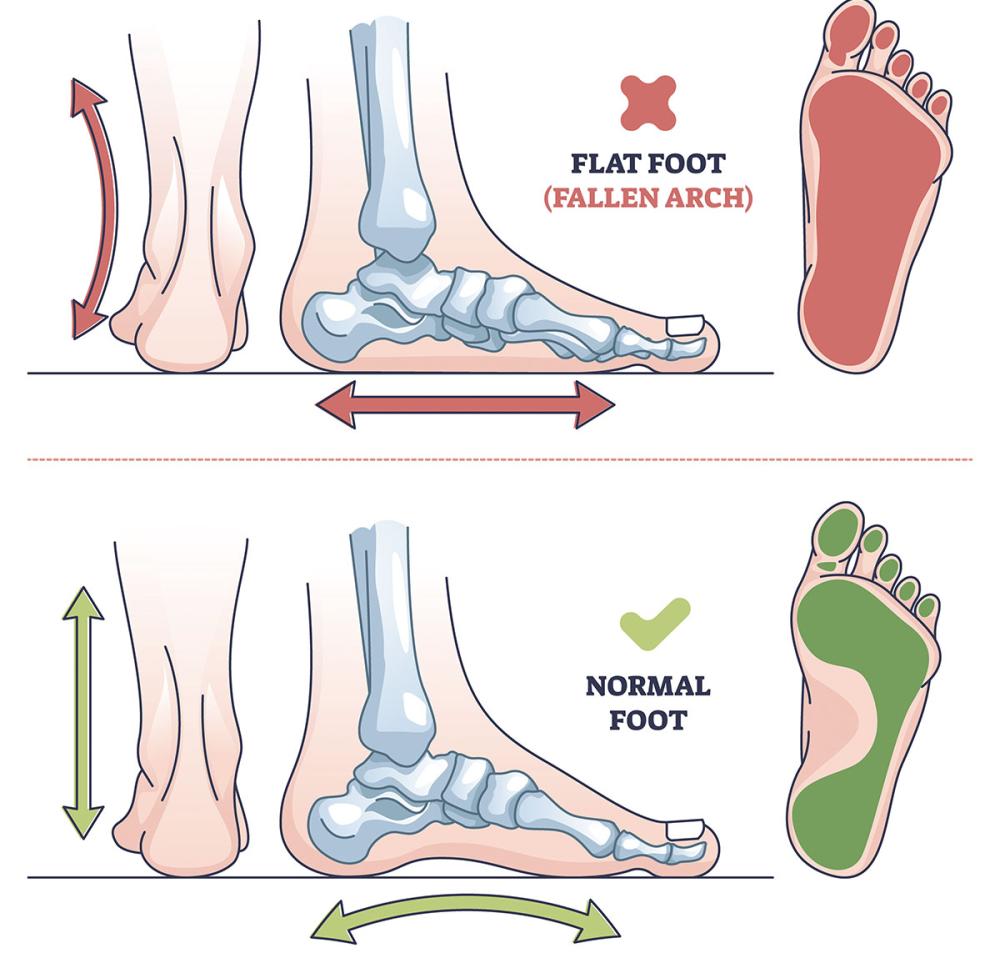
Flat feet, or fallen arches, are a common condition. In people with flat feet, the arch of the foot is lower than usual, or absent. It can be a hereditary trait or developed over time due to various factors.
Flat feet can lead to many symptoms. These include foot pain, particularly in the heel or arch area. Some people experience swelling along the inside of the ankle. Others might suffer from leg or lower back pain due to improper alignment.
Flat feet can affect your day-to-day activities. They can make standing and walking for long periods uncomfortable. For some, activities like running or sports become challenging. However, having flat feet isn't always problematic. Some individuals with flat feet experience no symptoms or issues.
The Role of Arch Support Insoles
Arch support insoles play a critical role for those with flat feet. They provide the necessary arch support that flat feet lack. By doing so, they help distribute pressure more evenly across the foot.
The right arch support can alleviate pain and discomfort. It can prevent the development of further complications, like plantar fasciitis. Insoles can also improve foot alignment, which positively influences overall posture.
Arch support insoles come in various forms. They cater to different levels of support requirements. Some are designed for everyday use. Others are specialized for activities such as sports, running, or hiking.
Insoles are accessible and relatively easy to use compared to custom orthotics. They offer a beneficial solution for managing flat feet. Selecting the right insole depends on individual needs and activity levels. The objective is to provide comfort and enhance foot function, ensuring better mobility and quality of life.
Choosing the Right Support Insoles for Your Feet
Selecting the correct support insoles can make a significant difference in foot health. The right choice enhances comfort and prevents future issues. Knowing what to look for is crucial.
Firstly, consider the type of activity you engage in. Different activities require varying levels of support. For example, runners might need insoles with high shock absorption.
Secondly, identify your foot type. Do you have flat feet or high arches? This determines the level and type of support required. Understanding your specific needs is the first step towards the right selection.
The third aspect to consider is the type of footwear you use. Whether for casual shoes, dress shoes, or athletic footwear, insoles should fit well within the shoe. They should not create additional discomfort.
Here is a list of some factors you should consider when choosing insoles:
- Arch Support: Essential for flat or high arches
- Material Quality: Ensures longevity and comfort
- Cushioning: Provides additional comfort and shock absorption
- Fit and Size: Ensures the insole fits well in your shoe
- Breathability: Keeps feet dry and comfortable
Choosing the right insoles also involves considering personal preferences for material and cushioning. While some prefer gel cushioning for a softer feel, others might go for foam for a firmer support.
Finally, consulting a podiatrist might be beneficial, especially if you experience significant discomfort. A professional can provide personalized advice and recommendations tailored to your needs.
Material, Arch Type, and Cushioning: What to Look For
When selecting insoles, materials are a key factor. Good-quality materials enhance comfort and durability. Common materials include gel, foam, and sometimes leather, each providing different levels of cushioning and support.
Arch type is crucial in insole selection. Flat-footed individuals require more support compared to those with neutral arches. High arches might need insoles designed to prevent over-supination, distributing weight evenly.
Cushioning should also be tailored to your needs. Those engaging in high-impact sports may need more cushioning. This reduces impact and adds comfort during activity. In contrast, minimal cushioning might work better for everyday use, providing just enough support without bulkiness.
Custom Orthotics vs Over-the-Counter Insoles
Custom orthotics are specifically crafted for your foot. They are often prescribed by a healthcare professional. These tailored options address specific conditions and provide personalized support, although they come at a higher price.
In contrast, over-the-counter (OTC) insoles are readily available. These are suitable for many common foot issues and are cost-effective. They offer a convenient solution for mild to moderate foot pain or discomfort.
Both types have their merits and drawbacks. Custom orthotics provide a tailored fit but require a professional diagnosis and a larger budget. OTC insoles, while less personalised, offer flexibility and easy access for minor issues.
Ultimately, the decision depends on your foot health needs, budget, and personal preferences. Understanding the differences helps in making an informed choice for optimal comfort and support.
Why You Should Avoid High Street Brands
High street insoles are tempting: they’re cheap, easy to grab and the packaging usually promises 'arch support' in big friendly letters. The problem is that most of them are designed to suit as many feet as possible - which often means they suit nobody particularly well.
1) One-size-fits-most' is rarely the same as proper support
If you’re buying insoles to help with flat feet, plantar fasciitis, heel pain or general fatigue, the details matter: arch shape, heel stability, and how the insole controls motion.
Many high street options focus on basic cushioning rather than true biomechanical support, so they may feel soft at first but do very little to improve alignment or pressure distribution.
2) Softer isn’t always better (and can sometimes make things worse)
Plush, squishy insoles can feel nice for ten minutes - then your foot sinks, the arch collapses, and your mechanics are back where they started (or slightly more irritated). If you overpronate, a soft insole without structure can allow more rolling-in. If you’re already dealing with pain, that 'comfy' feel can be a bit of a trap. If you dont know why do you need memory foam insoles, Dont buy them!
3) They can wear out quickly - and support disappears with them
Lower-cost foams and gels tend to compress and flatten faster, especially if you’re on your feet all day or using them in work shoes. Once the material fatigues, you’re basically left with a thin layer of “something” taking up space in your shoe - not meaningful support.
4) Vague claims, limited testing, and little clinical relevance
High street brands often lean on broad marketing ('supports your arches') rather than clearly stating what the insole is designed to do (motion control, heel stabilisation, pressure redistribution, plantar fascia support and so on).
If you’re choosing insoles for a specific problem, you’re better off with options that are used and trusted in clinical environments, where performance and consistency actually matter. Ahem..... e.g. Algeos who supply more insoles to the NHS than any major high street brand!
5) The wrong insole can shift the problem up the chain
Feet are your foundation. If an insole changes your foot position in the wrong way - or provides uneven support — you can end up compensating through the ankles, knees, hips, or lower back. The goal isn’t just “less foot pain today”; it’s better comfort and function that holds up over time.
Bottom line: if you’re buying insoles for genuine support (not just a bit of extra padding), it’s usually worth avoiding generic high street options and choosing a professional-grade insole that matches your foot type, activity, and symptoms.
Recommended Insoles by Podiatrists
Finding the ideal support insoles can be challenging, given the plethora of options available. However, certain brands have distinguished themselves in the UK for their quality and innovation. Among these are Interpod, Slimflex, Prothotics, Podotech, and Memopur. These brands are renowned for their comfortable fit and durable materials.
Each of these brands offers a variety of products tailored to different foot care needs. Whether you’re dealing with flat feet, high arches, or require general support, there’s a suitable option available. Their insoles are often recommended by podiatrists and sports professionals alike.
When choosing from these top brands, consider specific features that align with your requirements. Features such as arch support, cushioning, and material quality can significantly impact comfort and effectiveness.
Here is a list of some of the top-rated insole brands in the UK:
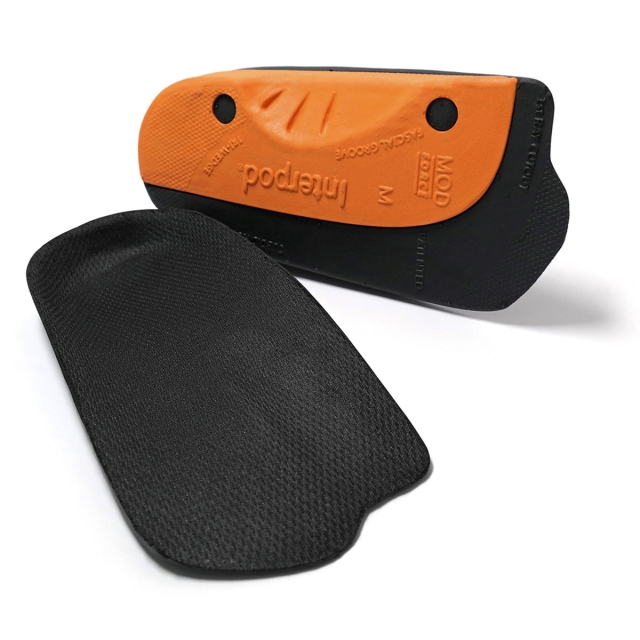
Interpod: Known for its biomechanical design that offers excellent arch support.
Slimflex: Popular for its versatile range catering to various foot conditions.
Prothotics: Offers insoles with high shock absorption, ideal for athletes.
Podotech: Provides customised solutions for specific foot care needs.
Memopur: Features memory foam insoles that adapt to the foot’s shape for personalised comfort.
Additionally, reading customer reviews can provide insights into real-world performance. Reviews often highlight comfort levels, durability, and effectiveness in alleviating foot pain.
Ultimately, while brand reputation is important, individual needs should guide your final decision. Each person’s foot is unique, so it’s essential to find an insole that complements your specific requirements.
Features of the Best Insoles for Flat Feet
Insoles for flat feet require particular attention to support and structure. Flat feet, lacking natural arches, need additional assistance to avoid discomfort and pain.
Look for insoles that provide strong arch support. This is crucial in helping redistribute pressure throughout the foot. Firm yet flexible support can help simulate a natural arch.
Consider insoles with deep heel cups. These promote stability by keeping the heel in place, reducing pronation and aiding balance. The aim is to ensure even weight distribution across the foot.
Lastly, cushioning matters for flat feet insoles. Adequate cushioning can absorb shock, enhancing comfort during movement. Choose materials that cushion without flattening out over time to maintain long-term efficacy.
Insoles for Sports and Active Lifestyles
For those leading active lives, insoles designed for sports provide essential support. They enhance performance and reduce injury risk, making them vital for both amateurs and professionals.
Shock absorption is a major factor in sports insoles. They help minimize the impact on joints and muscles during high-intensity activities. This feature is especially beneficial for runners and athletes in high-impact sports.
Another consideration is the insole's stability. Many sports insoles have designs focused on preventing side-to-side movement within the shoe. This reduces the risk of blisters and increases comfort during lateral movements.
Breathability should not be overlooked either. Active use often leads to sweating, so opt for materials that wick moisture. This keeps the feet dry, reducing discomfort and the risk of odor.
Each of these features plays a role in supporting an active lifestyle. By considering your specific needs and activities, you can select insoles that complement your athletic endeavors effectively.
The Benefits of Using Supporting Insoles
Support insoles offer numerous benefits for foot health and overall well-being. They are not just for those with existing foot conditions.
One primary advantage is pain relief. Insoles help distribute weight evenly, reducing stress on pressure points. This alleviates pain in the feet, knees, and lower back.
Improved foot function is another benefit. Proper support enhances your natural foot mechanics. This can result in better walking and running efficiency.
Insoles also play a vital role in injury prevention. By promoting proper alignment and reducing impact, they help prevent common foot injuries. They are particularly beneficial for athletes.
Moreover, insoles enhance shoe comfort. They add extra cushioning and support, making your footwear more comfortable.
Key benefits of using support insoles include:
- Pain relief in the feet, knees, and lower back
- Improved walking and running efficiency
- Injury prevention for athletes and active individuals
- Enhanced shoe comfort with added cushioning
These insoles can be especially useful for those on their feet all day. They reduce foot fatigue, allowing you to stay active longer without discomfort.
Lastly, support insoles can increase your quality of life. By reducing pain and enhancing comfort, they allow you to enjoy daily activities more fully.
Improving Posture and Alignment with Insoles
Good posture is essential for overall health. Support insoles can play a key role in achieving proper alignment.
By providing firm arch support, insoles help align the body. This alignment starts from your feet up through your spine. This alignment reduces strain and improves posture.
Wearing insoles can also correct overpronation or supination. Both conditions affect balance and alignment. Corrective support can realign the body’s natural stance.
With consistent use, you may notice less strain on your back and hips. Proper posture also enhances breathing and circulation, contributing to better energy levels throughout the day.
Insoles for Work: Reducing Fatigue and Enhancing Comfort
Many professions demand long hours of standing or walking. Support insoles are crucial for reducing fatigue in such scenarios.
These insoles offer cushioning and support. This combination reduces impact stress on joints and muscles. It helps in minimizing leg and foot fatigue significantly.
Foot support translates into better energy levels. When feet are well-supported, you expend less energy to stay upright and mobile.
Additionally, insoles enhance footwear comfort. For those wearing hard-soled shoes all day, insoles offer relief. They make shoes feel more comfortable and supportive.
By prioritising foot health, support insoles boost workplace productivity. Comfortable, pain-free feet allow you to focus better and move efficiently.
User Reviews: Real-Life Impact of Orthotic Insoles
User feedback provides valuable insights into the effectiveness of orthotic insoles. Many UK residents report significant improvements in foot comfort and pain relief. These insoles often transform daily discomfort into comfort.
For those with demanding jobs, insoles are a game-changer. Nurses and retail workers, in particular, find relief from long hours on their feet. Reviews highlight the reduction in leg and foot fatigue.
Athletes also benefit significantly. Runners and hikers appreciate the enhanced stability and reduced risk of injury. Users note better performance and prolonged endurance during activities.
Testimonials often emphasize improved quality of life. Many users report a renewed ability to enjoy activities that once caused pain. This feedback underscores the transformative power of the right insoles.
Managing Plantar Fasciitis and Other Foot Conditions
Plantar fasciitis is a common, painful condition. It involves inflammation of the tissue connecting the heel to the toes. Support insoles play a crucial role in managing this pain.
Insoles help by providing targeted heel and arch support. This support alleviates strain on the plantar fascia. Consequently, users experience a reduction in pain and inflammation over time.
Beyond plantar fasciitis, insoles aid other conditions like bunions and heel spurs. The right insoles can relieve stress and improve overall foot health. This makes them a vital tool in your foot care regimen.
The Importance of Regular Replacement for Optimal Support
Insoles, like any product, wear out over time. Regular replacement is essential for maintaining optimal support and comfort. Worn-out insoles lose cushioning, affecting their ability to relieve pain.
Experts recommend replacing insoles every six to twelve months. The exact timing depends on the frequency of use and the activity level. Signs such as flattening or noticeable wear indicate it's time for a change.
Failing to replace insoles can lead to discomfort returning or worsening. Frequent replacements ensure that you consistently receive the maximum benefits. This simple routine contributes to long-term foot health and comfort.
Fitting and Maintenance: Getting the Most Out of Your Insoles
Ensuring your insoles fit correctly is crucial for comfort and support. Proper fitting prevents slipping and promotes even pressure distribution. This optimizes the benefits of your insoles.
When fitting insoles, consider both your foot size and shoe type. Insoles come in various shapes to match different footwear styles. Ensuring compatibility will enhance your overall experience.
Proper Fitting for Different Types of Footwear
Different shoes require different insole styles. For instance, sneakers often accommodate bulkier insoles than dress shoes. Selecting the right type is key to ensuring comfort and maintaining shoe aesthetics.
To fit insoles properly, remove the existing shoe insert if possible. This allows room for your new insole. Adjust and trim where needed for an exact fit, ensuring it rests flat without curling.
For boots or high heels, use thinner insoles designed specifically for these styles. These provide the needed support without compromising space. A proper fit prevents discomfort and prolongs your shoes' lifespan.
Cleaning and Caring for Your Insoles
Regular maintenance extends the life of your insoles. Cleaning removes dirt and sweat, preventing odor and bacteria buildup. This routine is crucial for hygiene and freshness.
To clean insoles, use a damp cloth and mild soap. Gently scrub the surface, then air dry completely before reinserting. Avoid machine washing to preserve their structure.
In addition to cleaning, inspect your insoles regularly. Check for signs of wear or damage. Timely replacement maintains support and prevents issues associated with worn-out insoles.
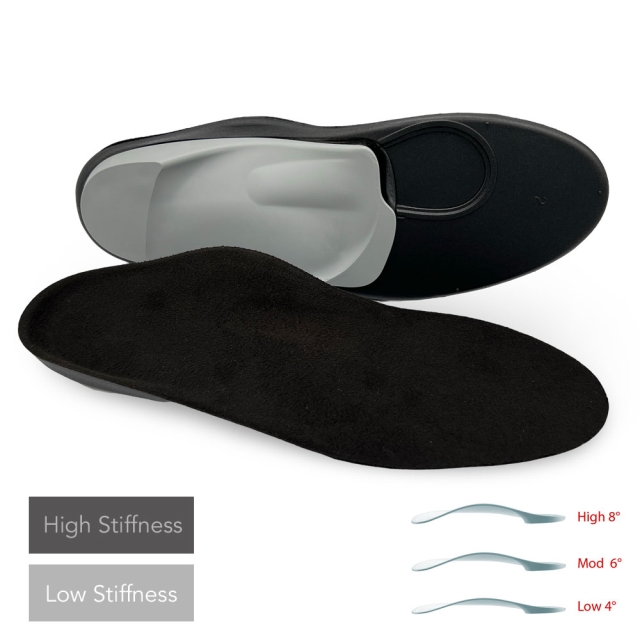
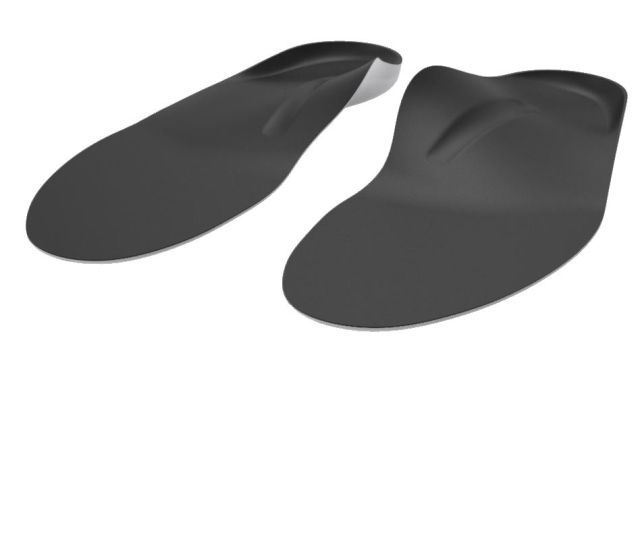
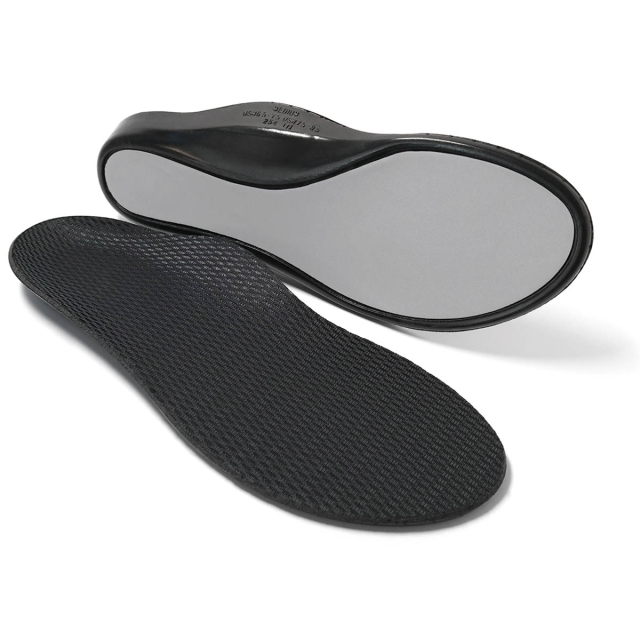
Algeos Recommended Insoles for Arch Support
| Image | Insole Model | User Reviews | Level of Support | Material Type | Our Rating (out of 5) |
|---|---|---|---|---|---|
 |
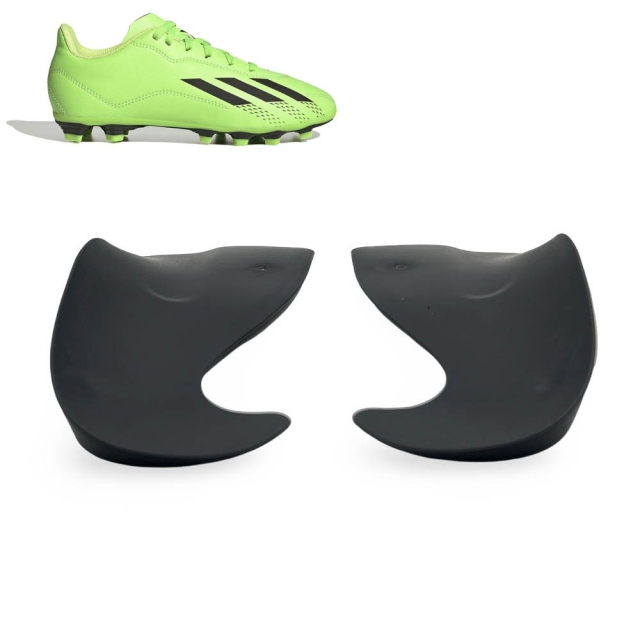
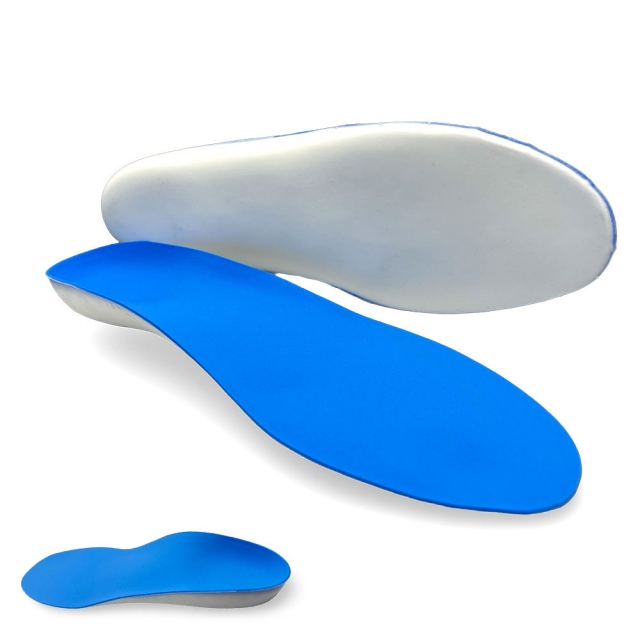
Slimflex Simple | Highly rated by clinicians for versatility and easy customisation. Firmest Slimflex device. | Firm | HD EVA Foam without top cover | 4.7 |
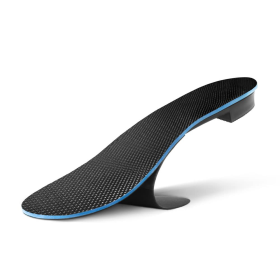 |
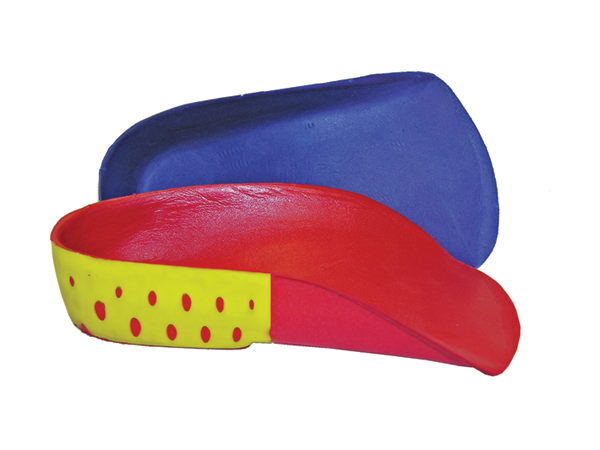
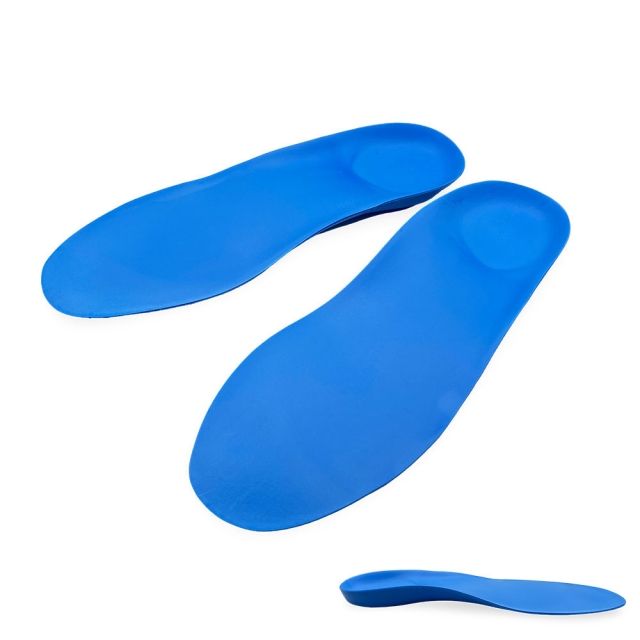
Podotech Stars Sirius | Praised for anatomical shape and clinical-grade support. | Firm | Polyurethane and memory foam blend | 4.6 |
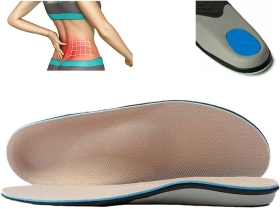 |
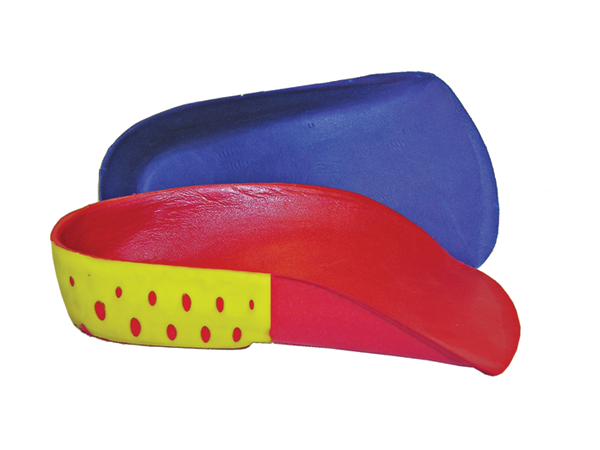
Motion Control | Positive feedback from users with flat feet and overpronation. | Moderate | Polyurethane and PPC Base | 4.5 |
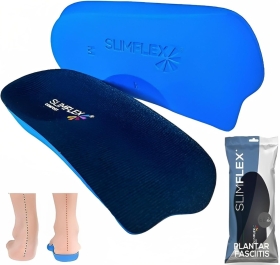 |
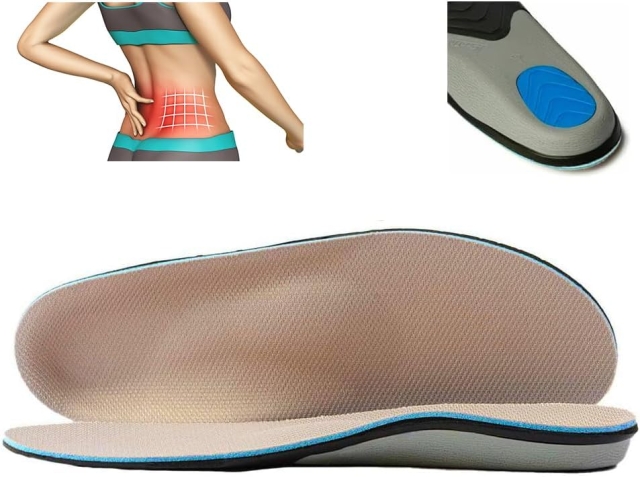
Slimflex Comfort | Popular among walkers and people with Plantar Fasciitis. | Moderate | MD EVA with soft, plush top cover | 4.8 |
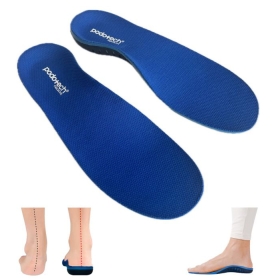 |
FasciaFix Plantar Fasciitis Insoles | Rated well for pain relief in arch and heel. | Targeted firm arch support | Rigid base, PU mid-layer with moisture absorbing top cover | 4.6 |
Ratings based on customer review and clinical feedback
Conclusion: Enhancing Your Foot Health with the Best Insoles
Investing in high-quality support insoles can significantly enhance your foot health. By choosing the right insoles, you ensure proper alignment and comfort. This aids in preventing foot pain and conditions such as plantar fasciitis.
Support insoles are a smart choice for both everyday use and athletic activities.
They offer the structural support you need to reduce fatigue and improve your overall well-being. Remember to select insoles tailored to your specific needs for the best results and enjoy the benefits of enhanced comfort and support.
Sold: Sold per Pair
Incl. VAT Exl. VAT