




Is acupuncture available on the NHS? Let explore. Acupuncture is a treatment that uses thin needles. It originated in traditional Chinese medicine, but today many healthcare professionals use a more scientific approach often called “Western medical acupuncture.”
In the UK’s National Health Service (NHS), practitioners sometimes offer acupuncture as a complementary treatment. However, access can be limited and varies by location. This guide will walk you through how acupuncture is used within the NHS, what the official guidelines say, how you might access treatment, and the experiences of patients and professionals with acupuncture under NHS care.

What is Acupuncture and How Does it Work?
Providers may offer acupuncture as one of several treatments alongside conventional medicine. In practice, a trained practitioner inserts fine, sterile needles into specific points on your body. Traditional theory holds that this stimulates the flow of a life-force energy called Qi, restoring balance.
Western medical acupuncture sees the effects of needles as a way to stimulate nerves and muscles. This can lead to the release of natural pain relievers, such as endorphins.
Most acupuncture sessions involve an initial health assessment followed by needle insertion. A treatment plan usually includes several sessions. These sessions often happen once a week for a few weeks. This is because the benefits can increase over time.
During a session, you will usually lie or sit comfortably. The practitioner will place acupuncture needles at points that relate to your symptoms. The needles might be left in place for a few minutes up to about 30 minutes. You may feel a tingling or dull ache, but it shouldn’t be painful – if it is, you should tell the practitioner right away.
Safety: When done by trained professionals, acupuncture is generally very safe. Needles are single-use and pre-sterilised.
However, it may not be suitable for everyone. For example, people with certain medical conditions, like a blood clotting disorder or a pacemaker, should tell their doctor.
If someone has a fear of needles, they should also inform their practitioner. Special care or avoidance may be needed in these cases. Overall, acupuncture is considered a low-risk treatment when proper hygiene and techniques are followed.
Is Acupuncture Offered on the NHS?
Yes, but availability is limited. The NHS occasionally provides acupuncture, most often through GPs or physiotherapists with the appropriate training. It is used in many NHS general practices and in most pain clinics and hospices across the UK.
For instance, some family doctors (GPs) have training in medical acupuncture and may offer it within their practice, particularly for conditions like chronic pain or headaches. Many NHS physiotherapy departments also employ acupuncture techniques (sometimes called dry needling) as part of a broader treatment plan for musculoskeletal problems.
Despite this, access to NHS-funded acupuncture varies widely by region and service. Not every local NHS has acupuncture available, and those that do may offer it only for specific conditions or on a limited basis. In many cases, patients end up seeking acupuncture privately, paying out of pocket, because NHS provision might be unavailable or have long waits.
Why is access limited? It often comes down to differences in local funding policies and the cautious approach of evidence-based guidelines.
NHS resources are allocated based on clinical evidence and cost-effectiveness. Acupuncture has an evidence base that is strong for some conditions but weak or conflicting for others, leading some local NHS groups to fund it only in certain situations. We’ll look at what official guidelines say next.
NHS Guidelines and Policy on Acupuncture
The NHS relies on guidance from the National Institute for Health and Care Excellence (NICE) to decide when treatments like acupuncture should be used. According to the NHS, NICE currently recommends considering acupuncture for only a few specific situations:
- Chronic pain (long-term pain) – especially what’s called chronic primary pain (persistent pain with no clear cause, such as fibromyalgia or chronic widespread pain) . In 2021, NICE advised that for chronic primary pain, a single course of acupuncture may be offered under certain conditions (for example, up to 5 hours of sessions in total, delivered by appropriately trained staff in a community setting) . This reflects a shift toward offering non-drug options for managing long-term pain.
- Chronic tension-type headaches – for prevention of frequent tension headaches, NICE suggests a course of up to 10 sessions of acupuncture over 5–8 weeks .
- Migraine prevention – if standard preventive medications (like beta-blockers or anticonvulsants) aren’t suitable or effective, NICE advises considering acupuncture (up to 10 sessions over 5–8 weeks) to help prevent migraines .
- Chronic prostatitis symptoms – in men with long-term prostatitis or pelvic pain symptoms, acupuncture has been mentioned as a possible option (this is a more specialized use).
- Persistent hiccups – in rare cases of intractable hiccups, acupuncture has been noted as a treatment consideration.
These last two points (prostatitis and hiccups) are less common, but are included in NHS guidance based on some evidence or clinical consensus . It’s worth noting that acupuncture is also sometimes used in cancer care settings (like in hospitals or hospices) to help with pain or treatment side-effects such as nausea, although this may not be a formal “NICE recommendation.” For example, the Royal Marsden cancer hospital in London offers acupuncture free of charge to NHS patients as part of supportive care.
On the other hand, NICE explicitly recommends against using acupuncture for certain conditions due to lack of sufficient evidence of benefit:
- Low back pain (with or without sciatica): Updated guidelines in 2016 state “Do not offer acupuncture” for managing low back pain on the NHS . (Earlier in the 2000s, acupuncture was sometimes offered for back pain, but trial evidence didn’t show enough benefit, so the guidance changed .)
- Osteoarthritis: Similarly, current osteoarthritis guidelines do not recommend acupuncture for joint pain like knee or hip arthritis , focusing instead on exercise and physical therapy as core treatments.
- Other specific conditions where robust evidence is lacking.
Because of these guidelines, many local NHS commissioners (formerly CCGs, now Integrated Care Boards) restrict funding for acupuncture. It may only be approved in the recommended scenarios (like chronic primary pain or headaches), or even then, provided only if other treatments fail.
In some areas, GPs can refer patients for NHS acupuncture only on a case-by-case basis, or patients might have to apply for special funding if they want acupuncture for a condition outside of guidelines .
The result is that NHS acupuncture services can feel like a postcode lottery – available routinely in some places and virtually not at all in others, depending on local policy.
It’s important to remember that guidelines evolve with new evidence. For example, research funded by the National Institute for Health Research in 2017 found that acupuncture can provide modest but real benefits for certain chronic pain conditions (like back, neck, shoulder pain, osteoarthritis, and headaches) compared to both no treatment and “sham” placebo acupuncture .
The review also noted acupuncture improved quality of life and “was assessed to be a good use of NHS resources” for these conditions . This evidence played a role in NICE’s 2021 decision to include acupuncture as an option for chronic primary pain.
Nonetheless, for pain linked to a defined condition (like arthritis or nerve pain), NICE remains cautious. So, the official stance is a balanced one: acupuncture is accepted in the NHS for some conditions (especially some types of chronic pain and headaches), but not routinely provided for others where evidence is weaker.

What Conditions is NHS Acupuncture Used For?
In practice, NHS providers use acupuncture primarily for pain-related conditions. Here are some of the common uses:
- Chronic musculoskeletal pain: This includes chronic back or neck pain, shoulder pain, knee pain, etc. Even though NICE doesn’t formally recommend acupuncture for low back pain or osteoarthritis, many NHS physiotherapists and pain clinics do use acupuncture as part of a pain management plan . The goal is often to relieve pain enough to allow patients to engage in exercise therapy or other rehabilitation. For example, a physiotherapist might use acupuncture to ease lower back muscle tension or knee arthritis pain during your physiotherapy program . It’s seen as complementary – an added tool to reduce pain alongside exercise, massage, or medication.
- Chronic primary pain conditions: These are conditions where pain is the primary problem rather than a symptom of a known injury or disease. Examples include fibromyalgia, chronic widespread pain, or chronic pelvic pain syndrome. Since these conditions often don’t respond well to standard pain medications, NHS pain clinics may offer acupuncture to help manage symptoms . Acupuncture is one of the few options recommended by NICE for these hard-to-treat pains, alongside exercise and psychological therapy.
- Headaches and Migraines: If you suffer frequent tension headaches or migraines, some NHS services (especially neurology or pain clinics) can provide acupuncture for prevention . Typically, this would be a course of up to 10 sessions. It’s usually considered if medications aren’t helping or aren’t suitable. Patients with chronic headaches have reported significant improvements with acupuncture – for some it reduces frequency and intensity of headaches.
- Post-operative or chemotherapy-induced nausea: In some hospitals, acupuncture (or acupressure) is used to help with nausea and vomiting after surgery or during cancer treatment . This might be offered by specialist nurses or complementary therapy teams in the hospital. While not widespread in every hospital, cancer support centers and hospices are more likely to have acupuncture available for symptom control.
- Other conditions: On a case-by-case basis, acupuncture might be used for things like dental pain, jaw problems (TMJ pain), or menopausal symptoms (such as hot flushes), usually if conventional treatments aren’t sufficient. Some fertility clinics have explored acupuncture for fertility or IVF support, though this is typically outside NHS provision unless part of a research trial. In Parkinson’s disease or stroke rehabilitation, acupuncture is occasionally tried to help symptoms like pain or spasticity, but again this would depend on local services and is not standard NHS care.
It’s important to set realistic expectations: acupuncture is not a miracle cure, and results vary. The evidence is strongest for pain relief and some types of headache. Even in those cases, acupuncture tends to offer modest improvements rather than complete cures.
Many NHS professionals view it as a way to “buy time” or create a window of reduced pain, during which patients can mobilise, exercise, or work on other aspects of recovery. For example, a physiotherapist at an NHS clinic might say: “We’ll use some acupuncture to calm your pain down so you can manage the exercises better.” If acupuncture works for you, you might experience reduced pain and better function for a period of time. If it doesn’t, the NHS practitioner will help explore other avenues.
How Can You Access Acupuncture Through the NHS?
If you believe acupuncture might help you and you’re hoping to get it through the NHS, here are some steps and tips:
- Talk to Your GP: Your general practitioner is usually the first point of contact. Discuss your condition and ask if acupuncture is an option. GPs are aware of local service provisions. In some GP surgeries, there may be a GP or nurse who is trained in acupuncture and can provide it right there. (A number of UK GPs have training via the British Medical Acupuncture Society and integrate simple acupuncture techniques for conditions like migraines or chronic pain.) If your GP practice doesn’t offer it, the GP may refer you to another service.
- Referral to Physiotherapy or Pain Clinic: More commonly, a GP can refer you to an NHS physiotherapy service or a pain management clinic. Many physiotherapists in the NHS use acupuncture as part of their treatments . For example, if you have chronic neck or back pain, you might be referred to musculoskeletal physiotherapy – there you can ask if they provide acupuncture. Pain clinics (specialist clinics for chronic pain) often have doctors or physiotherapists who can do acupuncture as one of several pain relief modalities. Keep in mind that referrals depend on meeting certain criteria (for instance, the clinic might only accept referrals for acupuncture if you have a condition that NICE suggests may benefit from it, such as chronic primary pain or chronic headaches).
- Check Local Availability: NHS services differ by area. Some regions have integrated acupuncture services, while others have none. You can do a bit of homework: look up your local hospital or NHS Trust’s website for physiotherapy or pain services – see if they mention acupuncture. For example, some NHS Trusts explicitly state that their physios offer acupuncture for pain relief . If you find information, you can mention it to your GP when discussing referral options. If acupuncture is not routinely offered in your area, your GP might need to make a special request or Individual Funding Request to the local commissioners, explaining why your case is exceptional.
- NHS vs Private: Be prepared that you might face limits on NHS acupuncture. Often, even if you get NHS acupuncture, it could be for a fixed number of sessions (e.g. 6 or 8 sessions). One patient who received NHS acupuncture reported that she had weekly sessions for about a month with great pain relief, but after a few courses spread out over a year, the clinic told her they couldn’t provide more sessions on the NHS. This limitation is usually due to funding caps or the idea that if a treatment hasn’t led to lasting improvement after a certain number of tries, it’s not continued. If acupuncture helped you and you want to continue beyond the NHS provision, you may have to seek private acupuncture. Many patients do this: they use the NHS for an initial exposure or short course, then decide to continue privately if it was beneficial. Private acupuncturists’ costs vary, so that’s something to weigh in your decision .
- Hospices or Specialist Centers: If you are dealing with something like cancer-related symptoms or palliative care, ask your specialist or nurse about complementary therapy services. Many larger cancer centers and hospices offer acupuncture (often by specially trained nurses or therapists) as part of supportive care . These might be available to you either during hospital treatment or via referral to a connected support service.
- Patient Choice: If your NHS options are limited, remember you have the right to choose your provider in certain cases. For example, if an NHS pain clinic in your area doesn’t offer acupuncture, but a neighboring area’s pain clinic does and accepts outside referrals, you might request a referral there (though this can be complicated by funding approvals). Your GP or Patient Advice and Liaison Service (PALS) can advise if such cross-referral is possible.
Tip: Always inform your NHS doctors if you are receiving acupuncture (NHS or privately). It’s important they know all the treatments you’re using, so they have the full picture and can advise you properly . Acupuncture usually doesn’t interfere with medical treatments, but your doctor will want to ensure any therapy you pursue is safe for you.
Patient Experiences with NHS Acupuncture
Real patient stories show a range of experiences – some positive, some negative – with acupuncture under NHS care.
Many patients who have tried it report finding at least short-term relief. For example, one patient on an online forum shared: “Yes I had acupuncture on the NHS… To me it was a success. From the day I got it until about 2 days before the next lot I was almost pain free” . She described getting weekly sessions that gave her about five days of relief each time. However, because it worked well, the NHS providers eventually paused treatment to see if the benefits would hold and ultimately told her they couldn’t continue it indefinitely . Her story highlights both the potential benefit (significant pain reduction) and the limitation (a cap on sessions) commonly experienced in NHS acupuncture.
Other patients have found acupuncture life-changing for certain issues. In a collection of patient testimonials compiled by The Guardian, one 46-year-old patient with chronic back trouble said: “I was very pessimistic at first, but immediately after the treatment my back had eased significantly. I can only describe it as magic… I’ve had it several times now … and it’s worked every time.” . For this individual, acupuncture provided relief when he needed it, and he became a firm believer in its effects for his pain.
Yet, acupuncture is not universally effective. Some people notice little to no improvement. In the same Guardian report, another patient (48 years old, with a painful spine condition) said it “made no difference at all” for his back pain. He even found the experience unpleasant and, based on his lack of results, felt that “if evidence didn’t support the use of acupuncture, then it should not be available on the NHS.” . This viewpoint reflects the understandable frustration of patients for whom acupuncture doesn’t help – and it underscores why the NHS takes an evidence-based approach to offering treatments.
Key takeaway: individual responses to acupuncture vary widely. A majority of patients in some surveys say it helped them , while a minority feel it was a waste of time. If you try NHS acupuncture, pay attention to how you respond. NHS practitioners will typically assess progress with you after a few sessions. If there’s no improvement after, say, 4–6 sessions, they may discontinue the treatment to avoid giving false hope or wasting your time. On the other hand, if you experience benefit, you and your provider will discuss how many sessions to have and how to space them out, keeping in mind the NHS limitations. Some patients report that the relief from acupuncture can wear off after a while, which is why periodic follow-up sessions might be needed to maintain the effect – though again, NHS might not fund continuous long-term maintenance therapy.
For those who find acupuncture beneficial, even the partial relief can be meaningful. Patients have described being able to sleep better, move more easily, or reduce their pain medications thanks to acupuncture. For example, a patient with rheumatoid arthritis noted that acupuncture “got [her stiff fingers] moving and relieved the pain for several days” after each session . Meanwhile, others have pointed out unexpected benefits like improved overall well-being or mood, even if their physical symptoms didn’t fully resolve. Each person’s story is unique, so consider acupuncture an experiment – one that could pay off, but isn’t guaranteed.
Perspectives from NHS Professionals on Acupuncture
Within the NHS, healthcare professionals have a mix of views on acupuncture, reflecting the divided evidence base. Here are some insights and quotes from NHS doctors and physiotherapists:
- Dr. Helen Stokes-Lampard, GP: In an interview, this GP explained that she does refer patients for acupuncture, usually via physiotherapists or pain clinics, but access is “variable across the UK”. “It’s available in a limited way and is usually accessed via chronic pain clinics or some physiotherapists,” she noted . Dr. Stokes-Lampard highlighted that, at the time, the main NICE-supported reason to refer was for low back pain (note: this was before guidelines changed in 2016), and some pain clinics also used it for other types of chronic pain . Interestingly, she pointed out that provision was “ad hoc” and more patients wanted acupuncture than could get it, even with NICE support .
- Doctors’ opinions differ: She observed that “a lot of doctors think it’s worth giving acupuncture a go for any sort of chronic pain, but the evidence base isn’t there for anything outside of pain management” . Some GPs even train to perform acupuncture themselves and use it for a range of issues in their practice, while others remain more skeptical and wary of referring patients for acupuncture . This means your GP’s personal view might influence how readily they suggest or agree to acupuncture – some are enthusiasts, some are skeptics, but all will consider NICE guidelines and your specific case.
- Physiotherapists’ view: Among NHS physiotherapists, acupuncture is generally seen as a useful adjunct for pain. The Chartered Society of Physiotherapy endorses acupuncture as part of physiotherapy practice for musculoskeletal pain, provided the physio is properly trained. The Acupuncture Association of Chartered Physiotherapists (AACP) provides training to physiotherapists in safe acupuncture use. According to patient leaflets from NHS physio departments, “acupuncture combined with physiotherapy is now widely used for painful musculoskeletal conditions” . Physiotherapists often emphasize that while acupuncture can reduce pain, it “does not work for everybody or every condition” – success may depend on individual factors like general health, the nature of the condition, and how chronic it is .
- Pain specialists: Doctors who specialize in pain management in the NHS tend to have a balanced view. They recognize acupuncture as one tool among many. Pain specialists might offer acupuncture in their clinics especially if a patient wants to avoid escalating painkiller use. Many pain clinics also offer TENS machines, injections, physiotherapy, and psychological support, and they consider acupuncture if it fits the patient’s needs. Some pain consultants are trained in acupuncture (often via medical acupuncture courses) and incorporate it for conditions like chronic headaches or fibromyalgia. They will be honest that it’s not a cure-all, but given the limited options for chronic pain, many pain doctors are open to it. The faculty of Pain Medicine and British Pain Society have generally supportive positions for using acupuncture as part of multi-modal pain therapy, especially since it has a relatively low side-effect profile.
- Specialist nurses and others: In settings like cancer care or women’s health, you might encounter nurses, midwives, or physiotherapists who provide acupuncture. For example, some midwives are trained to use acupuncture or acupressure for pregnant women to help with lower back pain or nausea. Some clinical nurse specialists use acupuncture for chemotherapy patients’ nausea or neuropathy. Their perspective is usually patient-centered: if it helps the patient feel better and is safe, they see it as worthwhile. However, these services depend on local initiatives and training.
In summary, NHS professionals generally agree on a few points: acupuncture can help some patients with pain or certain symptoms; it’s safe when properly administered; but it’s not guaranteed to work for everyone and shouldn’t replace mainstream treatments. The phrase “some people respond and some do not” often comes up .
Therefore, clinicians stress informed consent – patients should know upfront that it might or might not help, and that it’s usually tried for a short course to judge effect. If you do pursue NHS acupuncture, you’ll likely find your practitioner supportive but also monitoring your progress closely to decide whether to continue.
Availability and Funding: The Debates and Limitations
While acupuncture has its advocates, there are ongoing debates about how widely it should be offered in a publicly funded system like the NHS. One major issue is evidence and cost-effectiveness: Skeptics argue that some benefits of acupuncture might be due to the placebo effect or patient expectations.
Supporters point to modern research (including brain imaging studies and clinical trials) that show acupuncture has physiological effects and can outperform placebo in certain contexts . NICE essentially splits the difference – endorsing it for a few cases where evidence suggests net benefit, and discouraging it elsewhere to avoid spending NHS money on treatments that may not work better than standard care .
Funding constraints also play a big role. The NHS has finite resources, and every treatment funded widely means less money for something else. In 2017, the NHS made moves to stop funding some complementary therapies like homeopathy altogether, citing lack of evidence .
Acupuncture was not “banned” in that way, but NHS England did encourage using evidence-based criteria for all referrals. As a result, many commissioning groups introduced policies that fund acupuncture only for certain conditions (like those NICE-approved ones) or require special approval for others . This can frustrate patients who feel acupuncture is helping them, yet they can’t get more sessions funded.
Another limitation is the number of trained practitioners within the NHS. Not every clinic has a resident acupuncturist. Training NHS staff in acupuncture (and maintaining their skills) takes time and resources. Some areas may simply lack professionals who can offer it.
According to one analysis, about a third of acupuncture treatments in the UK are provided within the NHS by doctors, physios, or nurses, and the rest are private . This indicates that while NHS acupuncture exists, the majority of people who want acupuncture go outside the NHS to get it – often because they either can’t access it through the NHS or they want more frequent treatment than the NHS can provide.
There is also a philosophical debate: should the NHS provide therapies that are considered “complementary” rather than “essential”? Acupuncture sits in a gray area – it’s not part of core medical training, yet it’s more accepted than many alternative therapies.
The British Medical Association (BMA) has at times been cautiously supportive; even decades ago some doctors believed that “greater use of acupuncture would save the NHS millions of pounds each year” by potentially reducing medication and surgery needs . However, others argue that unless acupuncture’s benefits are conclusively proven, NHS funds should prioritize proven treatments.
For now, the compromise in the NHS seems to be: offer acupuncture in limited circumstances, and encourage it as an adjunct rather than a replacement to standard care. The NHS’s own informational page advises that evidence for many acupuncture uses is “unclear” and that it’s often used when other treatments haven’t worked . It also emphasises that patients should feel free to discuss acupuncture with their GP, and if they choose to have it (NHS or private), to continue any standard treatments alongside and keep their doctor informed .
Patient choice and empowerment: If you’re considering acupuncture, you are not alone – many patients bring it up with their doctors. You have a right to ask for it, and to seek a referral if appropriate.
Be prepared for the possibility that your NHS healthcare team might say “we don’t offer that here” or “the evidence doesn’t support it for your condition.” If that happens, ask if there are alternatives (maybe a different service, or advice on reputable private practitioners). The NHS may not pay for unlimited acupuncture, but they do prioritize your overall well-being – meaning your team should still support you in making safe choices about it.
Final Thoughts
Acupuncture in the NHS represents a blending of traditional therapy with modern healthcare. For patients, it can be confusing to navigate – it’s available, but not everywhere; encouraged for some conditions, discouraged for others. Hopefully, this guide has shed light on how and where the NHS uses acupuncture today:
- It’s primarily offered for certain chronic pain conditions and headaches where it has the best evidence, usually through GPs, physios, or pain clinics in a limited capacity .
- NHS policies (like NICE guidelines) shape what’s available – and those policies are based on ongoing research and debates about effectiveness .
- Many patients have found relief through NHS acupuncture, though typically for a short term or as part of a larger treatment plan . Others have not felt any benefit, underlining that it’s not a guaranteed fix .
- Accessing acupuncture via the NHS usually starts with a conversation with your GP and may require some patience and advocacy to find a service that offers it. Once you do, the referral and treatment process should feel much like any other specialist service in the NHS – with assessments, a planned number of sessions, and follow-ups to gauge progress.
- There are clear limitations – often a cap on sessions, and possibly long wait times or no local availability – so some patients opt for private treatments to supplement what the NHS can provide .
- NHS professionals tend to support using acupuncture responsibly: as one of the tools in the toolkit, when evidence suggests it might help, and always alongside conventional care (not in place of it) .
If you’re considering acupuncture through the NHS, approach it with an open mind and a bit of pragmatism. It may help your condition, and if it does, even a moderate improvement can greatly enhance quality of life. If it doesn’t help, you can at least feel confident that the NHS gave you a safe trial of it, and then you can move on to explore other options with your care team.
Remember that managing health conditions – especially chronic ones – often requires a combination of treatments and approaches. Acupuncture is just one piece of the puzzle, and the NHS’s priority is to help you put together the pieces that work best for you.
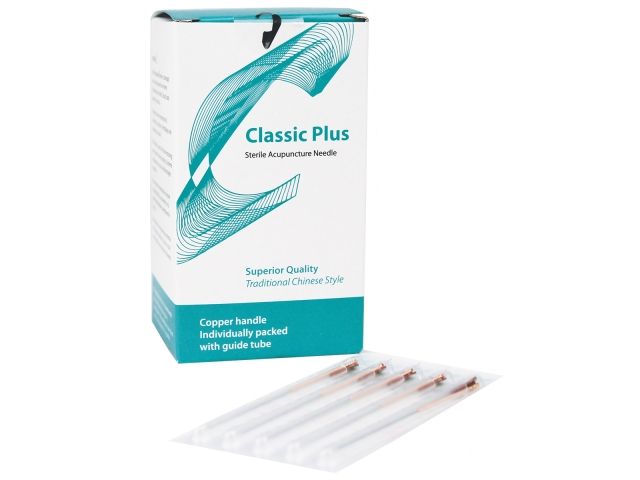
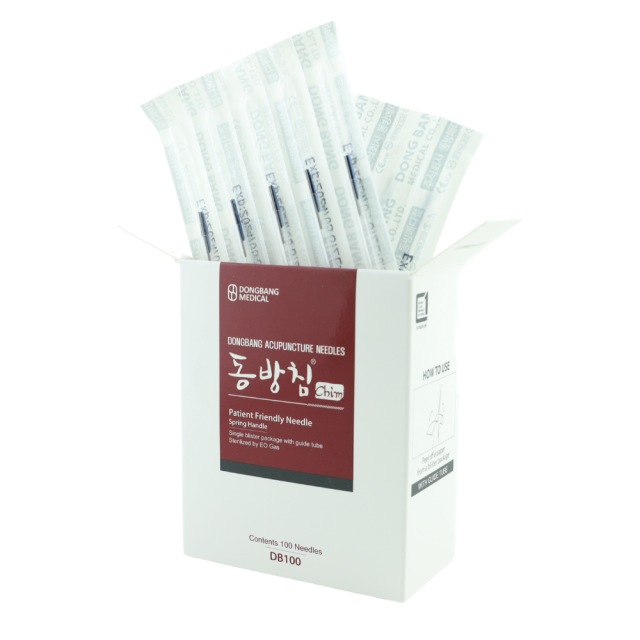
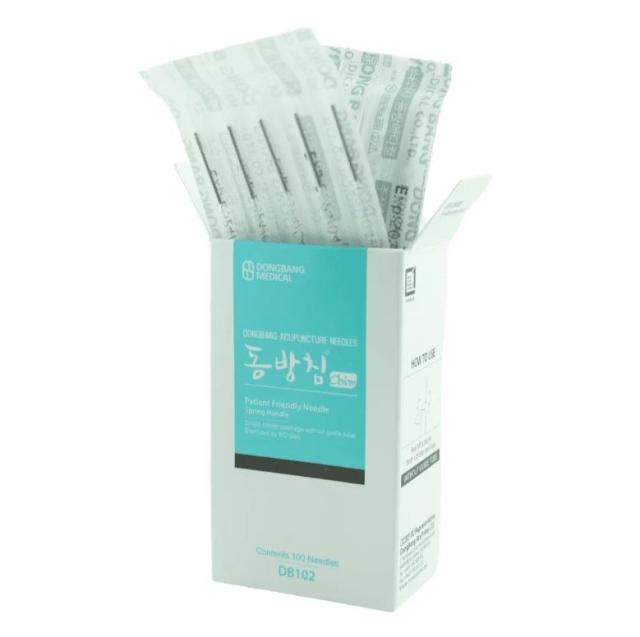
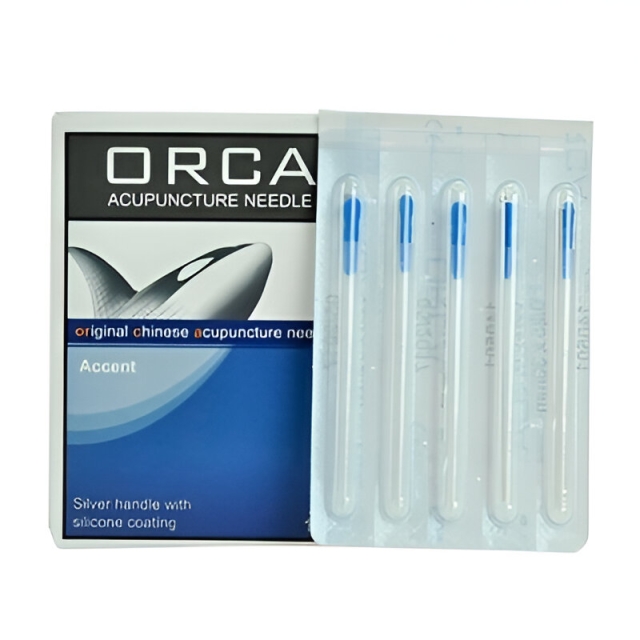
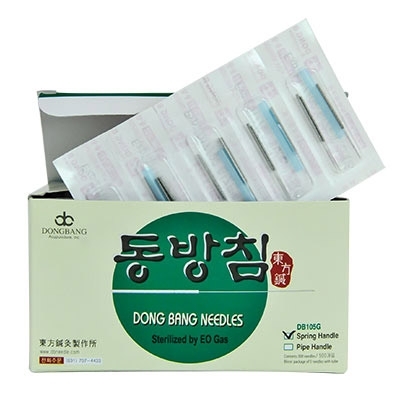
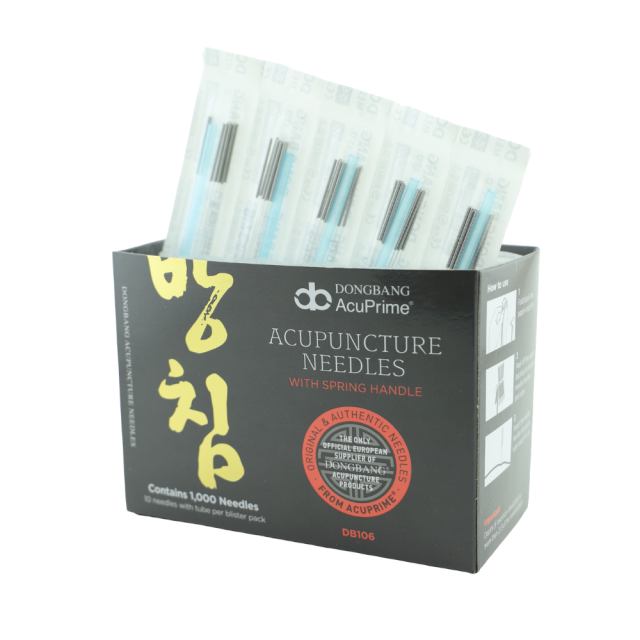
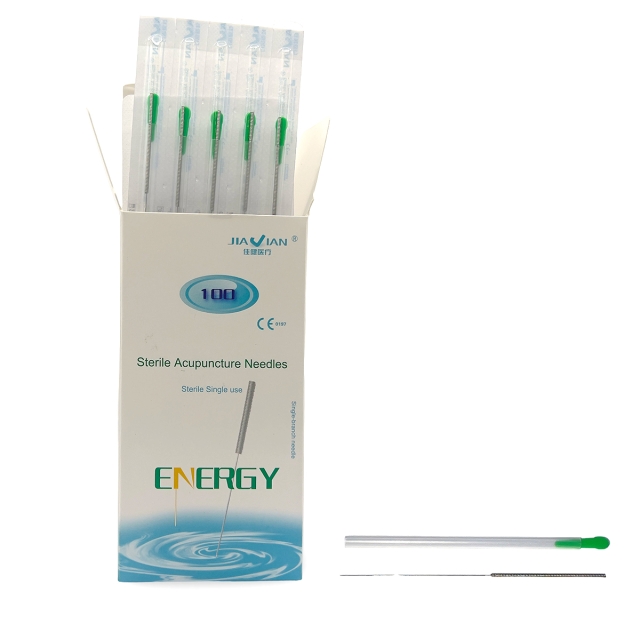
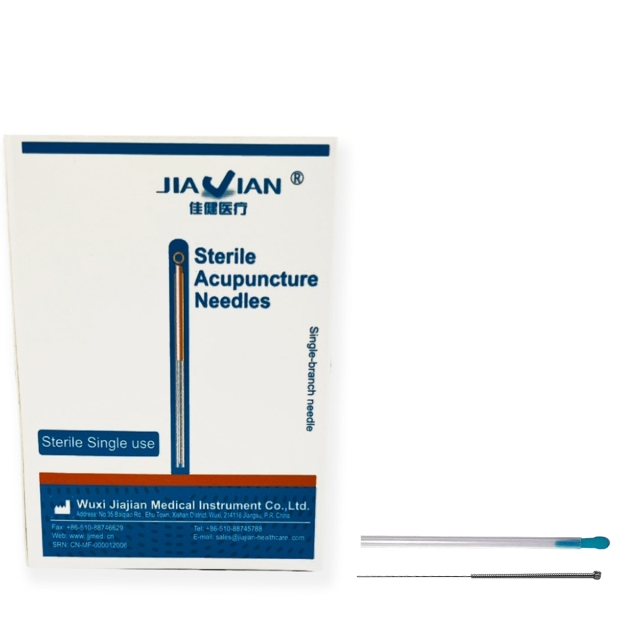
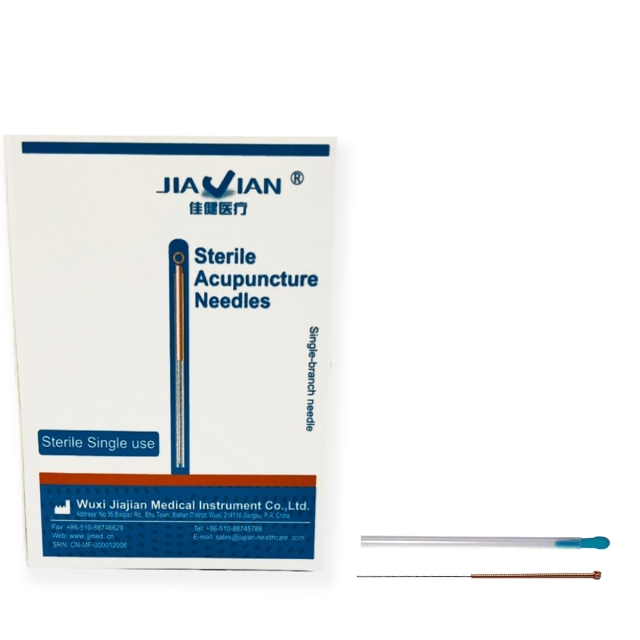
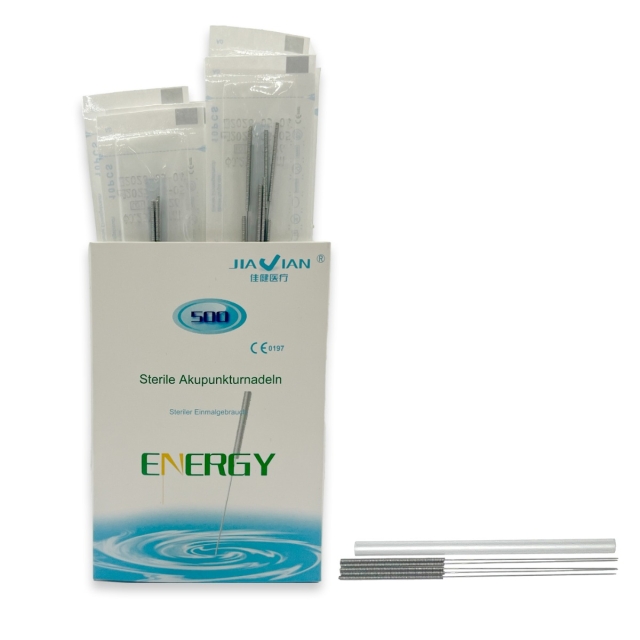
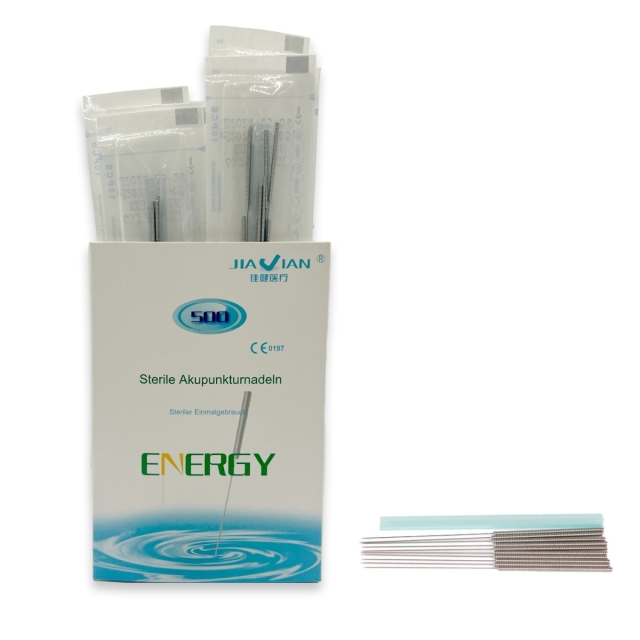
To view Algeos Acupuncture Needles visit our range page.
Sources
- NHS (2023). Acupuncture: Overview and NHS Availability.
- NICE (2021). Chronic pain (primary and secondary) in over 16s: assessment of all chronic pain and management of chronic primary pain.
- NICE (2012). Headaches in over 12s: diagnosis and management.
- NICE (2012). Osteoarthritis: care and management.
- NICE (2016). Low back pain and sciatica in over 16s: assessment and management.
- NIHR (2017). Acupuncture helps manage some chronic pain conditions and is cost effective.
- Patient experience – Eileen’s NHS acupuncture story on Patient.info (2014).
- The Guardian (2016). Reader experiences: Is acupuncture effective?.
- The Guardian (2013). Should the NHS be paying for acupuncture? – Interview with Dr Helen Stokes-Lampard.
- Northern Care Alliance NHS Trust. Physiotherapy and Acupuncture Services – Patient leaflets and service information.
Sold: 100
Incl. VAT Exl. VAT