






Explore practical information on plantar fasciitis, from understanding heel pain and managing symptoms to choosing insoles, exercises and other support options. Written for healthcare professionals and people looking for clear foot health advice.
SHOW PRICES WITH OR WITHOUT VAT? MANY BUSINESS CUSTOMERS PREFER TO VIEW PRICES EXCLUDING VAT.
0151 448 1228 (UK)
Condition-led Orthotic Support
Recommended Insoles for the Cavus Foot
People with high arches often need more than simple underfoot softness. A cavus foot shape can place extra load through the heel and forefoot, reduce natural shock absorption, and leave the foot feeling less stable on harder surfaces. This is why many people start by comparing insoles that combine cushioning, arch contouring and a more supportive heel structure.
For that reason, the best insoles for high arches are usually those that spread pressure more evenly while still supporting the raised arch profile.
A well-designed insole can help improve comfort during walking and standing, while also reducing the fatigue and hotspot pain that often come with cavus feet.

What are high arch insoles?
High arch insoles are shoe inserts designed to support a pes cavus foot type, where the arch sits higher than average and body weight is often concentrated into smaller contact points. In practical terms, this can mean a foot that feels tired, less shock-absorbent and more pressure-sensitive in the heel, lateral border or ball of the foot.
Well-chosen devices usually aim to improve comfort in three ways: by supporting the arch profile, by redistributing pressure more evenly, and by adding cushioning where a high-arched foot may need more impact control.
Many people begin with ready-to-use options from the arch support insole range, then progress to more structured devices from the wider orthotic therapy section when symptom pattern, activity level or clinical presentation calls for more control.
Quick summary: if the foot rolls outward, feels hard on impact, or develops heel and forefoot pressure, high arch insoles can be a sensible first-line option. They are often compared alongside supination insoles, arch pain insoles and metatarsalgia support products because those concerns frequently overlap in cavus feet.
How insoles support high arches
Pressure redistribution
High arches can leave the heel and forefoot taking more load than ideal. Supportive insoles can help spread pressure more evenly during standing and walking.
Improved shock absorption
Because pes cavus feet are often less efficient at absorbing impact, users frequently look for EVA, gel or layered cushioning to make everyday walking feel less harsh.
Better foot stability
A cupped heel and shaped arch can help the foot feel more settled inside the shoe, particularly where there is outward rolling or lateral loading.
- Helpful for everyday comfort, work footwear, sport and clinic dispensing
- Can support users who also browse plantar fasciitis solutions or flat feet support while comparing symptoms
- Available in prefabricated, more controlling and semi-bespoke formats
- Useful where users want a practical step before moving into more customised orthotic pathways
Types of high arch insoles and orthotic options
Everyday comfort-led insoles
These are usually the easiest place to start for general foot fatigue, mild pressure discomfort and daily footwear use. They often combine moderate support with cushioning and simpler fitting. See the broader orthotic insoles range and the focused arch support collection.
Supportive devices for oversupination
Where the foot rolls outward more noticeably, users often compare high arch devices with supination insoles. These usually aim to improve load sharing, comfort and control while helping the foot feel less unstable.
Semi-bespoke and clinician-modifiable devices
For more complex foot posture, shoe fit issues or repeated symptom recurrence, clinicians may prefer semi-bespoke orthotic shells and additions from orthotic components so the device can be heated, posted, topped or adjusted.
Material choice matters too. EVA is widely used for lightweight cushioning and structure. Gel can add targeted comfort under pressure points. More structured shells may provide a firmer biomechanical platform where the aim is not only comfort, but more controlled foot function.
For people with ball-of-foot symptoms alongside pes cavus, adjuncts such as metatarsal pads and forefoot cushions may also be relevant.
Common concerns linked with high arches
| Concern | How insoles may help |
|---|---|
| Foot over-supination | Can improve contact under the foot, add structured support and make walking feel less harsh on the outer border. |
| Arch pain and fatigue | Arch contouring and heel support can improve underfoot comfort during work, standing and general daily use. |
| Heel pain or plantar fascia strain | Many users look for combined heel cushioning and supportive arch geometry to reduce day-to-day discomfort. |
| Forefoot pressure | Additional cushioning and offloading can help where the ball of the foot takes excessive load. |
| Need for clinical customisation | Heat-mouldable or modifiable shells allow more precise adjustment for footwear, posting and pressure control. |
How to choose the right insoles for high arches
- Start with the main symptom. Is the problem heel impact, arch fatigue, lateral instability, or forefoot pressure? This helps narrow whether you need cushioning, contour, or a more controlling device.
- Look at foot motion as well as arch height. A high arch does not always behave the same way. Some feet are mainly rigid and pressure-sensitive, while others also show clear outward rolling. In that case, compare the main high arch range with oversupination options.
- Match the device to the shoe. A slimmer 3/4 profile may fit better in tighter everyday footwear, while full-length devices may suit trainers or roomier shoes.
- Choose the support level realistically. Mild symptoms may do well with prefabricated comfort-led insoles. Recurrent pain, sport-specific loading or more complex biomechanics may justify structured Interpod devices or semi-bespoke solutions.
- Think about overlap conditions. High arches can sit alongside issues such as plantar fasciitis, metatarsalgia or general arch pain.
- Escalate when needed. If symptoms persist, footwear wear patterns are unusual, or there is repeated ankle instability, a clinician may want to review gait, pressure distribution and shoe compatibility before moving to a more specialised route.
Helpful guides and advice
What are Orthotic Insoles?
A practical guide to prefabricated, semi-bespoke and more structured foot support options.
How Arch Support Insoles Improve Foot Comfort
Useful for users deciding whether structured support or simpler comfort-led devices are the better first step.
Orthotics vs Insoles
Clarifies when a standard insole may be enough and when a more clinically directed orthotic route may be better.
Preventing Foot Supination
Helpful reading for anyone with a cavus foot that also rolls outward or feels unstable.
Children’s Insoles: Importance of Developing Feet
A useful overview for parents and clinicians supporting younger users with developing foot mechanics.
Arch Support Insoles
Browse a simple collection for everyday arch support, foot fatigue and general biomechanical comfort.
Metatarsalgia Insoles
Especially relevant when high arches come with recurring forefoot loading and ball-of-foot pain.
Orthotic Components
Most popular high arch insoles
Interpod Modular Foot Arch Support Insoles
A more structured foot orthotic route for users who need dependable support and a stronger underfoot platform.
Useful when everyday comfort devices are not supportive enough.
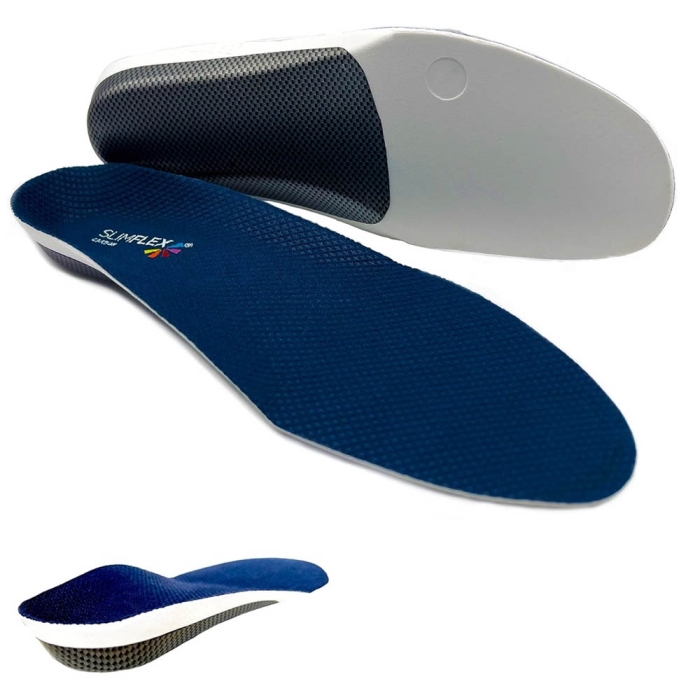
Slimflex Carbon Orthotic Insoles for Supination
A firmer option often considered where high arches are linked with outward rolling and a need for more controlled support.
Relevant for oversupination-focused selection.
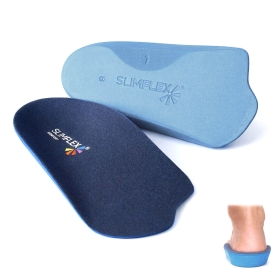
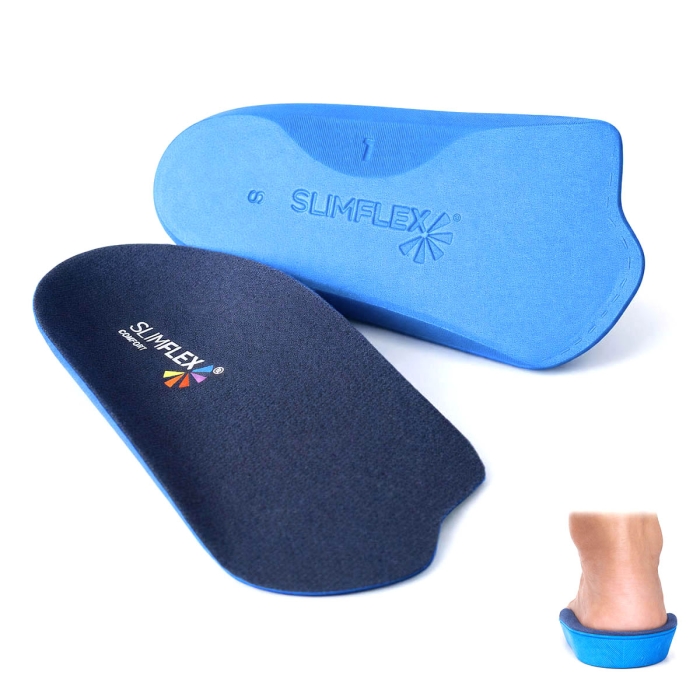
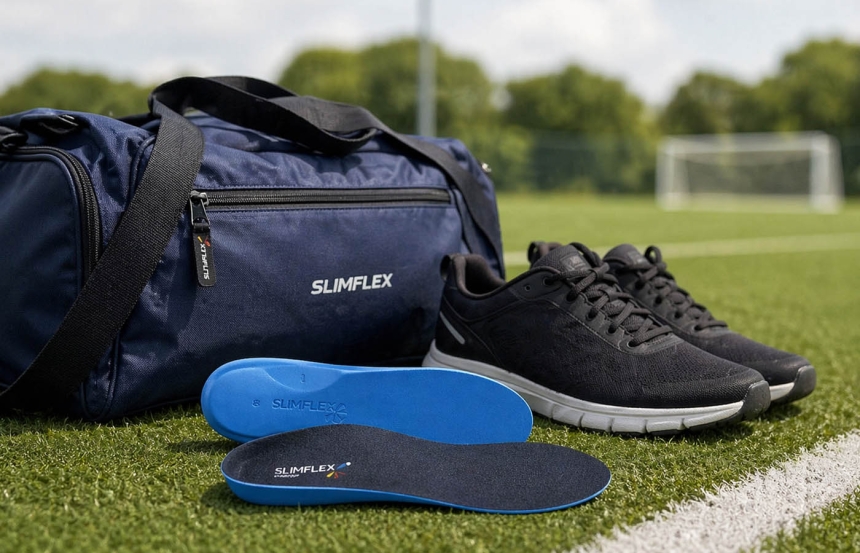
Slimflex Comfort 3/4 Length Orthotic Insoles
A compact format that can be easier to fit into many everyday shoes while still offering arch and heel support.
Often useful where shoe fit is part of the challenge.
Selection should still be driven by symptom pattern, foot motion and footwear, rather than arch height alone. For a wider comparison set, return to the full high arch insoles page or compare with the broader orthotic insole category.
FAQ
What is pes cavus?
Pes cavus is the clinical term for a foot with a higher-than-average arch. In day-to-day use, people may notice reduced shock absorption, pressure at the heel or forefoot, and a tendency to load the outside of the foot more heavily.
Do high arches always need rigid orthotics?
Not always. Some people do well with comfort-led prefabricated devices, while others benefit from more structured support. The better question is whether the foot mainly needs cushioning, control, pressure redistribution, or a combination of all three. Comparing high arch insoles with supination insoles is often a good starting point.
Can high arch insoles help with heel pain?
They can be helpful where heel discomfort is linked to impact loading, arch strain or less efficient pressure distribution. If heel pain is a major complaint, it is worth reviewing the wider plantar fasciitis section and the dedicated plantar fasciitis insoles range too.
Are high arch insoles the same as supination insoles?
They overlap, but they are not identical categories. High arch insoles are selected because of foot shape and pressure pattern. Supination insoles are usually selected because the foot rolls outward and needs support that makes gait feel more controlled. Some products can suit both pathways.
What footwear works best with high arch insoles?
Footwear with a stable heel counter, enough depth and adequate width tends to make insole fitting easier. Slimmer 3/4 length options may suit tighter shoes, while full-length designs often work well in trainers and roomier everyday footwear.
When should someone move to a semi-bespoke or clinical option?
A more advanced route may be appropriate when symptoms keep returning, footwear fit is awkward, the foot is very rigid, or there is clear need for posting and modification. In those cases, semi-bespoke orthotic shells and additions from orthotic components become more relevant.
Can children use high arch insoles?
References
Related Reads
-

November 03, 2026
-
August 25, 2026
These exercises should feel like a mild to moderate stretch or controlled muscle effort - not sharp pain. Stop if symptoms increase significantly, if you have numbness, swelling, bruising, recent injury, diabetes-related foot complications, inflammatory arthritis, or severe pain that does not improve.
-
April 24, 2026
The best insoles for plantar fasciitis usually combine firm arch support, heel cushioning and a stable heel cup. For mild to moderate heel pain, a supportive orthotic insole may help reduce strain on the plantar fascia during walking, standing and daily activity.
-
April 23, 2026
Insoles, also known as footbeds or shoe inserts are removable layers of material placed inside footwear. They don’t reduce the size of your shoe but fill space to deliver a snug, tailored fit. You can easily switch them out or wash them, ensuring both freshness and comfort over time.
-
April 23, 2026
If left untreated, plantar fasciitis can lead to chronic pain and even affect mobility. This guide delves into research-backed treatments, exercises, and lifestyle adjustments to help manage and cure plantar fasciitis.
-
March 23, 2026
Correct foot care during childhood is crucial for preventing potential issues later in life. Children's feet are still developing, making them more susceptible to deformities and other conditions if not properly supported.
Children's insoles play a significant role in ensuring that children’s feet develop correctly - promoting overall foot health and preventing future problems.
-
March 18, 2026
Arch-supporting insoles are a simple way to improve daily foot comfort. They can reduce fatigue and ease common aches. These aches often come from standing, walking, or long days on hard floors. Algeos Arch Support Insoles are designed to support the heel. They help stabilise the arch and cradle the mid-foot. This helps your foot feel more supported. They do this without aggressive, over-corrective features.
-
March 10, 2026
The terms orthotic insoles and foot orthotics are often used interchangeably, but they differ in design, purpose, and customisation. Here’s an overview to help you understand which might be best for you.
-
March 06, 2026
Orthotic insoles, often referred to as orthoses, shoe inserts, or footbeds are specially designed devices that fit inside shoes to improve comfort, provide support and enhance the alignment of the feet and body.
Sold: Sold per Pair
Incl. VAT Exl. VAT