



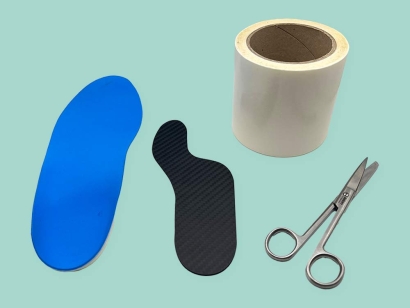
When managing forefoot conditions like turf toe, hallux rigidus or sesamoiditis, clinicians often reach for a Morton’s extension — a simple yet effective modification designed to limit movement at the big toe joint. But do you need a fully custom orthotic to benefit from one? Not necessarily. In fact, Morton’s extensions can be easily and effectively paired with prefabricated insoles, offering a cost-effective and accessible treatment option for many patients.
What Is a Morton’s Extension?
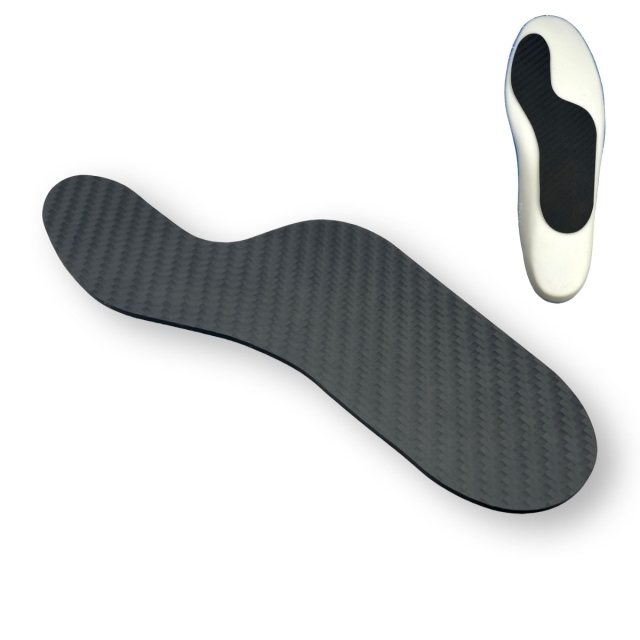
A Morton’s extension is a stiff platform that sits beneath the big toe (1st metatarsophalangeal joint), usually extending just past the toe tip. It's designed to restrict dorsiflexion — the upward bending of the toe — which is often painful or damaging in certain conditions. This makes it a go-to solution in managing:
- Turf toe (sprain of the 1st MTP joint)
- Hallux rigidus and hallux limitus
- Sesamoiditis
- Post-operative protection
Why Combine It with a Prefabricated Insole?
Custom orthotics are fantastic, but they’re not always necessary — or available. Combining a Morton’s extension with a prefabricated insole can deliver similar biomechanical benefits without the need for casting, scanning, or a lab turnaround. This combo:
- Improves function and comfort in off-the-shelf insoles
- Reduces the cost and time involved in custom devices
- Enables condition-specific support using adaptable prefabs
How to Apply a Morton’s Extension to a Prefabricated Insole
Clinicians or technicians can easily modify existing insoles using stick-on or heat-mouldable Morton’s extensions. Here's how it's commonly done:
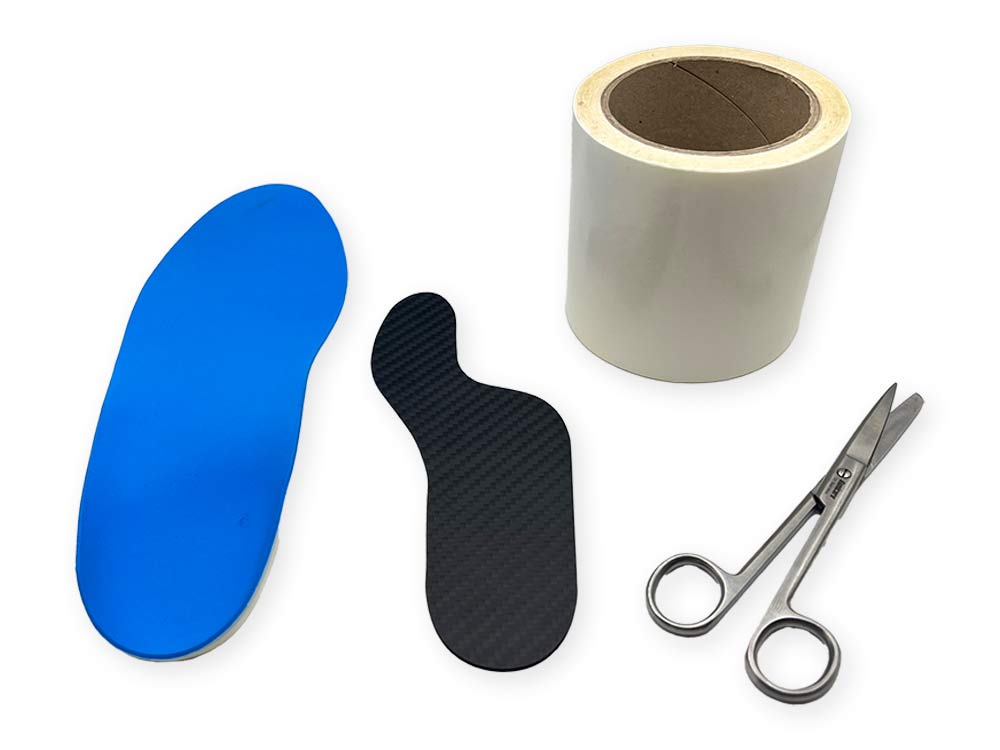
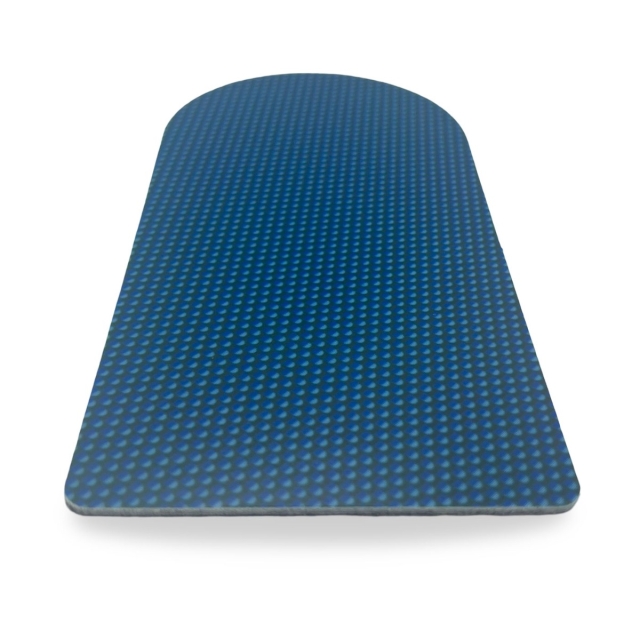
Kit Required |
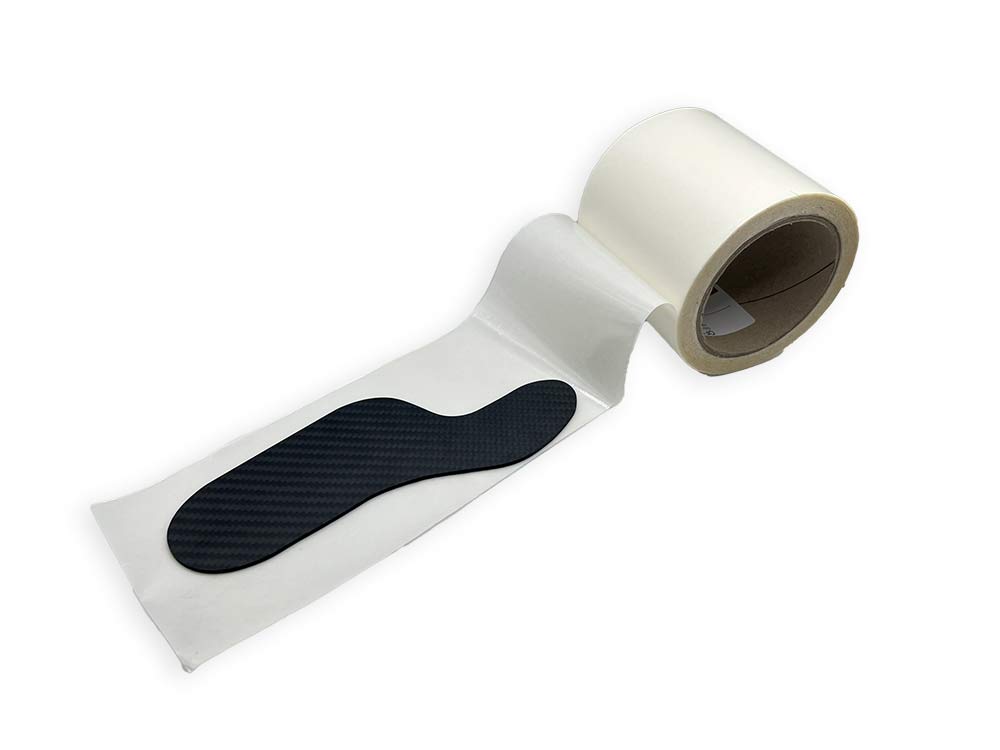
Carbon Plate Applied to Double-Sided Tape |
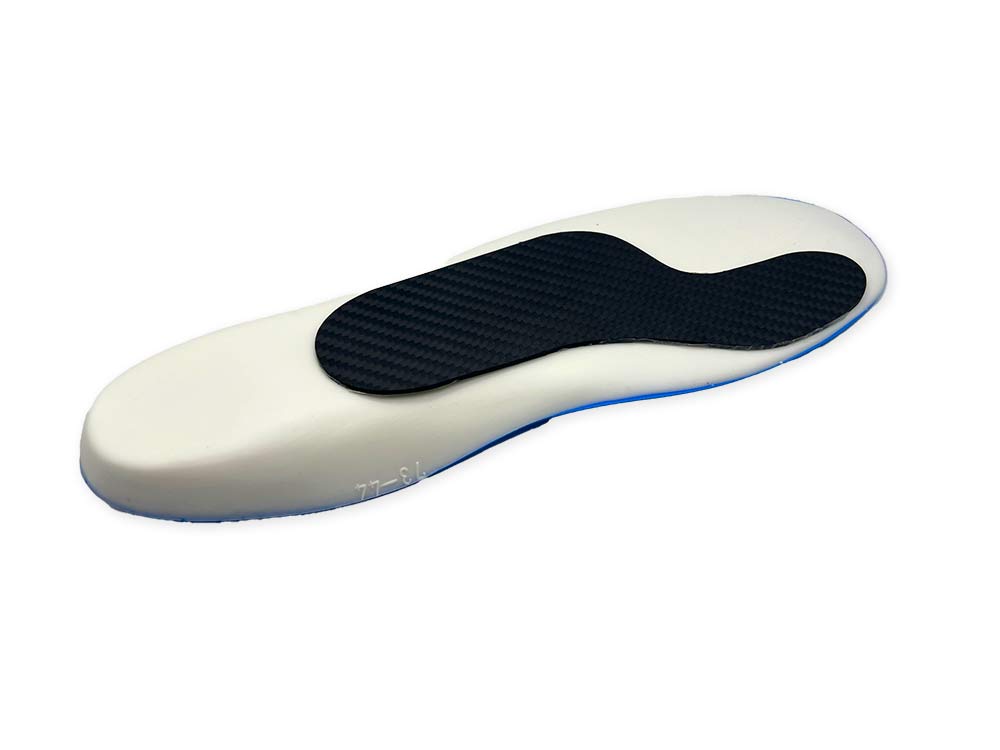
Plate Bonded to Pre-fab Insole |
1. Stick-On Rigid Extensions
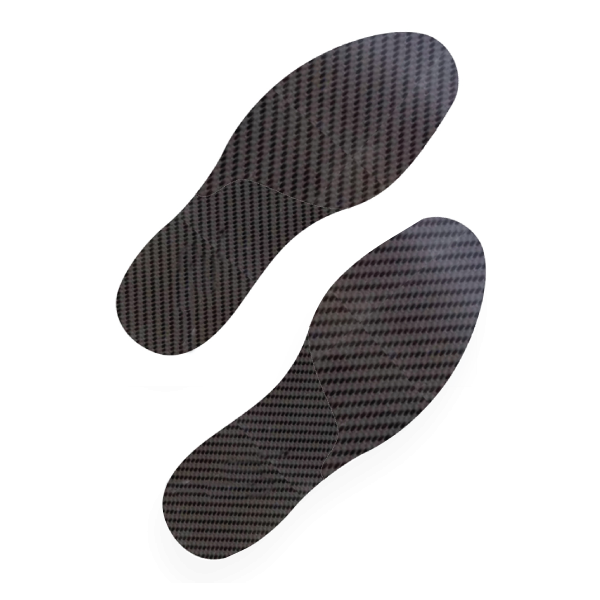
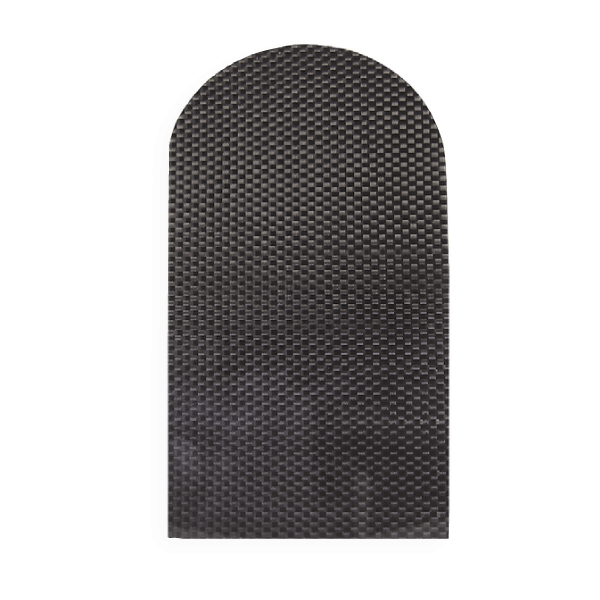
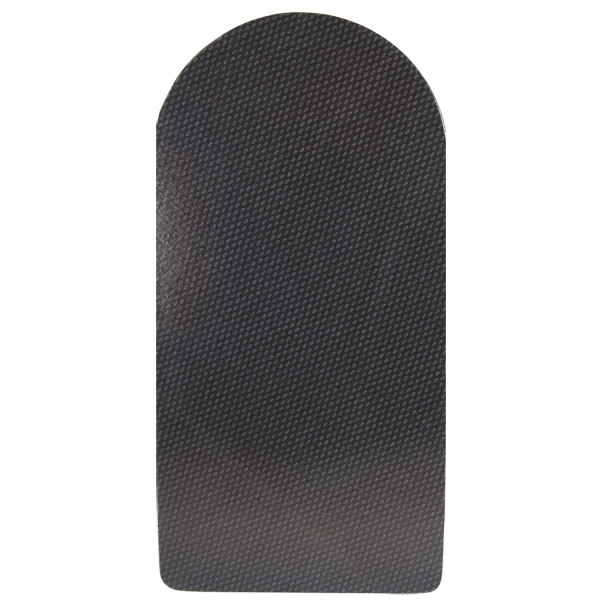
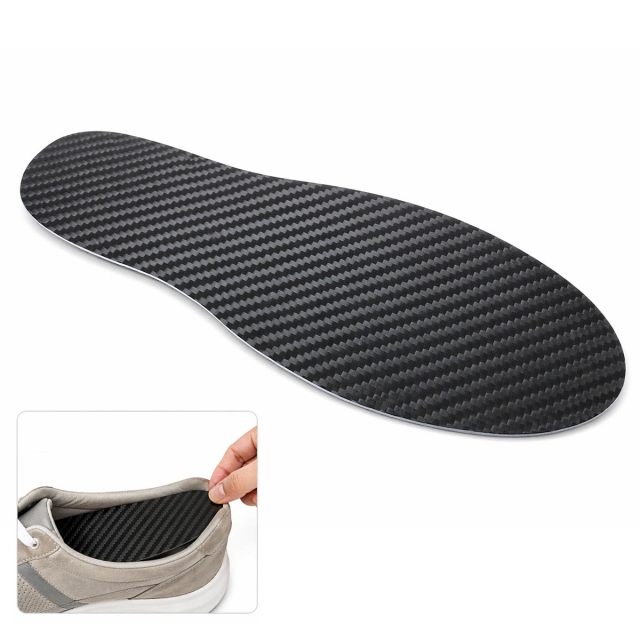
Pre-cut rigid pieces (made from carbon fibre or polypropylene) can be adhered to the bottom of the prefabricated insole, aligning with the first ray. These are secured using:
- Contact adhesive
- Double-sided orthotic tape
- Hook and Loop for removability
2. Integrated Modifications
Some prefabricated insole ranges are designed to accommodate add-ons like Morton’s extensions, making the adaptation even simpler. In these cases, extensions can be slipped into designated slots or adhered into pre-formed areas.
Footwear Compatibility & Clinical Considerations
When using a Morton’s extension with a prefab insole, keep the following in mind:
- Choose shoes with a roomy toe box to avoid pressure on the toes.
- Ensure the extension does not impinge on adjacent metatarsals.
- Pair with a firm-soled shoe for additional stability.
- Consider adding a top cover to smooth transitions and prevent irritation.
Prefab Insole Suggestions
At Algeos, several of our prefabricated insole ranges work well with Morton’s extensions, including:
- Slimflex Simple – flat base ideal for modifications
- Podotech Customisable Insoles – great for heat moulding and structural add-ons
- Memopur Insoles – for those who want cushioning and big toe control
Final Thoughts
Morton’s extensions are a smart and simple way to enhance the function of a standard prefabricated insole, particularly for forefoot pathologies like turf toe or hallux rigidus. With the right insole base and materials, clinicians can create a reliable, therapeutic solution without the cost or complexity of full custom orthotics.
Sold: Pair
Incl. VAT Exl. VAT