



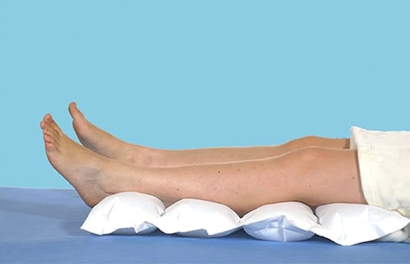
Demand for single-use pressure care cushions - especially disposable pressure-relief cushions - exists across UK hospitals, care homes and community services. The drivers are simple: infection prevention and control (IPC), speed and simplicity in high-turnover pathways, and the ongoing need to prevent pressure ulcers.
Treating pressure damage costs the NHS in England more than £3.8 million every day - so prevention is a priority (NHS England – Pressure ulcers summary).
Why pressure care matters (and where cushions fit)
Pressure ulcers (or bedsores) are largely preventable injuries caused by sustained pressure, friction or shear. NICE states that people at risk should receive pressure-redistribution devices (mattresses and seat cushions) alongside repositioning, skin checks, moisture management and nutrition (NICE CG179 – Prevention and management; PDF copy via NICE/NCBI).
Hospital-acquired pressure injuries are common, harmful and costly; prevention bundles and reliable surfaces reduce incidence (BMJ Open Quality; also BMJ Quality & Safety).
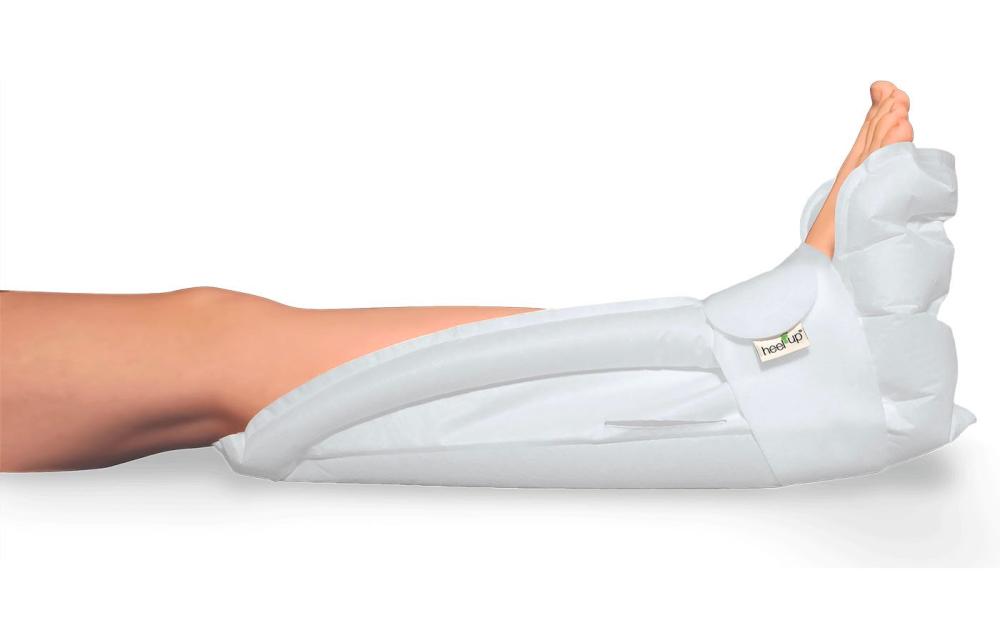
What are single-use pressure-relief cushions?
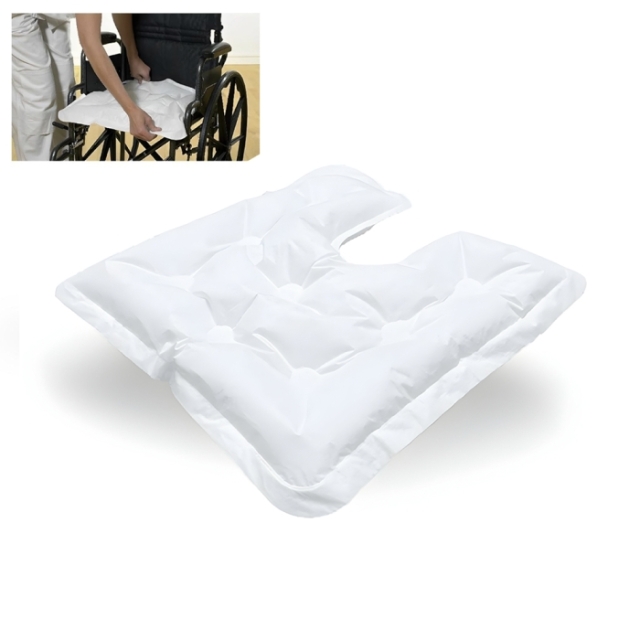
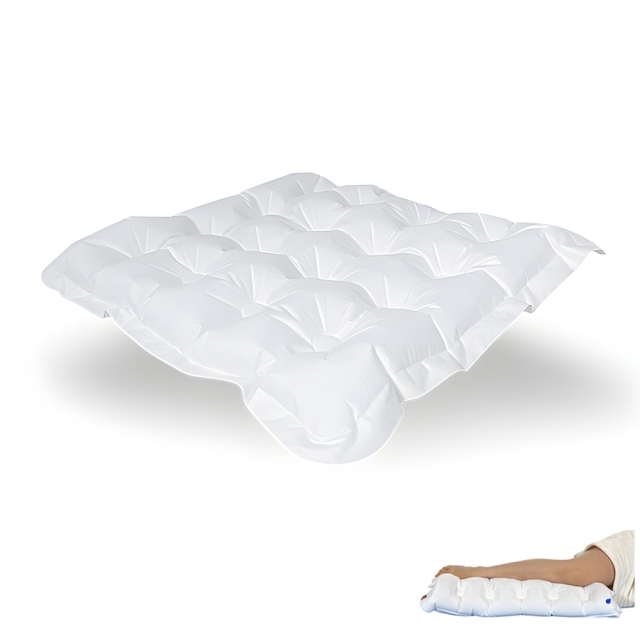
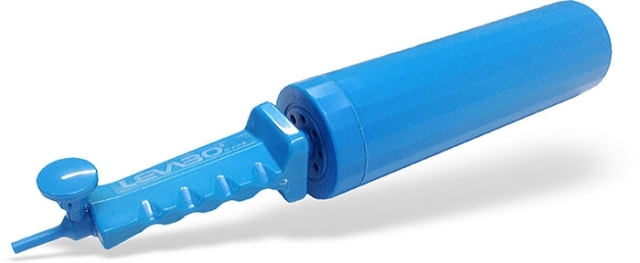
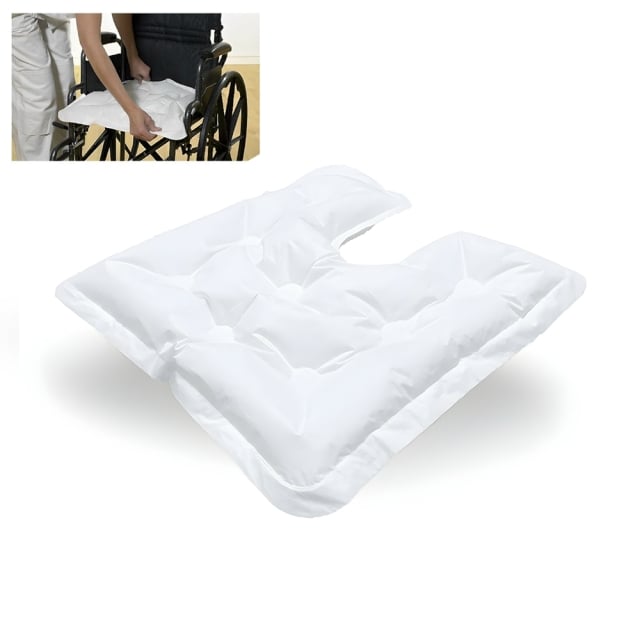
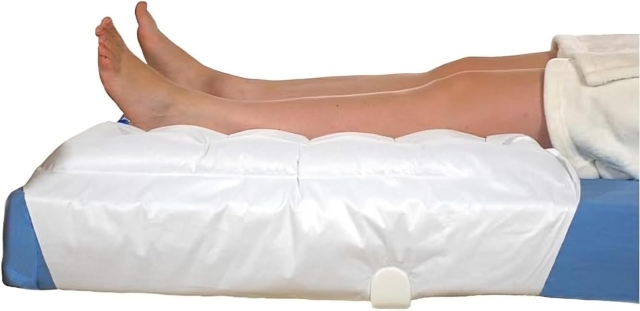
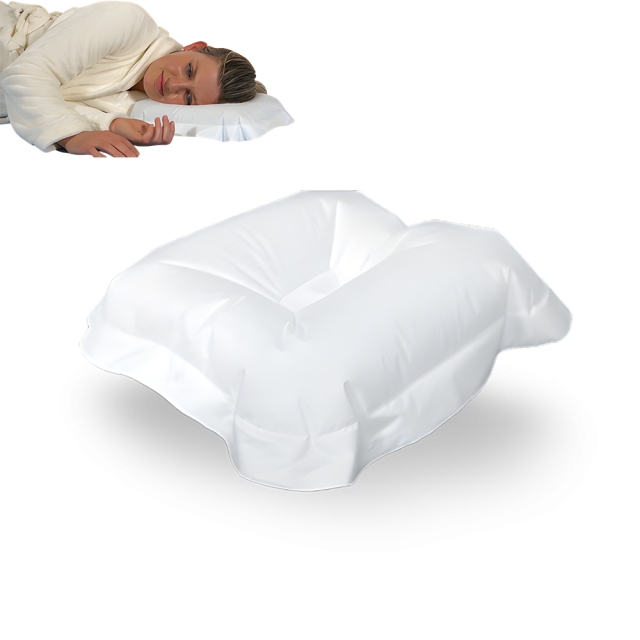
Single-use cushions (such as Levabo) are intended for one patient / one episode and then disposed of. The UK regulator (MHRA) is clear: devices labelled single use must not be reprocessed or reused; doing so transfers legal responsibility and may be unsafe (MHRA: Single-use medical devices (guidance)).
Why pick disposable instead of reusable?
| Factor | Disposable cushion (single-use) | Reusable cushion |
|---|---|---|
| Infection prevention | No cross-patient reuse - lowers contamination risk (MHRA) | Requires validated cleaning between users (per local IPC policy & IFU) |
| Speed & workflow | Ready to use - ideal for A&E, day-cases, community visits | Needs decontamination, drying, tracking and storage |
| Cost predictability | Fixed per-patient unit cost | Laundry + handling + replacement vary by site |
| Short-term needs | Strong fit for days/weeks of use (bridging/transport) | Better for long-term use where reuse is efficient |
| Clinical guidance fit | Seat surfaces are part of NICE prevention bundles | Same - provided decontamination is reliable (NICE CG179) |
When single-use cushions are typically chosen
- At risk on seating: Initial assessment shows risk - provide immediate seating off-load while the full bundle is implemented (NICE CG179).
- Isolation / outbreak IPC: Avoiding cross-use of equipment between rooms/wards (MHRA single-use).
- Ambulance & transfers: Lightweight, ready-to-use surfaces for journeys; dispose afterwards.
- Community & domiciliary: When validated cleaning is impractical on site and logistics are burdensome.
- Bridging solution: While awaiting a bespoke/high-spec reusable cushion.
Cost and workload: why disposables can make sense
Reusable products are effective but bring ongoing decontamination costs (chemicals, utilities), staff time (collection, tracking, documentation) and logistics. For short-stay or mobile services, a disposable option can be more predictable and faster to deploy.
| Cost element | Indicative evidence | Comment |
|---|---|---|
| Linen/laundry cost baseline | FOI shows ~ £2.417 per wash per item for NHS Tayside (Scotland) (NHS Tayside FOI, 2022) | Cushions are bulkier & may need different cycles - true cost per cushion will vary locally. |
| Scale of laundry operations | NHS Scotland processed 65m+ items in 2018/19 at a cost of £20.2m (NHS Scotland – Laundry) | Illustrates the size and expense of reprocessing systems. |
| Pressure-ulcer treatment cost | ~ £3.8m/day in England (NHS England summary) | Prevention (including seating surfaces) is repeatedly prioritised in national policy. |
Evidence-based do’s and don’ts
| Practice point | Evidence / source | Implication |
|---|---|---|
| Use seat cushions as part of a prevention bundle for those at risk | NICE CG179 | Surfaces complement, not replace, repositioning, skin checks and nutrition. |
| Do not reuse single-use devices | MHRA guidance | Reprocessing single-use items is unsafe and shifts legal responsibility. |
| Avoid “donut” ring cushions for prevention | AHRQ Prevention Toolkit | They can worsen localised pressure - use proper redistribution surfaces instead. |
Environmental considerations (be honest)
Single-use devices create waste - reusables consume water, energy and chemicals during decontamination. The NHS Net Zero programme advises life-cycle thinking - choose the lower-impact option for each pathway, not by assumption (Greener NHS; detailed plan Delivering a Net Zero NHS (PDF)).
In practice, many providers adopt a hybrid model: use reusables where cleaning is efficient and safe - choose single-use where speed, IPC or geography make reprocessing impractical.
So… is there demand?
Yes. The demand signal comes from policy (NICE), financial reality (NHS treatment costs), safety/IPC (MHRA rules on single-use) and operational need (fast-moving services).
Reusable cushions remain essential for long-term care; disposable cushions are increasingly valued in short-term, transport, isolation and community pathways. The goal is simple and shared: prevent avoidable harm, protect patients, and use resources wisely.
Further reading (authoritative sources)
- NICE CG179: Pressure ulcers—prevention and management
- NHS England: Pressure ulcer summary (inc. cost estimate)
- MHRA: Single-use medical devices guidance (PDF)
- BMJ Open Quality: Reducing pressure ulcers
- BMJ Quality & Safety: Value of resources for prevention
- NHS Scotland: Laundry & linen services (scale/cost)
- AHRQ: Pressure ulcer prevention toolkit (donut rings = false)
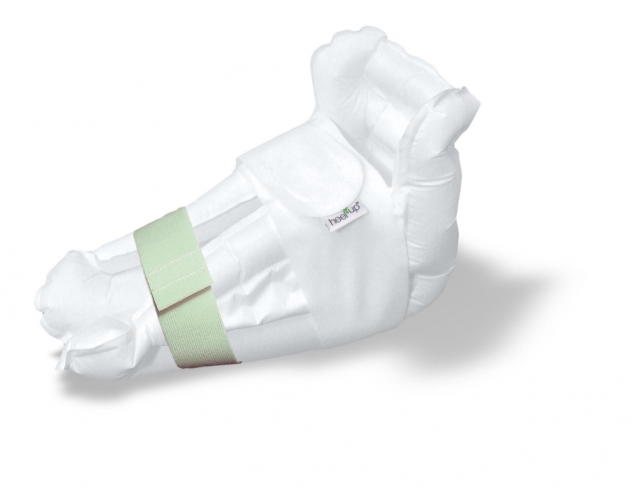
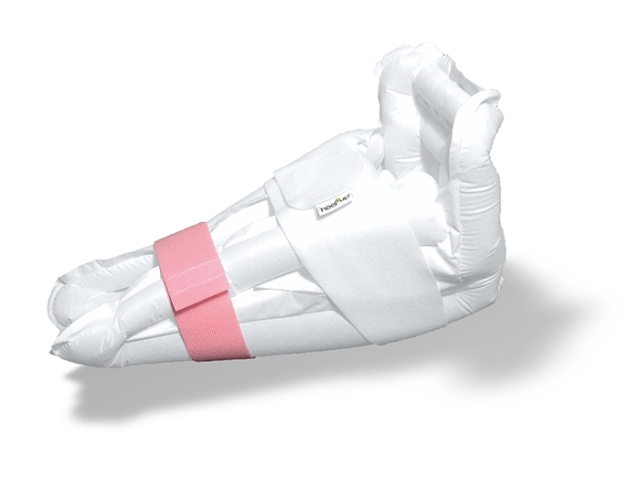
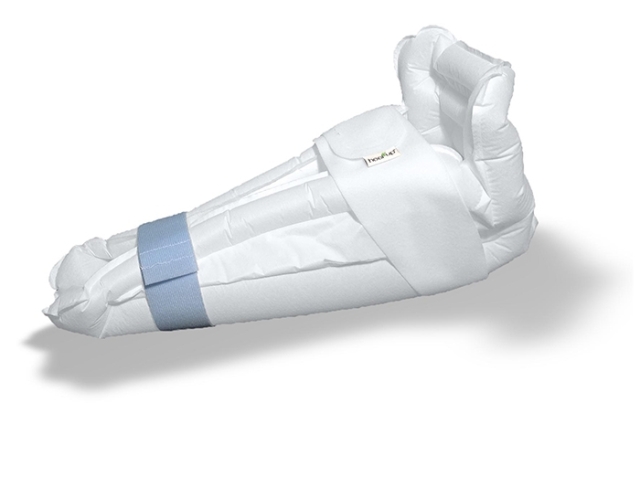
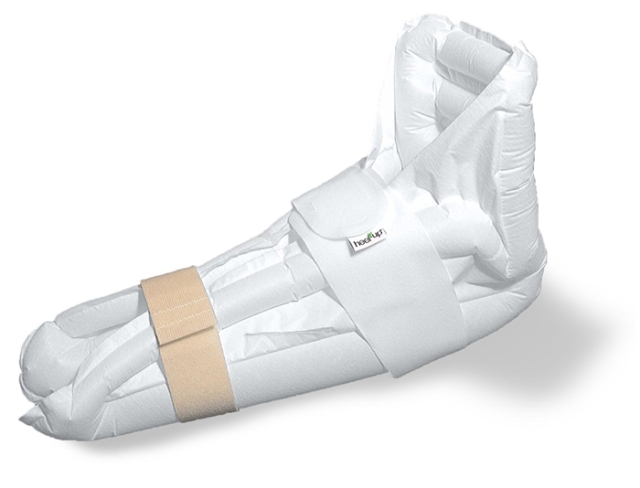
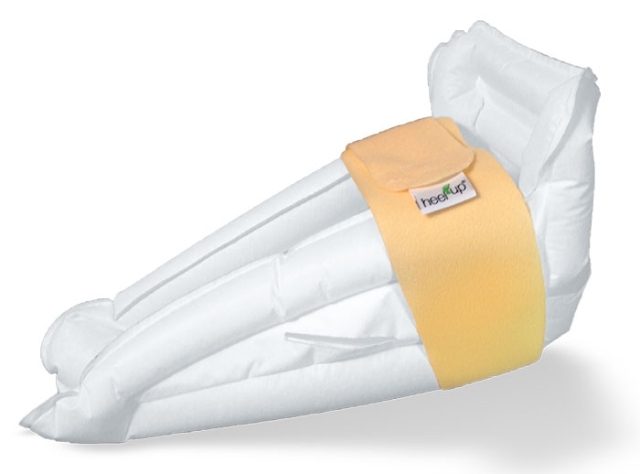
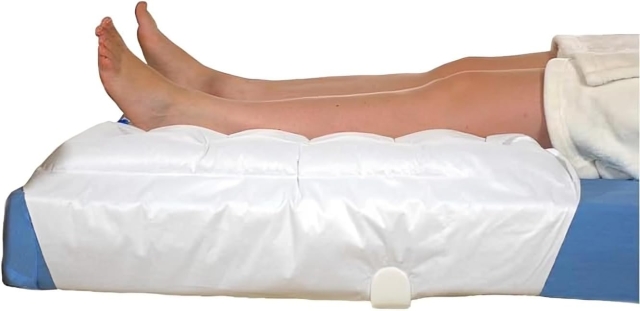
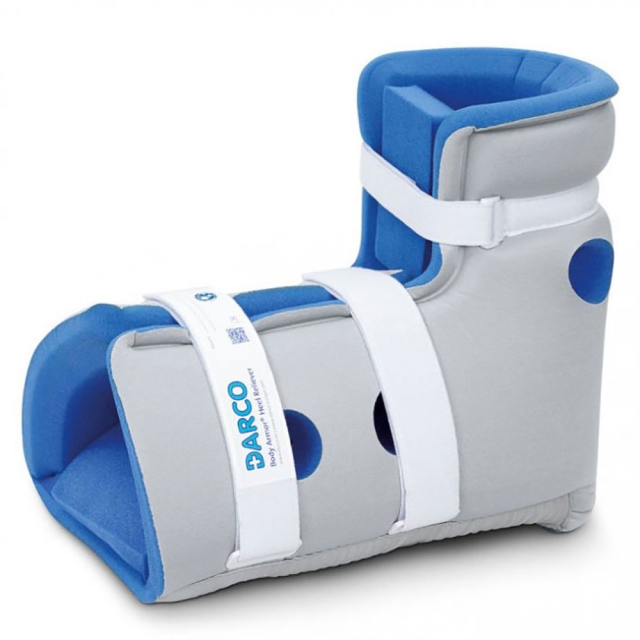
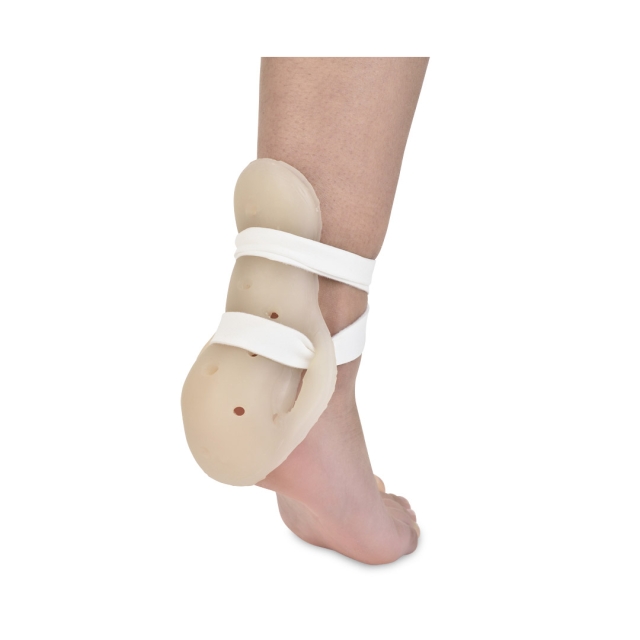
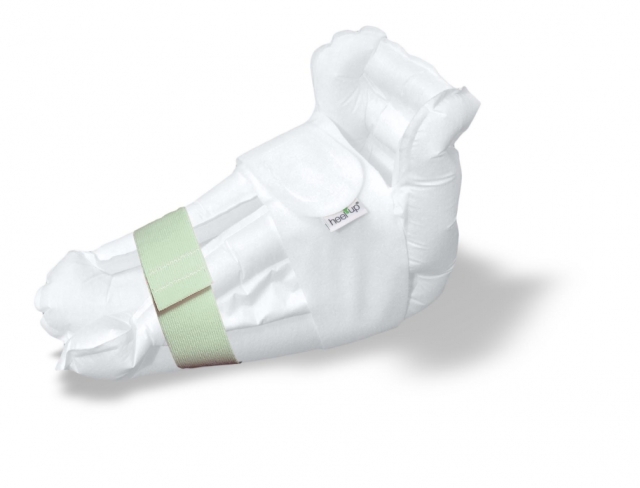
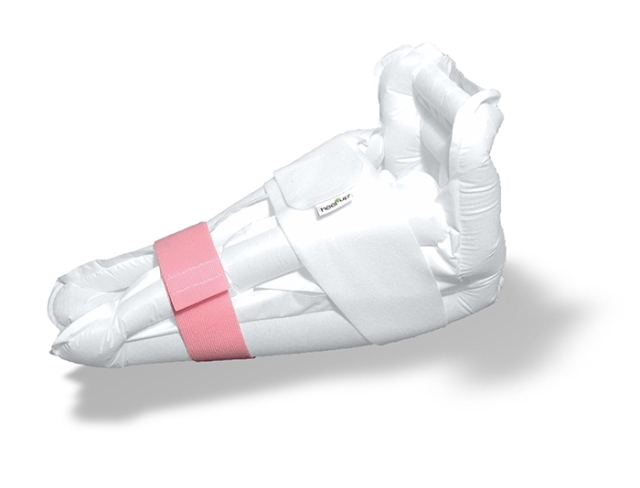
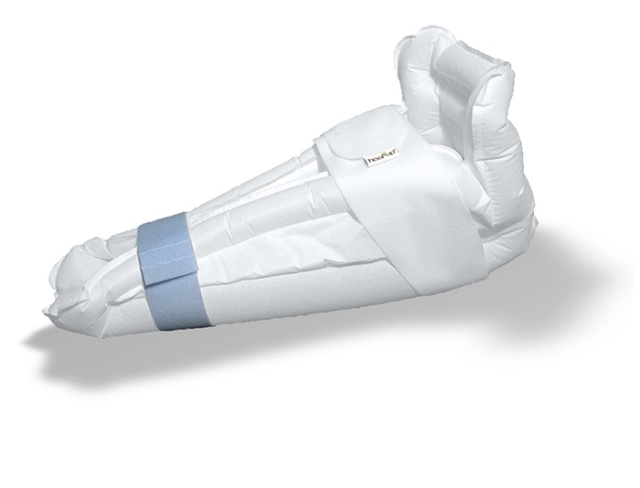
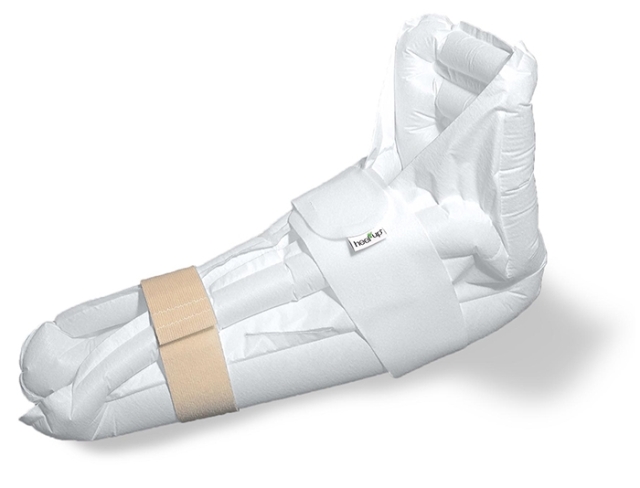
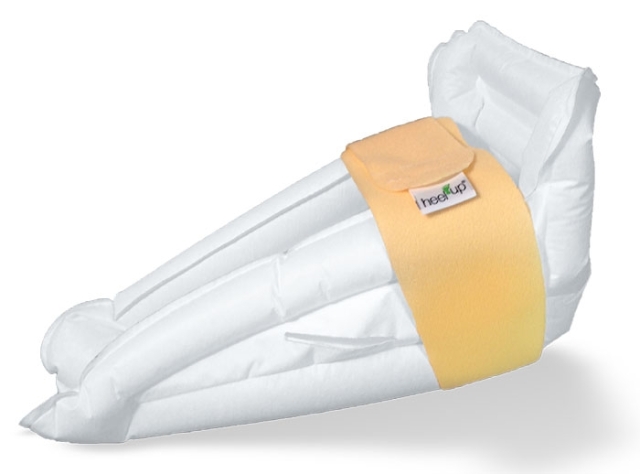
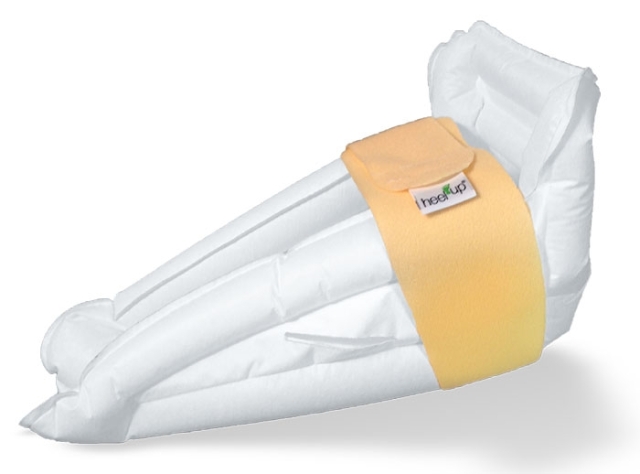
View and buy online - Pressure Relief Cushions For Heels | Pressure Relief Cushions
This article was witten by industry and product expert: Marc Cameron, utilising research and peer review. Algeos supply Levabo Cushions in the UK in partnership with Levabo.
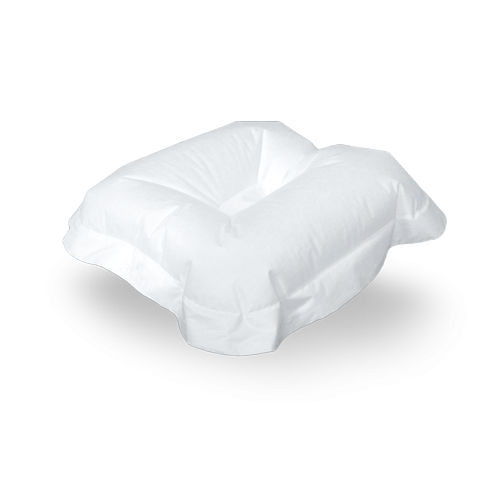
Sold: Each
Incl. VAT Exl. VAT