



Updated April 2026
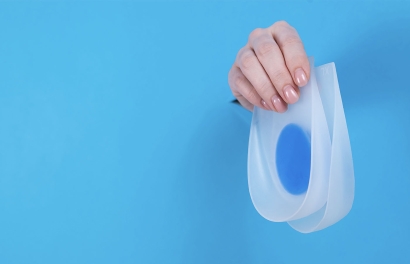
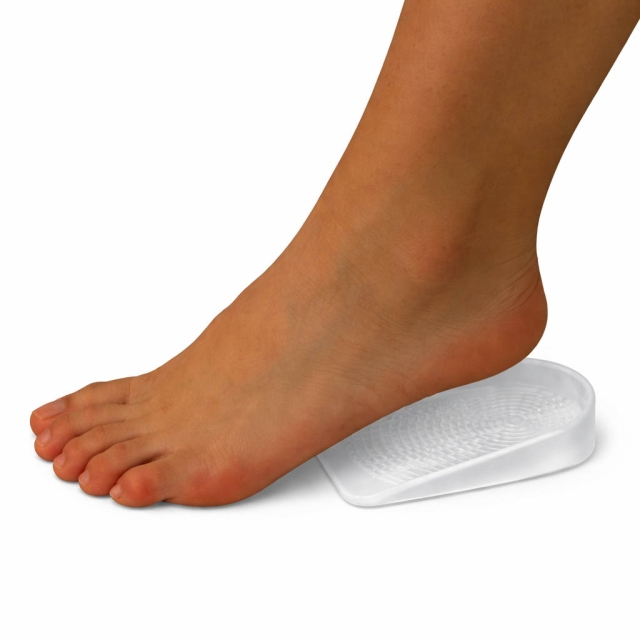
Heel cushion pads are designed to provide additional cushioning and shock absorption for the heel. They are commonly used to relieve heel pain caused by conditions such as plantar fasciitis and heel spurs. By reducing impact forces on the heel, these pads help protect the heel bone and surrounding tissues during walking, running or standing.
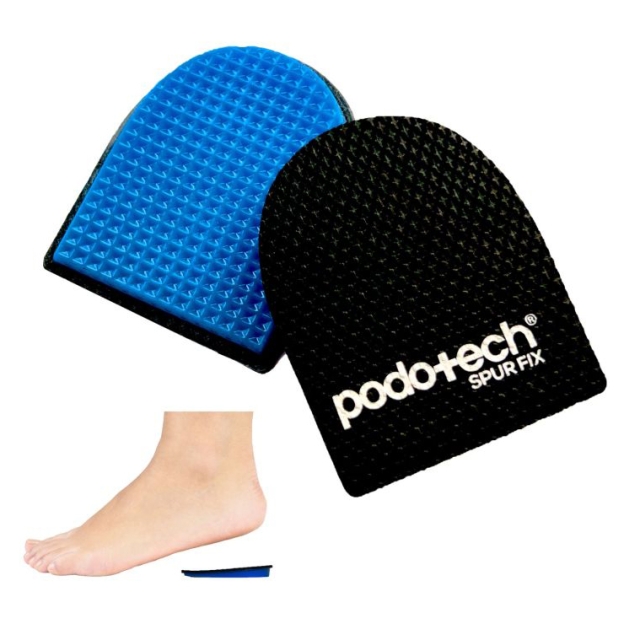
Products such as our Podotech Heel Cushion Pads provide immediate relief by cushioning painful areas and slightly elevating the heel bone. This can help reduce strain linked to plantar fasciitis, Achilles tendonitis and shin splints.
Heel spurs are bony growths that develop on the underside of the heel bone. They often form over time due to repeated stress and inflammation of the plantar fascia. While heel spurs are not always painful, they can contribute to persistent heel discomfort if the surrounding tissue becomes irritated.
Using heel cushion pads can help reduce pressure on the heel and improve shock absorption. When combined with supportive footwear and proper foot care, they can help manage heel pain and reduce stress on the plantar fascia.
Different heel cushion materials offer different benefits. Silicone, gel and PORON heel pads provide varying levels of cushioning, flexibility and durability. Choosing the right option can make a significant difference in comfort and pain relief.
How Heel Cushion Pads Help with Heel Spurs
Heel spurs often develop due to long-term strain on the plantar fascia. Although the spur itself is a small bony growth, the surrounding inflammation can cause significant discomfort when pressure is placed on the heel.
Heel cushion pads help by:
- Reducing direct pressure on the heel bone.
- Absorbing impact during walking or running.
- Supporting the plantar fascia by slightly elevating the heel.
- Distributing weight more evenly across the foot.
For many people, using heel spur pads alongside supportive footwear and stretching exercises can significantly reduce discomfort during daily activities.
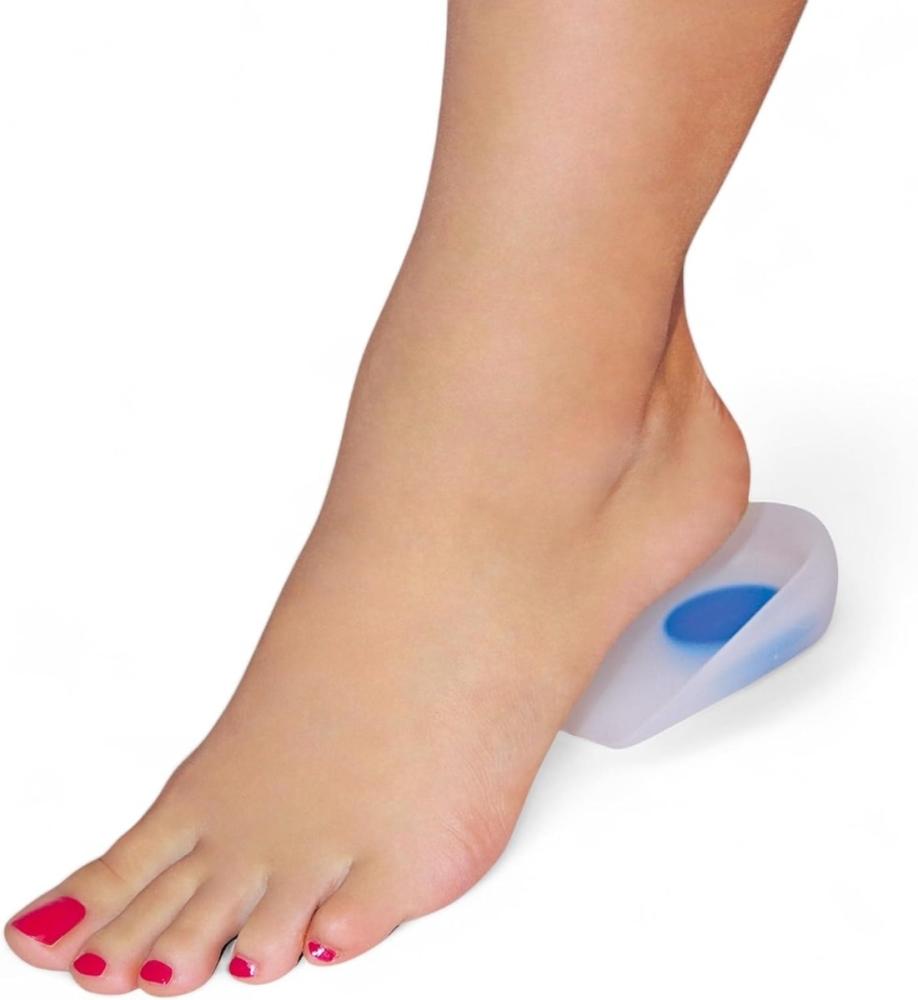
1. Silicone Heel Cushion Pads – Shock Absorption and Comfort
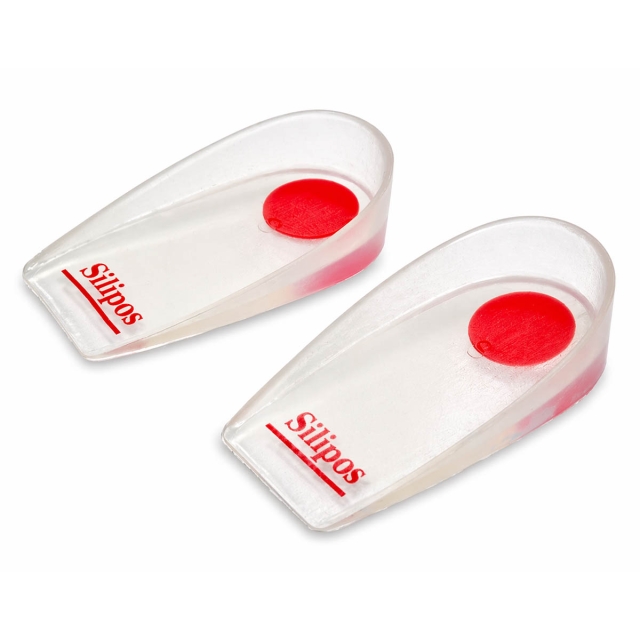
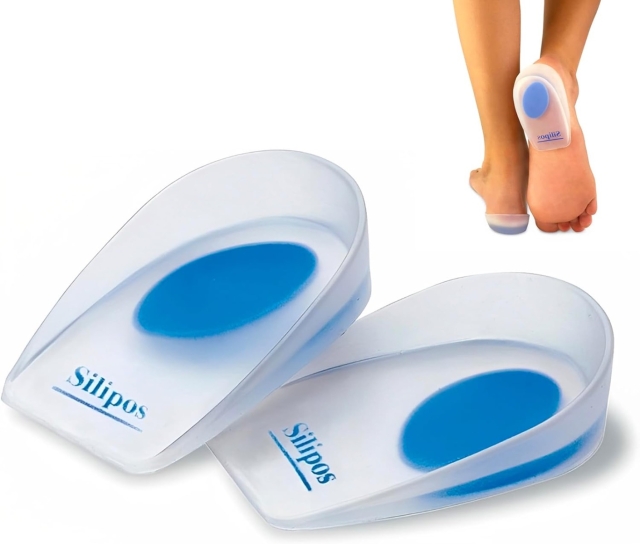
Silicone heel pads provide firm yet comfortable support while absorbing shock and reducing strain on the heel.
- Shock absorption – Helps reduce impact when walking or standing.
- Pressure distribution – Spreads weight evenly across the heel.
- Durability – Long-lasting material that resists flattening.
- Hypoallergenic – Suitable for people with sensitive skin.
Best for: People with plantar fasciitis, standing jobs or mild heel pain.
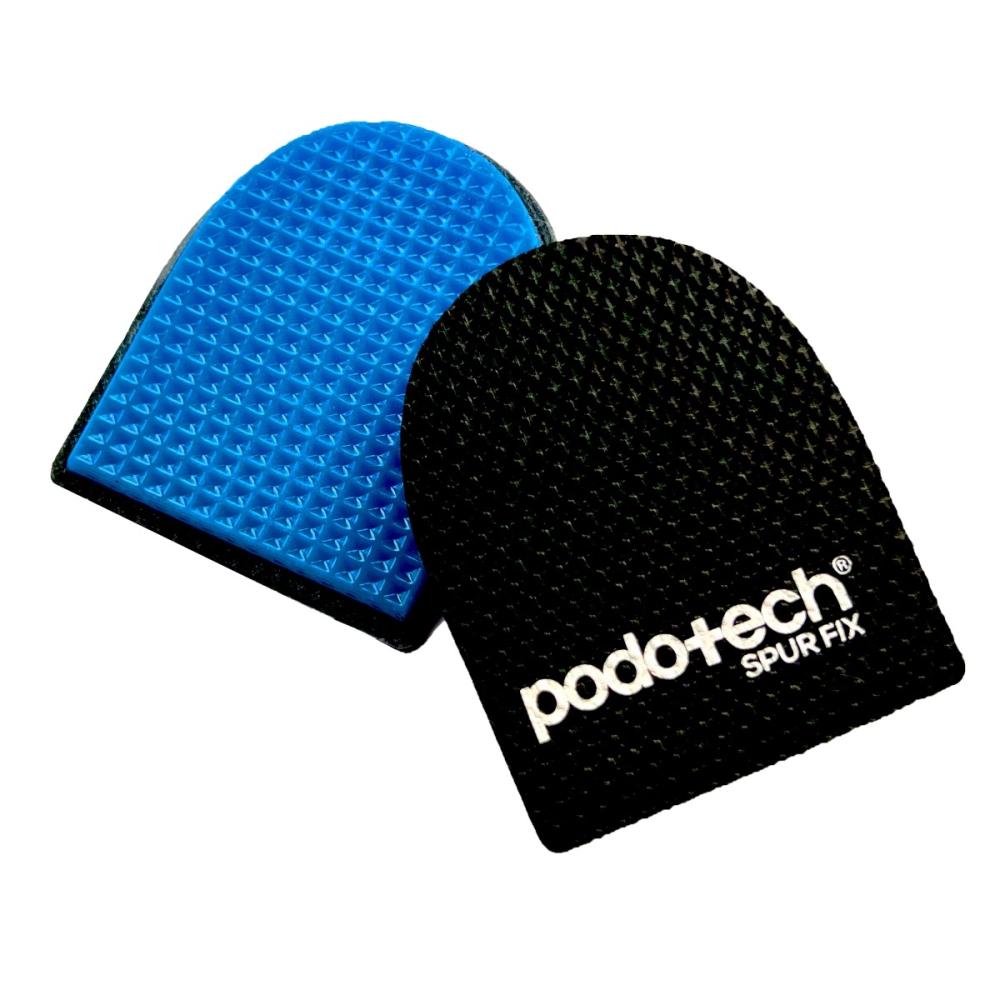
2. Gel Heel Cushion Pads – Soft Cushioning and Flexibility
Gel heel pads are softer and more flexible than silicone. They mould to the shape of the heel to provide personalised cushioning and support.
- Adaptive support – Conforms to the shape of your heel.
- Extra cushioning – Helps reduce impact and discomfort.
- Breathable designs – Some options include ventilation to keep feet cooler.
- Versatility – Suitable for many types of footwear.
Best for: People with mild to moderate heel pain, individuals recovering from injury or elderly users seeking additional comfort.
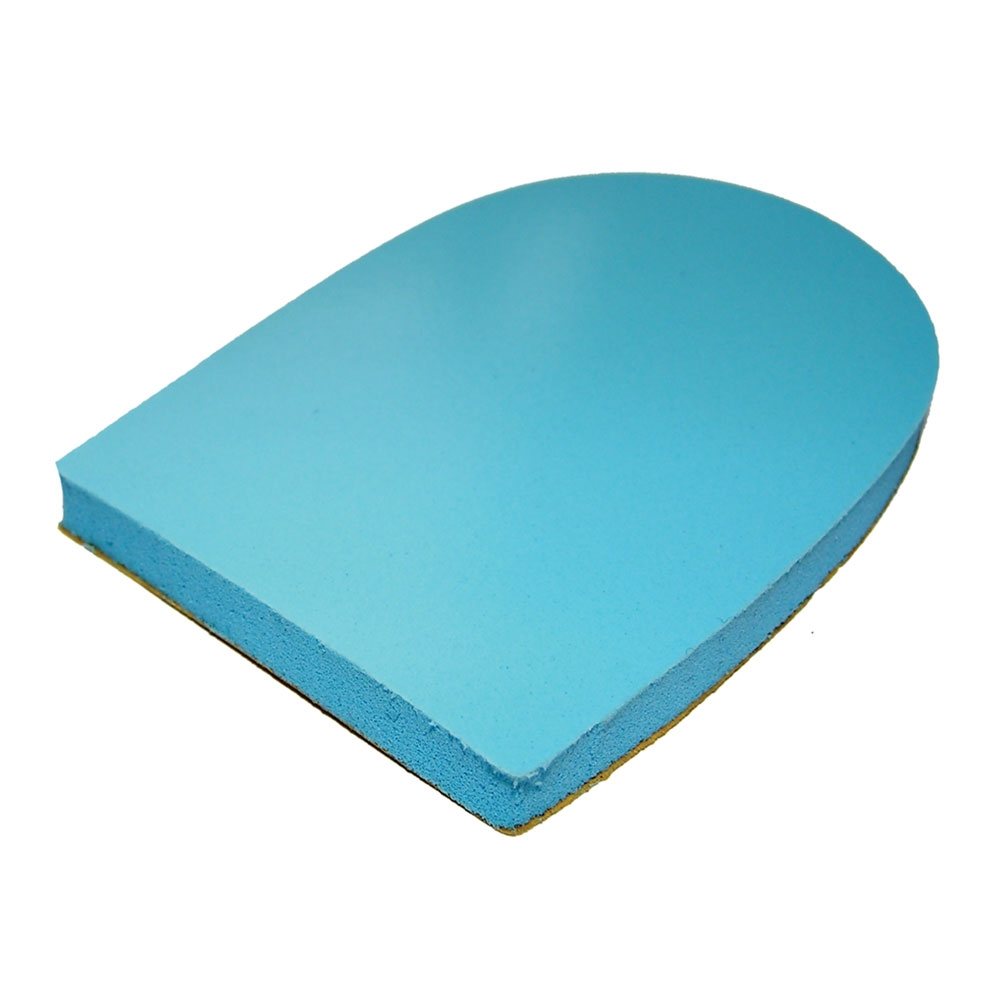
3. PORON Heel Cushion Pads – Advanced Pressure Relief and Support
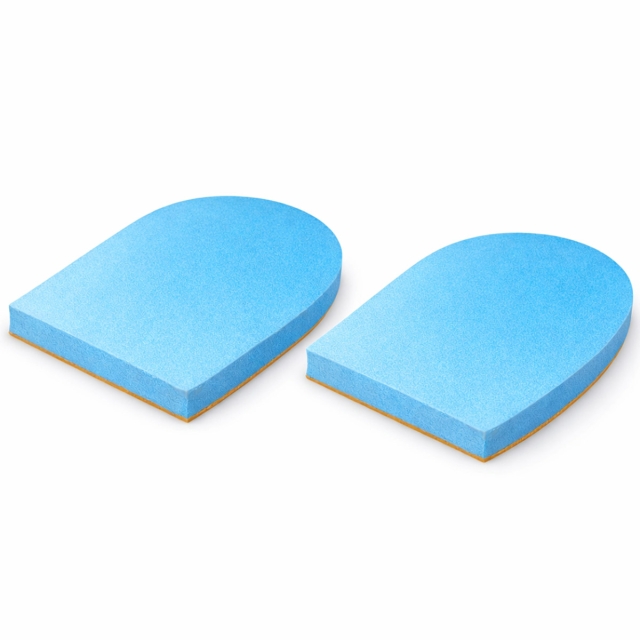
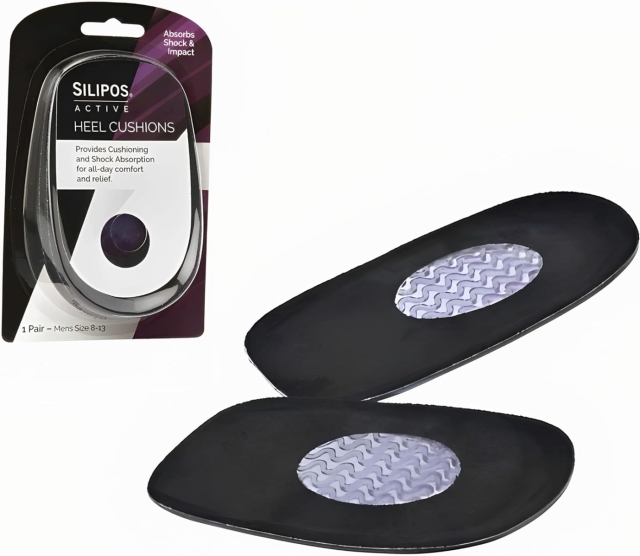
PORON heel pads provide high-performance shock absorption and long-term durability. They are designed to reduce pressure on the heel while maintaining their shape over time.
- Exceptional shock absorption – Helps protect the heel bone from repeated impact.
- Pressure relief – Evenly distributes weight across the heel.
- Thin and lightweight – Fits easily into most shoes.
- Durable cushioning – Maintains performance without flattening quickly.
Best for: People with chronic heel pain, athletes or individuals involved in high-impact activities.
4. Choosing the Right Heel Cushion Pads
| Material | Best For | Key Benefit |
|---|---|---|
| Silicone | Everyday use, plantar fasciitis, standing jobs | Long-lasting shock absorption |
| Gel | Mild to moderate heel pain, general comfort | Soft, flexible cushioning |
| PORON | Chronic heel pain, sports, high-impact activities | Advanced pressure relief and durability |
When to Use Heel Cushion Pads
Heel cushion pads can be helpful in many situations where the heel experiences repeated impact or pressure. They are commonly used by people experiencing:
- Plantar fasciitis
- Heel spurs
- Heel bruising or fat pad syndrome
- Achilles tendon discomfort
- Foot fatigue from long periods of standing
They can also benefit runners, healthcare workers, retail staff and anyone who spends long hours on their feet.
Heel Cushion Pads vs Heel Cups – What’s the Difference?
Heel cushion pads and heel cups are both designed to reduce pressure on the heel, but they work in slightly different ways.
Heel cushion pads are flat inserts that sit under the heel to provide additional cushioning and shock absorption. They help soften impact when walking, running or standing for long periods.
Heel cups are shaped inserts that cradle the heel and provide more structured support. They help stabilise the heel and can assist with alignment and pressure distribution.
| Feature | Heel Cushion Pads | Heel Cups |
|---|---|---|
| Design | Flat cushioning insert | Cup-shaped support |
| Primary benefit | Shock absorption | Heel stabilisation |
| Best for | Heel pain and pressure relief | Plantar fasciitis and heel alignment |
Both options can help relieve heel pain, and the best choice often depends on the underlying cause of discomfort and the level of support required.
What’s changed recently in advice for plantar heel pain?
Recent guidance has moved away from relying on one product alone. For plantar heel pain, current best practice supports a combined approach that may include stretching, activity modification, footwear review, taping and orthoses rather than using inserts in isolation. That means heel cushion pads can be helpful for comfort, but they usually work best as part of a wider plan.
For people whose symptoms are focused around heel strike, a cushioning option may be a practical starting point, especially when paired with supportive footwear. Where symptoms suggest a stronger plantar fascia component, some people may benefit from combining heel cushioning with more structured plantar fasciitis insoles or broader heel pain insoles. For product selection, our heel cushions and pads collection and silicone gel insoles range can help clinicians and patients compare targeted cushioning with full-length support.
When are heel cushion pads most useful, and when might another option be better?
Heel cushion pads are often most useful when the main goal is reducing heel strike pressure, softening impact on hard floors or adding immediate comfort inside everyday footwear. This can make them especially relevant for tired heels, mild heel spur discomfort, general heel tenderness and some cases of heel fat pad irritation.
They may be less suitable as a stand-alone option where symptoms are being driven mainly by foot mechanics, marked overpronation, persistent plantar fasciitis, or when more structured rearfoot control is needed. In those cases, a heel cup or a more supportive insole may be a better fit. Patients comparing options may also want to look at silicone gel heel cups or more targeted plantar fasciitis support from the plantar fasciitis range.
When should persistent heel pain be assessed by a clinician?
Heel pain is often manageable with self-care, but it is worth arranging assessment if pain is severe, keeps returning, is getting worse, or has not improved after a short period of conservative treatment. Review is also sensible if there is tingling, numbness, marked swelling, pain at rest, or if the person has diabetes. These features may point to something other than simple overload, such as nerve irritation, fat pad problems, inflammatory conditions or a need for more structured offloading.
For clinicians, this distinction matters because heel spur pain, plantar heel pain and fat pad syndrome can feel similar while benefiting from slightly different treatment choices. Cushioning products remain useful, but matching the device to the clinical picture usually gives the best result.
Tips for Getting the Best Results from Heel Cushion Pads
Heel cushion pads work best when combined with good footwear and proper foot care habits. Following a few simple tips can help maximise their effectiveness.
- Choose supportive footwear – Shoes with good arch support and cushioning help reduce strain on the heel.
- Ensure proper placement – Position the pad directly under the heel to provide effective shock absorption.
- Replace worn pads – Cushioning materials can compress over time, reducing their effectiveness.
- Stretch regularly – Gentle stretching of the plantar fascia and calf muscles may help reduce heel strain.
- Use consistently – Wearing heel pads daily during activity helps maintain consistent support and relief.
If heel pain persists or worsens, it is advisable to consult a podiatrist or healthcare professional for further assessment.
Tip: If you are unsure which heel pad is best for your needs, consult a podiatrist or foot care professional for personalised advice.
Heel cushion pads reduce stress on the heel, improve shock absorption and help relieve pain. Whether you choose silicone for durability, gel for soft cushioning or PORON for advanced support, the right heel pad can improve comfort and help protect long-term foot health.
For best results, combine heel pads with supportive footwear, stretching exercises and a consistent foot care routine.
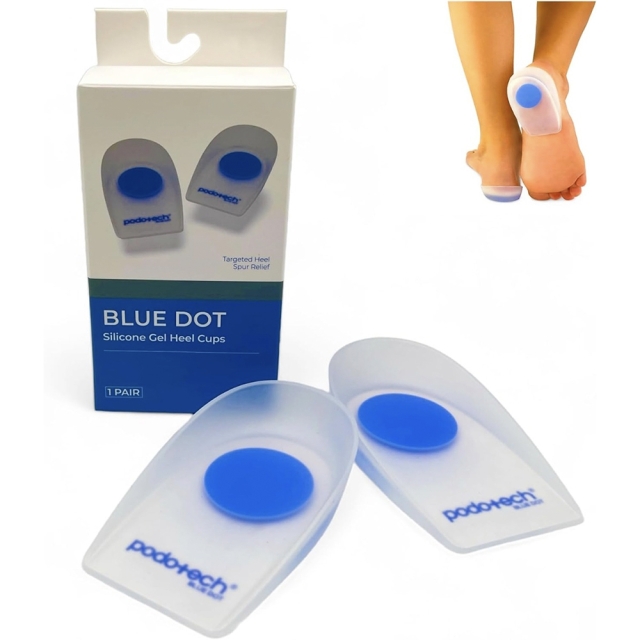
Sold: pack of 2
Incl. VAT Exl. VAT