




Podotech Silicone Gel Heel Cup with Blue Dot
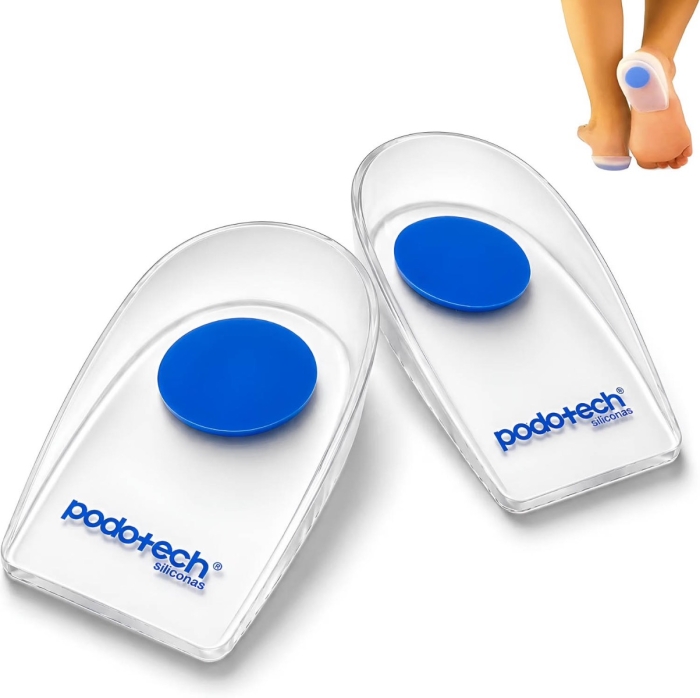
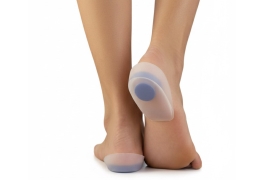
Podotech Silicone Gel Heel Cups are designed to cradle the heel and provide shock absorption.
Suitable for professional and patient use.
Prescribed in the UK by Podiatrists and the NHS.
Recommended for heel spurs and fatigued feet.
"Heel pads comfortable and help relieve my plantar fasciitis".
Collin, Leeds, UK
Save. UK's best priced medical grade heel cushioning solution.
Sold: Pair
Incl. VAT Exl. VAT
Product Description
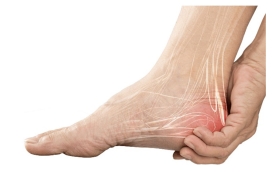
Gel Heel Cushioning and Support for Heel Spurs, Generalised Heel Pain and Plantar Fasciitis
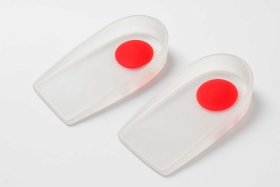
Dual-density silicone gel heel cups are designed to absorb impact, support the heel and improve everyday comfort during standing and walking.
Best for: people experiencing heel discomfort, heel spurs, plantar fasciitis symptoms or general impact-related heel fatigue.
Not ideal for: open wounds, post-surgical use, or footwear with extremely limited heel space.
- Dual-density silicone construction
- Low-profile design for everyday footwear
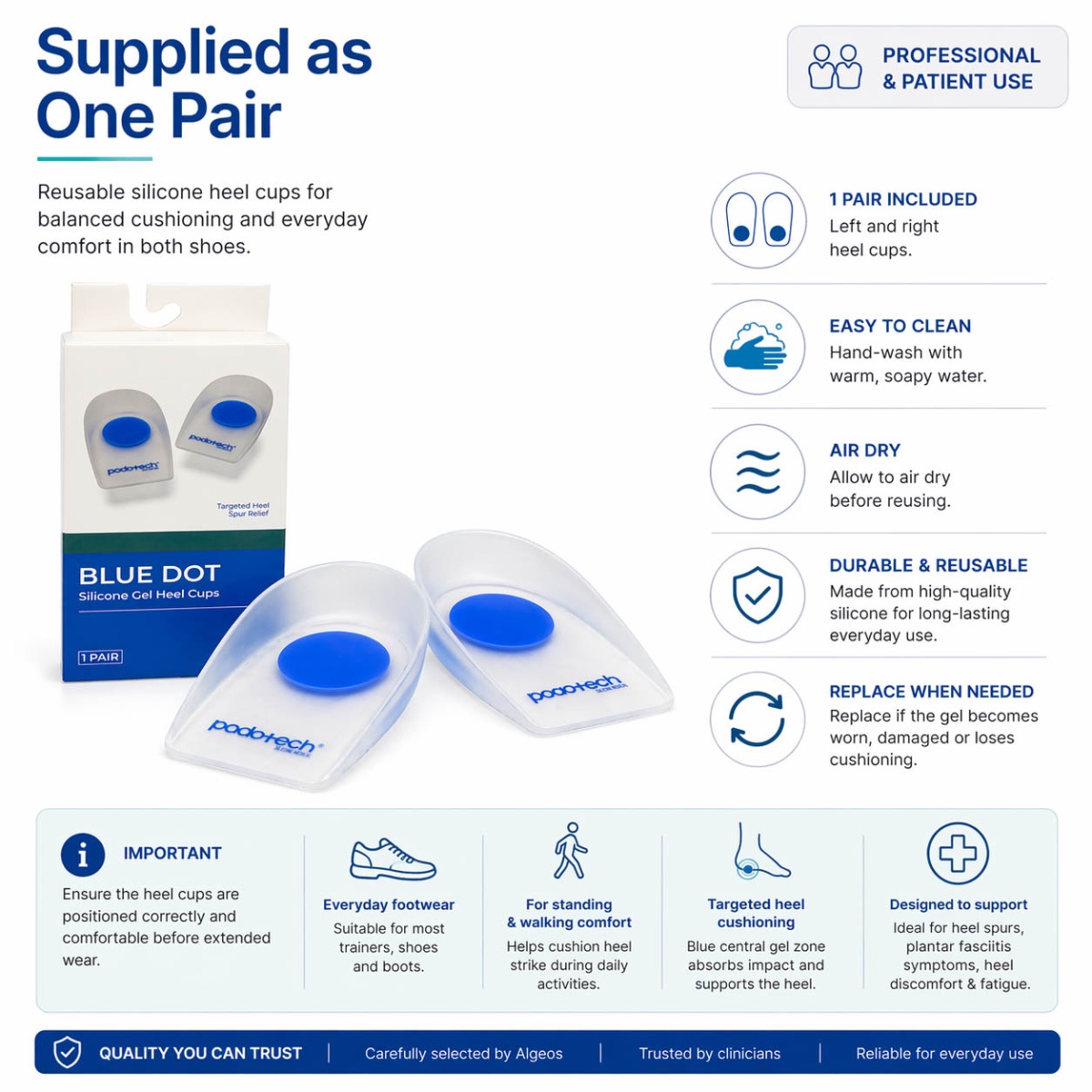
- Supplied as a matched pair
What are they?
Podotech Silicone Gel Heel Cups are low-profile heel inserts made from medical-grade silicone. They are designed to sit at the back of the shoe, directly beneath the heel, where impact forces are highest during walking and standing.
Who are heel cups used by?
These heel cups are suitable for adults who spend long periods on their feet, experience heel sensitivity or want additional shock absorption inside everyday footwear. They are commonly used by people with active lifestyles, workplace standing demands, or age-related changes in natural heel padding.
What do they help with?
- Heel spurs → reduces direct impact at the heel
- Plantar fasciitis symptoms → cushions heel strike during walking
- General heel discomfort → improves comfort during prolonged standing
- Reduced natural heel fat → supplements cushioning where it has thinned
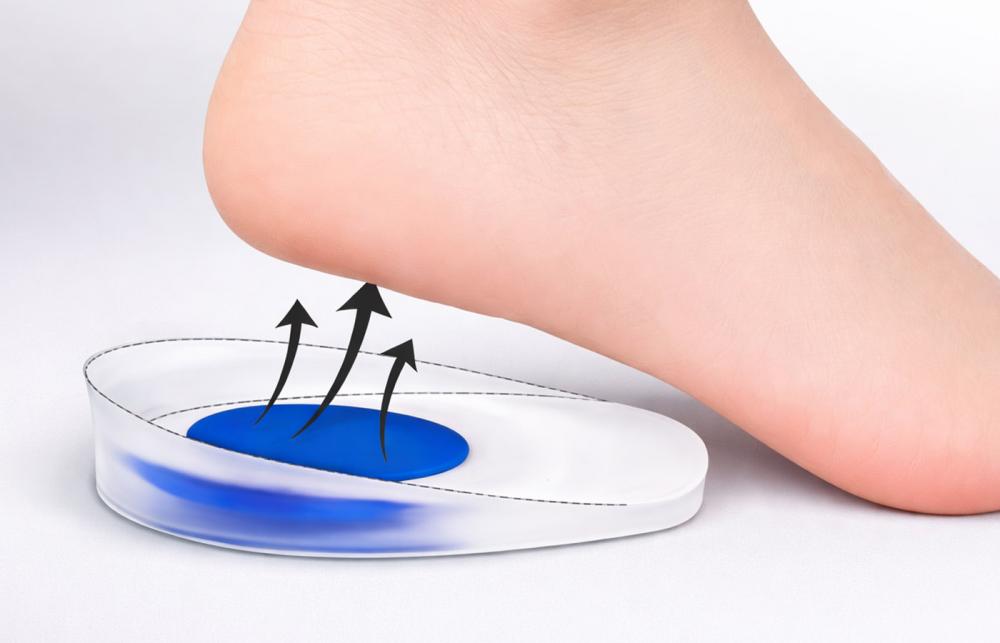
How does they work?
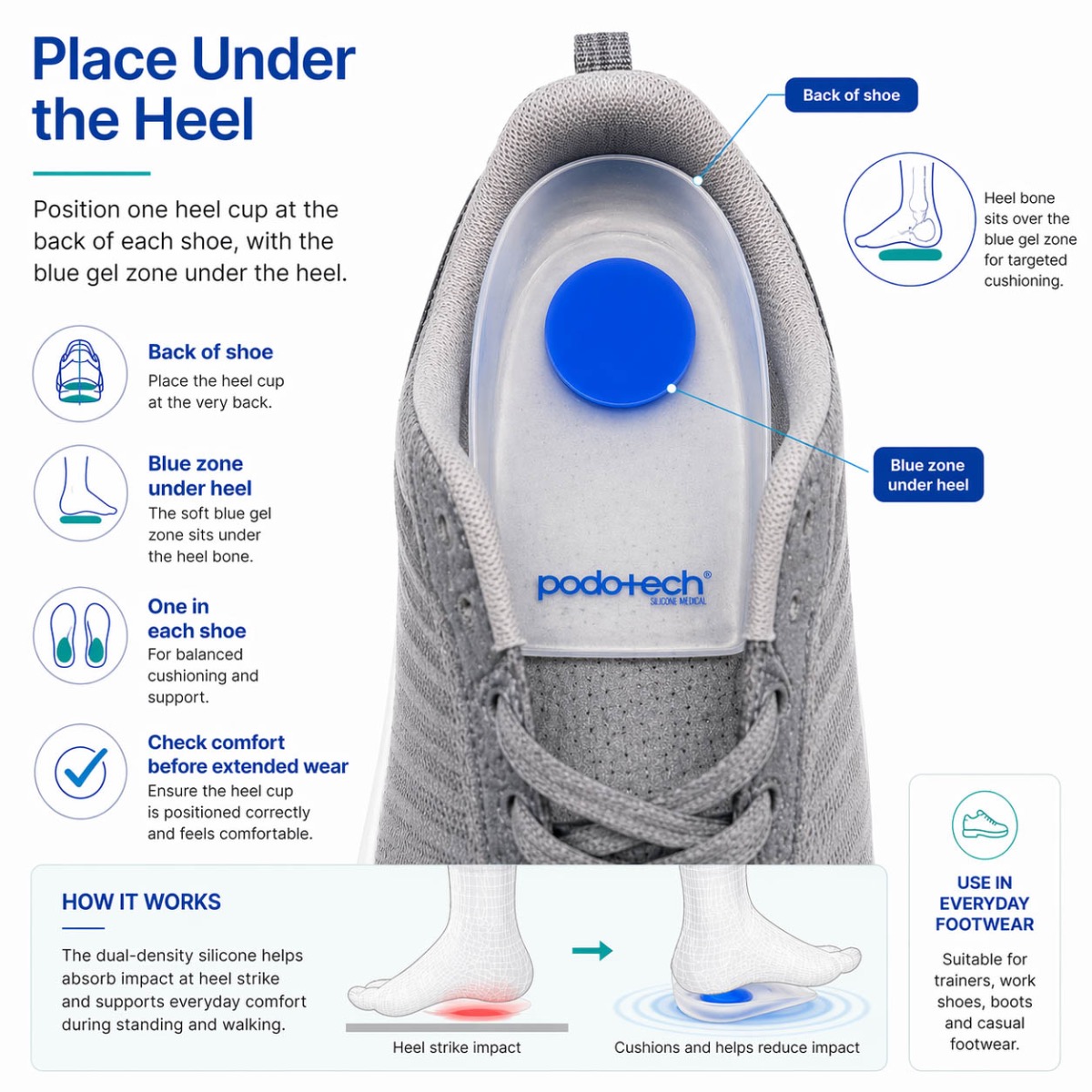
The heel cups use a dual-density silicone structure. A softer central gel zone (blue dot) sits directly under the heel, while a firmer surrounding area provides stability and shape retention.
This combination allows the heel cups to compress under load and then recover quickly, helping to manage repetitive impact forces without feeling unstable.
Problem and solution overview: Gel Heel Cups
| Common problem | How the product helps |
|---|---|
| Sharp heel pain during walking | Soft silicone gel zone cushions the point of heel strike |
| Discomfort from long periods of standing | Absorbs repeated impact throughout the day |
| Reduced natural heel padding with age | Provides additional silicone-based cushioning |
| Foot fatigue affecting knees or back | Helps reduce upward shock through the body |
Key benefits
- Dual-density silicone gel balances softness and support
- Low-profile shape fits comfortably in most shoes
- Suitable for everyday wear and active use
- Reusable and easy to clean
- Supplied as a pair for balanced support
- Designed for both professional and personal use
Fit and comfort check
The heel cup should feel comfortable but not painful. They should sit flat at the back of the shoe without curling or slipping. If discomfort occurs, remove the pads and reposition them, or reduce wear time while adjusting.
Common mistakes to avoid
- Expecting immediate resolution of long-standing pain
- Using in only one shoe, which may affect balance
- Placing pads in shoes with insufficient heel space
- Continuing use when pads are visibly worn or damaged
How to use
- Ensure shoes are clean and dry before inserting the heel cup.
- Place one heel cushion into the back of each shoe.
- Position the softer gel area directly under the heel.
- Put on the shoes and walk briefly to check comfort.
- Adjust placement if necessary before extended wear.
Technical specifications
| Product type | Heel Cup / Pad |
|---|---|
| Material | Silicone gel (dual density) |
| Profile | Low profile |
| Colour | Varies by option |
| Sizes | 3 Sizes |
| Care and cleaning | Hand-wash with warm soapy water; air dry |
| Pack contents | One pair of heel cups |
Frequently asked questions
Do silicone heel cups really work?
Silicone heel cups can work well for many people, especially those dealing with heel pain, plantar fasciitis, heel spurs, fat pad syndrome, or general impact discomfort.
A silicone heel cup helps cushion the heel, absorb shock during walking, and slightly redistribute pressure away from painful areas. While they do not fix every cause of heel pain, they are often a simple and effective way to improve comfort inside everyday shoes.
What heel cups do podiatrists usually recommend?
Podiatrists often recommend heel cups that provide a combination of shock absorption, stability, and comfort. In many cases, a silicone heel cup or gel heel cup is suggested for people with sore heels, plantar fasciitis, or heel pad thinning.
The best option depends on the person’s condition, footwear, weight, activity level, and whether they need soft cushioning or firmer support.
What do gel heel cups do?
Gel heel cups are designed to cushion the heel and reduce the force that travels through the foot with every step. They help by softening impact, supporting the heel area, and improving comfort in hard-soled or unsupportive shoes.
Many people use gel heel cups to reduce discomfort caused by standing for long periods, walking on hard floors, or dealing with heel pain conditions such as plantar fasciitis.
Can silicone heel cups help with plantar fasciitis?
Yes, silicone heel cups may help relieve plantar fasciitis symptoms by reducing heel strike pressure and adding cushioning under the most painful part of the foot. For many people, the first steps in the morning and long periods of standing are the worst, and a silicone heel cup can make those moments more manageable.
They work best when used alongside supportive footwear, stretching, rest, and other plantar fasciitis treatments rather than as a stand-alone cure.
Do heel cups go under socks or over socks?
Most heel cups are placed inside the shoe under the foot, so they are normally worn under socks or directly against the socked foot. This helps keep them in the correct position and improves comfort. Some wearable silicone heel protectors or gel heel socks are different because they are worn directly on the foot first, with or without socks depending on the product design.
Are Silicone Heel Cups Better Than Standard Heel Pads?
For many users, a silicone heel cup feels more secure than a flat heel pad because the cup shape helps cradle the heel and keep the cushioning in the right place. Standard heel pads can still be useful, but a shaped silicone heel cup may offer better positioning and a more stable feel inside shoes. The best choice depends on the type of heel pain, shoe fit, and personal comfort preference.
Who Should Use a Silicone Heel Cup?
Silicone heel cups may be suitable for people with plantar fasciitis, heel spurs, tired heels, thinning heel fat pads, or those who spend long hours on hard floors. They are also commonly used by active people who want extra heel cushioning in work shoes, trainers, or casual footwear.
Anyone with severe pain, swelling, numbness, or ongoing symptoms should seek professional advice rather than relying only on inserts.
Do they 'actually' work?
Gel heel cups are commonly used as a conservative, low-risk option for plantar heel pain because they add cushioning under the calcaneus, reduce heel-strike discomfort and can help redistribute pressure inside the shoe.
Current clinical guidance for plantar heel pain supports the use of foot orthoses as part of treatment, especially alongside stretching and other conservative measures, rather than as a stand-alone cure.
Evidence source links
- Algeos article: Silicone Gel Heel Cups and Heel Pain
- JOSPT 2023 Heel Pain – Plantar Fasciitis guideline
- Evaluation and Treatment of Chronic Plantar Fasciitis
- Pfeffer et al. – prefabricated vs custom orthoses
- Baldassin et al. – prefabricated vs customised EVA orthoses
- Chia et al. – plantar pressure study
- Chang et al. – scoping review of heel fat pad syndrome
Written by Marc Cameron - Product Director and Product Category Contributor
Frequently bought together
Sold: Each
Incl. VAT Exl. VAT
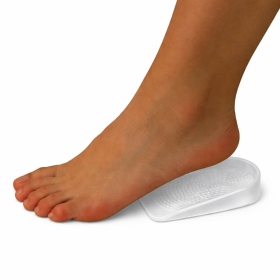
Sold: pack of 2
Incl. VAT Exl. VAT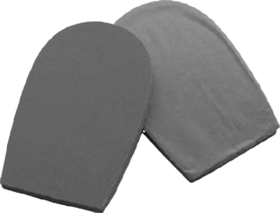
Sold: Pair
Incl. VAT Exl. VAT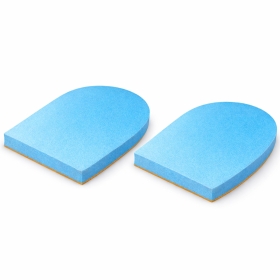
Sold: Pair
Incl. VAT Exl. VAT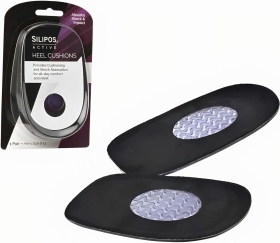
Sold: Pack of 2
Incl. VAT Exl. VAT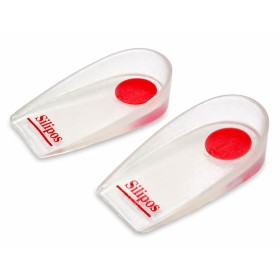
Sold: pair
Incl. VAT Exl. VAT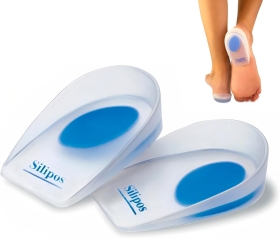
Sold: Pair
Incl. VAT Exl. VAT
Sold: Sold per Pair
Incl. VAT Exl. VAT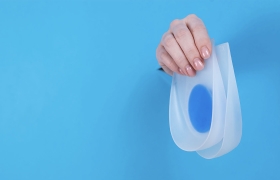
Sold: Pair
Incl. VAT Exl. VAT