




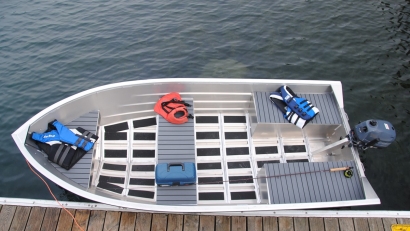
A practical guide to using EVA foam sheets for boat decking, cockpit flooring, swim platforms, trims, padding, non-slip surfaces and marine repair projects.
Article revised and improved April 2026
EVA foam, short for ethylene-vinyl acetate foam, is a lightweight, flexible and easy-to-work material used across footwear, orthotics, workshop fabrication, sports, craft and marine applications. For boat owners, repairers and small workshop teams, it can be a useful option for adding comfort, grip, protection and a clean finish to selected boat areas.
In marine work, EVA is most commonly used for boat decking, cockpit floors, swim platform pads, interior trims, step pads, protective linings and non-slip comfort surfaces. It is popular because it is relatively easy to cut, shape, heat form and bond when the right grade, surface preparation and adhesive system are used.
Looking for EVA foam sheets for workshop, footwear, orthotic, craft or marine projects? Algeos supplies EVA foam sheets in a range of densities, colours and thicknesses, alongside adhesives and workshop materials for cutting, bonding and finishing.
Important note: EVA foam can be suitable for many marine and workshop jobs, but not every EVA sheet is suitable for every boat application. Always check the foam density, finish, expected wear, adhesive compatibility and installation environment before use. For safety-critical boat structures, follow marine-grade specification advice from a qualified professional.
What is EVA foam?
EVA foam: a closed-cell foam material made from ethylene-vinyl acetate. It is lightweight, flexible, cushioning, water-resistant and available in different densities and thicknesses. It can be cut, sanded, shaped, heat formed and bonded for a wide range of practical applications.
The key point is density. Softer EVA grades are better for cushioning and comfort. Medium grades are useful for general fabrication. Firmer grades can provide more structure, wear resistance and support. For boat projects, the right choice depends on whether the foam is being used for comfort, grip, padding, lining, finishing or heavier-duty surface protection.
EVA materials and supplies for marine-style fabrication
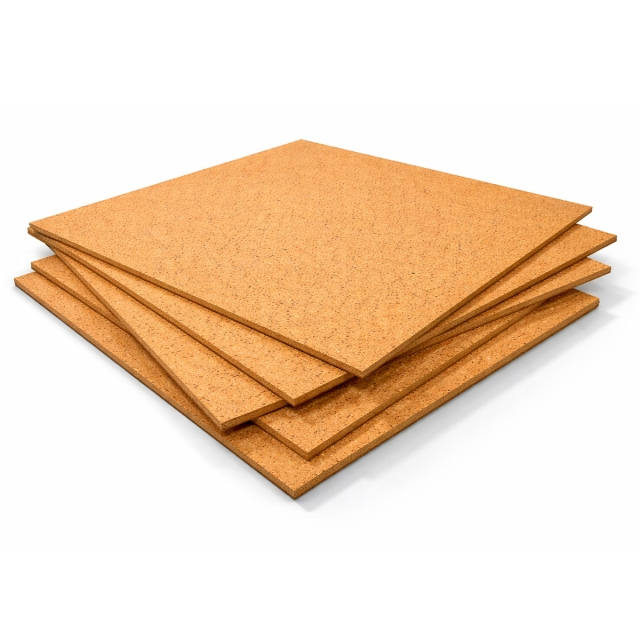
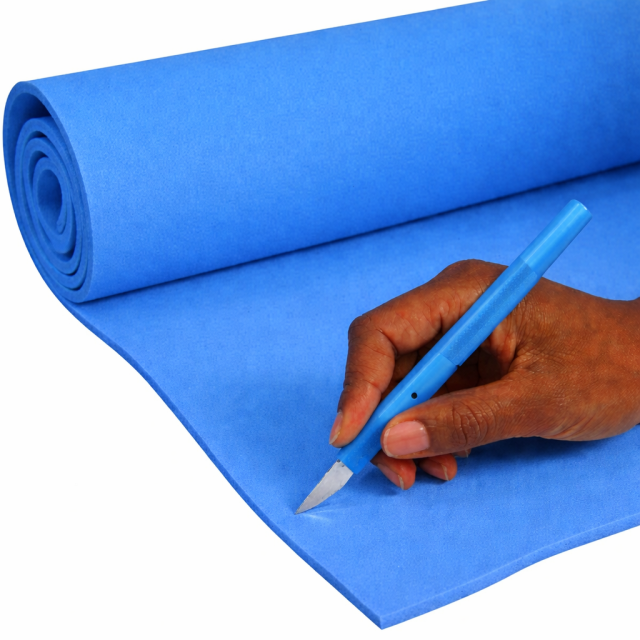
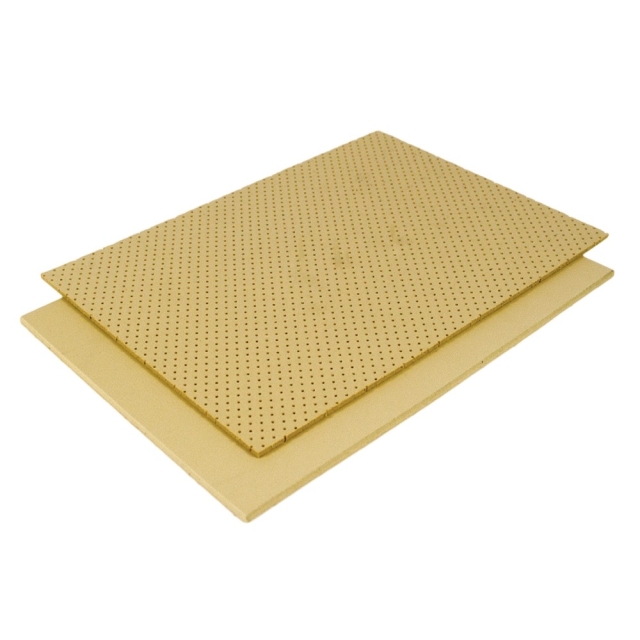
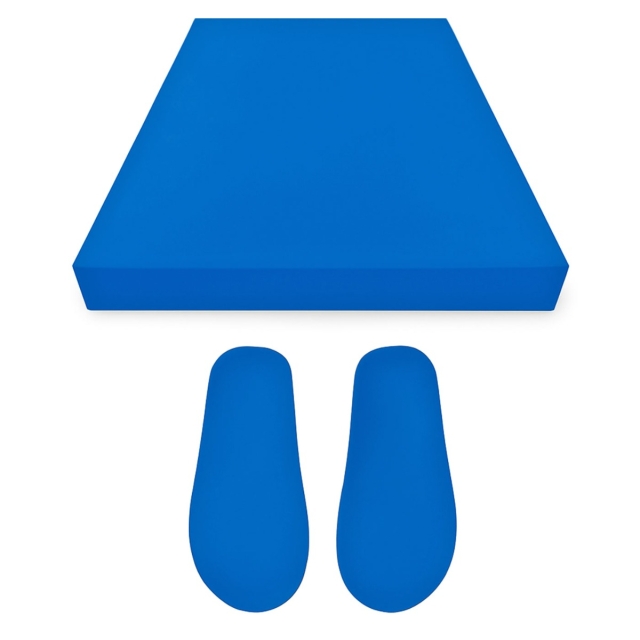
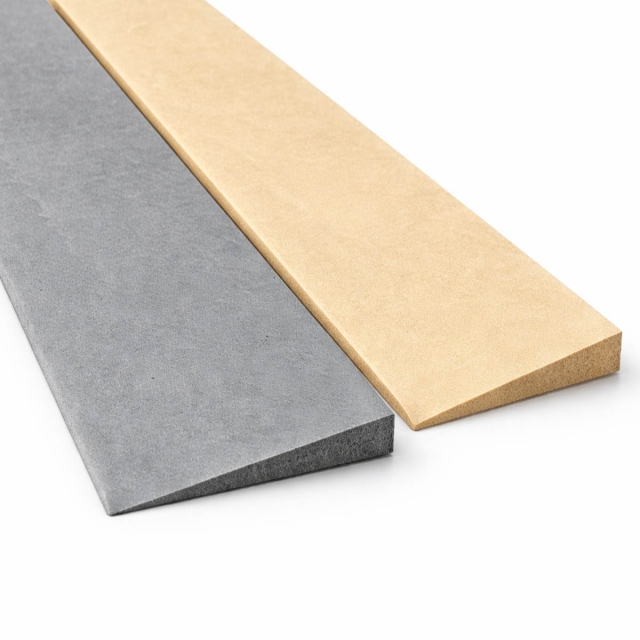
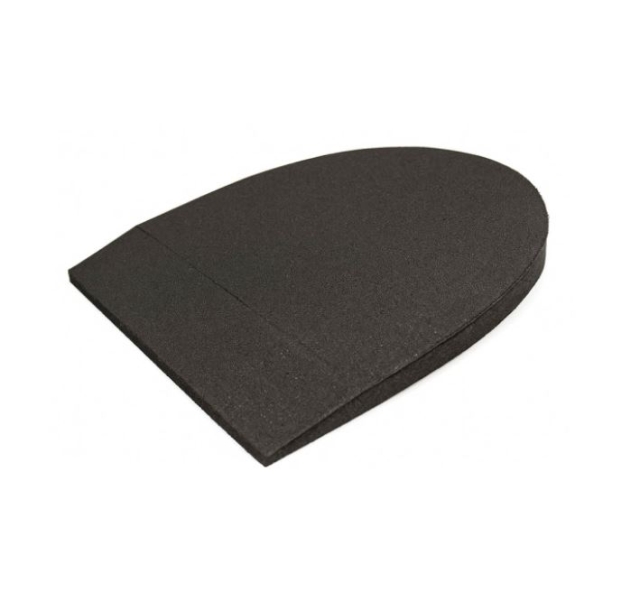
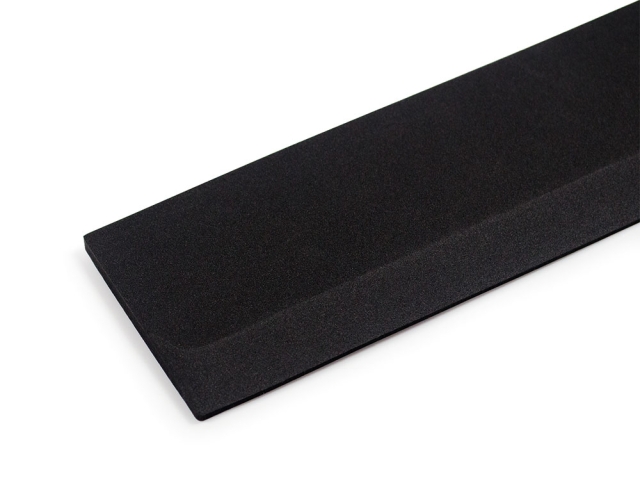
Boat projects often need a combination of foam sheet, cutting tools, adhesive, surface preparation and finishing. The images below show examples of EVA foam and related workshop materials available from Algeos.
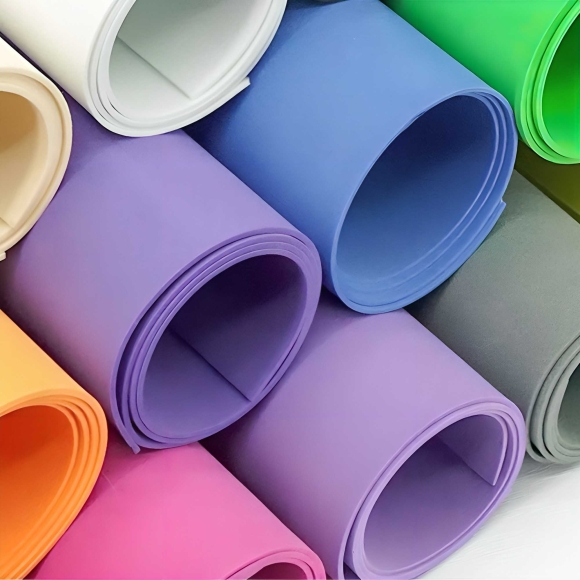
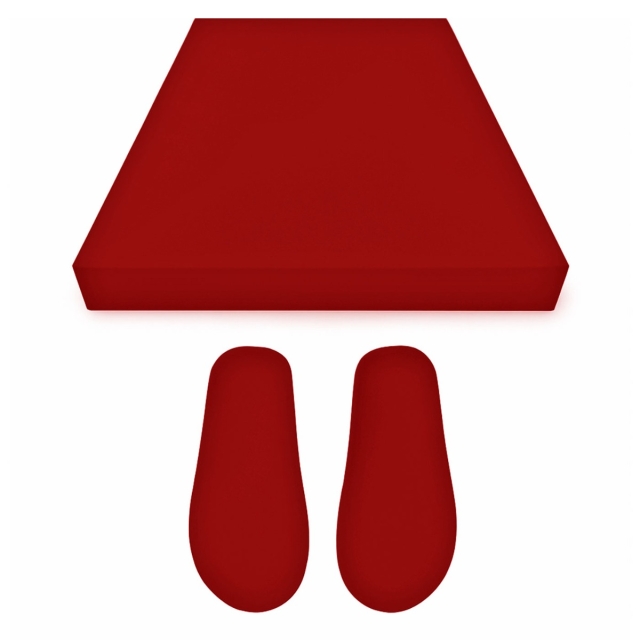
Rolled EVA sheets
Useful for larger surface areas, lining, padding and general workshop fabrication.
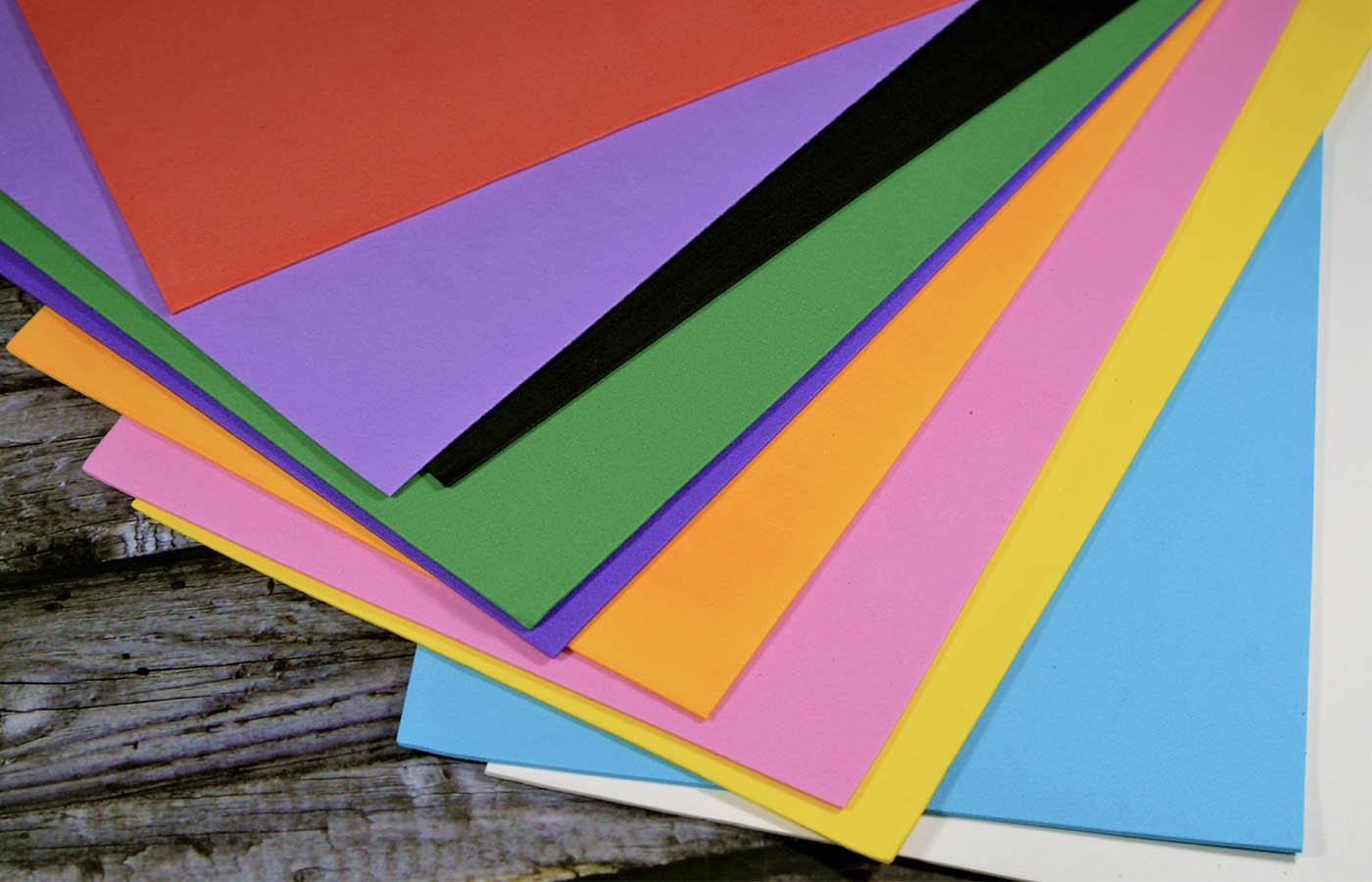
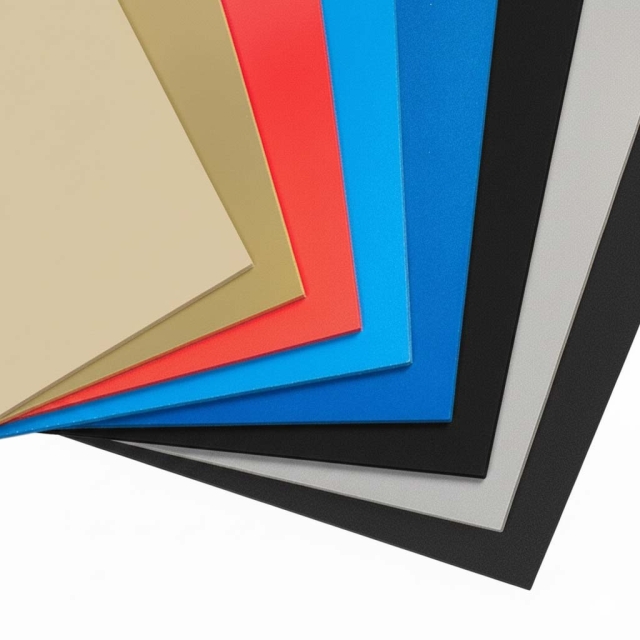
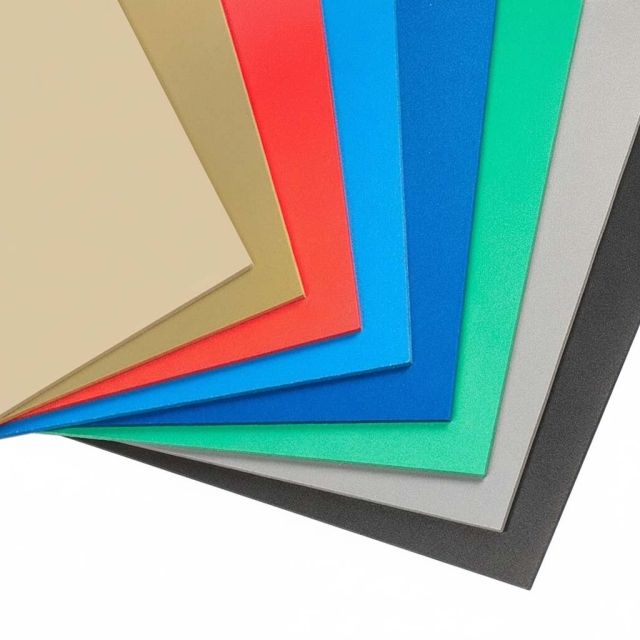
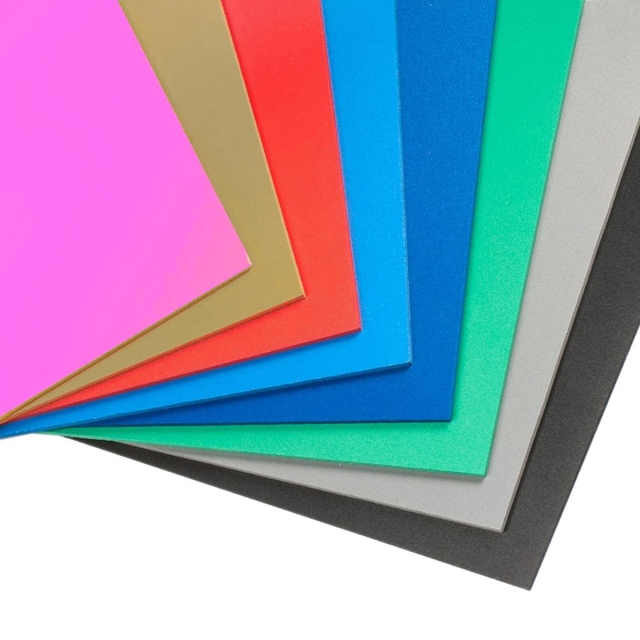
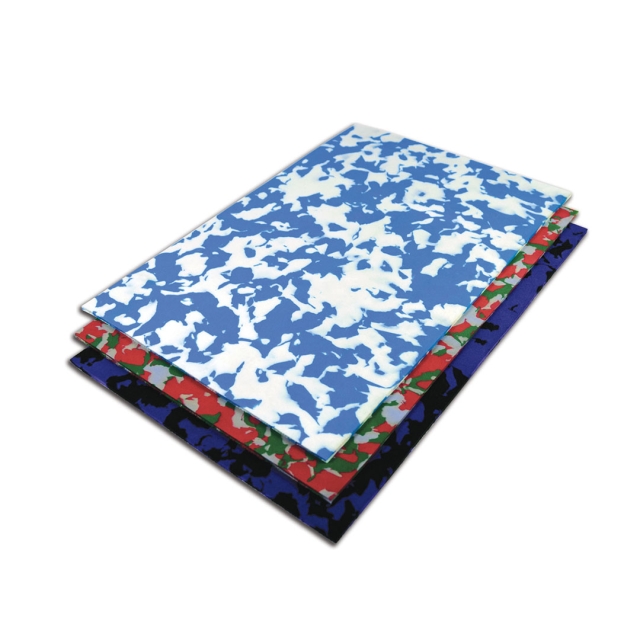
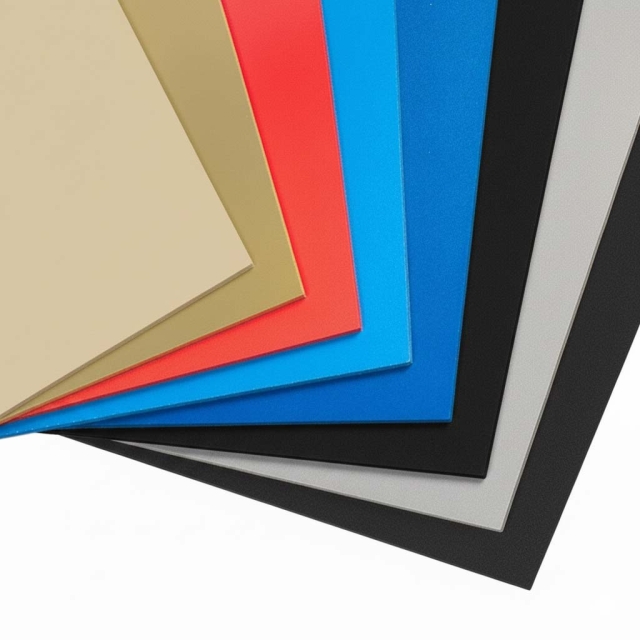
Coloured EVA sheets
Available in colours and thicknesses for trim, inserts, padding and visual detailing.
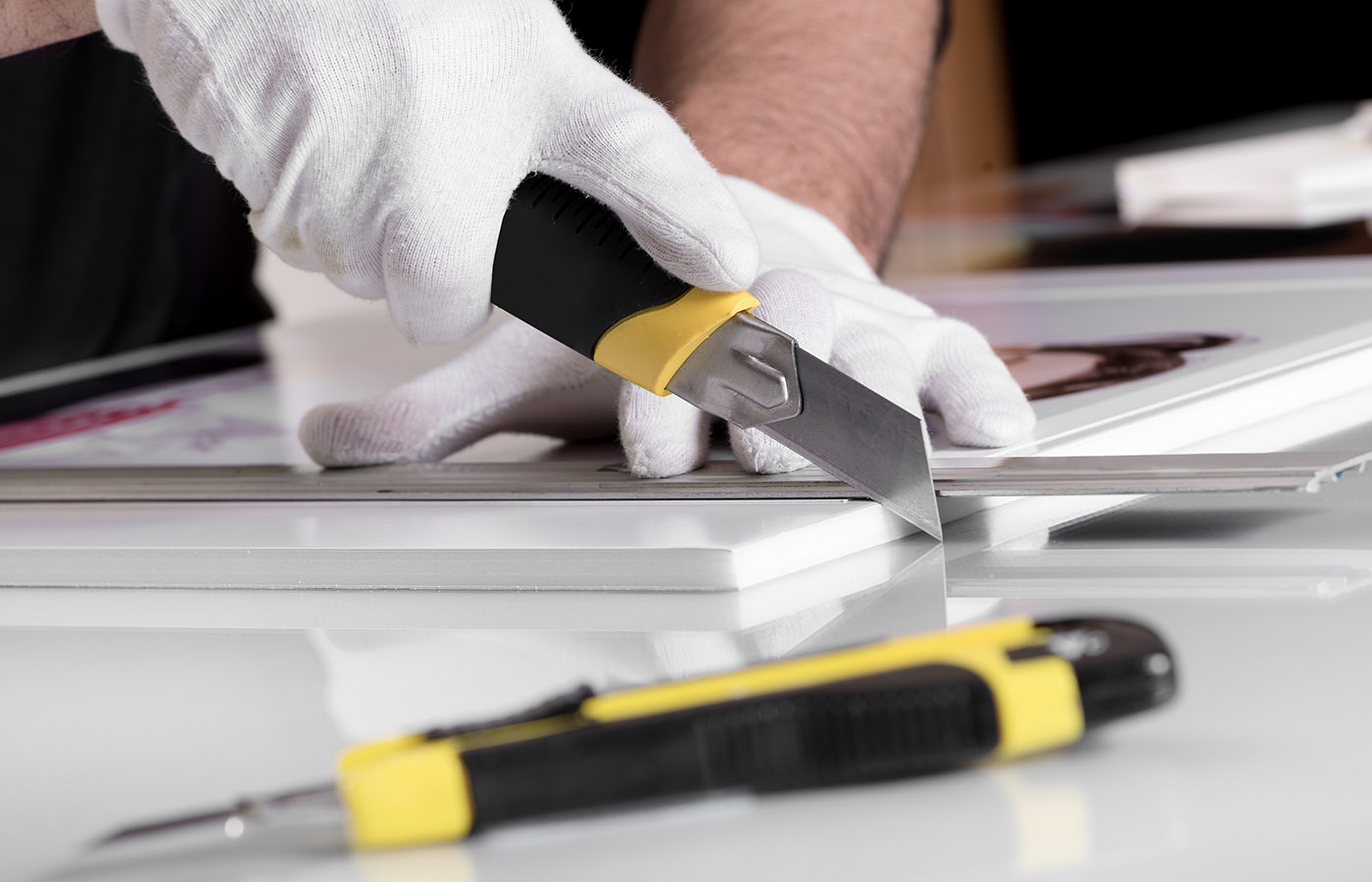
Cutting and trimming
Sharp blades, templates and careful marking help produce cleaner edges and better fit.
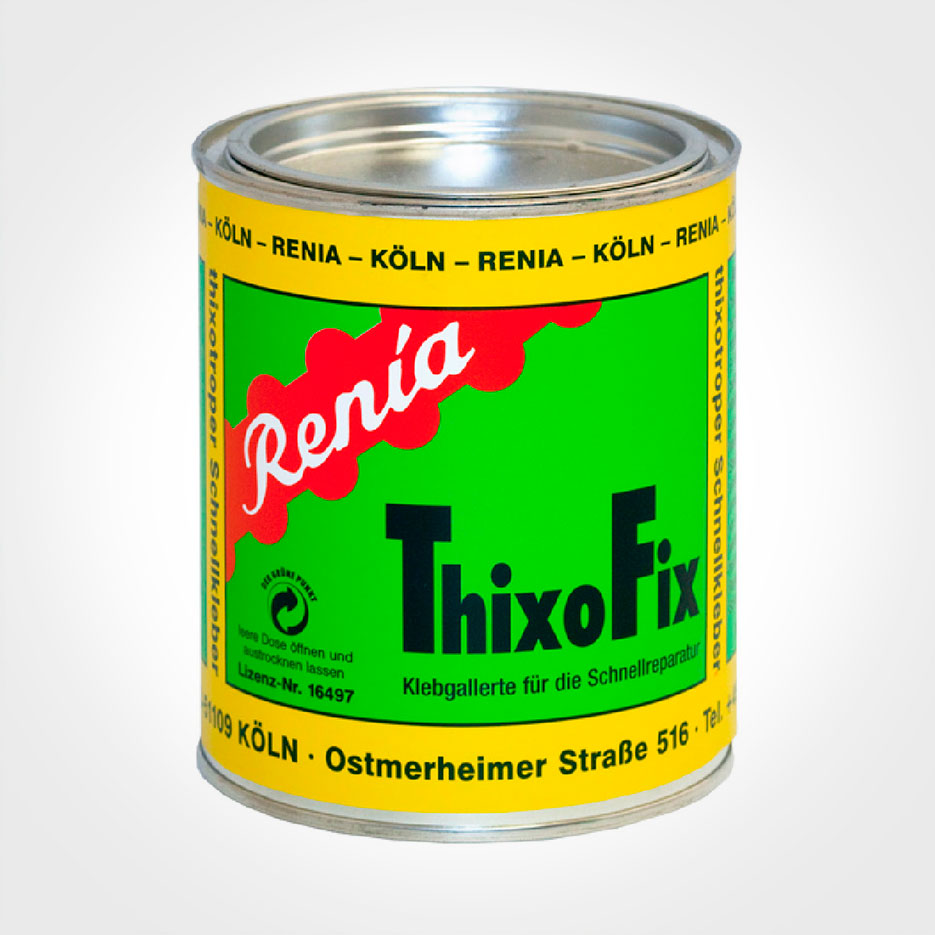
Bonding products
The correct adhesive and preparation method are critical for a durable EVA bond.
Why use EVA foam in boat building and repairs?
Boats are exposed to water, sunlight, foot traffic, abrasion, temperature changes and repeated cleaning. EVA foam is often chosen for non-structural boat surfaces because it can add comfort, grip and protection without adding much weight.
Lightweight and easy to handle
EVA foam is light enough to cut, lift, position and install without heavy machinery. This makes it practical for small workshops, boat owners and repair teams carrying out one-off jobs or replacement sections.
Comfort underfoot
Foam surfaces can make standing and moving around a boat more comfortable, particularly in cockpit areas, swim platforms and recreational deck spaces. The cushioning effect may reduce hard-surface fatigue during longer periods on board.
Useful grip and surface protection
When the correct finish and pattern are selected, EVA can help create a more secure underfoot feel. It can also protect selected surfaces from scuffs and general wear. For wet or high-risk areas, always choose materials and finishes suitable for the specific marine environment.
Easy to customise
EVA sheets can be cut into panels, strips, step pads and inserts. They can also be layered, shaped and finished for a more personalised look. This makes EVA useful for boat interiors, deck accents, cockpit flooring and repair patches where a neat finish matters.
Common boat applications for EVA foam
| Boat area | How EVA foam may be used | Key consideration |
|---|---|---|
| Boat decks | Comfort panels, non-slip style surface layers, visual inserts and protective coverings. | Choose a suitable density, surface finish and adhesive system for expected wear and water exposure. |
| Cockpit floors | Cushioned flooring pads for standing comfort and improved finish. | Use accurate templates and allow drainage, cleaning and edge sealing where needed. |
| Swim platforms | Soft standing and kneeling surface on selected platform areas. | Prioritise grip, UV exposure, water contact and edge security. |
| Interior trims | Padding, lining, visual trim strips and protective layers. | Consider colour, thickness, bonding surface and long-term compression. |
| Step pads | Protective tread pads on steps, lockers or access points. | Use a firmer grade and strong bond where foot traffic is frequent. |
| Repair patches | Replacement of worn foam sections or adding protective padding to local areas. | Match density, thickness and finish as closely as possible to the existing material. |
Choosing the right EVA foam for boat work
The right EVA depends on the job. A soft foam may feel comfortable but compress too quickly in a high-wear area. A very firm foam may last better but feel less forgiving underfoot. For many practical applications, medium to high-density EVA is the sensible starting point.
Density matters
Softer EVA grades are usually better for comfort layers, trims and padding. Medium-density EVA is a good all-round option for general fabrication. High-density EVA is better where firmness, support and wear resistance are more important.
For marine-style applications such as flooring pads, step pads and protective surfaces, consider the level of foot traffic, surface exposure and whether the foam needs to resist compression over time.
| EVA type | Best suited to | Marine-style use case |
|---|---|---|
| Low-density EVA | Cushioning, comfort, light padding and soft trim. | Interior pads, comfort lining, low-wear areas and soft protective layers. |
| Medium-density EVA | General fabrication where a balance of comfort and support is needed. | Cockpit floor pads, step areas, small deck sections and general boat repair jobs. |
| High-density EVA | Firmer, more structured applications with higher wear demands. | Protective flooring, step pads, heavy-use trim pieces and more robust inserts. |
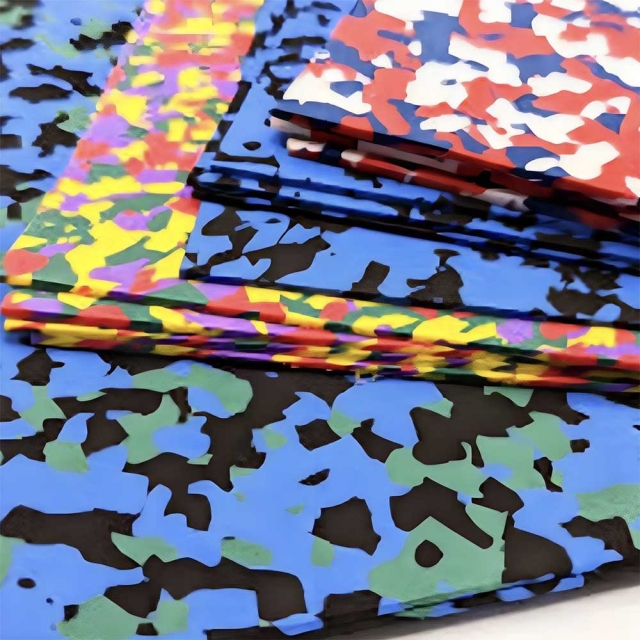
| Patterned or textured EVA | Areas where appearance and grip are important. | Visible deck panels, cockpit areas and decorative non-slip style surfaces. |
Working with EVA foam: tools and techniques
EVA foam is popular because it can be worked with relatively simple tools. For boat building and repair tasks, the most useful items are usually a sharp knife, straight edge, cutting mat, template material, marker, fine sandpaper, heat gun, roller or press, and a suitable adhesive.
Cutting EVA foam
Use a sharp utility knife or craft knife for most straight cuts. A fresh blade is important because dull blades can drag, tear or leave ragged edges. For thicker EVA sheets, several light passes are usually better than one heavy cut.
For curves and detailed shapes, make a template first. Card, paper or flexible plastic templates can help confirm the fit before you cut the foam sheet. This is especially useful for cockpit floors, steps and curved interior trims.
Basic cutting method
- Clean the work surface and lay the EVA sheet flat.
- Create a template of the boat area using card or paper.
- Mark the shape clearly on the EVA sheet.
- Use a straight edge for long cuts and a sharp blade for accuracy.
- Cut in light passes rather than forcing the blade through the sheet.
- Test fit the panel before bonding.
- Trim small areas gradually until the fit is neat.
Heating and shaping EVA foam
EVA foam can often be heat-shaped to follow curves, corners and contours. A heat gun can soften the material, making it easier to bend or form. This is useful when fitting foam to curved boat components, rounded edges or shaped trim areas.
Heat should be applied carefully and evenly. Too much heat can scorch, shrink, distort or damage the foam surface. Always test on a small offcut first, wear suitable protective equipment and follow the heat gun manufacturer’s safety guidance.
Heat-forming safety: work in a ventilated area, avoid overheating the material, keep the heat gun moving and never hold the nozzle too close to the foam. Use gloves where appropriate and test on spare material before shaping the final panel.
Bonding EVA foam to boat surfaces
Bonding is one of the most important parts of an EVA boat project. Even a well-cut foam panel can fail if the surface is dirty, damp, contaminated or matched with the wrong adhesive. The adhesive must be suitable for EVA and for the surface it is being bonded to.
Surface preparation
Before applying adhesive, make sure both surfaces are clean, dry and free from dust, grease, wax, salt residue and loose material. Light sanding can help create a better mechanical key, but do not over-sand or damage the surface underneath.
Where possible, test the adhesive on a small hidden area or sample piece first. This helps confirm bond strength, compatibility and finish before committing to the full installation.
Basic bonding method
- Dry fit the EVA panel first and check all edges.
- Mark the final position with removable guide marks.
- Clean and dry the boat surface and the EVA bonding face.
- Lightly abrade surfaces if recommended for the adhesive system.
- Apply adhesive according to the product instructions.
- Allow the correct open time before placing the EVA.
- Position carefully, then press or roll firmly to remove air pockets.
- Allow the bond to cure before exposing the area to heavy use or water.
Finishing EVA foam panels
Good finishing makes the difference between a quick patch and a professional-looking job. Once the EVA is bonded, edges can be trimmed, sanded or shaped to create a cleaner transition. In higher-wear areas, pay close attention to exposed edges because lifting often starts where water, dirt or mechanical stress can get underneath the foam.
- Trim carefully: use a sharp blade and cut gradually to avoid removing too much material.
- Round exposed corners: sharp corners are more likely to lift or catch.
- Check all edges: press down firmly and inspect for gaps after bonding.
- Allow curing time: do not rush the job by using the area before the adhesive has fully set.
- Clean gently: use mild soap and water unless the foam or adhesive manufacturer advises otherwise.
Cleaning and maintenance
EVA foam is generally easy to maintain. For most non-critical applications, regular cleaning with mild soap and water is enough. Avoid harsh solvents, abrasive pads and aggressive pressure washing unless the material and adhesive system are confirmed as suitable for that cleaning method.
| Task | Recommended approach | Avoid |
|---|---|---|
| Routine cleaning | Use mild soap, warm water and a soft brush or cloth. | Strong solvents, bleach-heavy cleaners or abrasive pads. |
| Salt residue | Rinse gently with clean water and allow to dry. | Leaving salt deposits to build up around edges and seams. |
| Edge inspection | Check for lifting, dirt ingress and damaged corners. | Ignoring small lifted edges until water gets underneath. |
| Storage | Keep spare foam sheets flat or rolled according to product suitability. | Crushing, folding or storing near excessive heat. |
Is EVA foam environmentally friendly?
EVA is often described as non-toxic in normal use and can be recyclable in some material streams, but recycling options depend on local facilities, contamination, adhesive use and whether the foam has been bonded to other materials. For boat projects, the most responsible approach is to measure carefully, reduce waste, use offcuts where possible and choose the correct material first time.
Practical sustainability tip: make templates before cutting, keep useful offcuts for small pads or repairs, and avoid over-ordering unusual colours or thicknesses unless they are needed for repeat work.
Common mistakes when using EVA foam on boats
- Choosing foam that is too soft: very soft EVA may feel comfortable at first but can compress quickly in high-traffic areas.
- Skipping surface preparation: adhesive bonds are only as good as the surface underneath.
- Using the wrong adhesive: not every adhesive is suitable for EVA, marine exposure or the underlying boat surface.
- Cutting without a template: boat surfaces are rarely perfectly square, so templates save time and material.
- Overheating the foam: too much heat can damage the surface or distort the panel.
- Ignoring edges: corners and edges are the first places to lift if the bond is poor or water gets underneath.
Shop EVA manufacturing supplies
Algeos supplies EVA foam sheets and workshop materials suitable for fabrication, repair, footwear, orthotic and practical workshop applications. For boat-related jobs, compare density, thickness, colour and bonding requirements before selecting your material.
| Supply type | Use | Shop link |
|---|---|---|
| EVA foam sheets | Cutting, shaping, padding, lining, trims and general fabrication. | Shop EVA foam sheets |
| Medium-density EVA | General-purpose fabrication where a balance of cushioning and support is needed. | View Aortha medium-density EVA |
| High-density EVA | Firmer applications, protective surfaces, flooring-style uses and higher-wear sections. | View Aortha high-density EVA |
| Contact adhesives | Bonding EVA to compatible surfaces after correct preparation. | Shop contact adhesives |
| Renia adhesives | Professional bonding products used for EVA, rubber, leather and workshop materials. | View Renia adhesives |
FAQ: EVA foam for boat building and repairs
- Can EVA foam be used on boats?
- Yes, EVA foam can be used for selected non-structural boat applications such as deck pads, cockpit flooring, swim platform surfaces, interior trims, step pads and protective linings. Suitability depends on foam density, finish, adhesive compatibility and the level of exposure to water, UV and wear.
- Is EVA foam waterproof?
- EVA is a closed-cell foam and is generally water-resistant, but that does not mean every installation is waterproof. Water can still get under poorly bonded edges or seams. Correct surface preparation, adhesive choice and edge finishing are important.
- What EVA density is best for boat decking?
- Medium to high-density EVA is usually more suitable for boat decking and floor-style applications because it offers better support and wear resistance than very soft foam. The best choice depends on the specific job, expected traffic and desired comfort level.
- Can EVA foam be cut with a knife?
- Yes. EVA foam can usually be cut with a sharp utility knife or craft knife. For best results, use a fresh blade, a straight edge and several light passes rather than one heavy cut.
- Can EVA foam be shaped with heat?
- Yes, EVA foam can often be shaped with controlled heat. A heat gun can help soften the material for curves and contours, but overheating can scorch or distort the foam. Always test on an offcut first.
- What glue should I use for EVA foam?
- Use an adhesive that is compatible with EVA and with the surface being bonded. Contact adhesives and specialist workshop adhesives are commonly used, but the correct product depends on the substrate, exposure and installation method.
- How do you maintain EVA foam on a boat?
- Clean with mild soap and water, rinse salt residue, avoid harsh solvents and inspect edges regularly. Small lifted edges should be addressed early to prevent water and dirt getting underneath the foam.
Summary: why EVA foam is useful for boat projects
EVA foam is a practical material for many non-structural boat building and repair jobs. It is lightweight, comfortable, easy to cut, available in different densities and suitable for a wide range of padding, lining, trim and surface applications.
The best results come from choosing the correct density, making accurate templates, preparing surfaces properly, using the right adhesive and taking time with finishing. For boat owners and workshops, EVA can be a cost-effective way to improve comfort, appearance and protection across selected boat areas.
Sold: Sheet
Incl. VAT Exl. VAT