

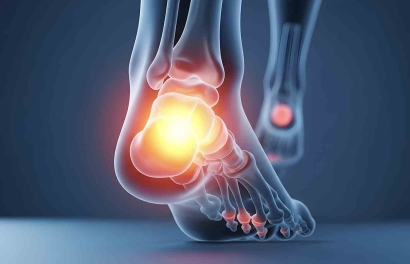
Heel spur pain is not always solved by adding more cushioning. The most effective option depends on where the pain is felt, how much space there is inside the shoe, whether the arch is overloaded and whether the symptoms are part of a wider plantar fasciitis pattern.
This guide compares key heel spur products available from Algeos, including silicone heel cups, slim gel heel pads, shock-absorbing insoles and targeted heel spur cushions.
It is designed to help UK customers, clinicians and informed patients choose the most suitable product for everyday heel pain support.
Definition box
Heel spur: a bony growth that can develop on the underside of the heel bone, often linked with long-term strain through the plantar fascia, foot muscles and surrounding soft tissues. A heel spur may be visible on imaging - but the spur itself is not always the only cause of pain. Many people with 'heel spur pain' also have plantar heel pain or plantar fasciitis-type symptoms.
Quick chooser: which heel spur product should I consider?
| Main problem | Suggested product type | Why it may help | Algeos option |
|---|---|---|---|
| Sharp, localised pain under the heel | Silicone gel heel cup with a softer spur relief zone | Helps cushion heel strike and reduce pressure on the sensitive area. | Silipos Wonderspur Silicone Gel Heel Cup |
| Heel pain in tight, shallow or dress-style shoes | Slim gel heel cushion pad | Adds discreet cushioning without taking up as much space as a deeper heel cup. | Podotech Gel Heel Cushion Pad |
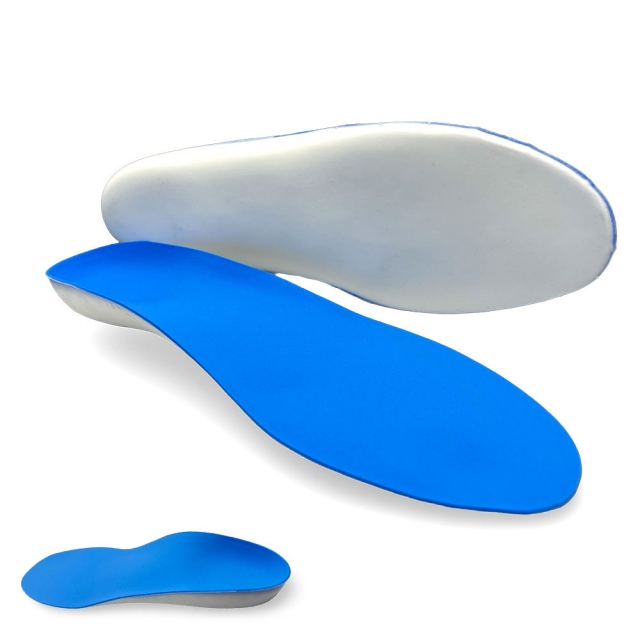
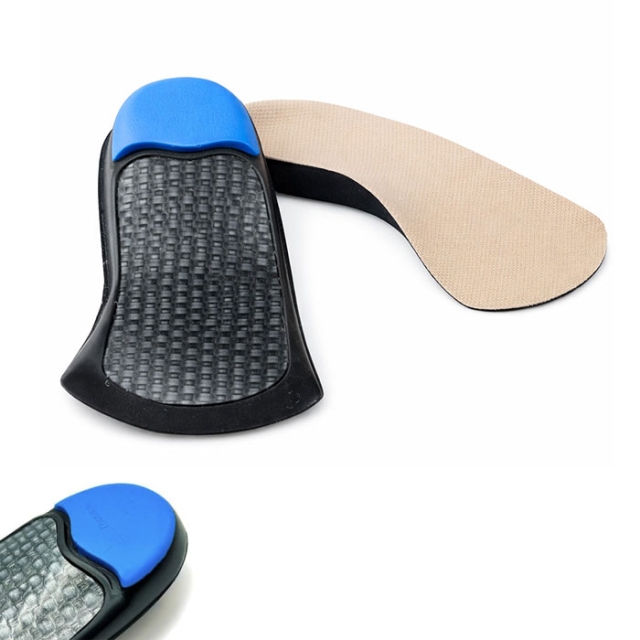
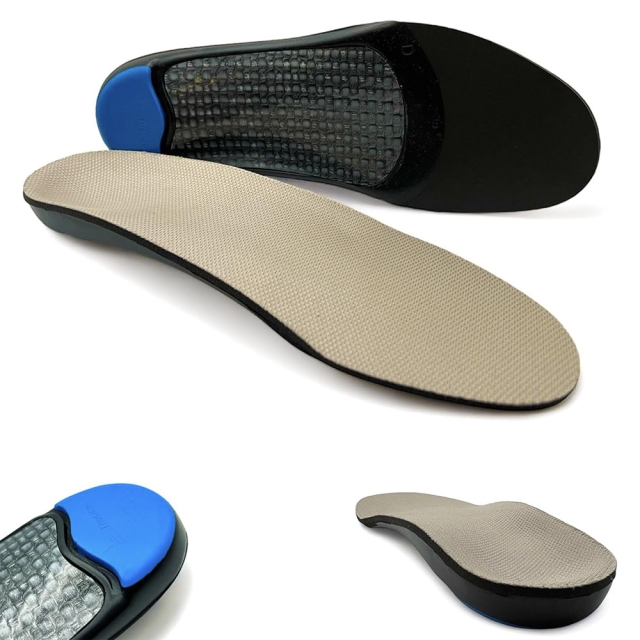
| Heel pain with flat feet, arch strain or overpronation | Structured orthotic insole | Supports the arch and helps spread load across the foot. | Semiflex Carbon Shock Absorbing Insoles |
| Direct pressure from a known painful heel spur point | Heel spur cushion with removable plug | Allows targeted offloading directly beneath the sore point. | Silipos Heel Spur Cushion with Removable Plug |
Why heel spurs can hurt
Heel spurs are sometimes seen on X-rays in people with heel pain, but the spur itself is not always the only pain source. Symptoms are often linked to irritation of the plantar fascia, repeated heel loading, reduced heel fat pad cushioning, calf tightness, unsuitable footwear or altered foot mechanics.
That is why conservative heel spur support usually focuses on three practical goals: reducing direct heel impact, improving pressure distribution and supporting the foot so the plantar fascia is not repeatedly overloaded during walking and standing.
Supportive footwear, stretching, activity modification and orthotic support are commonly used together. Heel cups and heel cushions can help when the pain is mainly impact-related, while structured insoles are usually more useful when heel pain sits alongside arch strain, flat feet or overpronation.
Best Algeos heel spur products by use case
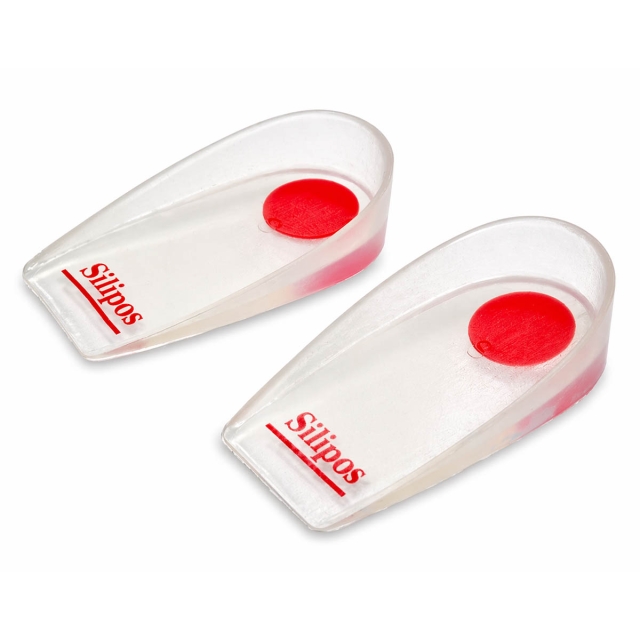
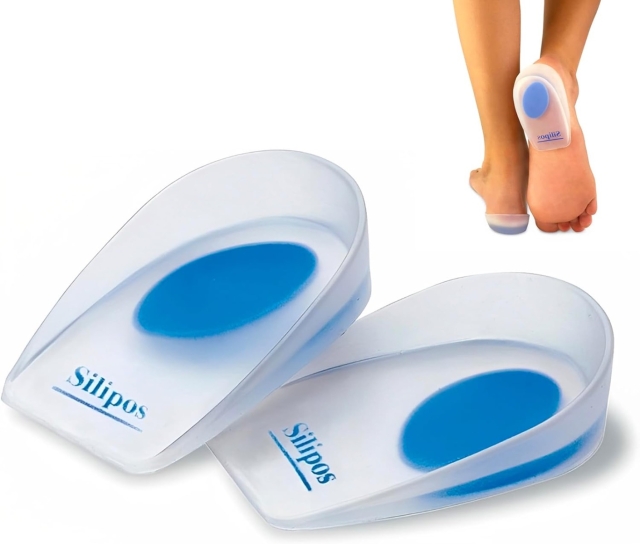
1) Best all-round option: Silipos Wonderspur Silicone Gel Heel Cup
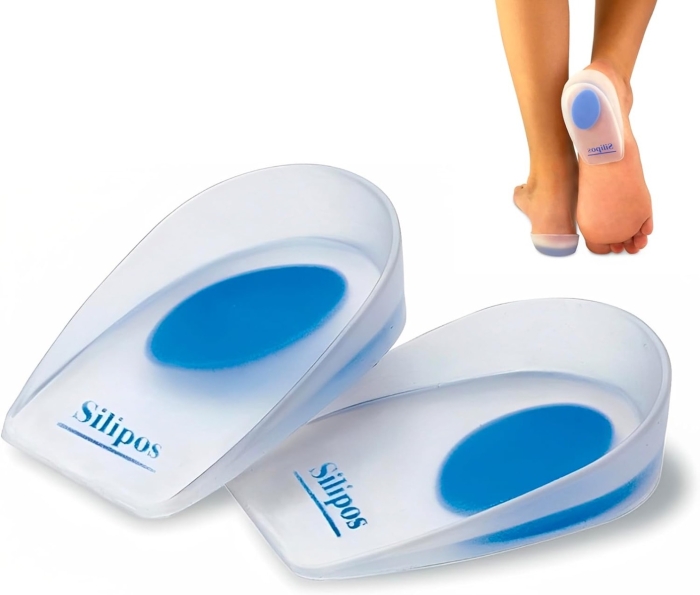
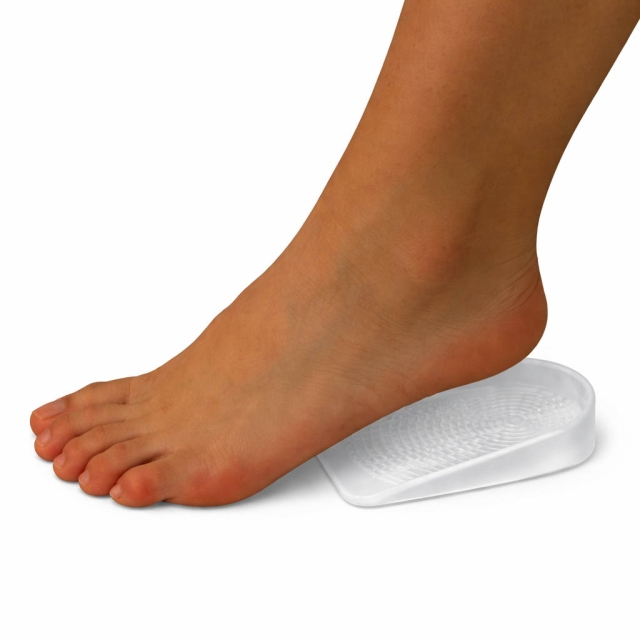
The Silipos Wonderspur Silicone Gel Heel Cup is a strong all-round option for people with localised plantar heel pain, heel spur discomfort or general heel tenderness. Its dual-density silicone design includes a softer central relief zone surrounded by a firmer heel cup, helping to cushion impact while reducing direct pressure on the most sensitive part of the heel.
This makes it particularly useful for everyday walking, standing, work footwear and sport shoes where there is enough space to accommodate a heel cup. It may be less suitable for very shallow shoes, where a slimmer heel pad may fit more easily.
Best for: localised heel spur pain, plantar fasciitis-type heel pain and general heel tenderness.
View Silipos Wonderspur Silicone Gel Heel Cup
2) Best budget-friendly option: Podotech Silicone Gel Heel Cup with Blue Dot
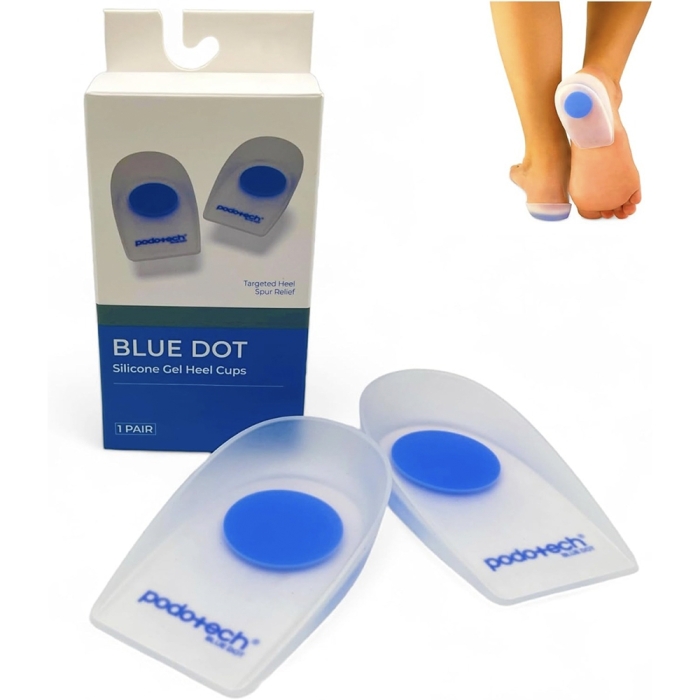
The Podotech Silicone Gel Heel Cup with Blue Dot is a practical, lower-cost option for everyday heel cushioning. It is designed to cradle the heel, provide shock absorption and improve comfort during standing and walking.
It is a good entry-point choice for people who want simple heel spur cushioning without moving straight into a full orthotic insole. It is also useful for general heel fatigue and plantar fasciitis-type heel discomfort, although it will not provide the same level of arch support or biomechanical control as a structured insole.
Best for: value-conscious everyday heel cushioning and mild to moderate heel impact discomfort.
View Podotech Silicone Gel Heel Cup with Blue Dot
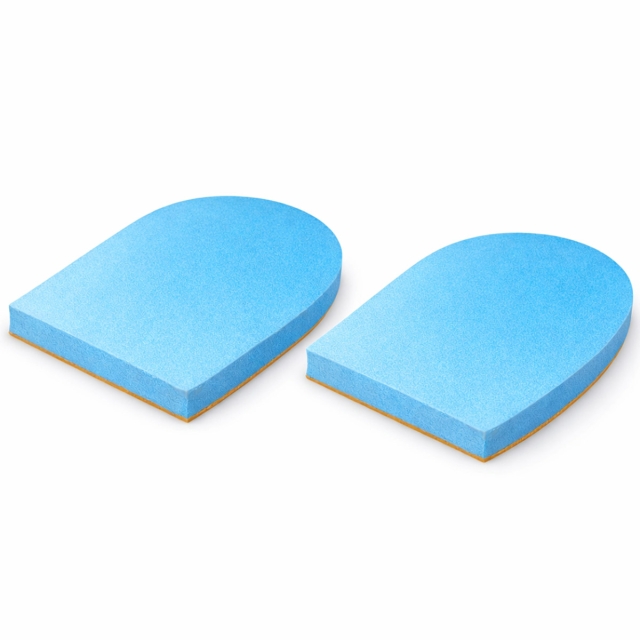
3) Best for limited shoe space: Podotech Gel Heel Cushion Pad
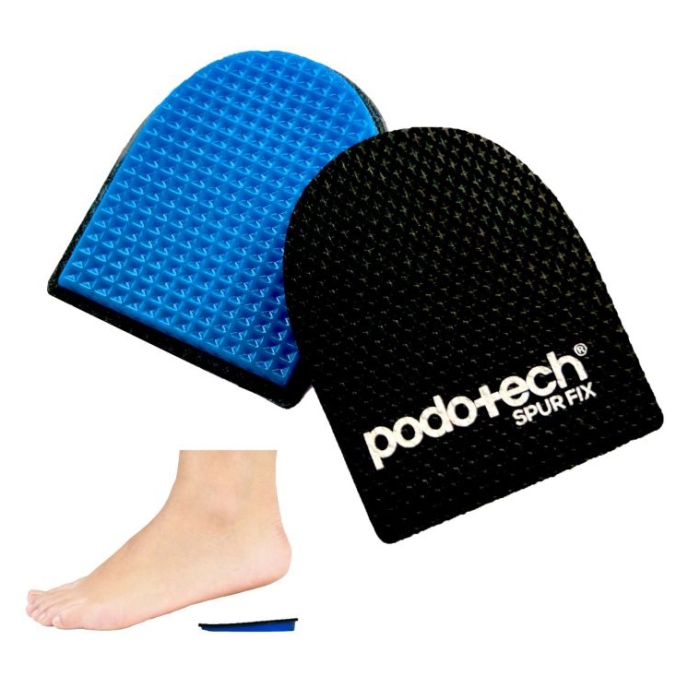
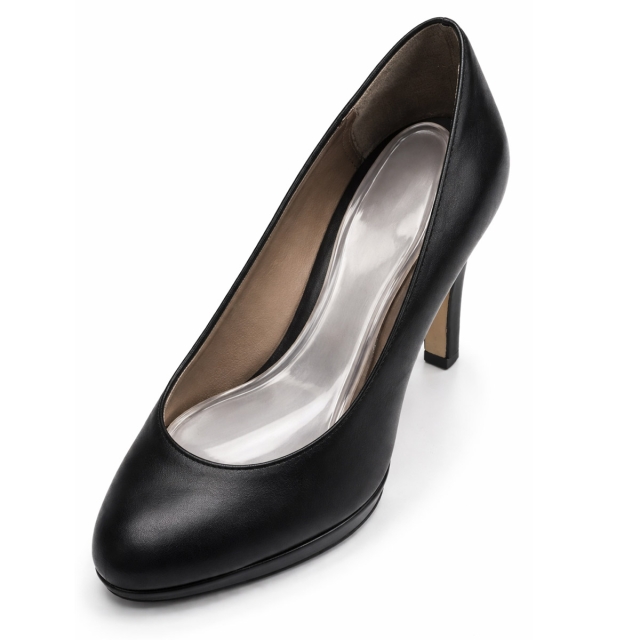
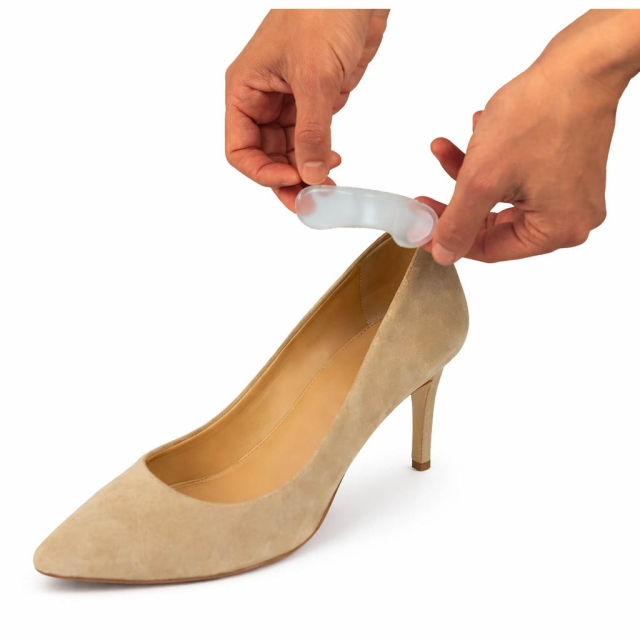
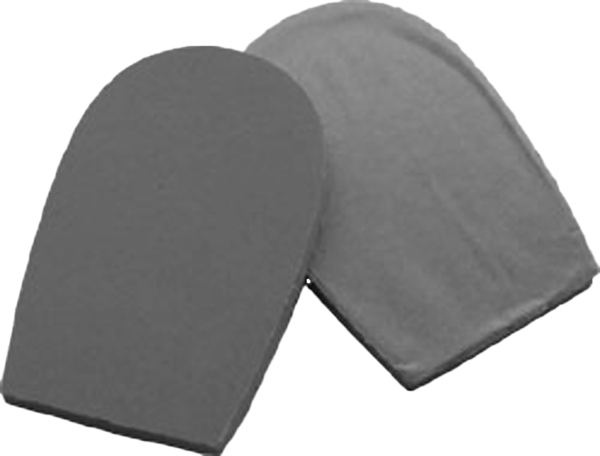
The Podotech Gel Heel Cushion Pad is a discreet silicone gel heel pad for people who need extra cushioning but cannot fit a deeper heel cup or full-length insole inside their footwear.
It is especially useful when shoe choice limits treatment options, such as narrow footwear, tighter sports shoes or shoes with less internal depth. It provides targeted heel cushioning and helps reduce impact during standing, walking and activity.
Best for: shallow shoes, tight footwear, dress shoes, sports shoes and users who need a slimmer heel cushion.
View Podotech Gel Heel Cushion Pad
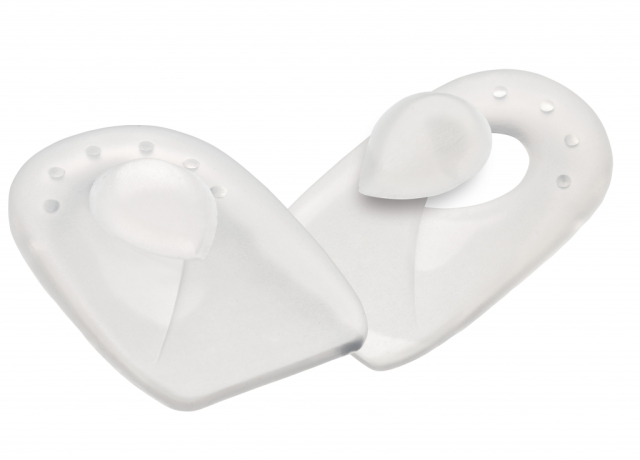
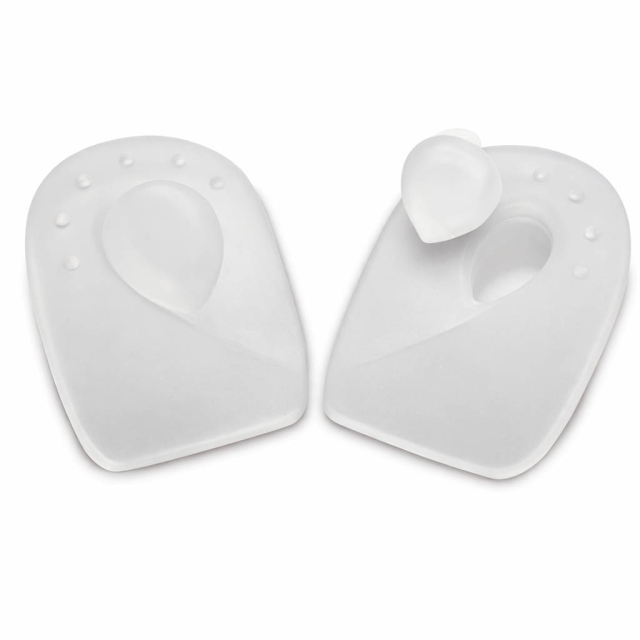
4) Best targeted heel spur offloading: Silipos Heel Spur Cushion with Removable Plug
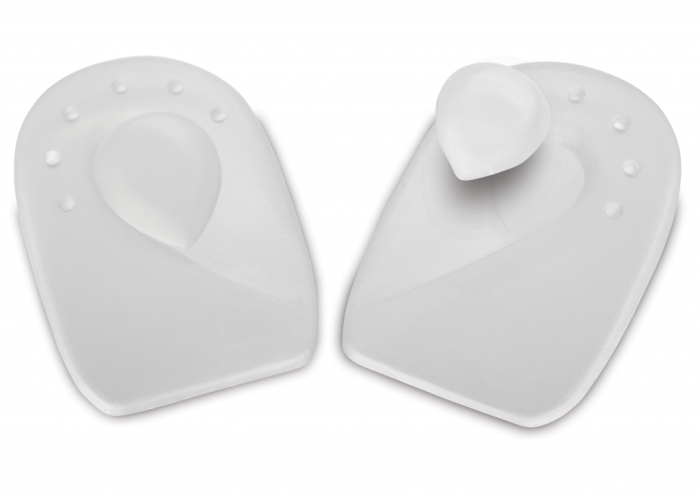
The Silipos Heel Spur Cushion with Removable Plug is designed for more targeted pressure relief. The removable plug allows the user or clinician to create a small void beneath the painful area, helping to reduce direct pressure under a sensitive heel spur point.
This makes it a useful option when the pain is very localised and direct pressure under the heel is the main problem. It is more specific than a simple cushion and can be a good choice where targeted offloading is preferred.
Best for: localised heel spur pressure, painful focal heel points and users who need direct offloading beneath the heel.
View Silipos Heel Spur Cushion with Removable Plug
5) Best when arch support is also needed: Semiflex Carbon Shock Absorbing Insoles
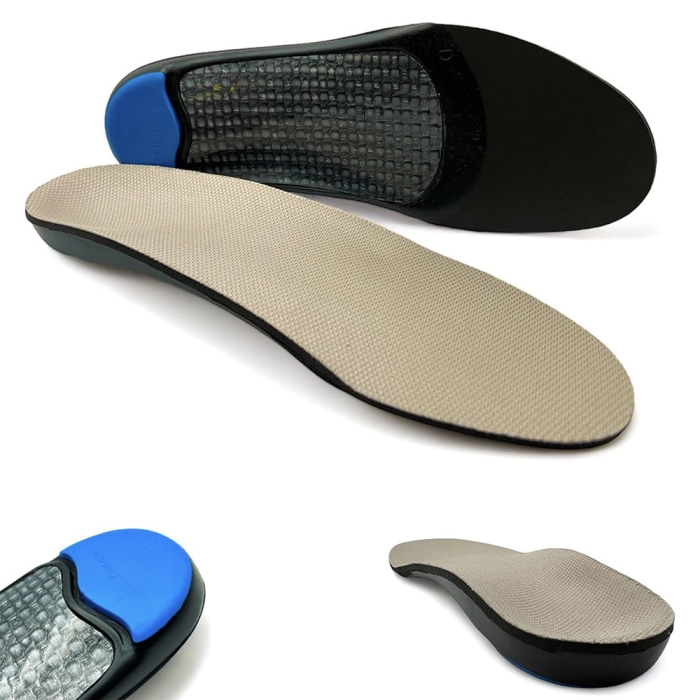
The Semiflex Carbon Shock Absorbing Insoles are a better option when heel pain is part of a wider foot-loading problem. They combine shock absorption with structured support, helping to reduce impact while supporting the arch and encouraging more stable foot mechanics.
These are particularly relevant for people whose heel spur symptoms sit alongside plantar fasciitis symptoms, flat feet, overpronation, shin splints, long periods of standing or active lifestyles. They need more space inside the shoe than a simple heel pad, so they are usually better suited to trainers, work shoes and everyday footwear with removable insoles.
Best for: heel pain with arch overload, plantar fascia strain, flat feet, overpronation or broader lower-limb fatigue.
View Semiflex Carbon Shock Absorbing Insoles
Comparison table
| Product | Best for | Main benefit | Possible limitation |
|---|---|---|---|
| Silipos Wonderspur Silicone Gel Heel Cup | Most users with localised heel spur or plantar heel pain | Dual-density cushioning with a softer spur relief zone | May be too deep for very shallow shoes |
| Podotech Silicone Gel Heel Cup with Blue Dot | Budget-friendly everyday heel cushioning | Simple shock absorption and heel cradling | Less corrective than a full orthotic insole |
| Podotech Gel Heel Cushion Pad | Shoes with limited space | Slim, discreet heel cushioning | Limited arch support or rearfoot control |
| Silipos Heel Spur Cushion with Removable Plug | Targeted pressure relief beneath a painful heel point | Removable plug helps create localised offloading | More specific to focal pressure than general arch support |
| Semiflex Carbon Shock Absorbing Insoles | Heel pain with arch overload, flat feet or overpronation | Shock absorption plus structured foot support | May not suit tight or shallow footwear |
Simple starting point: if the pain is mainly under the heel, start with a silicone gel heel cup or targeted heel spur cushion. If the heel pain comes with arch strain, flat feet, overpronation or plantar fasciitis symptoms, a structured orthotic insole may be more appropriate.
How these products work
Heel cups, heel pads and heel spur cushions mainly work by reducing impact at heel strike and redistributing pressure away from the most painful area. This can make walking and standing more comfortable, especially on hard floors or during long periods on the feet.
Full or three-quarter length orthotic insoles add another layer of support by helping to spread load through the foot and support the arch. This can be important when heel spur symptoms overlap with plantar fascia strain, flat feet or overpronation.
Heel strike pain only → consider a gel heel cup or heel cushion
Heel strike pain plus tight shoes → consider a slim gel heel cushion pad
Pain from a specific heel spur point → consider a removable-plug heel spur cushion
Heel pain plus arch strain or overpronation → consider a structured orthotic insole
Ongoing symptoms → combine product support with footwear review, stretching and professional advice if needed
Practical buying considerations
1. Shoe depth matters
A deeper silicone heel cup may feel excellent in trainers or work shoes but too bulky in shallow shoes. If footwear space is limited, a slim heel pad or three-quarter orthotic is often easier to tolerate.
2. Cushioning and support are not the same thing
Soft cushioning can reduce impact, but it does not necessarily control foot movement or reduce plantar fascia strain. If the pain is linked to low arches, overpronation or long periods of standing, structured support may be more useful than soft padding alone.
3. Localised pain may need localised offloading
If there is a very specific sore point under the heel, a product with a soft central zone or removable plug can be more suitable than a flat cushion. This helps reduce pressure directly beneath the sensitive area.
4. Consistency matters
Heel spur and plantar fascia-related symptoms often improve gradually. Wearing support only occasionally may not give the same benefit as using the most suitable device consistently in everyday shoes.
Step-by-step guide to choosing the right heel spur product
- Start with the symptom pattern. If the pain is sharp and localised under the heel, consider a gel heel cup or targeted heel spur cushion.
- Check your shoes. If the shoe is shallow, narrow or dressy, a slim heel cushion pad may fit better than a deeper heel cup or full-length insole.
- Look for arch overload. If you also have plantar fasciitis-type pain, flat feet, overpronation or foot fatigue, a structured orthotic insole may offer better all-round support.
- Think about activity level. Long periods of standing, walking on hard floors and sport may require more shock absorption and stability than occasional use.
- Combine with sensible self-care. Footwear review, calf stretching, plantar fascia stretching and gradual load management are still important.
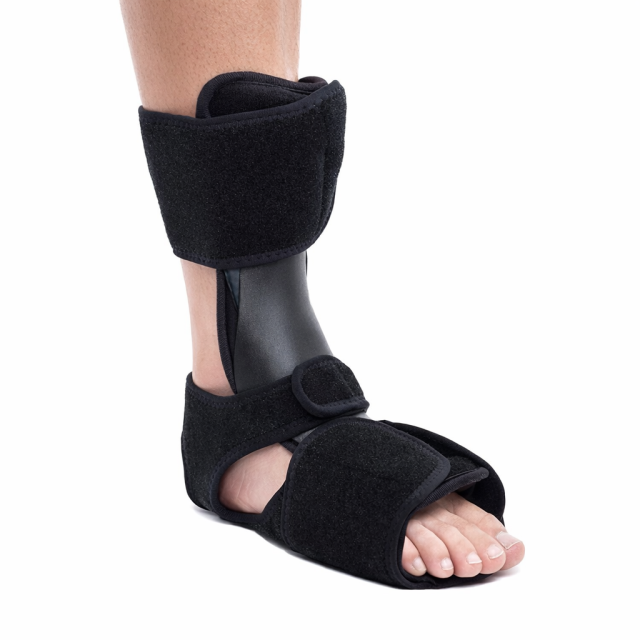
- Seek advice when needed. If pain is severe, persistent, worsening, linked to trauma, or associated with swelling, numbness, redness or night pain, seek podiatry or medical assessment.
Useful related Algeos pages
FAQ
Do heel cups help heel spurs?
Heel cups can help reduce discomfort by cushioning heel strike and reducing pressure beneath the heel. They do not remove the bony spur itself, but they may make walking and standing more comfortable.
Are insoles or heel cups better for heel spur pain?
Heel cups are often useful when the main problem is direct heel impact or a sore point under the heel. Orthotic insoles are usually more suitable when heel pain is linked with plantar fascia strain, flat feet, overpronation or arch overload.
What is the best Algeos heel spur product overall?
For many users, the Silipos Wonderspur Silicone Gel Heel Cup is a strong all-round choice because it combines heel cradling, shock absorption and a softer central relief zone.
Which heel spur product is best for tight shoes?
The Podotech Gel Heel Cushion Pad is a good option where footwear space is limited because it provides slim, discreet heel cushioning without the depth of a larger heel cup.
Can heel spur insoles help plantar fasciitis?
Yes, there is often overlap between heel spur symptoms and plantar fasciitis-type heel pain. Products that cushion the heel and support the arch may help reduce plantar fascia strain and improve comfort during walking.
How long should I wear heel spur insoles or heel cups?
Most people use them during daily weight-bearing activities such as walking, working or standing. It is sensible to build up wear time gradually, especially with more structured orthotic insoles, and to stop using any product that increases pain or causes rubbing.
When should I see a podiatrist for heel pain?
Seek professional advice if heel pain is severe, persistent, worsening, linked to injury, or associated with swelling, redness, numbness, altered sensation or difficulty walking. People with diabetes, poor circulation or reduced foot sensation should seek clinical advice early.
References and research sources
- Algeos - Orthotic Insoles for Heel Spurs
- Algeos - Silipos Wonderspur Silicone Gel Heel Cup
- Algeos - Podotech Silicone Gel Heel Cup with Blue Dot
- Algeos - Podotech Gel Heel Cushion Pad
- Algeos - Silipos Heel Spur Cushion with Removable Plug
- Algeos - Semiflex Carbon Shock Absorbing Insoles
- NHS - Plantar fasciitis
- NICE CKS - Plantar fasciitis
- British Journal of Sports Medicine - Foot orthoses for plantar heel pain: systematic review and meta-analysis
- British Journal of Sports Medicine - Management of plantar heel pain: a best practice guide
Sold: Pair
Incl. VAT Exl. VAT