


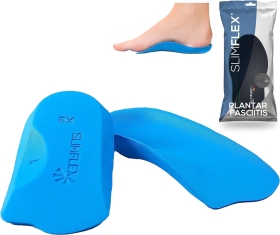
 Slimflex Simple MD Arch Support Insoles - 3/4 Length£10.73 £8.94
SHOW PRICES WITH OR WITHOUT VAT? MANY BUSINESS CUSTOMERS PREFER TO VIEW PRICES EXCLUDING VAT.
0151 448 1228 (UK)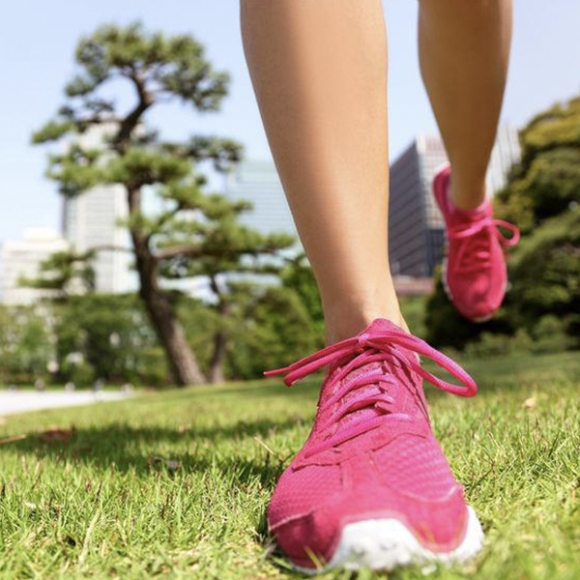

Orthotic Insoles for Oversupination
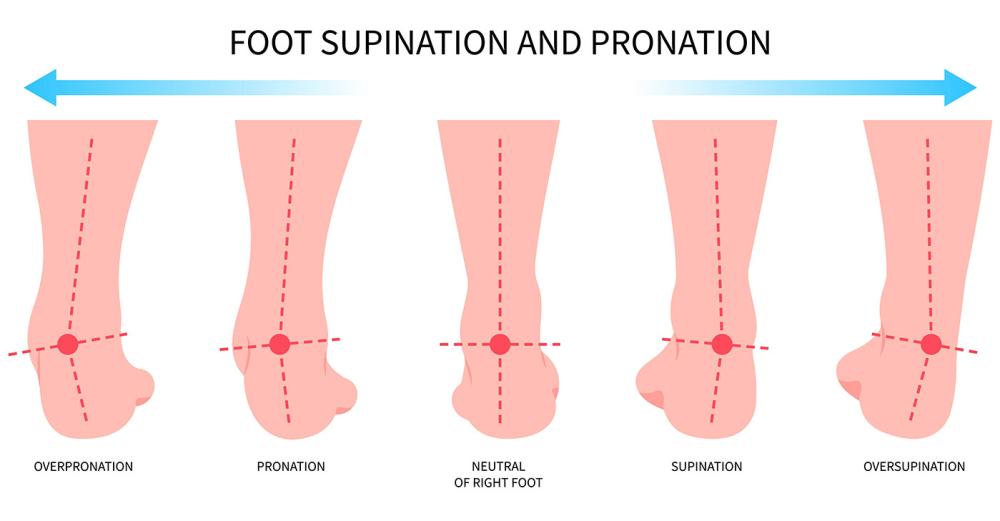
Oversupination, also known as underpronation, happens when the foot rolls outward during walking or running. This means more pressure is placed through the outside edge of the foot, which can reduce shock absorption and make the foot feel less stable.
People who oversupinate often have higher arches and may notice uneven shoe wear along the outer sole. Over time, this loading pattern can contribute to discomfort in the feet, ankles, knees, hips or lower back, especially during long periods of walking, standing, work or sport.
The right orthotic insole can help by supporting the arch, improving heel stability and encouraging pressure to spread more evenly across the foot. Extra cushioning can also help absorb impact, reducing stress on the heel, forefoot and outer edge of the foot.
For everyday use, a supportive insole can make movement feel more controlled and comfortable. It can be particularly useful for people with high arches, poor shock absorption, ankle instability or repeated strain from walking, running or standing for long periods.
High arches Lateral foot loading Heel stability Everyday and clinical use 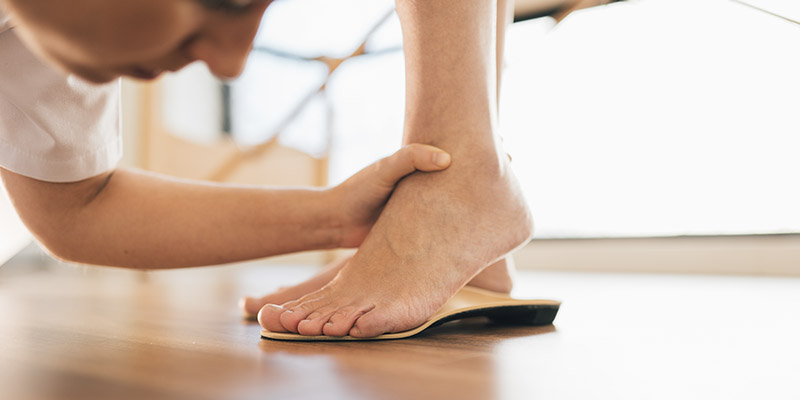
What are oversupination insoles?
Orthotic insoles for oversupination are supportive shoe inserts designed for feet that roll outward too much when walking or running. This outward rolling can place extra pressure along the outside edge of the foot and reduce natural shock absorption.
Unlike basic cushioning inserts, orthotic insoles provide more structured support. They usually include a shaped arch area, a stable heel cup and cushioning that helps guide pressure more evenly through the heel, arch and midfoot.
People looking for support for oversupination often also need help with high arches, ankle instability, forefoot pressure, tired arches or recurring discomfort caused by poor shock absorption. A well-chosen orthotic insole can help make everyday walking, standing, work and sport feel more comfortable and controlled.
Quick summary
Good oversupination insoles usually aim to do four practical things:
- Support the foot’s natural arch shape
- Improve heel control and in-shoe stability
- Reduce concentrated pressure on the outer border of the foot
- Make walking and standing feel more balanced and less fatiguing
Persistent pain, repeated ankle sprains, marked asymmetry or worsening symptoms should be assessed by a suitably qualified clinician.
Why people choose orthotic insoles for underpronation
More stable heel contact
Heel cupping and firmer rearfoot structure can help the foot sit more securely in the shoe, which may feel steadier during walking and longer periods on your feet.
Better pressure distribution
Supportive contour can reduce the sense of loading only the outside edge, which is common in people with a cavus or higher-arched foot profile.
Practical footwear support
Many people want support that works in everyday trainers, work shoes or slimmer footwear, which is why full-length and 3/4 length designs both matter.
- Useful for people who notice lateral foot wear, recurring ankle rolling or high-arched foot fatigue.
- Can sit alongside broader orthotic therapy strategies including footwear choice, load management and exercise.
- Often chosen by consumers wanting a ready-to-wear option and by clinicians wanting a chairside-friendly orthotic base.
- Available in softer, moderate and firmer formats depending on bodyweight, activity and required control.
Which type of insole is usually best for oversupination?
Firm control orthotics
Designed for users who need stronger influence over foot motion. A leading option here is Slimflex Carbon, developed specifically for supination control with lateral support and heel stabilisation.
Adjustable or modular support
If you need a more adaptable setup, Interpod Modular Foot Arch Support Insoles offer changeable arch support, which can be useful where fit and support preference are still being established.
Everyday structured comfort
For users who want a balance of support and cushioning, the wider orthotic insole range includes lower-profile and general-use options that can work well in day-to-day footwear.
Full-length vs 3/4 length
Full-length insoles tend to suit trainers, deeper shoes and users who want more underfoot contact. 3/4 length insoles can be helpful when the forefoot of the shoe is tight and you still want structured rearfoot and arch support. You can view 3/4 and full length options in the Slimflex range.
OTC vs more clinically directed
Many users start with ready-to-wear orthotics. Those with recurrent instability, cavovarus tendencies, longstanding pain or a need for stronger correction may prefer more clinically oriented options such as Interpod Flex.
Common concerns linked with oversupination
| Concern or symptom | How orthotic insoles may help | Useful Algeos route |
|---|---|---|
| High arches and poor shock absorption | Supportive contour and cushioning can improve comfort and reduce concentrated loading through the heel and forefoot. | High arches insoles |
| Foot rolling or lateral instability | Firmer rearfoot structure and heel cupping may improve foot control and help the shoe feel more stable. | Slimflex Carbon for supination |
| Heel pain or plantar fascia overload | Some users with underpronation also need support that improves load sharing through the arch and heel. | Heel pain insoles and plantar fasciitis insoles |
| Achilles and calf strain | In some cases, combining supportive insoles with heel elevation or rehabilitation advice is useful. | Achilles tendonitis solutions and heel lifts |
| General arch fatigue in everyday shoes | Moderately supportive insoles can make long periods of standing and walking feel more comfortable. | Slimflex Green or arch support insoles |
How to choose the right orthotic insole for oversupination
Start with the pattern, not the label
Are you dealing with high arches, repeated ankle rolling, lateral foot soreness or tiredness in everyday footwear? Matching the insole to the real problem usually leads to a better fit than searching by a single term alone.
Check how much control you need
If your foot rolls outward noticeably or you have recurrent instability, a firmer product such as Slimflex Carbon may be more suitable than a soft comfort insole.
Match the insole to the shoe
Deeper trainers and walking shoes usually accept full-length devices more easily. Tighter shoes may be better with 3/4 length or slimmer orthotic formats from the main insole category.
Think about activity and bodyweight
Heavier users and those on their feet for longer often prefer a more structured base. Sport and work use may also call for more durable materials and more secure heel control. Slimflex High Density devices may be a safter option.
Consider whether you need adaptability
If you are unsure about support height or want more adjustability, look at Interpod Modular or clinically focused Interpod options.
Escalate when symptoms are persistent
If pain is not settling, or the foot shape and gait pattern are complex, move beyond self-selection and seek assessment. Helpful background reading includes orthotics vs insoles and do orthotic insoles really help?
Popular orthotic families and solution types
Slimflex Carbon
Purpose-built for supination control, with lateral support and stronger rearfoot influence.
Explore product →Slimflex range
A broad family covering different densities, lengths and support levels for varied footwear and use cases.
Browse range →Interpod foot orthotics
Clinically oriented prefabricated orthotics for users needing more structure and prescription-style selection.
See Interpod →High arch pathways
Helpful when oversupination sits within a broader pes cavus or high-arched loading pattern.
View high arch insoles →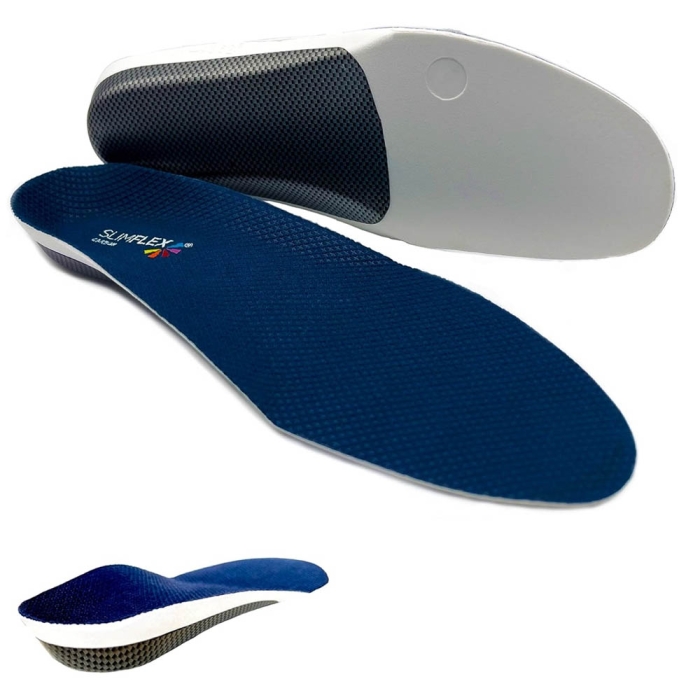
Where many people start
For clear outward rolling, Slimflex Carbon is often the most relevant first stop. For a broader compare-and-choose route, review Motion Control and Slimflex Simple or Comfort devices. Also review related support routes including our arch support insoles.
For mixed symptom pictures, it is common to cross-check other categories such as plantar fasciitis products or Achilles support solutions.
Helpful guides, advice and related categories
How Slimflex supports different gait patterns
Useful for understanding where supination sits alongside pronation and neutral gait.
Read guide →Best orthotic insoles guide
A broader buying guide covering materials, support levels and everyday selection questions.
Read guide →Orthotics vs insoles
Helpful when deciding whether an off-the-shelf device is enough or a more prescribed route is needed.
Compare options →What are orthotic insoles?
A plain-English overview of what orthotic insoles do and who they are for.
Read overview →Do orthotic insoles really help?
Evidence-aware reading for users who want more than product features and marketing language.
See evidence guide →Most popular NHS-style insoles
A useful route for comparing widely used prefabricated orthotic options.
Read guide →Heel lifts and Achilles tendinopathy
Relevant when underpronation is sitting alongside calf or Achilles loading issues.
Read guide →Accessing foot orthotics and patient pathways
Useful for users deciding between retail purchase and a more formal clinical pathway.
Learn more →Frequently asked questions
Are orthotic insoles good for oversupination?
They can be a very practical option when chosen well. A structured insole can help improve heel seating, support a higher arch and reduce the sense of rolling onto the outside edge of the foot. The best choice depends on symptom pattern, shoe fit and how much control you need.
What is the best Algeos insole for oversupination?
For obvious outward rolling and a need for stronger control, Slimflex Carbon is the most targeted starting point. If you want a wider compare-and-choose route, begin with the oversupination category.
Do I need full-length or 3/4 length insoles?
Full-length insoles often work well in trainers and deeper shoes. A 3/4 length design can be better in tighter footwear where forefoot space is limited. The more structured the shoe, the easier it usually is to fit a more supportive orthosis.
Can oversupination insoles help with high arches?
Often, yes. Many people who oversupinate also have a higher arch profile. That is why the oversupination route overlaps closely with high arch insoles and more structured foot orthotics.
Will insoles fix oversupination on their own?
They are usually one part of the picture rather than a complete answer on their own. Footwear, activity load, strength, mobility and any history of ankle instability all matter. Insoles are often most useful as part of a broader support plan.
When should I seek clinical advice instead of self-selecting?
References
- NHS: Plantar fasciitis
- AAOS OrthoInfo: Foot and ankle conditioning programme
- JOSPT: Heel Pain – Plantar Fasciitis clinical practice guideline
- British Journal of Sports Medicine: Best practice guide for plantar heel pain
This page is designed for product selection and general education. It does not replace individual assessment, diagnosis or treatment advice.
Product Category Manager
Sold: Pair
Incl. VAT Exl. VAT