






Contact adhesives are a type of glue renowned for their strong bonding capabilities and versatility, making them essential in various industries such as construction, automotive, orthotic insole production and everyday crafts.
SHOW PRICES WITH OR WITHOUT VAT? MANY BUSINESS CUSTOMERS PREFER TO VIEW PRICES EXCLUDING VAT.
0151 448 1228 (UK)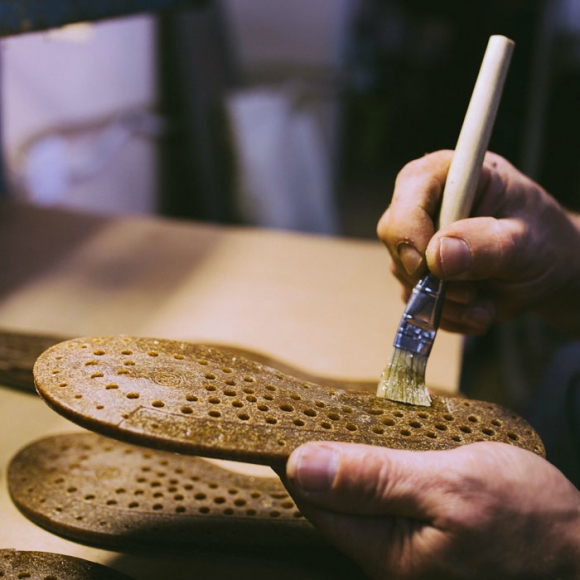
Shoe repair & footwear bonding
Shoe Repair, Footwear Manufacture, Orthotics and Workshop Bonding
When you need a dependable bond across leather, rubber, EVA, soling materials and selected plastics, contact cement adhesives are often the practical starting point.
This category page is for customers comparing products, understanding the difference between primers, cleaners and glues, and choosing the right adhesive route for repair benches, workshops and orthotic production.
What are contact adhesive cements?
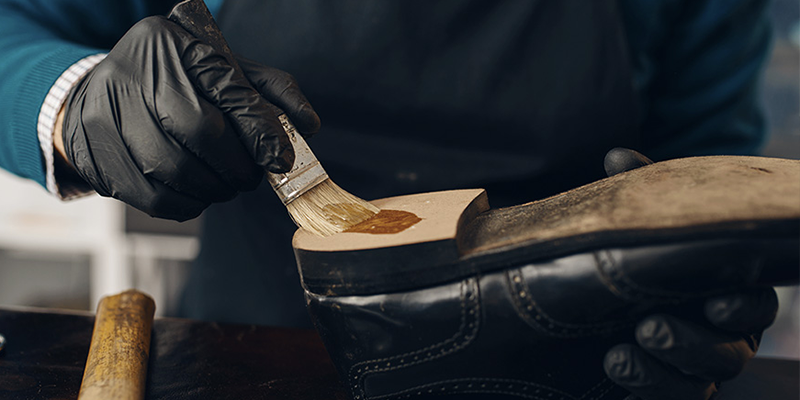
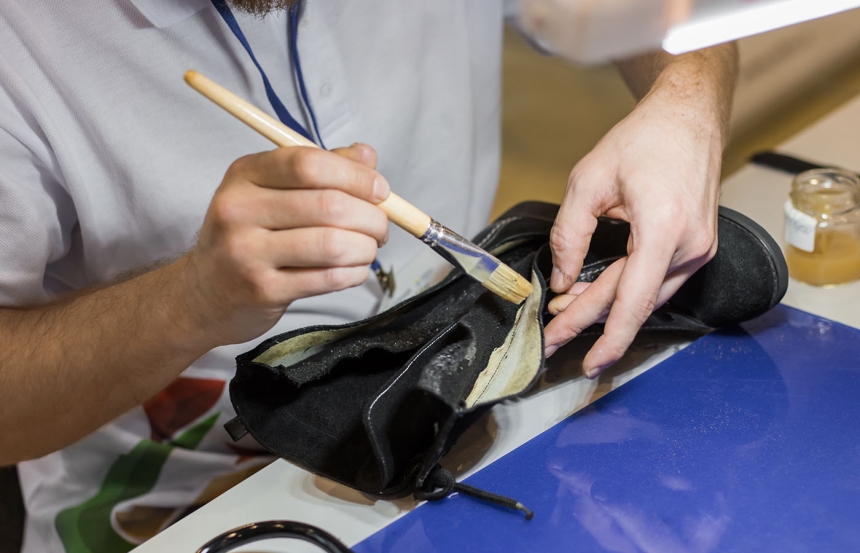
Contact adhesive cements are designed to bond two surfaces instantly once both sides have been coated, allowed to go tacky, and then pressed together. Unlike ordinary glue, you usually apply them to both materials, wait a few minutes for the solvent to flash off, then join the parts.
They are commonly used for bonding laminates, rubber, leather, foam, wood, metal, and some plastics where a strong, immediate grab is needed.
The main point is speed and grab. Once the two coated surfaces touch, there is usually very little chance to reposition them, so accuracy matters.
Contact cements are popular in footwear, upholstery, furniture, and workshop use because they create a flexible, durable bond, but they also need good ventilation during use because many types contain strong solvents.
Why workshops choose them
Contact adhesive cements are widely used in workshops because they handle a broad range of repair, assembly and manufacturing jobs. They are suitable for leather, rubber, and many common footwear materials, making them a practical choice for shoe repair, orthotic work and general production.
They are available in large tins for busy workshop use and smaller packs for precision or lower-volume tasks. For harder-to-bond surfaces, they can also be used with specialist primers to improve surface preparation and help achieve a stronger, more reliable bond.
Where they fit
- General shoe repairs and sole re-bonding.
- Orthotic cover and posting work.
- Leather goods repair and component attachment.
- Bench work involving rubber sheet, sole units and lining materials.
What to keep in mind
- Material compatibility should always be checked before use.
- Surface preparation can be as important as the adhesive itself.
- Some materials benefit from a dedicated primer or preparer.
- Cleaning and thinning products can support a more consistent finish.
Types of contact adhesive cements and bonding products
General rubber contact adhesives
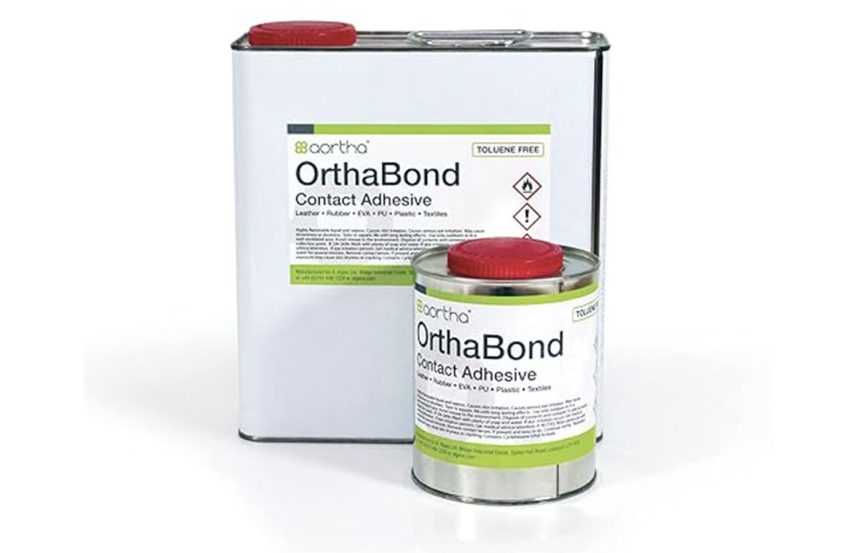
For everyday workshop bonding on common footwear materials, products such as OrthaGrip, Actigrip and OrthaBond 5L are typical starting points.
MEK-free options
Where customers are comparing lower-solvent or alternative chemistry options, the Renia range includes Colle de Cologne and Syntic-type solutions within the wider Renia collection.
Plastic and difficult-surface adhesives
Where more demanding substrates are involved, Renia Ortec is positioned specifically for plastic-related bonding tasks.
Primers, preparers and cleaners
Preparation products such as OrthaPrime, Renia Primer for PUR, Rehagol and Orthasolve can support cleaner, more material-specific bonding workflows.
Common materials and glue types
| Material or task | What to look for |
|---|---|
| General shoe repair, sole work and everyday bonding | Reliable contact adhesive suited to regular workshop use |
| Rubber components, latex and flexible repairs | Rubber-compatible bond, often supported by primer |
| Poron, PU and other difficult foams | Preparation is often important before bonding |
| Plastic trims or mixed synthetic materials | Adhesive designed for more demanding surfaces |
| Leather uppers, linings and repair work | Consistent hold plus good surface prep |
| Bench cleaning, thinning and adhesive tidy-up | Cleaner or remover that fits the process |
How to choose the right adhesive cement
Identify the substrates
Start with the materials you need to bond: leather, rubber, EVA, PU, Poron, plastic or a mixed combination. This narrows the shortlist quickly.
Decide if you need a general or specialist product
For routine jobs, a workshop staple may be enough. For plastics or more difficult surfaces, move into specialist adhesive options.
Check whether a primer is advised
Some surfaces need preparation before adhesive is applied. Products such as OrthaPrime or Renia Primer for PUR may be helpful.
Match pack size to your workflow
High-throughput workshops may prefer 5-litre formats, while occasional repair work may suit smaller sizes.
Support the process with cleaners and tools
Preparation and finishing matter. Add adhesive cleaner/thinner and suitable application brushes for a tidier result.
Practical buying notes
For general shoe repair benches: start in the main contact adhesive and compare large-format workshop tins with smaller packs.
For orthotic fabrication: consider whether the cover, posting or shell materials call for a primer-first approach, especially with PU and Poron-type foams.
Helpful guides and related areas
How to use contact adhesives
A clear starting point for process, handling and workshop application.
Transparent bonding advice
Useful when finish quality matters and visible adhesive lines are a concern.
Repairing difficult footwear jobs
Primer-led advice for more demanding surfaces and shoe repair tasks.
Browse the wider adhesive range
See related bonding products beyond standard contact adhesives.
Popular brands and product families
Aortha workshop adhesives
Practical options for everyday bonding, preparation and clean-up, including OrthaBond, OrthaGrip and OrthaPrime.
Renia adhesives and primers
Explore Multi Colle, Colle de Cologne, Ortec and the wider Renia range.
Frequently asked questions
What is the difference between a contact adhesive and a specialist shoe adhesive?
Contact adhesives are often the broad, workshop-friendly option for bonding two prepared surfaces. Specialist shoe adhesives may be better where material compatibility is more demanding, such as plastics or particular synthetic constructions.
Do I always need a primer before using contact adhesive?
No. It depends on the material. Rubber, PU, Poron and other harder-to-bond surfaces may benefit from a primer or preparer, while some routine jobs may not need one.
Which products are useful for rubber and latex materials?
Customers often compare options such as OrthaGrip, Renia Gummilosung and Rehagol depending on the exact job and preparation method.
Is there a MEK-free option in the range?
Yes. Renia products such as Colle de Cologne are included for customers specifically comparing MEK-free options.
What should I use for cleaning or thinning adhesive?
For workshop support, a dedicated product such as Orthasolve can help with cleaning and thinning tasks where appropriate for the product workflow.
Can contact adhesives be used for orthotic fabrication?
They are commonly considered for orthotic and insole workshop tasks such as attaching top covers or bonding selected layers, but the right product depends on the materials in the build and whether a primer stage is needed.
Where should I start if I am new to footwear bonding?
References
Written by Marc Cameron - Product Director and Product Category Contributor
Latest Articles
-

March 18, 2026
-
January 22, 2026
When your favourite pair of shoes starts to come apart, you don’t always need to replace them - sometimes, the right adhesive can give them a new lease of life.
-
January 10, 2026
Most shoe adhesives fail for a straightforward reason: footwear is constantly in motion. Soles flex, uppers twist, temperatures change, and every step puts stress on the bond. Orthabond Contact Adhesive is designed for this reality, offering a workshop-ready contact cement that delivers strong, flexible, and consistent repairs across common footwear materials. -
January 08, 2026
Shoe repairs are brutal on glue. Every step flexes the bond, moisture tries to creep in, and outdoor grit does its best to finish the job. That’s why contact adhesives are a go-to for cobblers and workshops: they’re designed to create a strong, flexible, durable bond across common footwear materials (rubber, leather, EVA, synthetics) when applied correctly.
Sold: Each
Incl. VAT Exl. VAT