




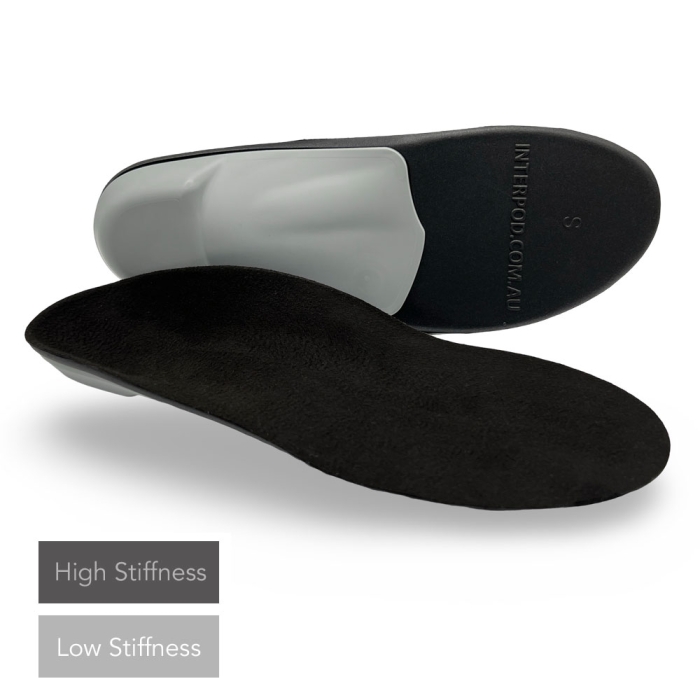
Interpod Flex Foot Orthotics with Heel Cup
The original flexible polypro foot orthotic. Now available in 2 forces with added rearfoot heel cup.
Two stiffness options for high and low force devices based on patient requirements
The lateral heel cup design helps eliminate pronation moments around the subtalar joint.
Supplied with optional self-adhesive covers for added comfort and hygiene.
Children's (kids) sizes available for this model.
Sold: Pair
Incl. VAT Exl. VAT
Product Description
Interpod - the closest alternative to custom foot orthotics
Interpod Flex Foot Orthotics are widely regarded as the closest alternative to custom orthotics - combining advanced polypropylene technology with clinically driven design.
For podiatrists and patients seeking reliable biomechanical control without the wait or cost of fully bespoke devices, Interpod Flex delivers a powerful solution.
Designed using innovative NeuroFlex polypropylene, this flexible, semi-rigid orthotic offers superior arch support, rearfoot control and long-term durability.
Whether managing overpronation, supination resistance issues, plantar fasciitis or complex cavus foot types, Interpod Flex provides predictable control in a slim, lightweight device suitable for everyday and athletic footwear.
What Are Interpod Flex Orthotics?
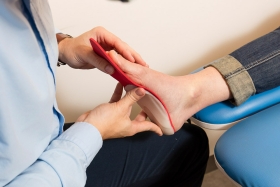
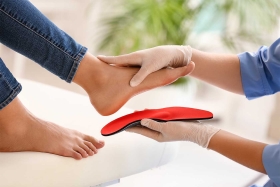
Interpod Flex are prefabricated polypropylene foot orthotics engineered to deliver biomechanical control similar to custom devices. Unlike soft foam insoles, these semi-rigid shells actively guide foot motion, support the midfoot and stabilise the rearfoot.
They are supplied in pairs and available in two stiffness levels, allowing clinicians to match device force to patient presentation. With a neutral shell profile and integrated rearfoot heel cup, Interpod Flex is ideal where posting provides minimal benefit and controlled functional correction is preferred.
- A first-line orthotic intervention
- A cost-effective alternative to custom orthotics
- A durable long-term solution
- A diagnostic or trial orthosis before custom manufacture
How Do Interpod Flex Orthotics Work?
Interpod Flex devices are designed around biomechanical force control principles, offering targeted stability where it matters most.
1) Rearfoot Control
The integrated heel cup helps reduce pronation moments around the subtalar joint. By stabilising the calcaneus, the device supports improved alignment and more efficient movement up the kinetic chain.
2) Midfoot Support
The semi-rigid polypropylene shell provides structured arch support without excessive bulk. This helps redistribute load and reduce strain on soft tissues such as the plantar fascia and posterior tibial tendon.
3) Supination Resistance Management
Available in high and low stiffness options, Interpod Flex allows clinicians to match device stiffness to the patient’s supination resistance profile. This is especially useful when GIB test results and forefoot stiffness influence orthotic selection.
4) First Ray Accommodation
The 1st ray cut out and declination features support functional forefoot mechanics, encouraging improved first ray plantarflexion where clinically appropriate.
The result is a device that delivers control, adjustability and comfort — without the overly rigid feel of traditional hard plastic orthoses.
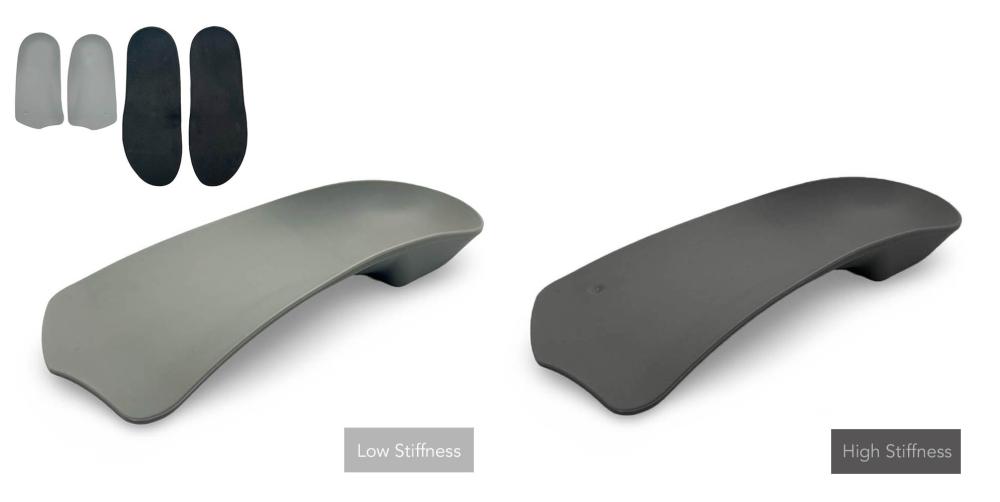
High vs Low Stiffness – How to Choose
A key innovation within the Interpod Flex range is force selection through two polypropylene stiffness options.
HIGH Stiffness – Dark Charcoal Grey
Recommended for:
- High supination resistance results
- Highly active individuals
- Heavier patients
- Patients requiring full support without increased shell height
- Cases requiring stronger midfoot and rearfoot control
This option provides greater resistance to deformation, offering enhanced control during dynamic activity.
LOW Stiffness – Light Grey
Recommended for:
- Low supination resistance
- Increased forefoot stiffness
- Less active individuals
- Lighter patients
- Patients with low-level tolerance to orthotic devices
The lower stiffness assists forefoot rotation about the fifth metatarsal, supporting improved GIB test outcomes while maintaining moderate support.
Clinical Design Features Explained
Interpod Flex includes multiple clinically driven design elements rarely found together in prefabricated orthotics:
- NeuroFlex Polypropylene Shell: Semi-rigid, grindable and durable for long-term performance
- Dual Control Zones: Midfoot and rearfoot support areas for balanced correction
- Neutral Shell Design: Ideal where posting offers limited benefit
- Shank Dependent and Independent Compatibility: Works across a range of footwear constructions
- Cuboid Notch: Helps reduce irritation and supports lateral column comfort
- Deep Heel Cup: Provides full rearfoot support and stability
- 1st Ray Cut Out: Facilitates improved forefoot function
- 1st Ray Declination: Supports efficient loading patterns through propulsion
- Plantar Fascial Groove: Reduces localised pressure on the plantar fascia
Conditions Interpod Flex Can Help Manage
Interpod Flex orthotics are indicated for a wide range of lower limb conditions where improved alignment and control are required:
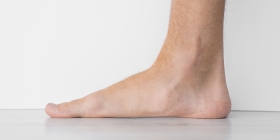
- Overpronation and Flat Feet: Supports the medial longitudinal arch and reduces excessive pronation
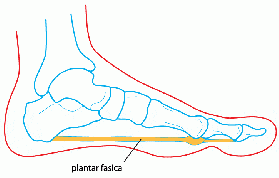
- Plantar Fasciitis: Helps reduce strain through structured arch support and a plantar fascial groove
- Posterior Tibial Tendon Dysfunction (PTTD): Rearfoot control supports reduced stress on the posterior tibial tendon
- Pes Cavus (High Arches): Improves load distribution in rigid foot types
- Cavovarus Foot: Assists with stabilisation and lateral column control
- Shin Splints: Supports lower limb alignment and may reduce tibial stress
- Lateral Ankle Instability: Heel cup stability helps reduce recurrent inversion stresses
Because the device is durable and adjustable, it can be adapted as clinical needs evolve.
Interpod Flex vs Custom Orthotics
Many practitioners ask whether prefabricated orthotics can match the effectiveness of custom devices. Interpod Flex is specifically developed to bridge that gap.
| Feature | Interpod Flex | Custom Orthotics |
|---|---|---|
| Cost | Lower | Higher |
| Availability | Immediate | Typically 2–3 weeks |
| Adjustability | Grindable polypropylene | Fully bespoke |
| Rearfoot Control | Integrated heel cup | Customised |
| Durability | Years (replace covers only) | Long-term |
| Typical Clinical Use | First-line or long-term | Advanced / complex cases |
Why Choose Polypropylene Orthotics?
Polypropylene remains one of the most trusted orthotic materials in podiatry due to its durability and performance over time. Compared with softer materials that can compress and fatigue, polypropylene shells maintain shape and control for far longer.
- Long-lasting structural integrity
- Controlled flexibility for comfort and function
- Easy to grind and adjust for precise fit
- Resistant to compression fatigue
- Excellent value over the life of the device
Interpod Flex shells are built to last for years — simply replace covers as needed.
Professional Advantages for Clinics
Interpod Flex offers real-world advantages for busy podiatry and allied health clinics:
- Immediate dispensing (no lab turnaround)
- Reduced chair time
- Easy chairside modification
- Ideal for trial orthotic therapy
- Professional non-branded finish
- Optional self-adhesive covers for hygiene and comfort
Frequently Asked Questions
Are Interpod Flex orthotics as effective as custom orthotics?
For many patients, yes. They provide strong biomechanical control and can be adjusted by professionals to suit individual needs, making them an excellent alternative in a wide range of cases.
Can Interpod Flex be modified?
Yes. The NeuroFlex polypropylene shell is designed to be ground and adjusted by clinicians for a more precise fit.
How long do Interpod Flex orthotics last?
The shell can last for years with normal use. Covers can be replaced periodically to maintain comfort and hygiene.
Are they suitable for sports and active use?
Yes. The thin and lightweight profile makes them suitable for most sports shoes and everyday footwear.
Do they help plantar fasciitis?
They can help by supporting the arch and reducing strain through the plantar fascial groove and controlled midfoot support.
Technical Overview
- Material: NeuroFlex Polypropylene
- Stiffness Options: High (Dark Charcoal Grey) and Low (Light Grey)
- Design: Neutral shell
- Control Areas: Midfoot and rearfoot
- Heel Cup: Integrated rearfoot control
- Covers: Optional self-adhesive, non-branded covers
- Supplied: Sold in pairs
The Closest Alternative to Custom Orthotics
Interpod Flex Foot Orthotics combine force selection, rearfoot control and durable polypropylene construction in one adaptable device. Whether used as a first-line intervention, a diagnostic orthosis or a long-term solution, they deliver dependable biomechanical performance.
For clinicians seeking a reliable prefabricated orthotic with true functional control, Interpod Flex remains the benchmark.
Frequently bought together
Sold: Sold per Pair
Incl. VAT Exl. VAT
Sold: Sold per Pair
Incl. VAT Exl. VAT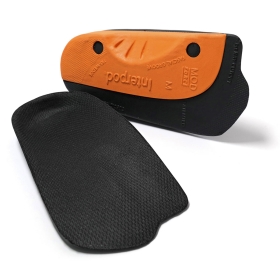
Sold: Sold per Pair
Incl. VAT Exl. VAT
Sold: Sold per Pair
Incl. VAT Exl. VAT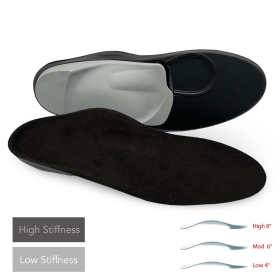
Sold: Sold per Pair
Incl. VAT Exl. VAT
Sold: Sold per Pair
Incl. VAT Exl. VAT
Sold: Sold per Pair
Incl. VAT Exl. VAT
Sold: Sold per Pair
Incl. VAT Exl. VAT
Sold: Sold per Pair
Incl. VAT Exl. VAT
Sold: Pack of 5 Pairs
Incl. VAT Exl. VAT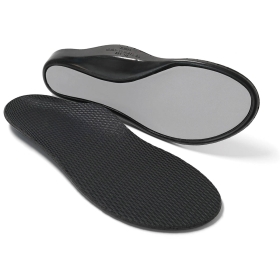
Sold: Sold per Pair
Incl. VAT Exl. VAT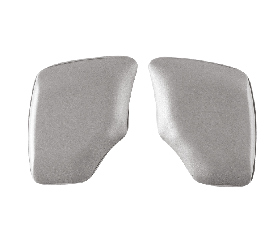
Sold: Pack of 5 Pairs
Incl. VAT Exl. VAT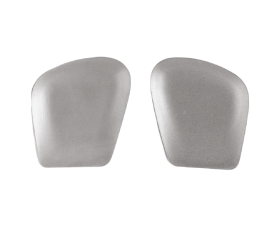
Sold: 5 Pairs
Incl. VAT Exl. VAT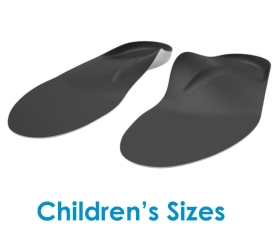
Sold: Sold per Pair
Incl. VAT Exl. VAT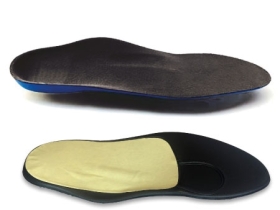
Sold: Sold per Pair
Incl. VAT Exl. VAT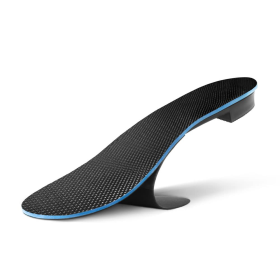
Sold: Pair
Incl. VAT Exl. VAT


Sold: Pair
Incl. VAT Exl. VAT