



With real reviews from happy customers
Most shoe adhesives fail for a straightforward reason: footwear is constantly in motion. Soles flex, uppers twist, temperatures change, and every step puts stress on the bond. Orthabond Contact Adhesive is designed for this reality, offering a workshop-ready contact cement that delivers strong, flexible, and consistent repairs across common footwear materials.
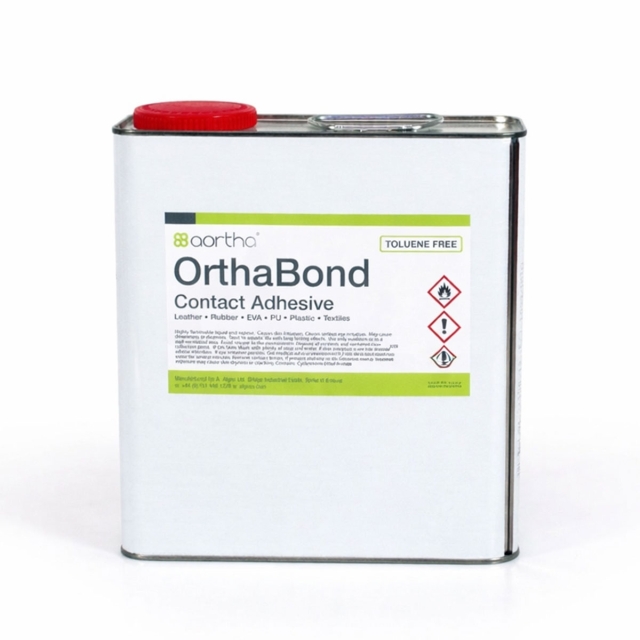
 Orthabond Contact Adhesive Glue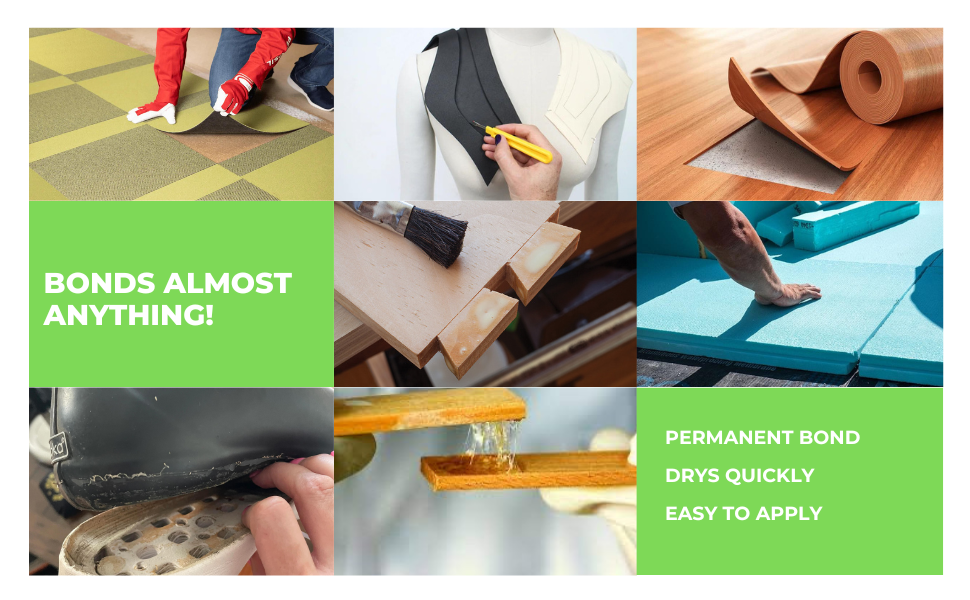
Definition
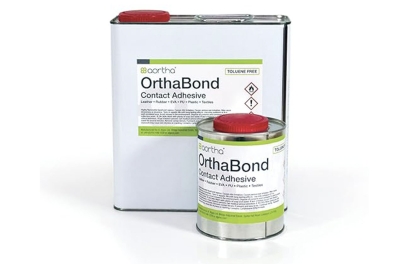
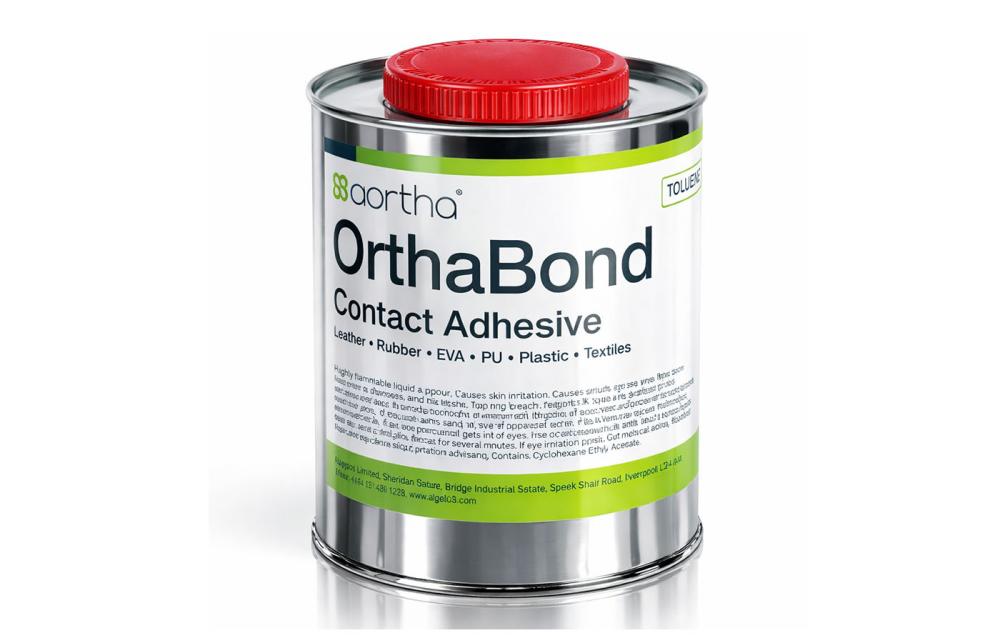
Orthabond is a high-strength contact adhesive (polychloroprene / neoprene base) used for permanent bonding in footwear repair, orthotic labs and general manufacturing. It is designed to bond on contact after a tack-off period, rather than curing slowly under clamps.
How Orthabond works - and why it matters for shoes
A shoe repair adhesive has to cope with shear forces (the sole sliding under load), peel forces (the edge lifting), heat (warm pavements and foot temperature) and repeated flexion. Standard 'instant' glues can feel impressive for small rigid items, but on footwear they often become brittle and crack along the bond line.
Orthabond uses the classic contact-adhesive approach: apply a thin, even coat to both surfaces, allow it to tack (often around 15-20 minutes depending on materials and conditions) then press together firmly. The immediate bond is what makes contact adhesives a bench staple for cobblers and repair techs.
On the Algeos product page Orthabond is positioned as a very high strength multipurpose adhesive for shoes, leather, rubber, foams and plastics with no need for clamping or support, plus good heat resistance for post-bond finishing tasks.
Orthabond is also described as toluene free and Algeos notes it has passed an independent SATRA test for effectiveness as a contact adhesive for foams. Those details matter if you are bonding midsoles, EVA components or foam layers where weaker adhesives can creep or fail.
Product links: Contact Adhesives | Specialist Shoe Adhesives | Adhesive Remover
What users say (Amazon and Algeos.com)
“Best” should never be a purely marketing claim. The real test is whether the adhesive behaves predictably on real shoes with real wear patterns. Orthabond has a strong volume of feedback on Amazon (193 global ratings shown on the listing) and a high review score and multiple verified customer reviews on Algeos.
Amazon review highlights
“It’s flexible, strong and easy to apply, as well as quick drying.”
Verified purchase review (UK), referencing work boot sole repairs.
“Used this glue to re-stick the soles… Easy to apply and so far so good, in rain or shine.”
Verified purchase review (UK), multiple shoe repairs.
“Perfect for larger jobs… it needed to be clamped over night.”
Verified purchase review (UK), noting stringiness and longer set behaviour on some jobs.
That last point is useful: it reminds you that technique matters. Contact adhesives succeed when applied thinly, allowed to tack properly and joined under firm pressure. If you join too wet, apply too thickly or fail to prep the surfaces, performance drops.
Algeos review highlights
“Great glue very fast action holds excellent professional use.”
Verified customer review on Algeos.
“I have finally found the one that will do the trick.”
Verified customer review on Algeos, describing leatherwork bonding success.
“I use it for leather, very strong and easy to work with!”
Verified customer review on Algeos.
Step-by-step: how to get a long-lasting shoe repair with Orthabond
The best adhesive can still fail if the bond line is contaminated, glossy or joined at the wrong time. Use this process for consistent results on trainers, boots and everyday footwear.
- Diagnose the failure
If the sole is peeling at the edge, you are fighting peel forces. If the whole sole is slipping, you are fighting shear. Either way you need clean surfaces and full contact. - Remove old glue
Strip away loose adhesive mechanically. For stubborn residue, use heat or an appropriate solvent based method suitable for the materials, then allow to fully dry. - Roughen both surfaces
Sand, grind or roughen to increase surface area and remove glossy factory finishes. Algeos explicitly lists roughening as step one for maximum bonding. - Clean properly
Remove dust, fibres and debris. Bond lines fail most often due to contamination. - Apply thin, even coats to both sides
Orthabond is designed for thin layers on each surface. Thick coats slow solvent release and reduce bond quality. - Let it tack off
A common working window is around 15-20 minutes depending on porosity, humidity and temperature. If you join too early, the bond can feel rubbery and weak. - Join once tacky, then press firmly
Align carefully because contact bonding grabs quickly. Press hard across the full bond area (hands, roller or a firm object). Algeos recommends pressing and holding for around one minute. - Allow time for maximum strength
The repair will often hold immediately, but maximum adhesion is reached in about 24 hours. For heavy boots, give it that full window before hard wear.
Comparison tables
| Feature that matters in shoe repair | Why it matters | How Orthabond addresses it |
|---|---|---|
| Bond strength on mixed materials | Soles often combine rubber, EVA and PU with coated uppers. | Listed for EVA, leather, rubber, PU, cork, plastics and textiles. |
| Fast bench workflow | Repairs need predictable tack and join timing. | Drying time guidance around 15-20 minutes with contact bonding. |
| Durability after wear | Footwear flexes and heats repeatedly. | Described as strong and long-lasting with good heat resistance. |
| Value for regular repairs | If you repair frequently, cost per job matters. | Featured by Algeos as “best value everyday shoe glue” in its guide. |
| Adhesive type | Typical strengths | Typical weaknesses in shoes | Where Orthabond fits |
|---|---|---|---|
| Contact adhesive (neoprene) | High tack, strong shear resistance, flexible bond line | Technique sensitive (prep, thin coats, tack timing) | Orthabond is a polychloroprene contact adhesive with a defined tack window. |
| Cyanoacrylate (superglue) | Fast set on rigid parts, easy small fixes | Can become brittle, weak on flex zones | Orthabond is preferred where flex and peel resistance matter. |
| PU sealants / flexible sealant adhesives | Good gap filling, flexible cure | Often slower cure and messy on thin bond lines | Orthabond suits clean, thin sole bonding where immediate hold is useful. |
Safety and best practice
Orthabond is formulated for professional use. Like many solvent-based contact adhesives it comes with hazards you should respect: the Amazon listing highlights flammability and irritation warnings, while the Orthabond Safety Data Sheet describes irritation risks and good handling practice. Use in a well ventilated area, keep away from ignition sources and avoid skin and eye contact.
If you are repairing shoes for other people in a workshop setting, write your process down. Consistency in prep, tack timing and pressing pressure is what turns a “good glue” into a reliable repair service.
FAQ
Is Orthabond actually 'the best' shoe glue?
For most everyday sole and upper bonding tasks, Orthabond earns that label because it is strong, flexible and repeatable when used as intended. We beleive it is a best value everyday shoe glue option. You view all our contact adhesives here.
What is the biggest reason shoe repairs fail?
Poor preparation. Old glue, glossy finishes and dust stop adhesives from wetting the surface. Follow the roughen, clean, thin coat and tack process.
Do I need to apply glue to both surfaces?
Yes. Orthabond is a contact adhesive, so it is designed to be applied to both surfaces, allowed to tack and then joined.
How long should I wait before wearing the shoes?
The bond forms on contact after the tack stage, but maximum adhesion is typically reached within 24 hours. For heavy boots or high-stress edges, wait the full day.
Can Orthabond be used on foam midsoles and EVA?
Algeos lists EVA among compatible materials and notes SATRA testing for foam effectiveness. Proper surface prep is still essential.
What if the glue strings or feels messy?
Apply a thinner coat and use a brush or spreader suited to contact adhesives. One Amazon reviewer notes it can be “messy” and stringy, especially on delicate jobs.
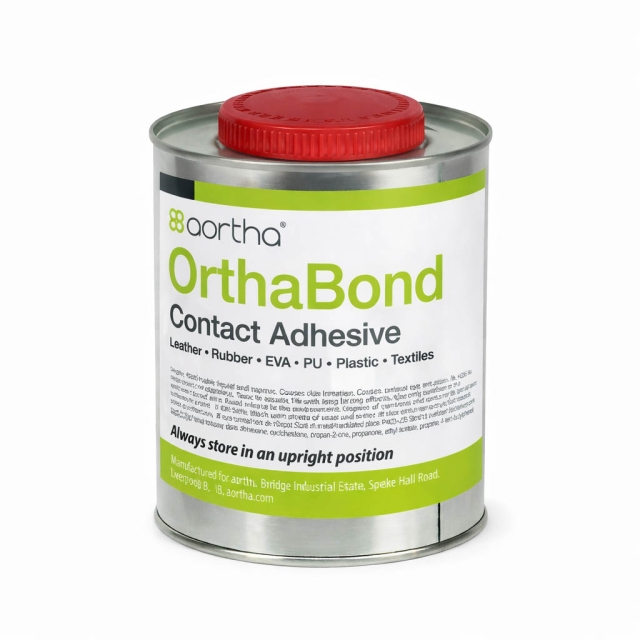
Sold: 1 Litre
Incl. VAT Exl. VAT