



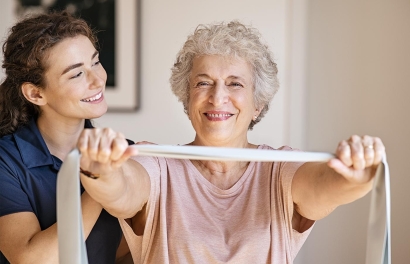
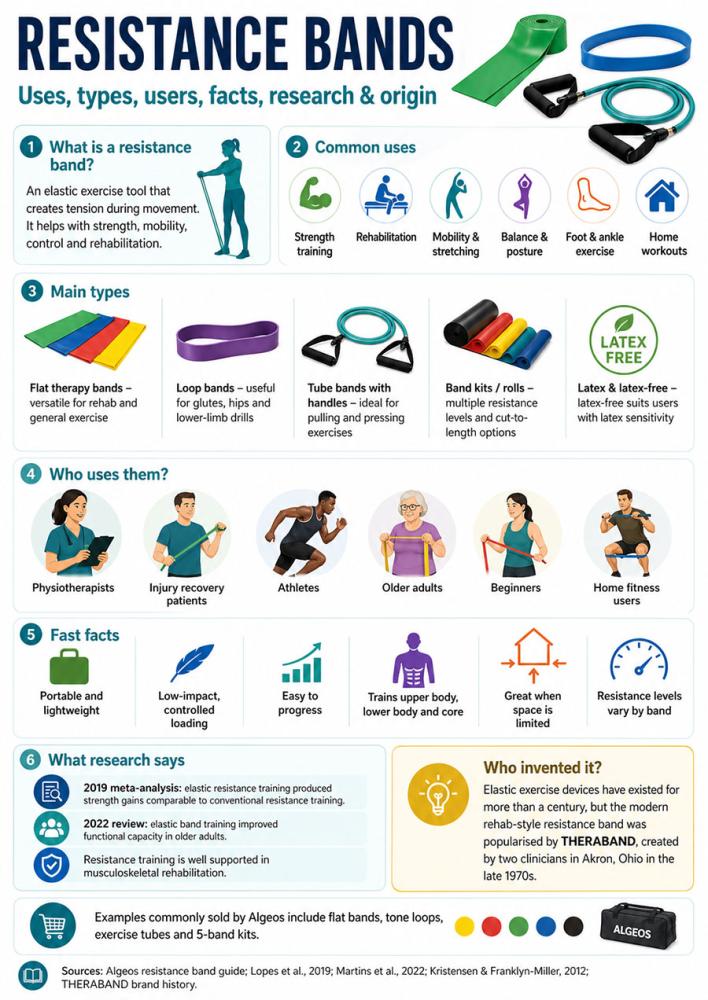
Resistance bands are simple, lightweight exercise bands used to improve strength, flexibility, mobility and movement control. They are commonly recommended by physiotherapists, GPs, podiatrists and rehabilitation professionals because they allow people to exercise safely at home without needing large gym equipment.
For many home users, resistance bands first appear after a physio appointment: “Do these exercises twice a day with this band.” Fair enough - but what exactly is the band doing, and why does it help?
In simple terms, a resistance band adds gentle load to a movement. Your muscles have to work against that load, helping them become stronger, more controlled and better prepared for everyday activity.
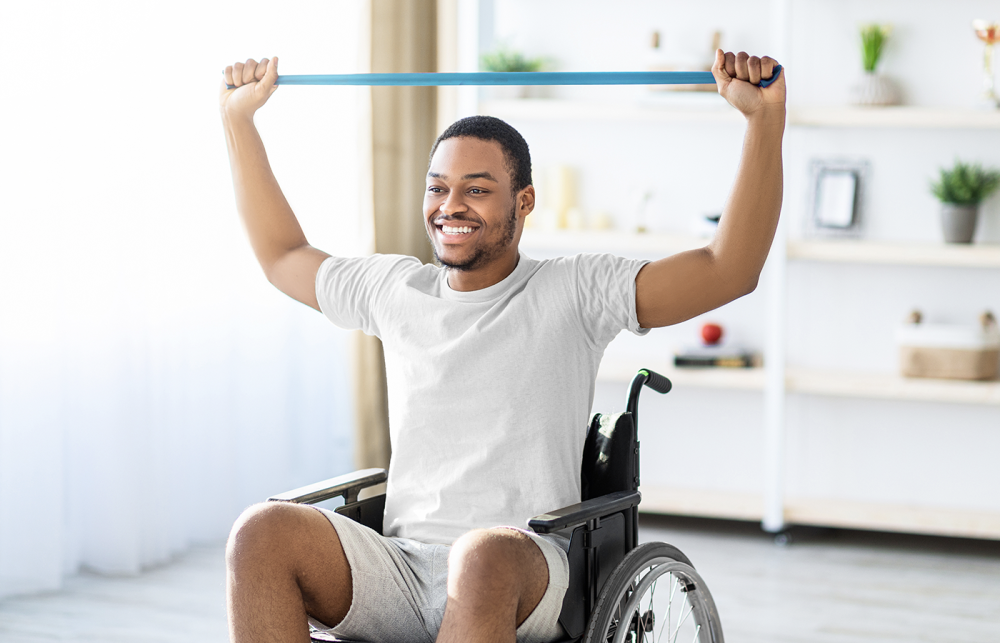
In brief: resistance bands are used for rehabilitation, strengthening, stretching, balance work, mobility exercises, injury recovery and general home fitness. They are especially useful when an exercise needs to be gentle, progressive and easy to repeat at home.
What is a resistance band?
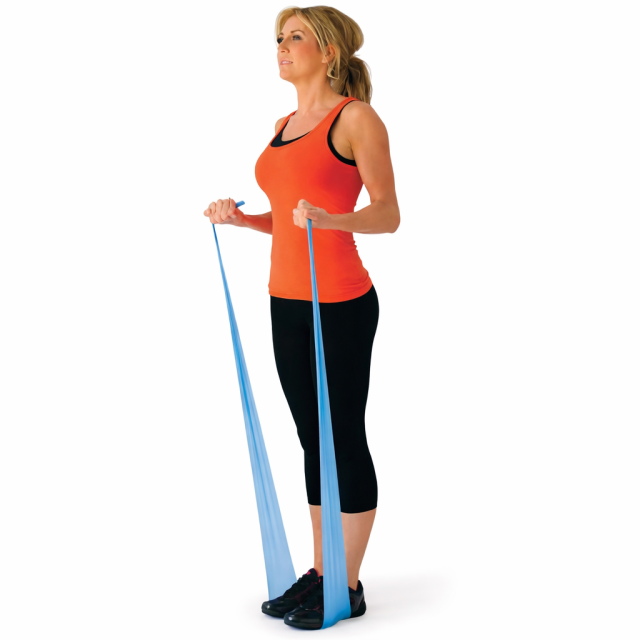
A resistance band is an elastic exercise tool that creates resistance when stretched. The further it stretches, the more effort is usually needed to control the movement. This makes it different from a fixed weight, such as a dumbbell, because the resistance changes throughout the movement.
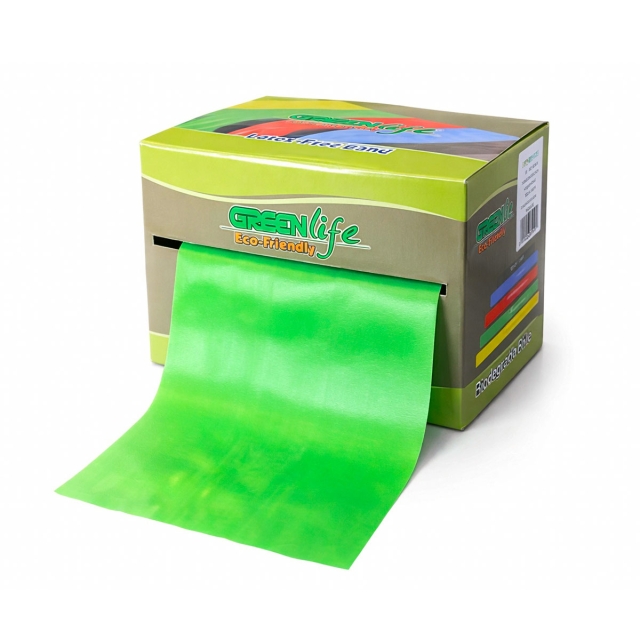
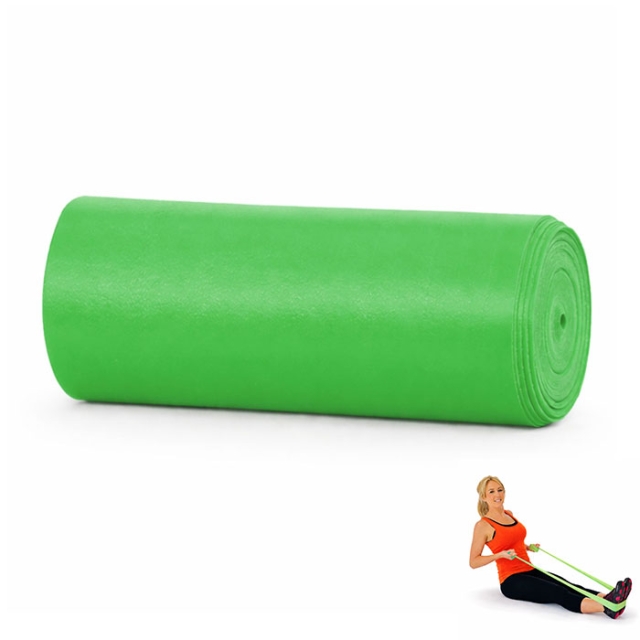
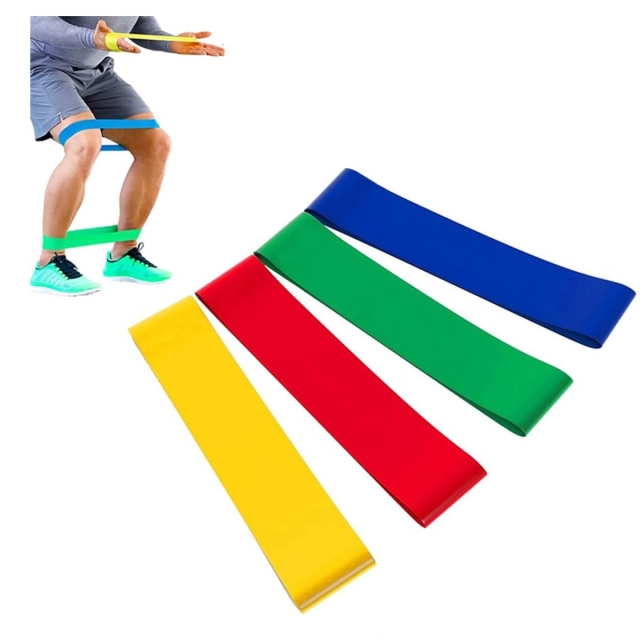
Resistance bands are available in several forms, including flat bands, loop bands, exercise tubes and full resistance tube kits. Algeos supplies a wide range of resistance bands for exercise, rehabilitation and home fitness, including flat physio bands, tone loops, tube bands and multi-level kits.
What are resistance bands used for?
Resistance bands can be used for a wide range of exercises, from early-stage rehabilitation through to more challenging strength training. For home users, they are most often used as part of a structured exercise plan from a physiotherapist, GP, podiatrist or other healthcare professional.
1. Rehabilitation after injury
One of the most common uses for resistance bands is injury rehabilitation. After an injury, muscles can become weak, stiff or poorly coordinated. A band allows gentle, controlled strengthening without placing the body under excessive load too quickly.
They may be used during recovery from ankle sprains, knee pain, shoulder problems, hip weakness, back-related deconditioning or general muscle weakness after a period of reduced activity. The aim is usually to rebuild strength gradually, not to “smash out” a gym session like a fitness influencer in neon leggings.
2. Strengthening weak muscles
Resistance bands are useful when a specific muscle group needs strengthening. Your physio may prescribe band exercises to target the glutes, calves, thighs, shoulders, arms, feet or core muscles. Because the band can be adjusted by changing hand position, band length or resistance level, it is easy to make an exercise easier or harder.
For general home strengthening, products such as the Physioworx Resistance Band Set - 5 Band Kit provide multiple resistance levels, making it easier to progress as strength improves.
3. Improving mobility and flexibility
Resistance bands are not only for strengthening. They can also support stretching and mobility work. A flat band can help with hamstring stretches, calf stretches, shoulder mobility exercises and controlled range-of-motion movements.
This is particularly helpful for people who struggle to reach certain positions comfortably. For example, using a band around the foot can help guide a leg stretch without needing to bend forward too far.
4. Supporting physiotherapy exercises at home
Many physiotherapy plans rely on repetition. The best exercise programme in the world is not much use if it only happens once in the clinic and then disappears into the “I’ll do it later” drawer. Resistance bands make home exercise easier because they are affordable, portable and simple to store.
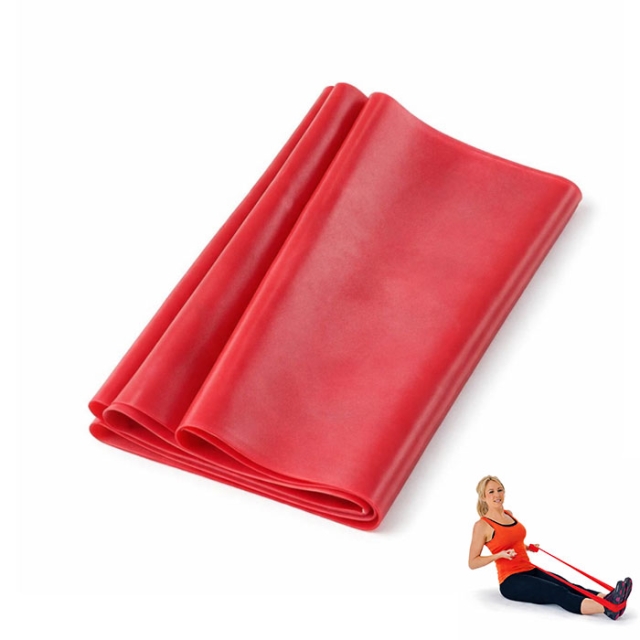
The Physioworx NHS Resistance Band - 1.2m Length is a ready-made flat band option designed for rehabilitation, physiotherapy, mobility work, stretching and strength training. It is well suited to home users who have been advised to carry out controlled exercises between appointments.
5. Foot, ankle and plantar fasciitis exercises
Resistance bands are often used for foot and ankle strengthening. They can help with exercises such as resisted ankle movements, toe flexion work and small muscle strengthening in the foot.
For people dealing with heel pain or plantar fasciitis, strengthening and stretching exercises may be part of a wider management plan. Algeos has a guide to plantar fasciitis exercises with a resistance band, as well as a wider home therapy guide for plantar fasciitis.
6. Balance and movement control
Strength is important, but control matters too. Resistance bands can be used to train slow, steady movement, which is useful when improving balance, posture and coordination. A band can encourage the body to work against light resistance while maintaining good alignment.
This is why physios often use bands for hip stability, knee tracking, shoulder control and ankle rehabilitation. The goal is not just to make a muscle stronger, but to help it work at the right time and in the right way.
7. General home fitness
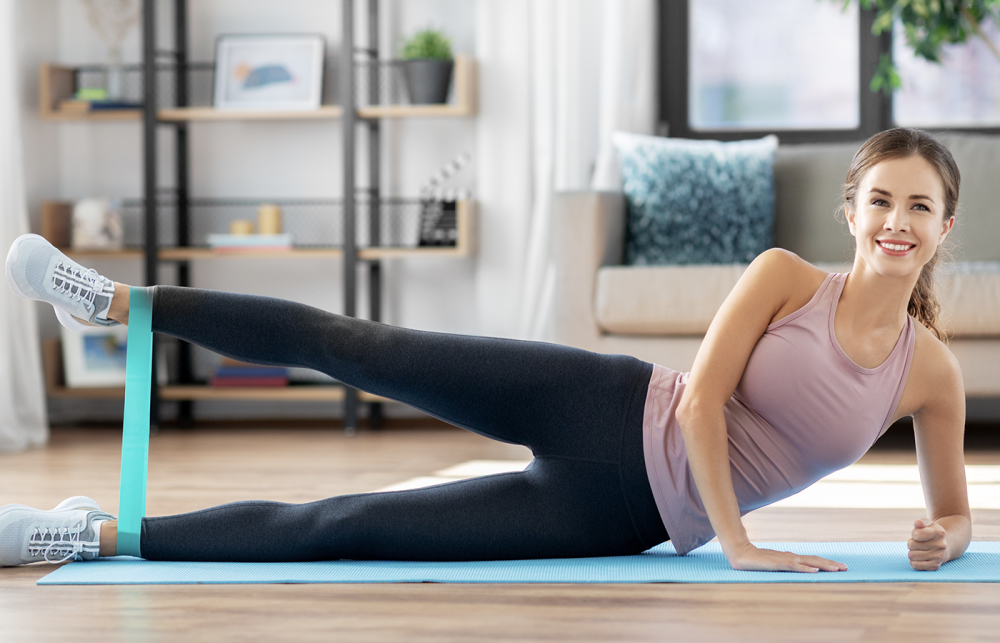
Resistance bands are also useful for people who simply want a practical way to exercise at home. They can be used for squats, rows, chest presses, bicep curls, shoulder raises, glute bridges, lateral walks and core exercises.
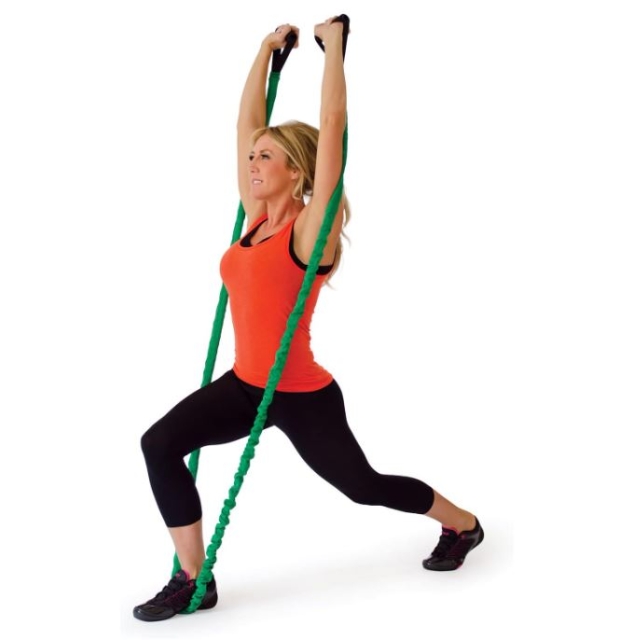
For users who want a more complete home exercise setup, the Resistance Tubes Exercise Kit includes multiple tubes, handles and a door anchor, offering a compact alternative to bulkier gym equipment.
Why do physios and GPs recommend resistance bands?
Healthcare professionals often recommend resistance bands because they are practical, progressive and easy to use at home. A good rehabilitation programme usually needs consistency. Resistance bands help users repeat exercises regularly without needing a gym membership or expensive equipment.
They are also easy to adapt. A beginner might start with a lighter band and a small range of movement. As strength and confidence improve, the resistance can be increased or the exercise can be made more challenging.
Good to know: resistance bands are not about forcing painful movement. They are usually used to build strength and control gradually. If an exercise causes sharp pain, worsening symptoms or unusual discomfort, stop and speak to your physiotherapist, GP or healthcare professional.
Types of resistance bands and what they are best for
| Type of resistance band | Best used for | Typical home user |
|---|---|---|
| Flat resistance bands | Physio exercises, stretching, mobility work and general strengthening | People following a rehab plan or starting gentle home exercise |
| Loop resistance bands | Hip, glute, knee, shoulder and lower-limb strengthening | Users doing strengthening, Pilates-style exercises or sports rehab |
| Resistance tubes with handles | Upper-body strengthening, rows, presses, arm exercises and gym-style movements | People wanting a more structured home workout option |
| Multi-band kits | Progressive strengthening across several resistance levels | Users who want one set that can progress over time |
Recommended Algeos resistance band options
For general physio exercises
The Physioworx NHS Resistance Band - 1.2m Length is a practical ready-made band for rehabilitation, stretching, mobility and strength exercises at home.
For progressive home exercise
The Physioworx Resistance Band Set - 5 Band Kit includes five resistance levels, making it useful for gradual progression as strength improves.
For latex-free use
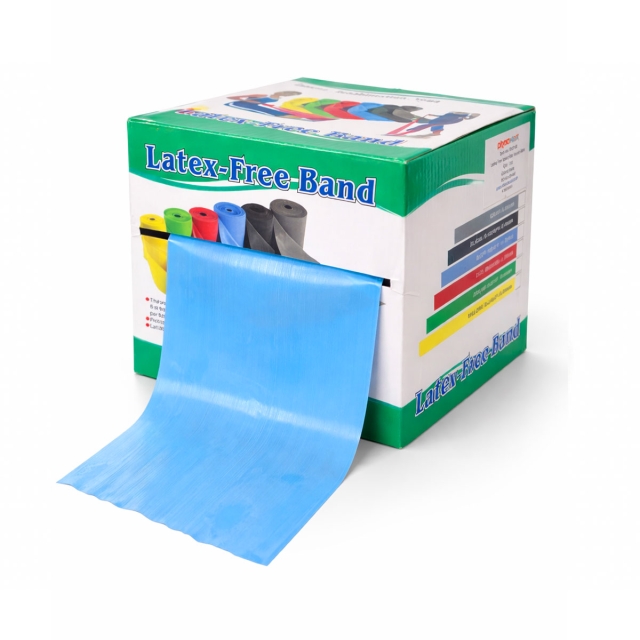
The Physioworx Latex-Free Resistance Bands are suitable where latex-free exercise products are preferred or required.
For lower-limb and fitness work
The Physioworx Tone Loop Resistance Bands are useful for hip, glute, leg, shoulder and general strengthening exercises.
For tube-based exercises
The Physioworx Latex-Free Exercise Tube can be used for mobility, rehabilitation and strengthening exercises where a tube format is preferred.
For a fuller home-gym setup
The Resistance Tubes Exercise Kit includes tubes, handles and accessories for a wider range of home strengthening exercises.
How to use resistance bands safely at home
Resistance bands are simple, but they still need to be used sensibly. Small mistakes, such as using too much resistance too soon or rushing through the movement, can reduce the benefit of the exercise.
Start with the right resistance level
The band should feel challenging but manageable. You should be able to control the movement without holding your breath, twisting awkwardly or compensating with other parts of the body. If you cannot move smoothly, the band may be too strong.
Move slowly and with control
Do not let the band snap back quickly. The return phase of the movement is often just as important as the pull phase. Slow, controlled movement helps train the muscle properly and reduces the risk of irritation.
Check the band before use
Look for small tears, thinning, cracking or damage before each session. If a band looks worn, replace it. This is especially important with older bands that have been stored in sunlight, heat or a very glamorous kitchen drawer full of mystery batteries.
Follow your prescribed plan
If a physio, GP or podiatrist has given you a specific programme, follow their advice on repetitions, sets and frequency. More is not always better. In rehabilitation, the right dose matters.
Safety note: stop exercising and seek professional advice if you experience sharp pain, swelling, numbness, dizziness, chest pain, sudden weakness or symptoms that worsen after exercise.
Simple examples of resistance band exercises
The right exercise depends on your condition, ability and professional advice. However, common resistance band exercises include:
- Ankle pulls: used for foot and ankle strengthening.
- Seated rows: used for upper-back and shoulder strengthening.
- Band pull-aparts: used for posture and shoulder control.
- Side steps with a loop band: used for hip and glute strengthening.
- Bicep curls: used for arm strengthening.
- Shoulder external rotation: often used in shoulder rehabilitation programmes.
- Calf and hamstring stretching support: used to assist flexibility work.
For users with heel pain, the Algeos plantar fasciitis resistance band exercise guide may be a useful supporting resource.
Are resistance bands good for older adults?
Resistance bands can be very useful for older adults because they allow gentle strengthening without heavy weights. They can be used seated, standing or supported, depending on balance and confidence. This makes them suitable for many home exercise programmes focused on maintaining strength, mobility and independence.
Older users should start gently and follow professional advice, especially if they have osteoporosis, recent surgery, joint replacements, balance problems or long-term health conditions.
Are resistance bands useful for plantar fasciitis?
Resistance bands may be useful as part of a wider plantar fasciitis management plan, especially where strengthening exercises have been recommended. They can help target small muscles in the foot and support controlled ankle and calf exercises.
However, plantar fasciitis usually needs a broader approach. This may include stretching, strengthening, footwear advice, load management, heel cushioning, orthotic insoles or other therapy aids. Algeos offers a dedicated plantar fasciitis product range and a guide to plantar fasciitis treatment at home.
How often should you use a resistance band?
This depends on the exercise and your reason for using the band. Some mobility or activation exercises may be recommended daily, while strengthening exercises may need rest days between sessions. If your physiotherapist or GP has given you a plan, follow that first.
As a general rule, exercises should feel controlled and repeatable. Mild muscle fatigue can be normal. Sharp pain, worsening symptoms or soreness that does not settle may be a sign that the exercise is too difficult, too frequent or not suitable for you at that stage.
Choosing the right resistance band
When choosing a resistance band, consider what you need it for. A flat band is often ideal for physio-style rehabilitation and stretching. A loop band is useful for hip, glute and lower-limb exercises. A tube with handles can feel more like traditional gym equipment. A kit with several resistance levels gives you more room to progress.
If you are unsure which option to choose, start with the product type recommended by your healthcare professional. You can also read the Algeos guide on how to choose the correct physio resistance band.
Frequently asked questions
What do resistance bands actually do?
Resistance bands make your muscles work against elastic tension. This helps build strength, improve control, support mobility and progress rehabilitation exercises.
Can beginners use resistance bands?
Yes. Resistance bands are often suitable for beginners because they are available in lighter resistance levels and can be used for simple, controlled exercises.
Are resistance bands better than weights?
They are not necessarily better, just different. Resistance bands are lightweight, portable and useful for rehabilitation and controlled movement. Weights may be better for certain strength goals. Many people use both.
Why has my physio given me a resistance band?
Your physio may have given you a resistance band to help strengthen a weak area, improve movement control, support recovery after injury or allow you to continue your exercises at home.
Can resistance bands help with knee pain?
They may help when knee pain is linked to weakness or poor control around the hip, thigh or lower limb. However, knee pain has many causes, so it is best to follow advice from a healthcare professional.
Can resistance bands help with shoulder pain?
Resistance bands are commonly used in shoulder rehabilitation, particularly for rotator cuff and shoulder blade control exercises. Use them only as advised if you have an existing shoulder problem.
How do I know if my resistance band is too strong?
If you cannot control the movement, your technique changes, you hold your breath or the exercise causes pain, the band may be too strong. Choose a lighter resistance or ask your physio for guidance.
Summary: what are resistance bands used for?
Resistance bands are used for rehabilitation, strengthening, stretching, mobility, balance, movement control and home fitness. They are popular with physiotherapists, GPs and other healthcare professionals because they are simple, portable and easy to progress.
For home users, the biggest benefit is convenience. A resistance band lets you continue your prescribed exercises between appointments, build strength gradually and keep moving without needing a full gym setup. Used properly, it is a small piece of equipment that can do a surprisingly big job.
Browse the full Algeos range of resistance bands, exercise tubes and rehab bands to find suitable options for home exercise, physiotherapy and rehabilitation programmes.
Sold: Roll
Incl. VAT Exl. VAT