




These adhesives create a robust bond between surfaces, ensuring durability and reliability in numerous applications. However, like any material, they come with their own set of properties and limitations that users need to understand for effective use.
How they work
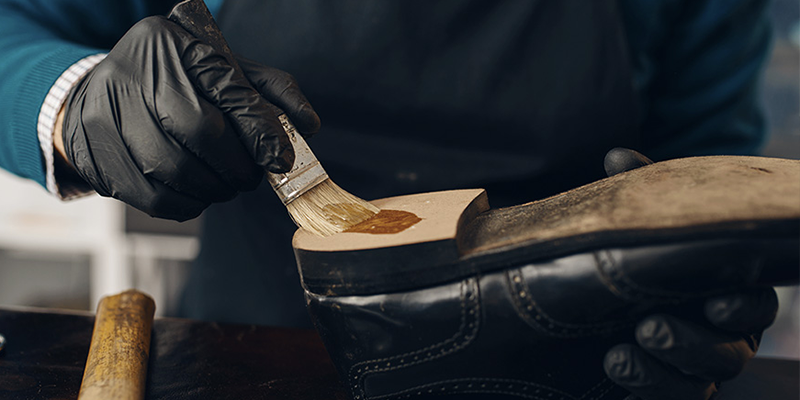
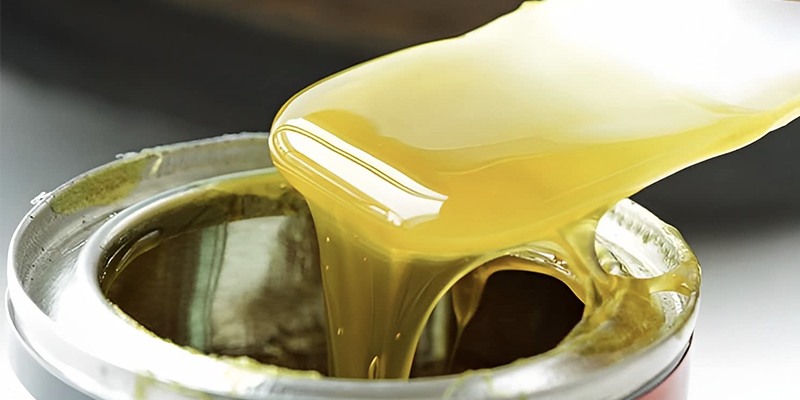
Contact adhesives work by applying the adhesive to both surfaces that need to be bonded. After application, it’s crucial to allow the adhesive to dry to a tacky state before pressing the surfaces together.
This drying period enables the adhesive to develop the necessary bonding properties. Once the surfaces are pressed together - the bond forms almost instantly, providing a strong and durable connection.
Product links: Contact Adhesives | Specialist Shoe Adhesives | Adhesive Remover
Benefits
Strong Bonding
One of the primary advantages of contact adhesive glues is their ability to form a very strong bond between surfaces. This makes them ideal for applications where a robust connection is essential.
Versatility
These adhesives can bond a wide range of materials, including wood, metal, plastic, leather, and fabric. This versatility makes them useful in many different projects and industries.
Quick Bonding Time
Once the adhesive is applied and allowed to dry, the bonding process is almost instantaneous when the surfaces are pressed together. This quick bonding time can be advantageous in situations where time is of the essence.
Durability
The bonds formed by these adhesives are highly durable, often resistant to heat, moisture, and other environmental factors. This durability ensures long-lasting performance of the bonded materials.
Drawbacks and Limitations
Precision Required
One of the main challenges with these glues is the need for precise application. Once the surfaces are pressed together, the bond forms immediately, leaving little room for adjustment. Misalignment can be difficult or impossible to correct, which necessitates careful placement during the bonding process.
Fume Emission
Many contact glues release strong fumes during application and drying. These fumes can be harmful if inhaled in large quantities, requiring good ventilation and in some cases, the use of protective equipment to ensure safety.
Preparation Time
Although the bonding itself is quick, the preparation time can be relatively long. The adhesive must be allowed to dry to a tacky state on both surfaces before bonding, which can add time to the process compared to other types of adhesives that bond instantly upon application.
Surface Compatibility
While this type of adhesive is versatile, it may not be suitable for all surfaces. Certain materials or finishes might not bond well or could be damaged by the adhesive, necessitating testing and selection of the appropriate type of adhesive for specific applications.
What are they used for?
Construction
In construction, these adhesives are commonly used for bonding large surfaces such as laminates, veneers, and other building materials. Their strong bond ensures that structures remain durable and stable.
Automotive
In the automotive industry they are used for various purposes, including attaching trim, upholstery, and weather stripping. They provide a reliable bond that withstands the stresses and strains of automotive use.
Crafts and DIY Projects
For hobbyists and DIY enthusiasts, they offer a strong bond for various materials, making them ideal for craft projects, model building, and repairs. Their versatility allows for creative and practical applications.
Footwear and Leather Goods
They are essential in the manufacture and repair of footwear and leather goods. They provide a strong, flexible bond that withstands the demands of daily use.
Furniture Manufacturing
In furniture manufacturing, these adhesives are used to bond laminates, veneers, and other materials to furniture frames. This ensures a strong and durable finish that enhances the quality and longevity of the furniture.
Orthotic Insole Production and Adaptations
They are crucial in the production and customisation of orthotic insoles. These adhesives are used to bond various layers and materials together, ensuring that the insoles provide the necessary support and comfort. They allow for precise adjustments and modifications to meet individual patient needs, enhancing the effectiveness of orthotic therapy.
Algeos Adhesive Selection Guide
|
Material |
||||||||
|---|---|---|---|---|---|---|---|---|
|
Rubber |
✓ |
✓ |
✓ |
✓ |
✓ |
✓ |
✓ |
✓ |
|
Wood |
✓ |
✓ |
✓ |
|||||
|
Leather |
✓ |
✓ |
✓ |
✓ |
✓ |
✓ |
✓ |
✓ |
|
Glass |
✓ |
✓ |
✓ |
|||||
|
Cork |
✓ |
✓ |
✓ |
✓ |
✓ |
✓ |
✓ |
✓ |
|
Plastazote |
✓ |
✓ |
✓ |
✓ |
✓ |
✓ |
✓ |
✓ |
|
Particle Board |
✓ |
✓ |
✓ |
✓ |
✓ |
✓ |
✓ |
✓ |
|
Aluminium |
✓ |
✓ |
✓ |
✓ |
✓ |
✓ |
||
|
Steel |
✓ |
✓ |
✓ |
|||||
|
Polyurethane - Poron |
✓ |
✓ |
✓ |
✓ |
✓ |
✓ |
✓ |
✓ |
|
Neoprene |
* |
✓ |
✓ |
* |
* |
✓ |
✓ |
✓ |
|
EVA |
✓ |
✓ |
✓ |
✓ |
✓ |
✓ |
✓ |
|
|
PVC |
* |
✓ |
✓ |
* |
* |
✓ |
✓ |
✓ |
|
Vinyl |
* |
✓ |
✓ |
* |
* |
✓ |
✓ |
✓ |
|
Open Time |
15 - 120 min |
5 - 20 mins |
5 - 20 mins |
10 - 60 mins |
5 - 20 mins |
5 - 40 mins |
3 - 15 Mins |
5 - 20 Mins |
|
Adhesive Composition |
Polychloroprene |
Rubber |
Rubber |
Polychloroprene |
Polychloroprene |
Rubber |
Rubber |
Rubber |
Yes, when used with a primer
Safety and Best Practices
When using contact adhesives, it is essential to follow safety guidelines to prevent health hazards. Always work in a well-ventilated area to avoid inhaling fumes. Wearing protective gear such as gloves and masks can also help minimise exposure. Ensure that the surfaces to be bonded are clean and dry, as dirt and moisture can affect the bonding strength.
This type of adhesive is a valuable tool in various industries due to their strong bonding capabilities and versatility. Understanding their benefits, limitations, and best practices for use can help you achieve optimal results in your projects.
Further Reading
Contact Adhesives - Algeos How to Use Guide
This guide will walk you through the proper use of contact adhesives in these applications, ensuring you achieve professional-quality results every time.
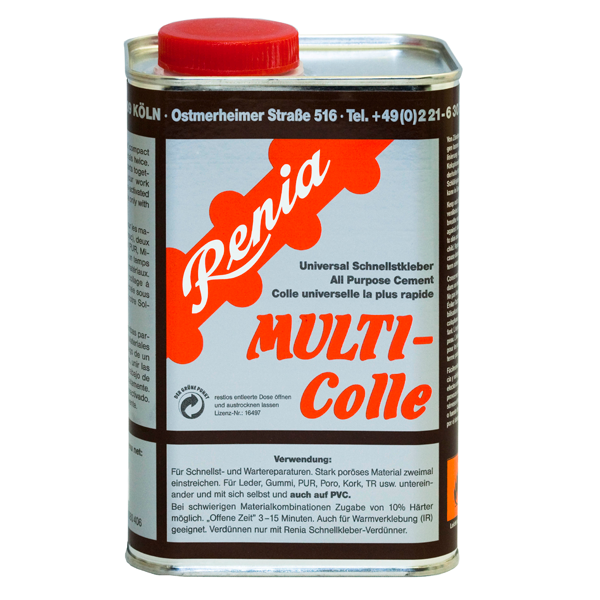
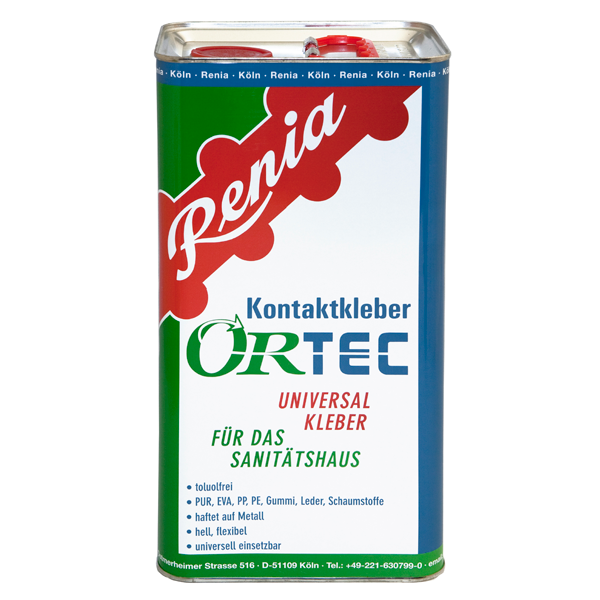
Transparent Bonding with Renia Adhesives
Renia Adhesives offer a clear solution for bonding a wide variety of materials while maintaining a transparent, aesthetically pleasing finish.
Renia Primers: Solving Difficult Shoe Repairs with Contact Adhesives
When it comes to modifying or repairing shoes, especially those made from tricky materials like "plastic" soles often found in cheaper footwear, it can feel like nothing will stick. This is a common issue for professionals.
Understanding the Uses and Benefits of Contact Glue
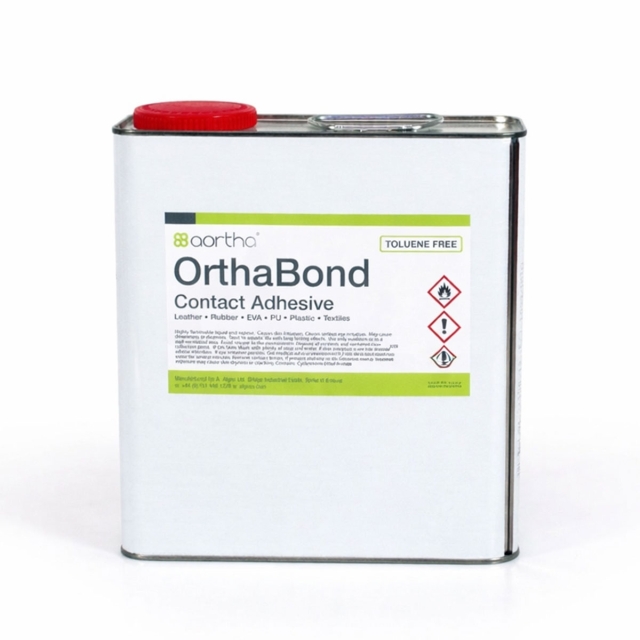
Contact glue, also known as contact adhesive, is a versatile bonding agent used in a variety of applications. This powerful adhesive is a staple in both professional and DIY projects due to its strong bonding capability and ease of use. In this article, we will explore the uses, benefits, and types of contact glue, including popular options like Orthabond Contact Adhesive.
The Ultimate Guide to Super Glue Uses
Super glue, a household staple, is known for its quick bonding ability. It's a powerful adhesive that can fix a variety of materials in seconds.
How to Remove Contact Adhesive
The right removal method depends on the surface you’re working with, as some materials require gentler approaches to avoid damage.
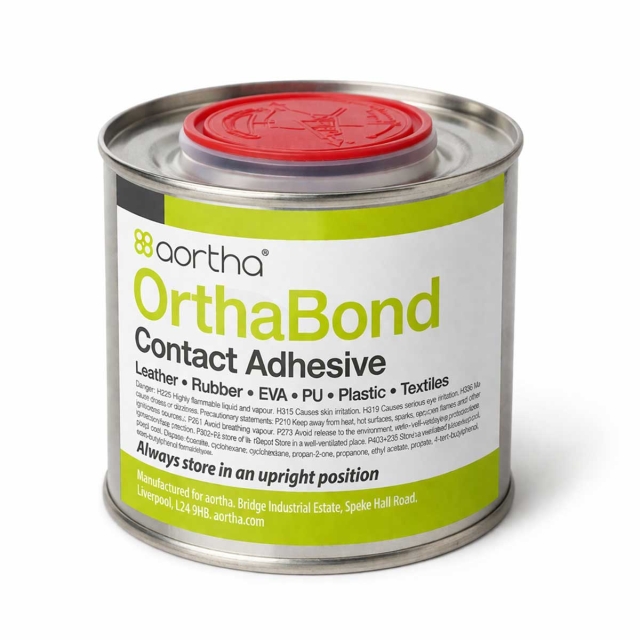
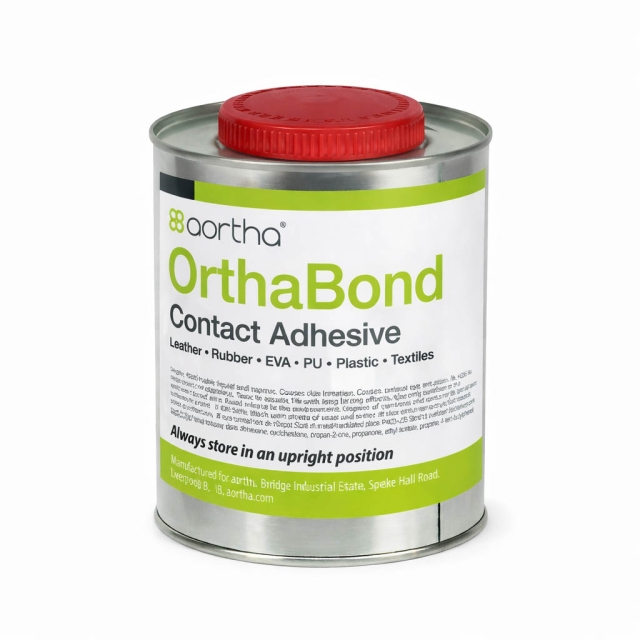
Sold: 500ml Tin
Incl. VAT Exl. VAT