



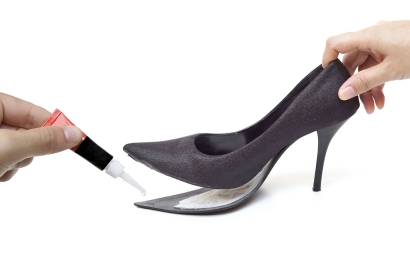
When your favourite pair of shoes starts to come apart, you don’t always need to replace them - sometimes, the right adhesive can give them a new lease of life. Whether it's a detached sole, a worn-out heel or a split upper - using the best adhesive glue for shoes can save you money and keep your footwear going for longer.
But with so many adhesives on the market, how do you know which one is best for your repair? In this guide, we’ll cover the three main types of glue: super glue, rubber cement and contact adhesive - explaining their pros and cons so you can make the best choice for your shoes.
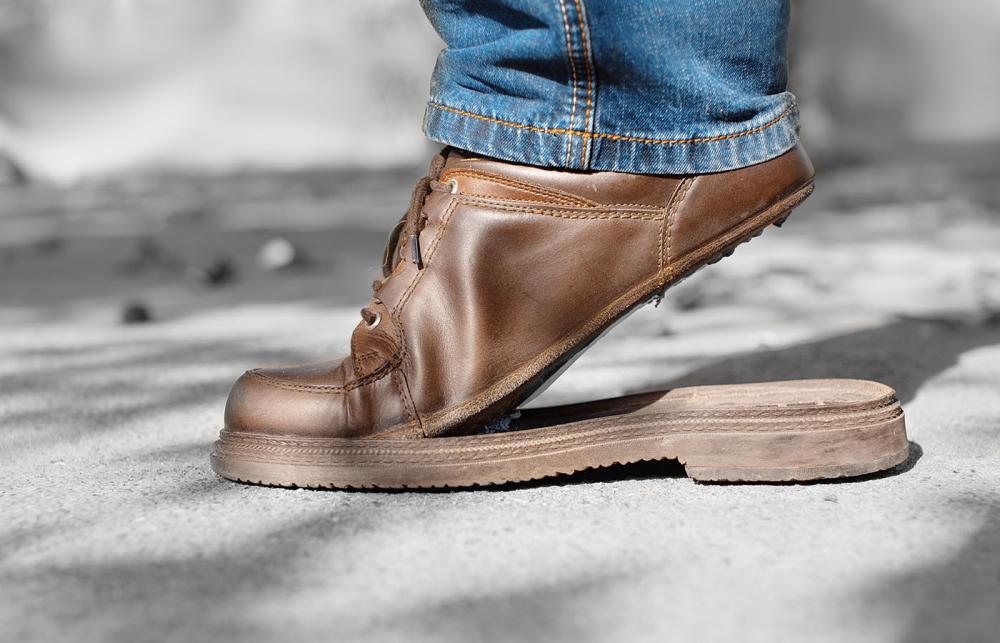
What to Look for in Shoe Glue
- Flexibility – Shoes bend and flex as you walk, so you need an adhesive that moves with the material rather than cracking.
- Water Resistance – If your shoes will be exposed to rain or moisture, choose a glue that provides a waterproof bond.
- Durability – A strong, lasting hold is essential to prevent repeated repairs.
- Drying Time – Some glues set in seconds, while others require hours to cure fully.
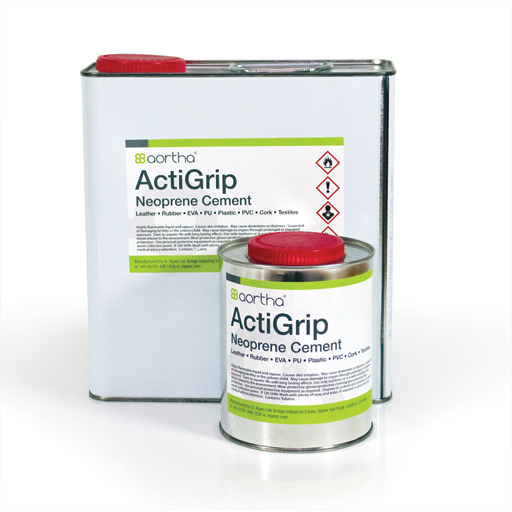
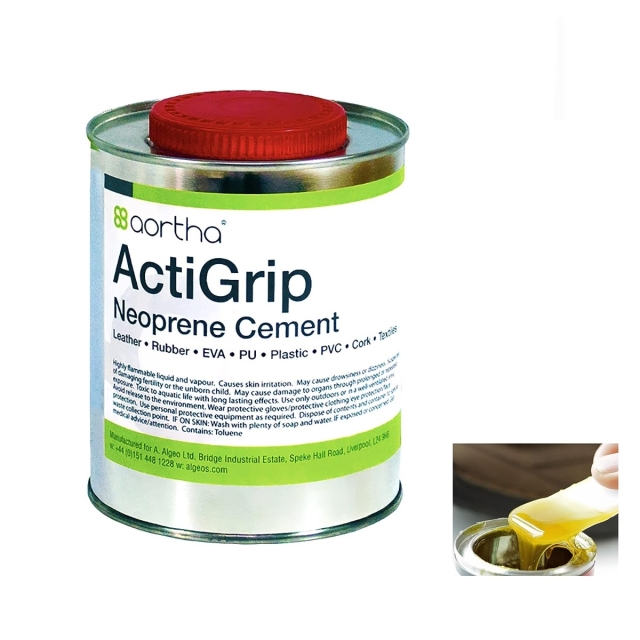
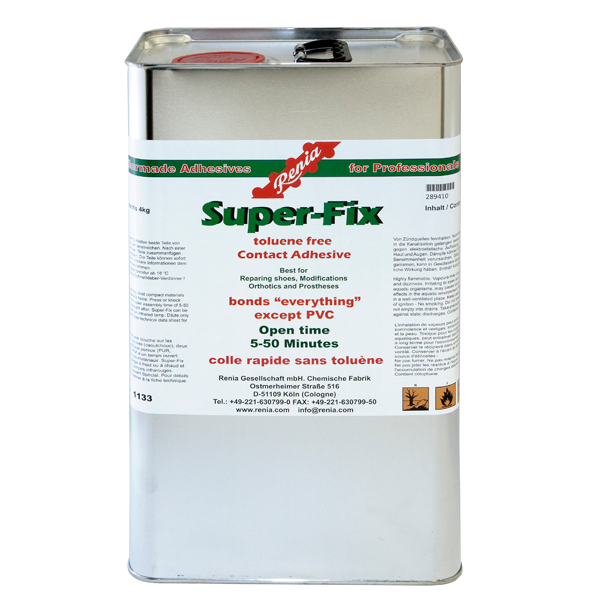
Product links: Contact Adhesives | Specialist Shoe Adhesives | Adhesive Remover
The Three Best Types of Shoe Glue
|
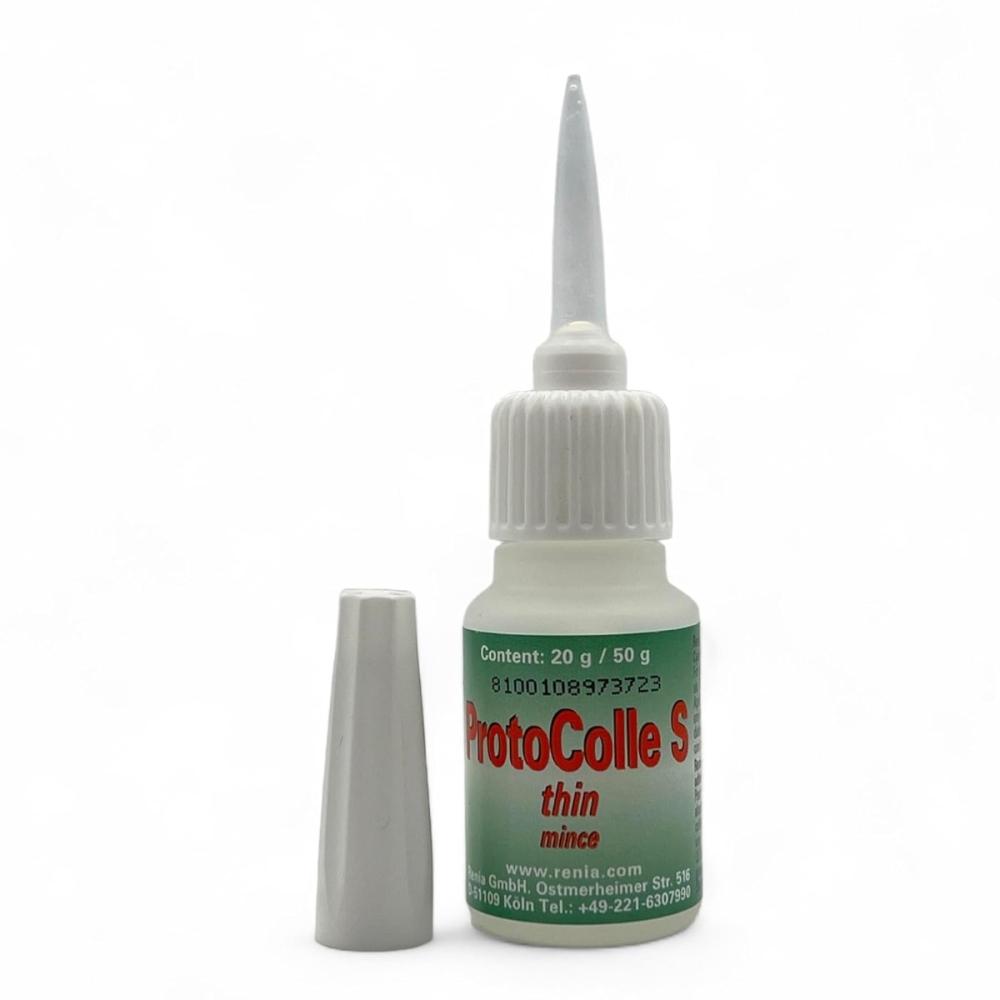
1. Super Glue (Cyanoacrylate)Super glue is a fast-acting adhesive that bonds almost instantly, making it a great option for emergency shoe repairs. It works particularly well on small cracks, loose soles, and separated uppers. Pros:
|
|
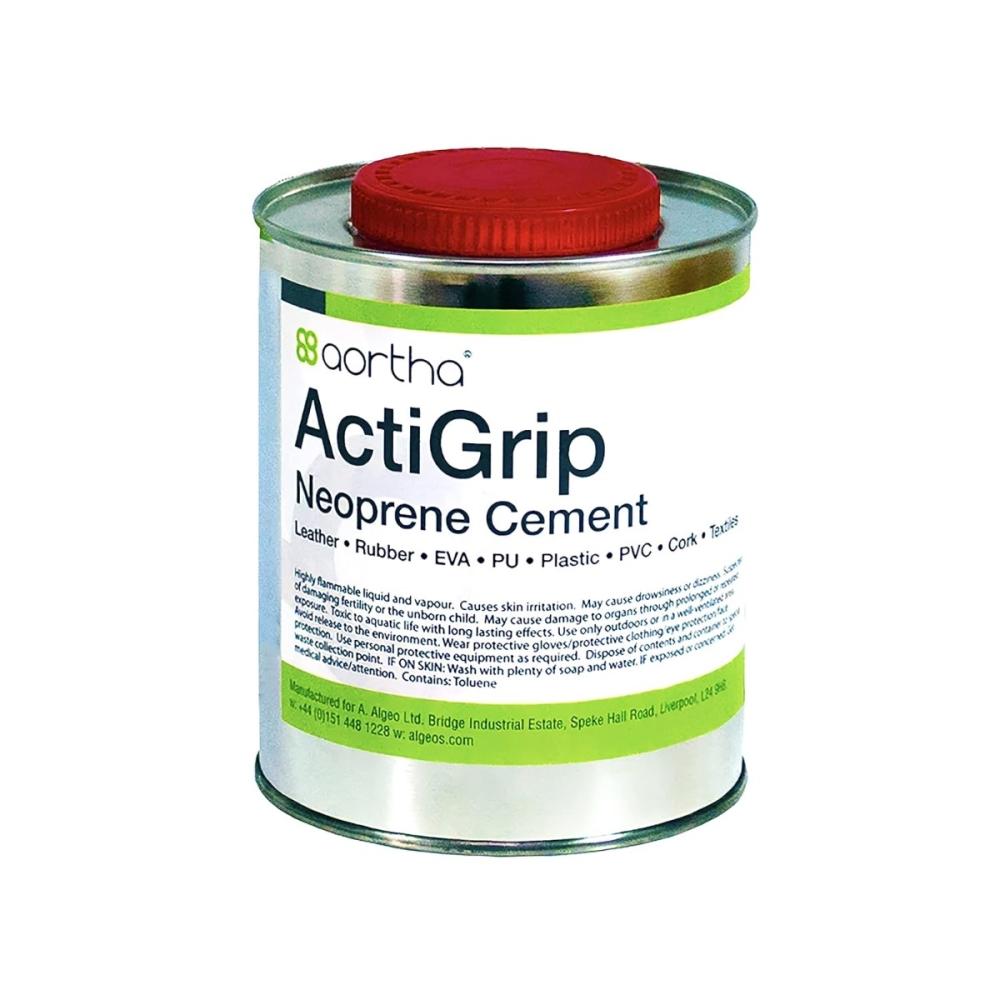
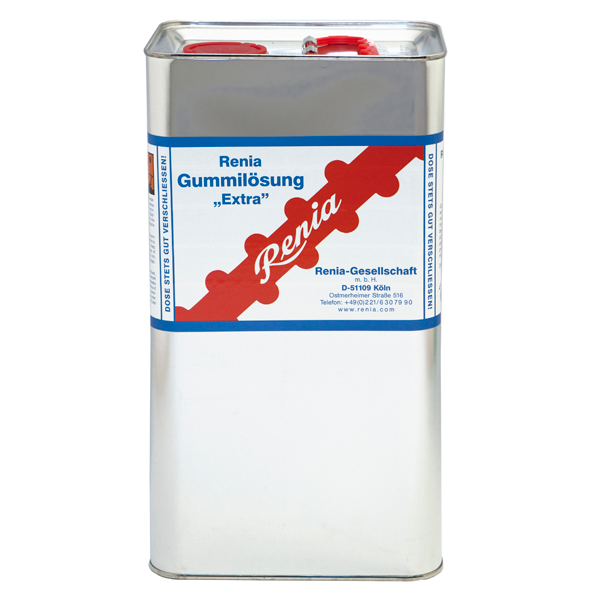
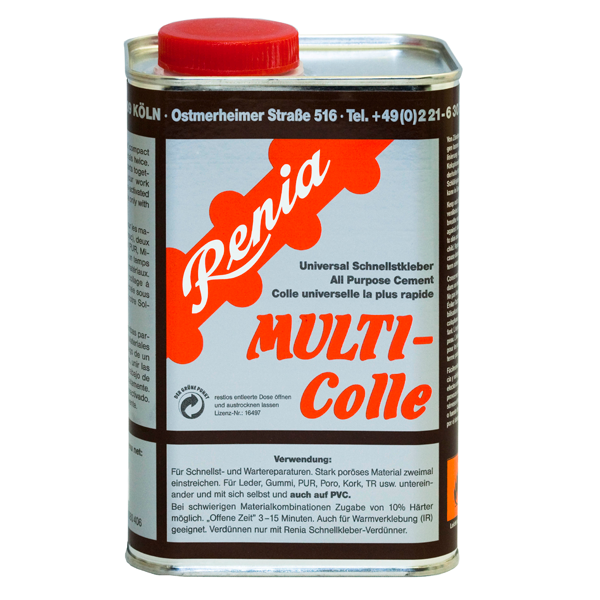
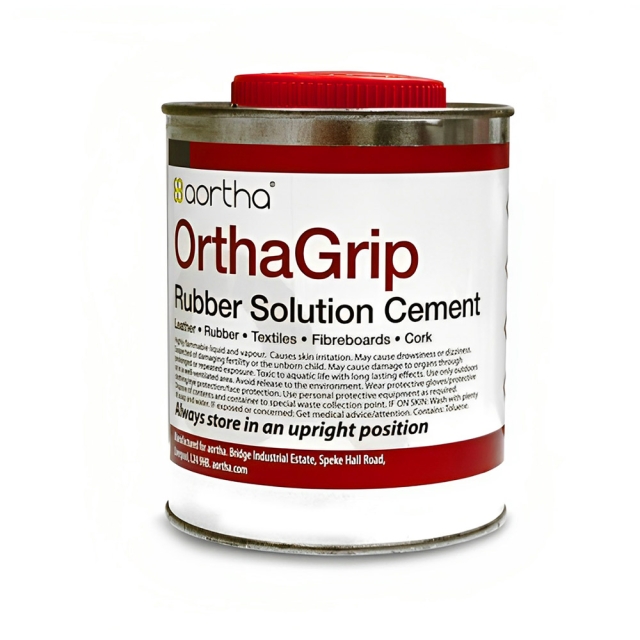
2. Rubber CementRubber cement is a flexible, rubber-based adhesive that remains pliable even after drying. It’s commonly used for shoe repairs because it provides a strong bond while allowing for some movement. Pros:
|
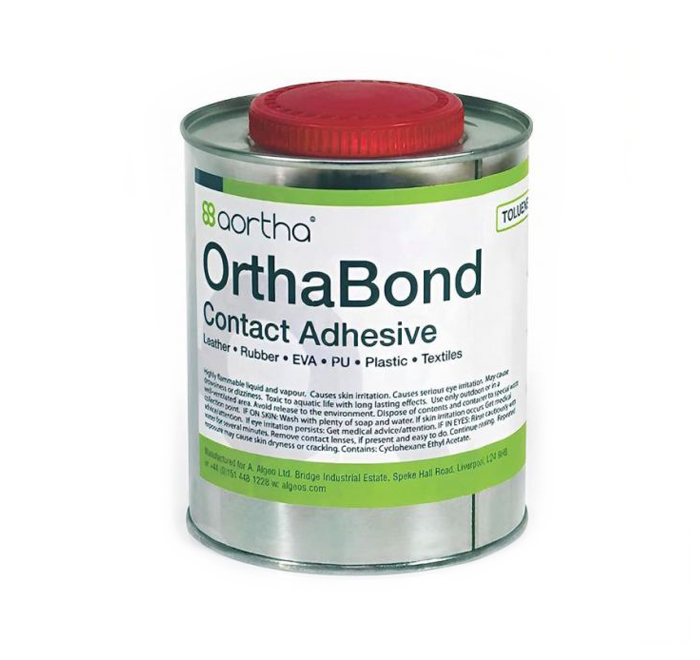 |
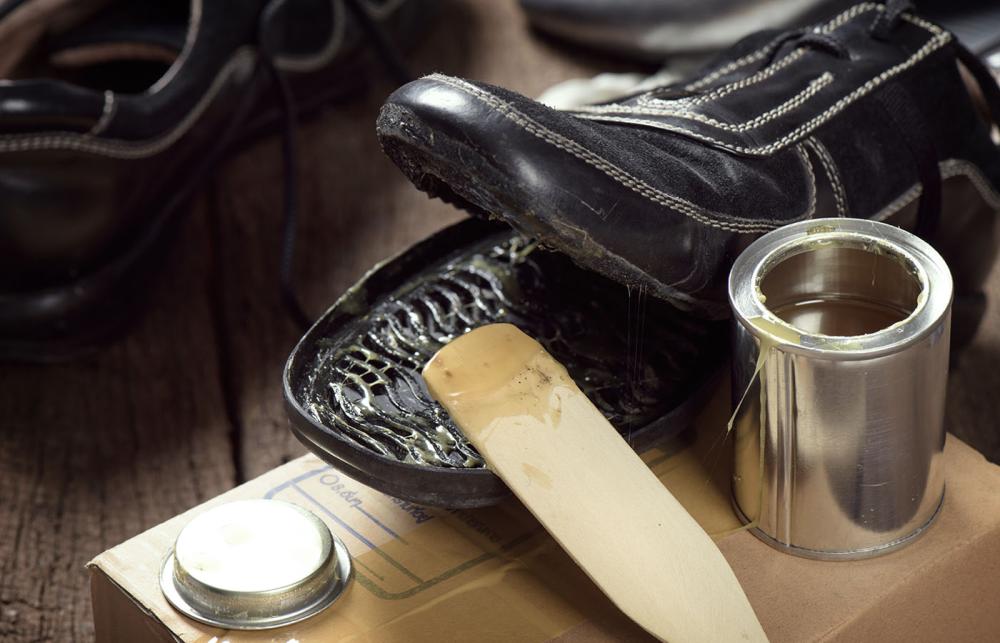
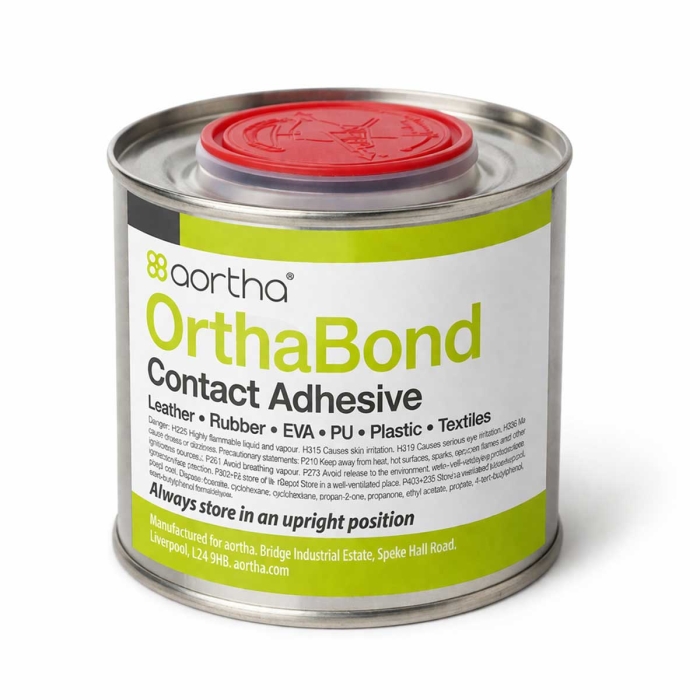
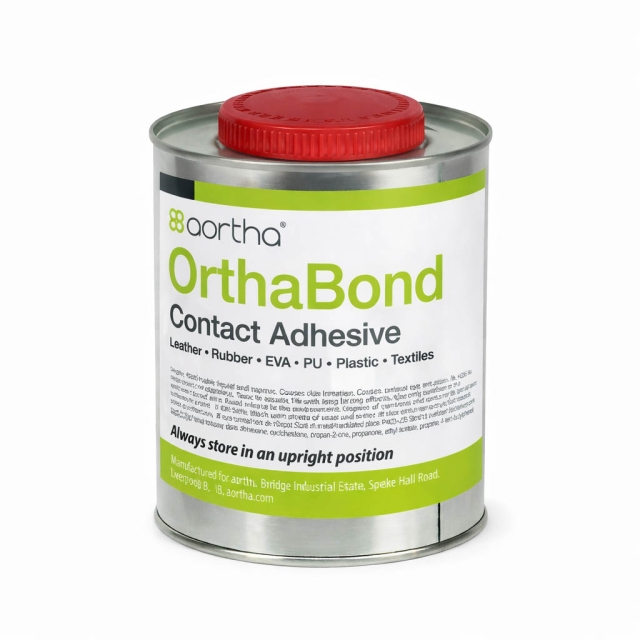
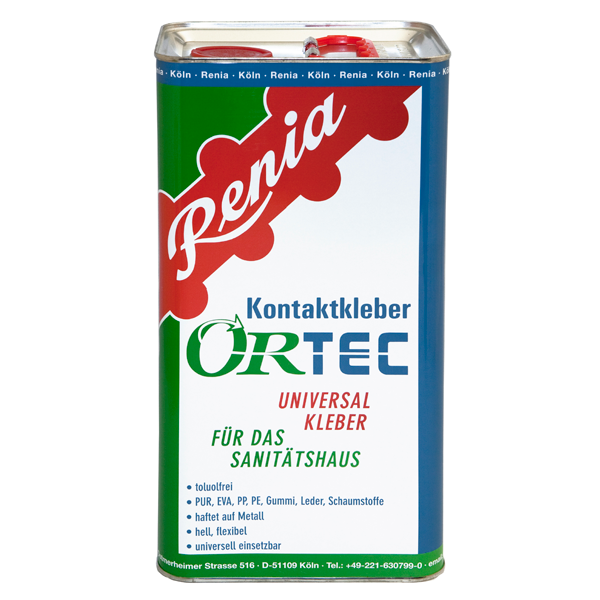
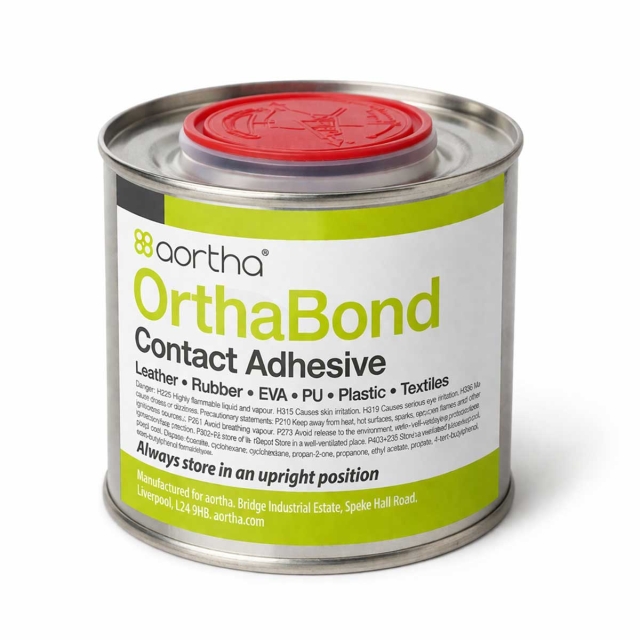
3. Contact AdhesiveContact adhesive is one of the best choices for long-lasting shoe repairs. It forms a strong, flexible bond between two surfaces and is widely used in shoe manufacturing and professional repairs. Unlike other glues, it requires you to apply it to both surfaces and let it dry before pressing them together. Pros:
|
How to Repair Your Shoes with Glue
- Clean the area: Remove dirt, dust, and old glue from the surfaces you’re bonding. Use a cloth and mild cleaner for best results.
- Apply the glue: Follow the instructions for your chosen adhesive. Super glue should be applied sparingly, while rubber cement and contact adhesive may require even coverage on both surfaces.
- Press firmly: Hold the pieces together for the recommended time. Contact adhesives requires you to wait for it to become tacky before pressing.
- Let it cure: Allow the glue to dry fully before wearing the shoes. Some adhesives need several hours to reach their maximum strength.
- Test the bond: Before wearing, gently flex the area to ensure the repair is strong and secure.
Common Mistakes to Avoid When Using Glue
Using the right shoe glue is important, but how you apply it matters just as much. Avoiding these common mistakes can help ensure a stronger bond, a longer-lasting repair, and better overall results.
1. Not Cleaning the Surface Properly
Dirt, grease, old adhesive, or moisture can prevent shoe glue from bonding effectively. Always clean the repair area thoroughly and allow it to dry completely before applying any adhesive.
2. Using the Wrong Type of Glue
Not all adhesives are suitable for footwear. Standard household glues or rigid super glues can crack or fail when the shoe flexes. Always choose a shoe-specific adhesive designed to remain flexible after curing.
3. Applying Too Much Glue
More glue does not mean a stronger bond. Applying too much adhesive can slow curing time and weaken the repair. Follow the manufacturer’s instructions and apply a thin, even layer for best results.
4. Skipping the Curing Time
One of the most common mistakes is wearing the shoes before the glue has fully cured. Even if the surface feels dry, the bond may not be fully set. Allow the recommended curing time to ensure durability.
5. Failing to Apply Pressure
Many shoe adhesives work best when pressure is applied during bonding. Not pressing the surfaces together firmly, or failing to clamp or weight the repair, can result in weak adhesion.
6. Using Glue on Severely Damaged Footwear
Shoe glue is ideal for small to moderate repairs, but it may not be suitable for extensive damage, structural failure, or worn-out soles. In these cases, professional repair or replacement may be the better option.
By avoiding these common mistakes, you can significantly improve the effectiveness of shoe glue repairs and extend the life of your footwear.
Final Thoughts
The best glue for your shoes depends on the type of repair you need to make. Super glue is great for quick fixes, rubber cement is perfect for flexible repairs, and contact adhesive is ideal for long-lasting bonds.
By choosing the right adhesive and following the proper repair steps, you can extend the life of your favourite footwear and keep them looking great. You can view our contact adhesives for shoes here.
So, before you throw out a pair of worn-out shoes, consider giving them a second chance with a reliable shoe glue!
Revised 22nd January 2026
Sold: 500ml
Incl. VAT Exl. VAT