



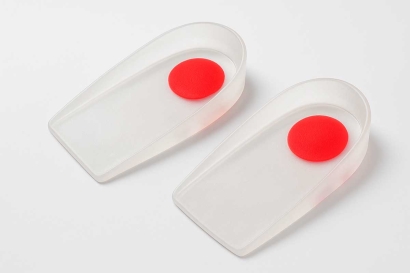
Heel pain can be a real hindrance. It can affect your daily activities, from walking to standing for long periods.
Heel cushions are a popular solution. They are designed to provide comfort and alleviate pain.
But how do heel cushions work? They absorb shock and redistribute pressure away from painful areas.
They can be particularly beneficial for conditions like heel spurs and plantar fasciitis. These conditions can cause significant discomfort and impact your quality of life.
This article will delve into the workings of heel cushions. We'll explore their benefits, the materials used, and how to choose the right one for your needs.
Whether you're an athlete, a retail worker, or someone dealing with foot conditions, understanding heel cushions can be a step towards better foot health and comfort.
Understanding Heel Pain and Common Foot Conditions
Heel pain is a widespread issue affecting many individuals. It occurs due to various reasons, impacting daily life.
The foot endures significant stress from daily activities. Over time, this can lead to pain and discomfort.
Several conditions contribute to heel pain. Heel spurs and plantar fasciitis are some of the most common.
Heel spurs are bony growths. They develop on the heel bone - causing sharp pain.
Plantar fasciitis involves inflammation of the plantar fascia. This is a band of tissue running along the foot's bottom.
Common foot conditions include:
-
Heel Spurs
-
Plantar Fasciitis
-
Flat Feet
-
High Arches
What Causes Heel Pain?
Heel pain can result from various causes. Overuse is a leading culprit, especially in active individuals.
Ill-fitting shoes also play a role. They fail to provide adequate support, leading to pain.
Certain foot structures, like flat feet, can predispose individuals to heel pain. This results in uneven weight distribution - increasing strain.
Heel Spurs and Plantar Fasciitis Explained
Heel spurs develop over time. They often result from repeated stress on the heel bone.
The condition is common in athletes. However, anyone with frequent foot stress can develop heel spurs.
Plantar fasciitis, on the other hand, involves inflammation. It affects the tissue connecting the heel bone to the toes.
This condition causes stabbing pain, usually felt at the arch or heel. Often, it's worst with the first steps after waking up.
The Role of Heel Cushions in Pain Relief
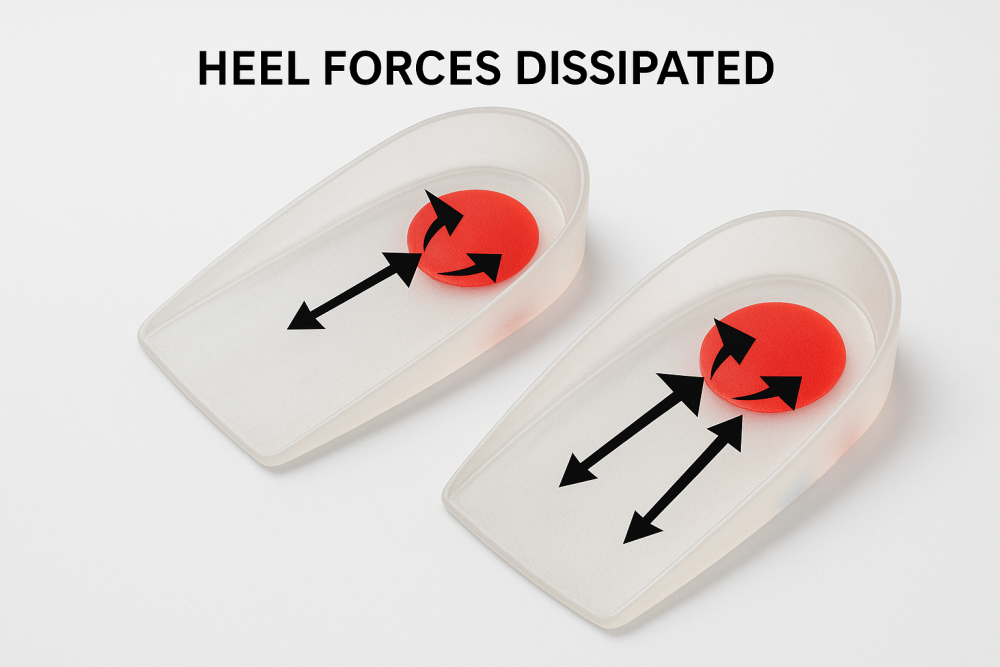
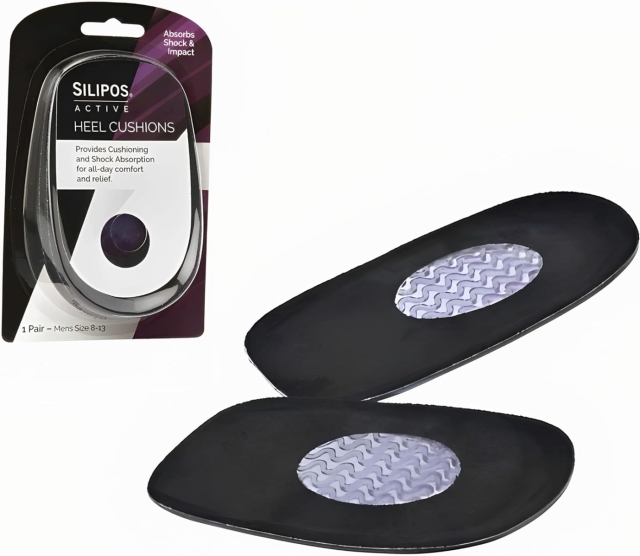
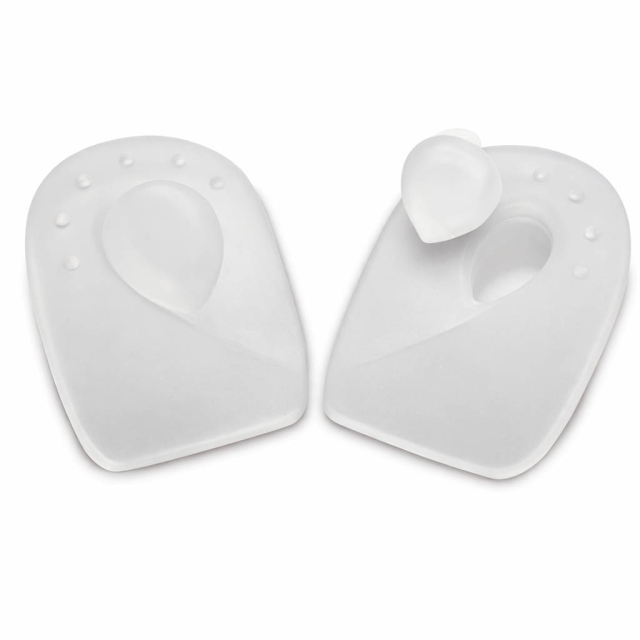
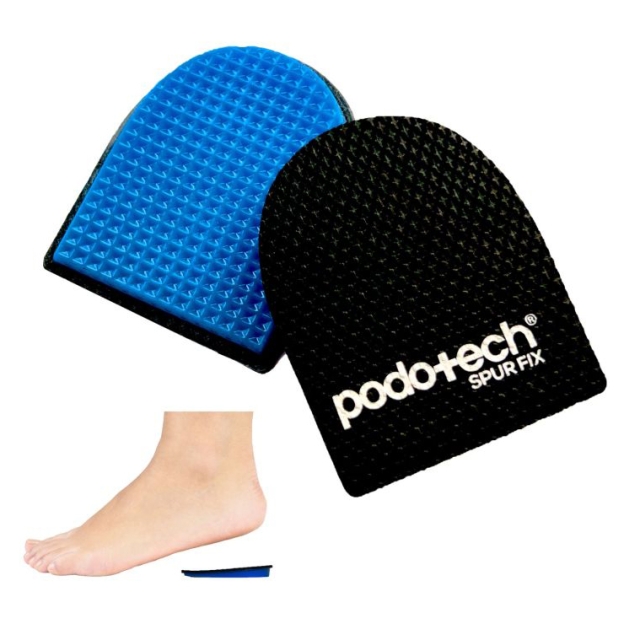
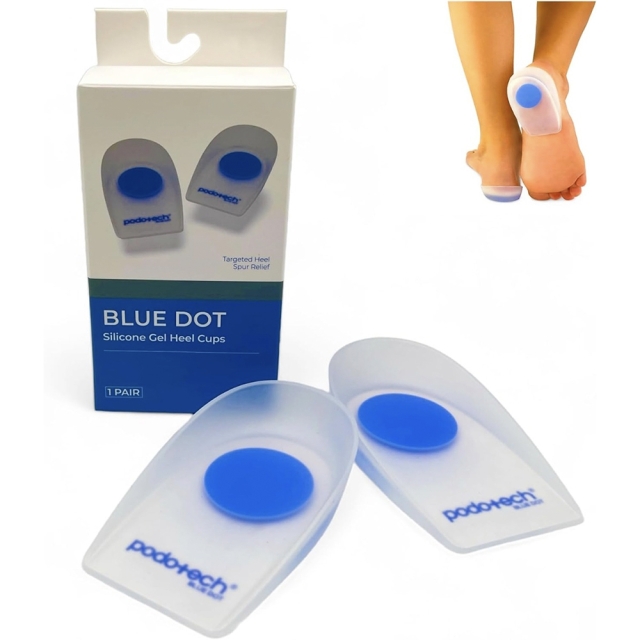
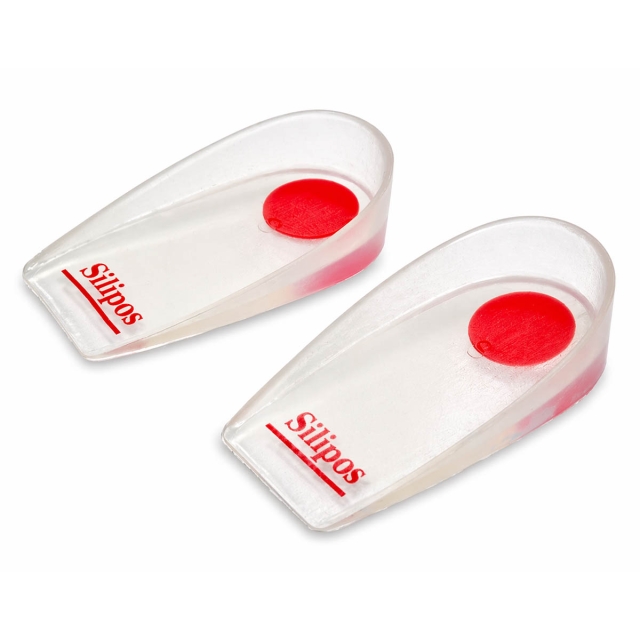
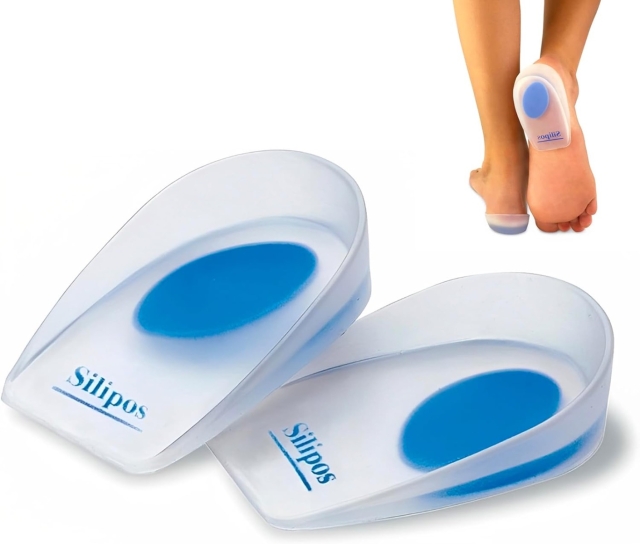
Heel cushions are designed to alleviate discomfort. They do so by absorbing shock and redistributing pressure.
These cushions target painful areas. This helps in reducing strain on the heel and surrounding tissues.
Heel cushions come with added benefits beyond just pain relief. They can improve overall foot posture and walking alignment.
Here are some key roles of heel cushions:
-
Absorbing Shock
-
Reducing Pressure Points
-
Improving Foot Posture
-
Providing Pain Relief
-
Supporting Daily Activities
Athletes and those with foot conditions find these cushions particularly beneficial. They provide a non-invasive method to alleviate heel pain.
How Heel Cushions Provide Support and Comfort
Heel cushions work by distributing body weight. This eases the pressure on sensitive areas of the heel.
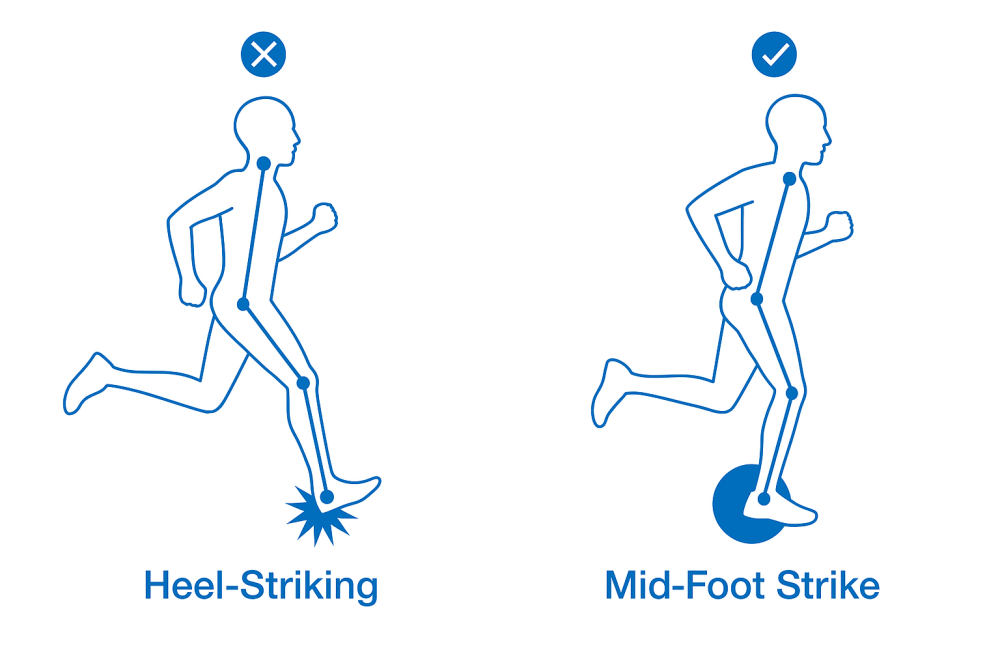
The materials used, such as gel or foam, provide a soft barrier. This barrier cushions each step, making walking more comfortable. When running or jumping (during sports or dance), when heel strike is at its most intense, heel cushions or heel pads can help dissipate forces and prevent injury or basic aches and pains.
These cushions fit into most shoes, offering a simple way to enhance support and comfort. They are a versatile choice for many users.
The Importance of Arch Support in Heel Cushions
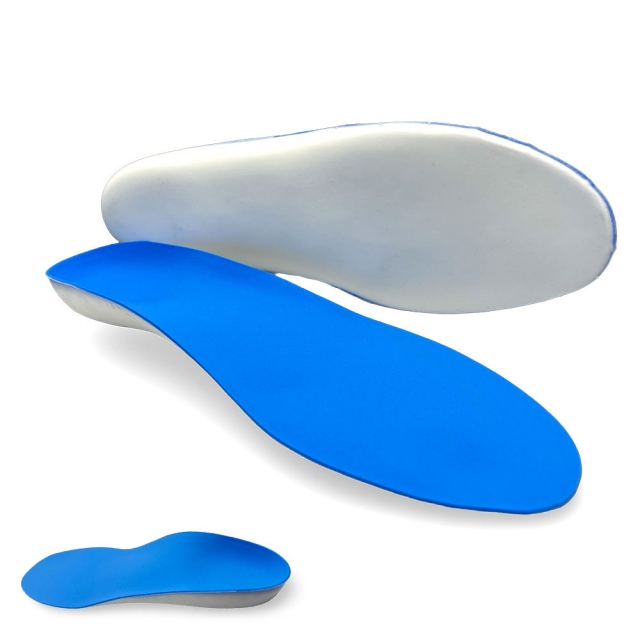
Arch support is essential in many heel cushions. It helps in evenly distributing body weight.
This support reduces stress on the plantar fascia. Consequently, it minimizes pain and discomfort associated with walking or standing.
People with flat feet or high arches benefit significantly from arch support. It adds stability, facilitating better posture and balance.
Types of Heel Cushions and Materials Used
Heel cushions come in various types. Each type offers unique benefits tailored to different needs.
Materials used in heel cushions are vital. They determine the cushion's effectiveness and feel.
Common materials include:
-
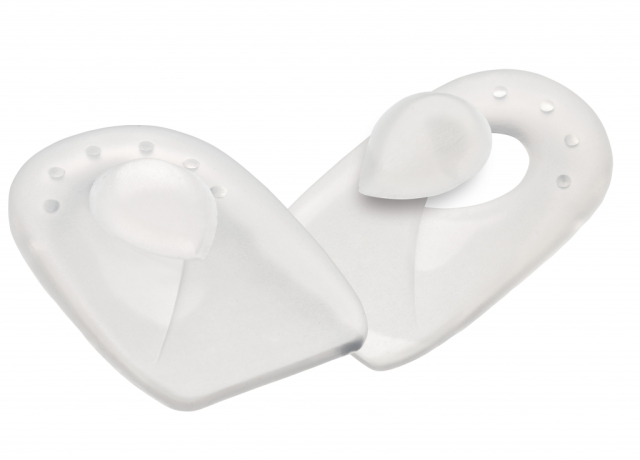
Gel: Offers excellent shock absorption.
-
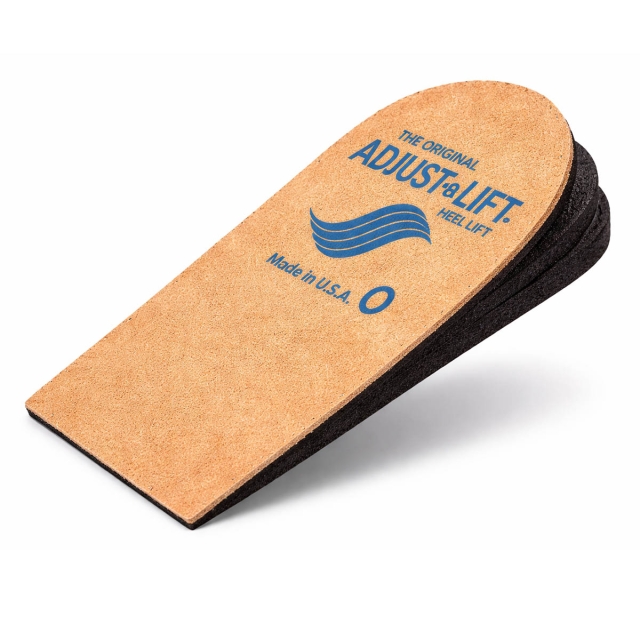
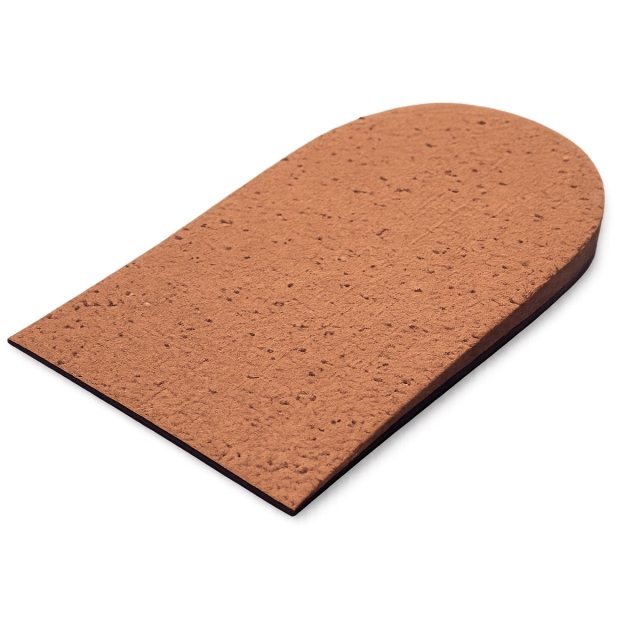
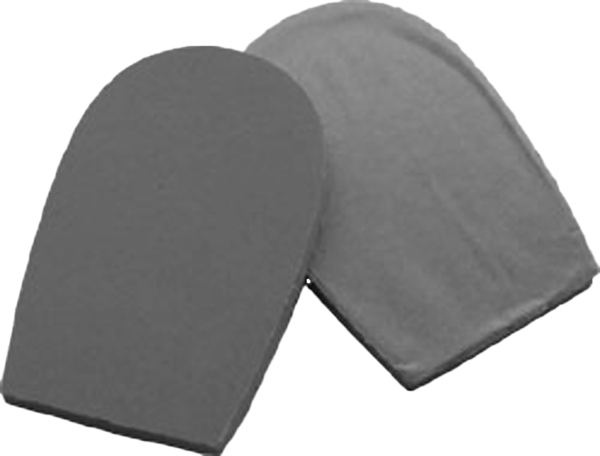
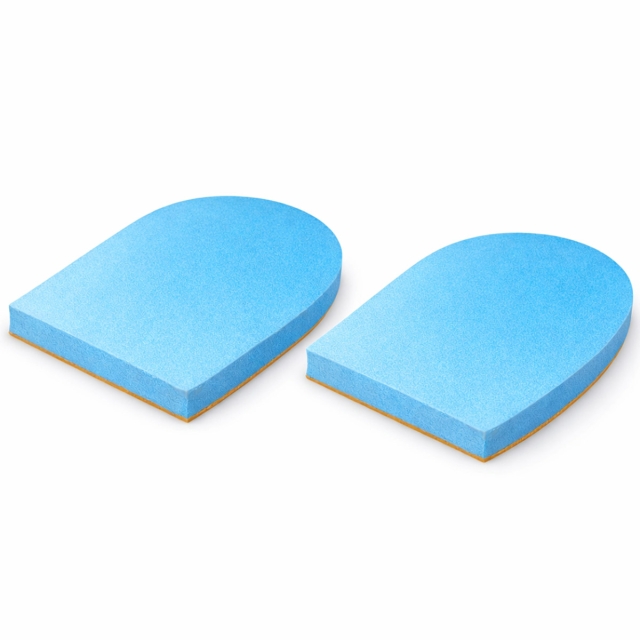
Foam: Provides soft, cushioned support.
-
Silicone: Ensures durability and consistent comfort.
Selecting the right material is essential. It largely depends on individual requirements and preferences.
Heel cushions are versatile. They cater to various foot conditions, making them a popular choice for many.
Gel, Foam, and Silicone Heel Cushions
Gel heel cushions excel in absorbing impact. They are ideal for activities requiring constant movement.
Foam cushions offer softness and gentle support. They suit individuals seeking comfort in everyday walking.
Silicone provides both durability and stability. It's perfect for long-term use and persistent heel pain.
Choosing between these materials involves considering one's lifestyle. Each type offers distinct advantages.
Overall, gel, foam, and silicone cushions cater to diverse needs. They enhance foot support and contribute to pain relief effectively.
Choosing the Right Heel Cushion for Your Needs
Selecting the right heel cushion involves understanding your specific needs. Different conditions require different features.
Consider the following when choosing:
-
Pain level: High pain might need gel cushions.
-
Foot shape: Certain designs fit specific arches.
-
Activity type: Athletes often benefit from silicone.
The choice of cushion impacts comfort and relief. Evaluating personal foot conditions is crucial.
Be mindful of how your feet feel with the cushion. Try them in your favorite shoes for better assessment.
Fitting and Sizing of Heel Cushions
Getting the right fit enhances cushion effectiveness. A well-fitted cushion stays in place.
Ensure the cushion aligns with your heel shape. This prevents unnecessary movement in the shoe.
When to Replace Your Heel Cushions
Heel cushions can wear over time. Regular inspection for wear is essential.
Replace cushions when they lose their structure. Consistent support is crucial for pain relief.
Additional Benefits and Considerations
Heel cushions offer numerous advantages beyond immediate pain relief. These benefits extend to overall foot health and comfort.
Here are some additional benefits to consider:
-
Improved posture by reducing stress on the heel.
-
Enhanced shoe fit, preventing slippage and blisters.
-
Longer shoe lifespan due to reduced wear and tear.
Cushions are a non-invasive solution. They require minimal adjustment once placed in your shoes.
When using heel cushions, consider their compatibility with your lifestyle. Some require specific care and cleaning.
Preventive Use and Long-Term Foot Health
Heel cushions can serve as a preventive tool. Regular use can protect against developing future foot issues.
Consistent use enhances long-term foot health. Simple steps now can prevent complex problems later.
Combining Heel Cushions with Other Foot Care Practices
Heel cushions work best in tandem with other practices. Stretching exercises complement their benefits well.
Proper footwear choices are also crucial. Pairing cushions with supportive shoes amplifies comfort and support.
Conclusion and Next Steps
Heel cushions are a simple yet effective solution for managing heel pain. They offer immediate comfort and long-term support.
Consider integrating heel cushions into your daily routine. Consult a foot specialist for personalized advice if necessary. Taking action now can lead to a more comfortable future for your feet.
Sold: Sold per Pair
Incl. VAT Exl. VAT