

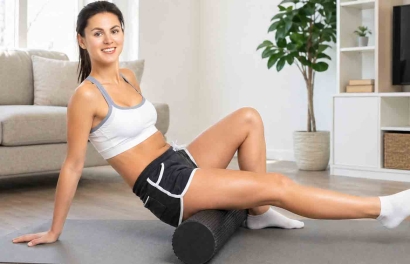
Foam rollers are a simple, affordable and widely used tool for easing muscle tightness, improving mobility and supporting recovery.
If your back feels stiff after long hours at a desk, training sessions, gardening, driving or general day-to-day strain, the right foam roller can help you move more freely and build a more consistent stretching routine.
The best foam roller for back pain depends on where you feel discomfort, how much pressure you tolerate and whether you need a roller for general mobility, Pilates, rehabilitation exercises or targeted muscle release.
This guide explains the main foam roller types, how to choose the right size and firmness and how to use one safely around the back.
Quick answer: which foam roller is best for back pain?
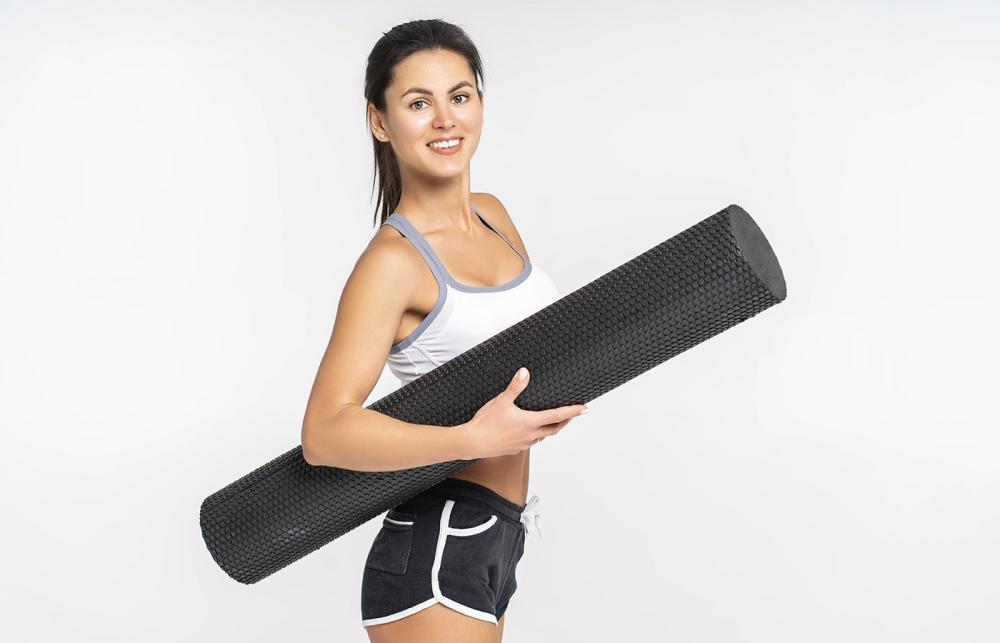
For most people, a medium to firm smooth foam roller is the best starting point for back stiffness and general mobility work. A longer roller is useful for spinal alignment, posture exercises and Pilates, while a shorter roller is better for targeted work around the glutes, hips, shoulders and legs.
For lower back pain, avoid aggressive rolling directly over the lumbar spine. It is usually safer to work around the area by targeting the upper back, glutes, hips and surrounding muscles.
If pain is severe, persistent, spreading into the legs, linked with numbness or weakness or follows trauma - seek medical advice before using a foam roller.
Can foam rollers help back pain?
Foam rolling is a form of self-massage often used to reduce muscle tightness and improve movement before or after activity. It is commonly used in physiotherapy, Pilates, gym training, rehabilitation and home exercise routines.
For back discomfort, foam rollers are most useful when stiffness is linked to tight muscles, limited mobility, poor posture habits or post-exercise soreness. They are not a cure for back pain, and they should not replace diagnosis or treatment from a qualified healthcare professional when symptoms are persistent, severe or unusual.
Used sensibly, a foam roller can support:
- Upper back and thoracic mobility
- Posture and spinal alignment exercises
- Glute, hip and leg muscle release
- Warm-up and cool-down routines
- Pilates, yoga and rehabilitation movements
- General flexibility and movement confidence
Best types of foam roller for back pain
| Foam roller type | Best for | Back pain use |
|---|---|---|
| Smooth EVA foam roller | Beginners, Pilates, mobility and controlled exercise | A good all-round choice for back stiffness, posture exercises and general stretching. |
| EPP foam roller | Durability, high-use clinics, gyms and regular training | Lightweight and robust, suitable for repeated use and general self-myofascial release. |
| Long foam roller | Full-body support, spinal alignment and bilateral exercises | Useful for lying lengthways, chest opening, thoracic mobility and controlled balance work. |
| Short foam roller | Targeted muscle work and portability | Helpful for glutes, hips, calves, thighs and shoulders - especially in smaller spaces. |
| Wide foam roller | More surface contact and added stability | Often feels more supportive for beginners or users who want a broader base. |
Recommended Algeos foam rollers for back pain and mobility
The following options from the Algeos foam roller range suit different back-care, mobility and rehabilitation needs.
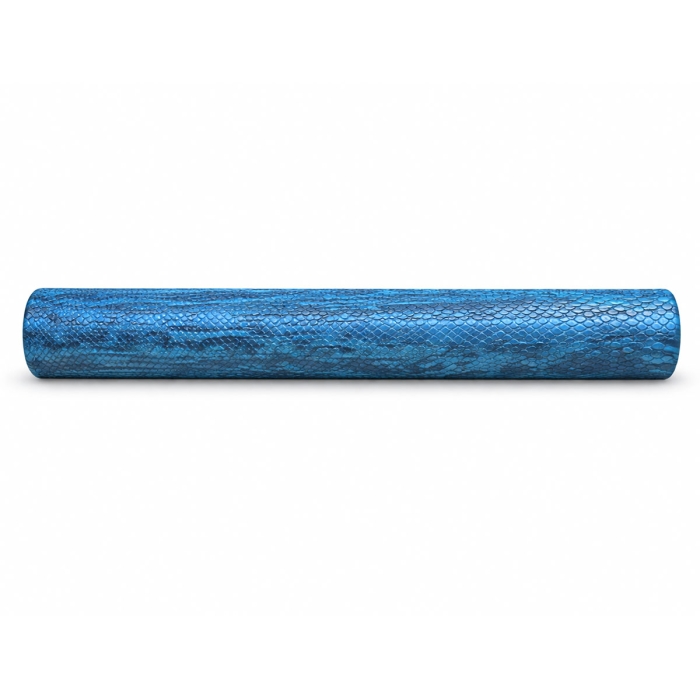
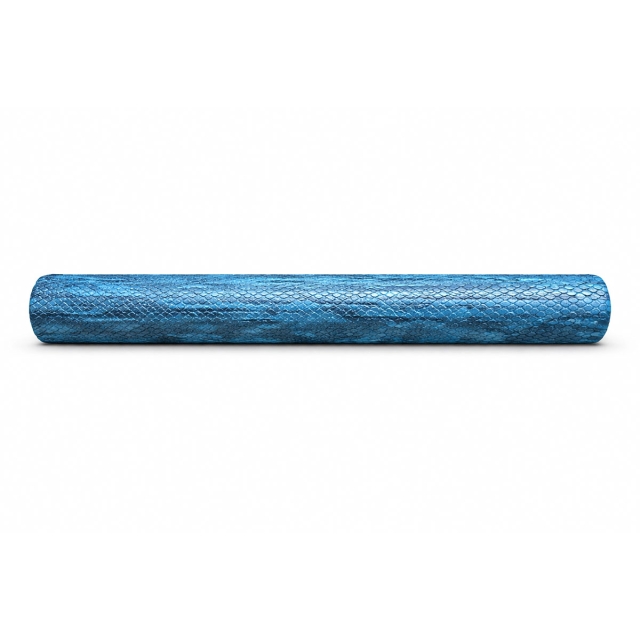
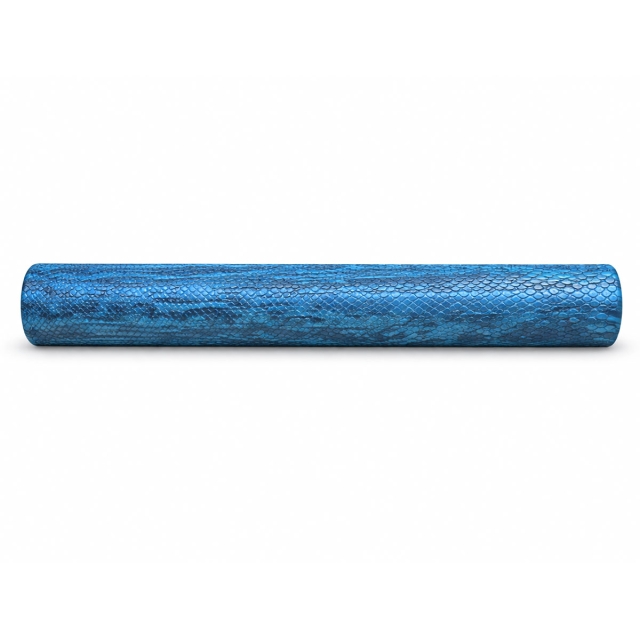
Physioworx EVA Foam Roller - 15 x 90cm
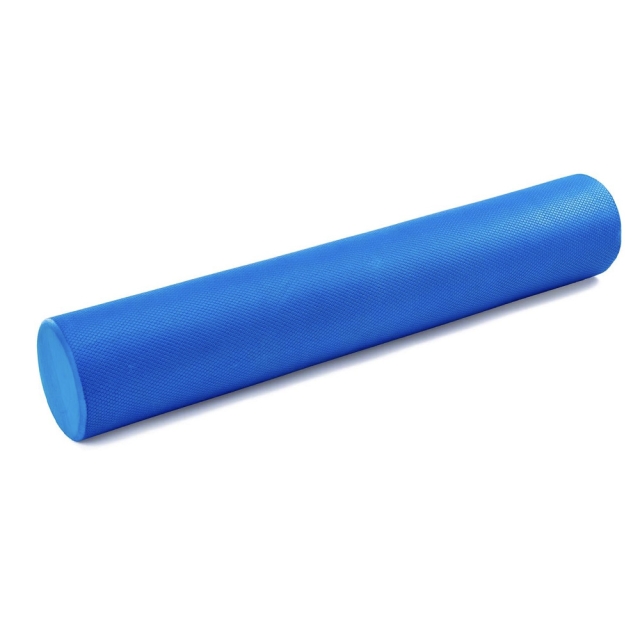
This long, wide EVA foam roller is a strong choice for posture work, Pilates routines, balance exercises and users who prefer a stable support surface. Its 90cm length makes it useful for full-body positioning and bilateral exercises.
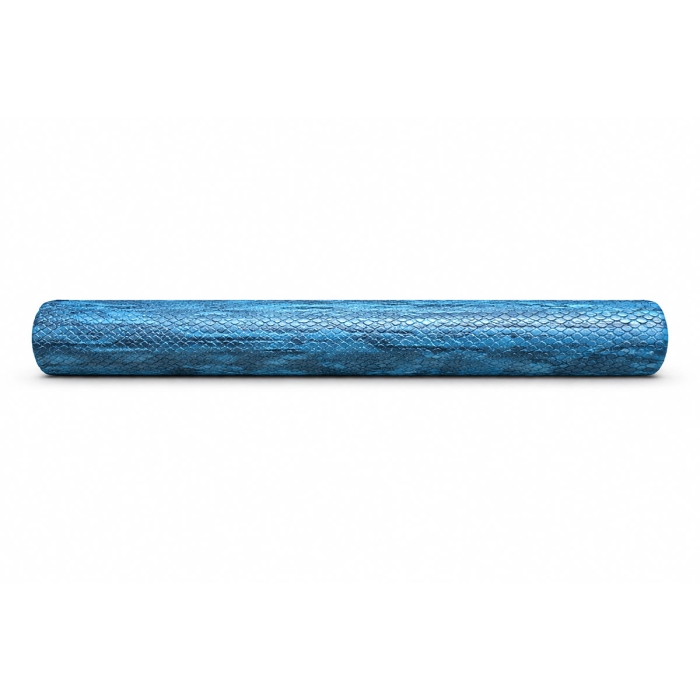
Physioworx EVA Foam Roller - 10 x 90cm
A long, firm EVA foam roller for controlled muscle release, flexibility work and full-body exercise. It is well suited to users who want the length of a full roller but a slightly narrower diameter than the 15cm model.
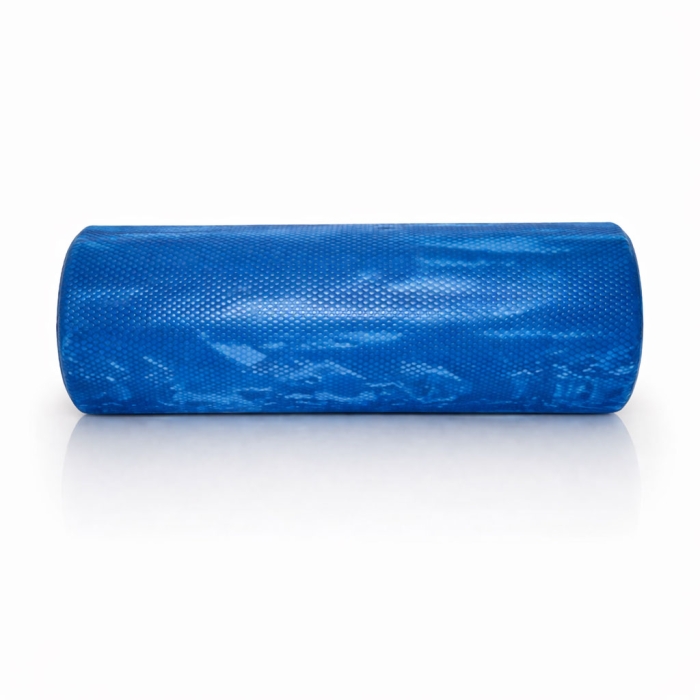
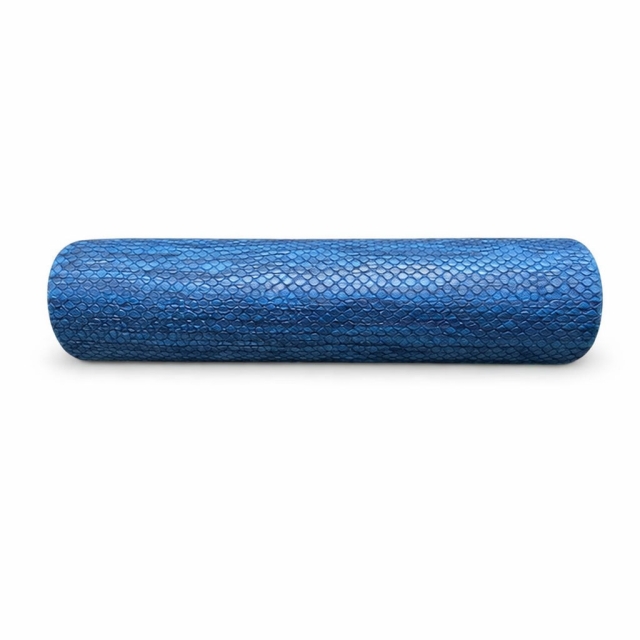
EVA Foam Roller 15cm x 45cm
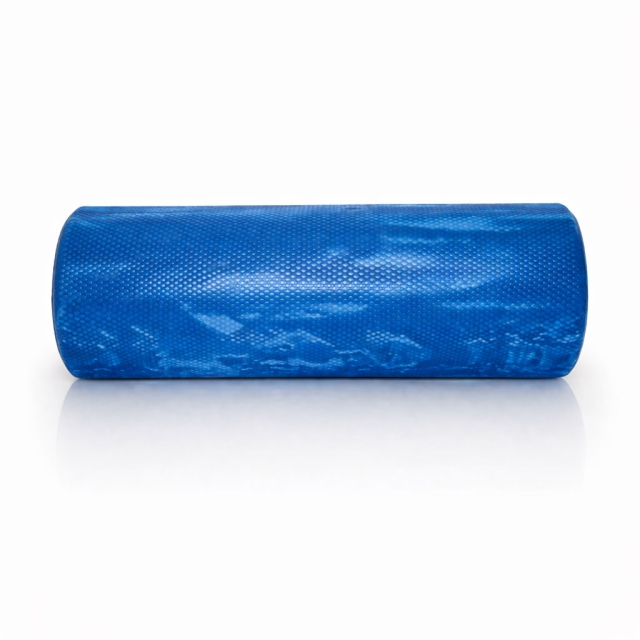
This mid-length EVA foam roller offers a useful balance of firmness, support and portability. It is compact enough for home use but still long enough for many stretching, recovery and rehabilitation exercises.
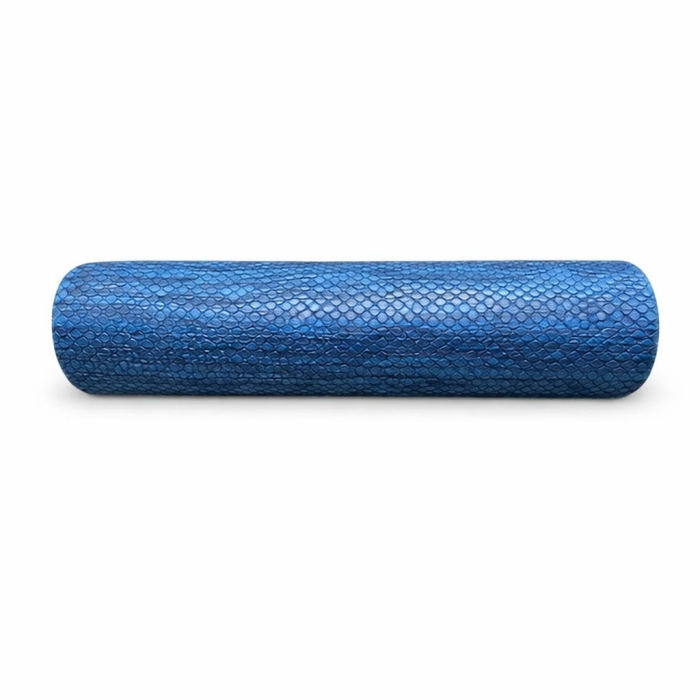
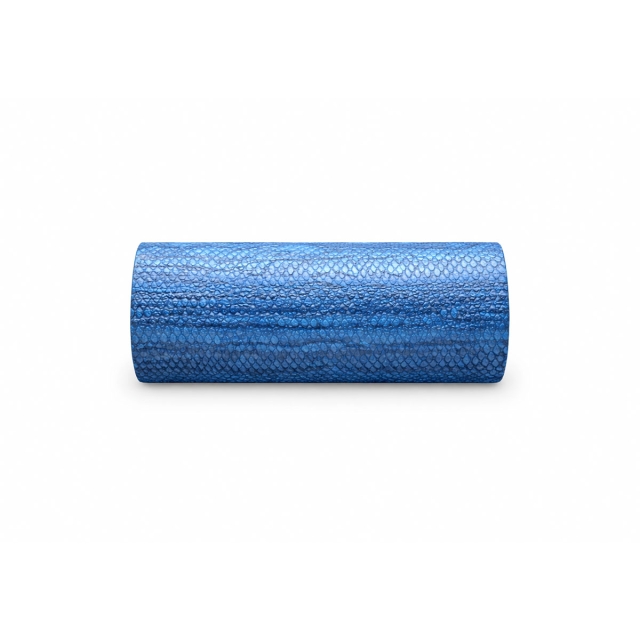
EVA Foam Roller 10cm x 45cm
A compact roller designed for targeted muscle release and controlled rehab exercises. It is especially useful for smaller spaces and for working around areas that contribute to back tightness, such as glutes, calves, thighs and shoulders.
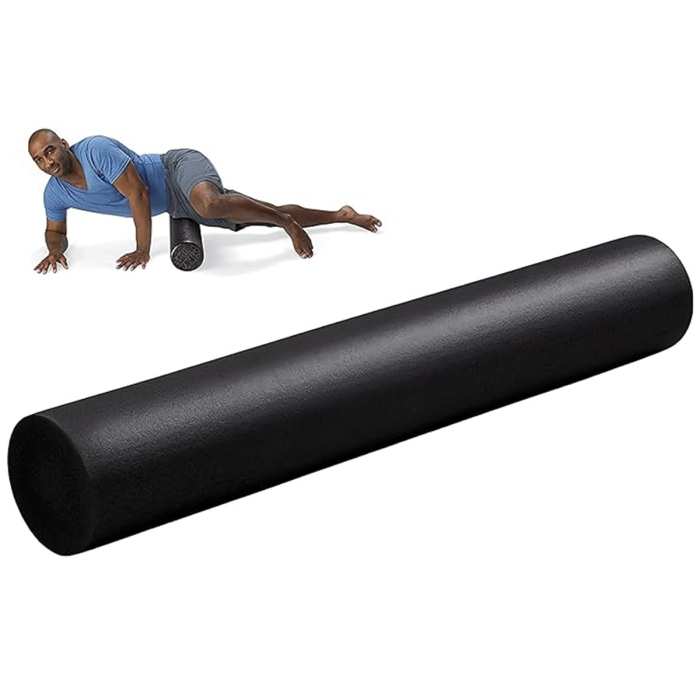
Physioworx EPP Foam Roller - Various Sizes
The EPP foam roller is lightweight, robust and designed to withstand regular use. It is a practical option for physiotherapy clinics, gyms, rehabilitation spaces and home users who want a durable roller for repeated sessions.
Foam Rollers Category
Browse the full Algeos foam roller range, including EVA rollers, EPP rollers, Pilates rollers and massage rollers for home exercise, fitness, physiotherapy and rehabilitation use.
How to choose the best foam roller for your back
1. Choose the right firmness
Firmness makes a big difference. A softer or medium-density roller is often better for beginners, sensitive users or general stretching. A firmer roller gives stronger pressure and may suit experienced users, athletes or people who already tolerate foam rolling well.
2. Choose the right length
A long 90cm roller is best for full-body positioning, spinal alignment exercises and lying lengthways for chest opening or Pilates work. A 45cm roller is easier to store and control, making it useful for targeted work around the hips, glutes, shoulders and legs.
3. Think about diameter
A wider 15cm diameter can feel more stable and supportive, especially for slower mobility work. A narrower 10cm roller may feel more precise and easier to position, but it can also feel more intense depending on the exercise.
4. Match the roller to the area of discomfort
| Area | Suggested roller | Why |
|---|---|---|
| Upper back stiffness | Long EVA or EPP roller | Supports thoracic extension and controlled rolling. |
| Desk-related posture tightness | Long EVA roller | Useful for chest opening, shoulder mobility and spinal alignment. |
| Lower back tightness | Compact or long roller used around hips and glutes | Helps target surrounding muscles without aggressive pressure directly on the lumbar spine. |
| Beginners | Smooth EVA roller | Comfortable, controlled and versatile. |
| Clinic or gym use | EPP roller | Durable, lightweight and suitable for repeated use. |
Foam roller exercises for back stiffness
Move slowly and keep pressure comfortable. Foam rolling should feel firm and useful, not sharp or unbearable. If an exercise increases pain, stop and adjust your position.
Thoracic extension
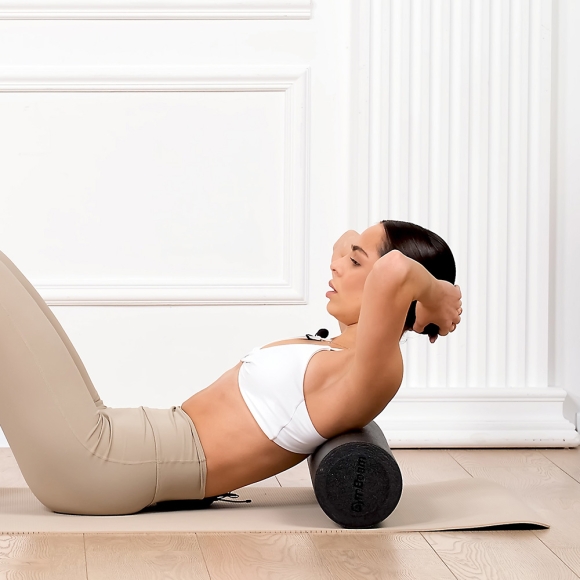
Place the roller across the upper back, support the head with the hands and gently extend over the roller. This can help mobilise the upper back, especially after long periods of sitting.
Upper back rolling
Lie with the roller under the upper back and use the feet to move slowly over the roller. Keep the movement controlled and avoid rolling onto the neck or lower spine.
Glute rolling
Sit on the roller and shift weight slightly to one side to target the glute muscles. Tight glutes and hips can contribute to back stiffness, especially after sitting or training.
Lat rolling
Lie on your side with the roller under the outer upper back and side body. Roll slowly through a short range to target the lat muscles, which can affect shoulder and upper back comfort.
Chest opening on a long roller
Lie lengthways along a long foam roller with the head and spine supported. Let the arms relax out to the side to gently open the chest and front of the shoulders.
Hip and thigh release
Use a compact or full-length roller on the quads, outer thighs and hip area. Improving comfort around the hips can help support better movement through the lower back.
For more general advice, see the Algeos guide: How to Choose and Use Foam Rollers.
Foam roller safety advice for back pain
Use caution with lower back pain
Do not aggressively roll directly over the lower spine. The lumbar area is more vulnerable to excessive pressure, especially if pain is acute or unexplained. For lower back tightness, it is often better to work on nearby areas such as the glutes, hips, hamstrings and upper back.
Seek professional advice before foam rolling if you have:
- Severe or worsening back pain
- Pain after a fall, accident or injury
- Numbness, tingling or weakness in the legs
- Pain spreading below the knee
- Changes in bladder or bowel control
- Fever, unexplained weight loss or feeling generally unwell
- Known spinal conditions, osteoporosis or recent surgery
Foam rollers are exercise and recovery aids. They are not diagnostic tools and should not be used to force painful movement.
Shop foam rollers for back mobility and recovery
Algeos supplies a range of Physioworx foam rollers for physiotherapy, rehabilitation, Pilates, yoga, fitness and home exercise. Choose from compact EVA rollers, long EVA rollers, robust EPP rollers and massage rollers for different comfort levels and exercise needs.
FAQs: foam rollers for back pain
What is the best foam roller for back pain?
For general back stiffness, a smooth medium to firm foam roller is usually the best starting point. A long roller is useful for upper back mobility, posture exercises and Pilates-style movements, while a shorter roller is better for targeted muscle release around the hips, glutes and shoulders.
Is a foam roller good for lower back pain?
A foam roller may help with lower back tightness when used carefully around the surrounding muscles, such as the glutes, hips and upper back. Avoid strong direct pressure on the lower spine, especially if pain is sharp, severe or unexplained.
Should I choose EVA or EPP foam?
EVA foam rollers are popular for comfort, support and controlled exercise. EPP foam rollers are lightweight, robust and resistant to repeated use, making them suitable for clinics, gyms and regular training environments.
What size foam roller is best for back exercises?
A 90cm foam roller is best for full-body positioning, spinal alignment exercises and lying lengthways. A 45cm roller is more compact and useful for targeted rolling, smaller rooms and travel.
How often should I use a foam roller?
Many people use a foam roller as part of a warm-up, cool-down or mobility routine several times per week. Start gently, keep sessions short and increase gradually based on comfort.
Can foam rolling make back pain worse?
Yes, if used too aggressively or in the wrong area. Rolling directly over painful joints, the lower spine or inflamed tissue can aggravate symptoms. Foam rolling should feel controlled and manageable, not sharp or unbearable.
Do I need an exercise mat with a foam roller?
An exercise mat can make floor-based foam rolling more comfortable and stable, especially for beginners or users working on hard floors.
Sold: Each
Incl. VAT Exl. VAT