



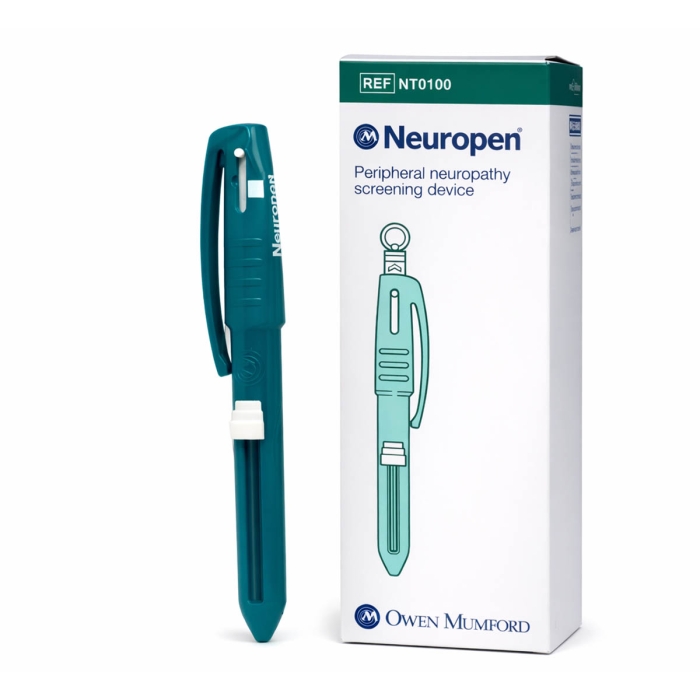
Neuropen Monofilament 10g with Neurotips for Neuropathy Testing
Neuropen provides accurate and reliable testing results, ensuring early detection and effective management of neuropathy.
Lightweight and easy to carry, making it practical for use across treatment rooms, community settings and home visits.
Combines 10g monofilament testing and Neurotip pain sensation testing.
Designed to help identify sensory loss sooner.

Product Description
Neuropathy Testing With Neuropen
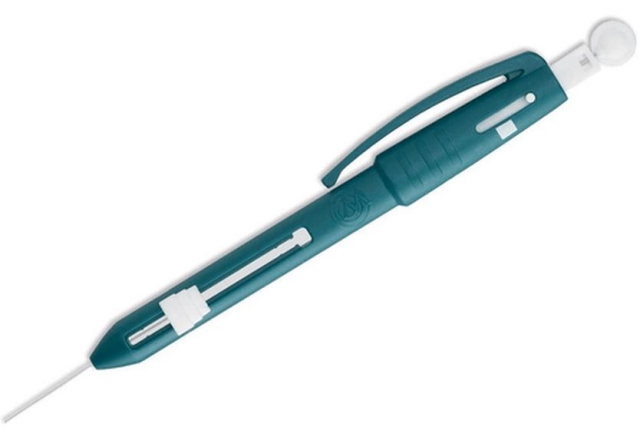
A compact sensory screening device designed to help clinicians assess peripheral neuropathy quickly and consistently. By combining a 10g monofilament for light-touch testing with a Neurotip for pain sensation testing, it supports practical screening in diabetic foot assessment, neurological review and routine clinical monitoring.
Suitable for podiatrists, diabetes teams, clinicians, nurses and other healthcare professionals who need a simple, portable tool for identifying sensory loss and supporting early intervention.
Key Selling Points
Two tests in one device
Combines 10g monofilament testing and Neurotip pain sensation testing in one compact instrument, helping streamline sensory screening.
Supports early neuropathy detection
Designed to help identify sensory loss sooner, which is especially important in diabetic foot screening and ongoing risk assessment.
Reliable and repeatable
Built for consistent clinical testing, helping practitioners carry out routine assessments with greater confidence.
Portable for clinic and domiciliary use
Lightweight and easy to carry, making it practical for use across treatment rooms, community settings and home visits.
Easy to handle
The pen-style format supports straightforward use and helps keep testing simple for both practitioner and patient.
Hygiene-friendly maintenance
Replaceable components help maintain performance and support good clinical hygiene standards during ongoing use.
What It Does and How It Works
This device is used to assess protective sensation and pain sensation as part of neuropathy screening. The 10g monofilament is applied with gentle pressure until it bends, helping check whether light-touch or protective sensation is present.
The Neurotip is then used to assess sharp sensation response. Using both methods together gives a broader picture of sensory function, which can be valuable when screening for diabetic neuropathy, peripheral nerve damage and other neurological sensory deficits.
When you buy a Neuropen, you will receive:
1 x Neuropen
1 x 10g Monofilament
1 x Neurotip
Instructions for use
Common Problems It May Help With
Reduced protective sensation
Helps identify loss of sensation that may increase the risk of unnoticed skin damage, pressure injury or foot complications.
Suspected peripheral neuropathy
Useful when sensory changes need to be screened, monitored or documented as part of routine assessment.
Diabetic foot risk assessment
Supports foot screening programmes where early recognition of sensory loss is important for prevention and care planning.
Post-treatment or ongoing monitoring
Can help track sensory changes over time in patients with neuropathy risk factors or known nerve impairment.
Applications and Suitability
This device is well suited to professional settings where fast, practical neuropathy screening is needed. Common applications include:
- Diabetic foot screening clinics
- Peripheral neuropathy evaluation
- General neurological sensory assessment
- Post-chemotherapy neuropathy screening
- Podiatry, primary care, community care and domiciliary visits
It is particularly useful for clinicians who want one compact tool for both light-touch and pain sensation checks.
Who It May Not Suit
This product is intended for professional clinical assessment rather than self-diagnosis at home. It may be less suitable for users who need a broader diagnostic system with electronic measurement, or for settings where only a single-test monofilament is required without a combined pain sensation element.
Where formal diagnosis or wider neurological investigation is needed, this device should be used as part of a fuller clinical assessment rather than as a standalone decision-making tool.
Product Images
Product Specifications
| Product type | Neuropathy testing device |
|---|---|
| SKU | NV0590 |
| Testing methods | 10g monofilament and Neurotip sensory testing |
| Primary use | Assessment of peripheral neuropathy and sensory loss |
| Format | Compact handheld pen-style device |
| Suitability | Professional clinical use |
| Portability | Suitable for clinic and domiciliary visits |
| Maintenance | Replaceable monofilaments and Neurotips to support hygiene and function |
| Sold as | Each |
Usage Instructions
- Check the device is clean, intact and ready for use before testing begins.
- Explain the procedure to the patient so they know what sensations to expect and how to respond.
- Use the 10g monofilament to assess light-touch or protective sensation by applying pressure until the filament bends.
- Use the Neurotip to assess pain sensation with gentle, controlled contact in line with your clinical protocol.
- Record responses clearly to help identify sensory loss patterns and support follow-up decision-making.
- After use, clean the device and replace components when required to maintain hygiene and reliable performance.
Benefits
More complete screening
By combining light-touch and pain sensation testing, the device supports a broader sensory check than a single-method tool alone.
Helps improve screening efficiency
Having both test functions in one handheld device can simplify setup and reduce the need to switch between separate tools.
Useful for diabetic foot care
Protective sensation testing is an important part of diabetic foot assessment, where early identification of sensory loss can help guide care.
Practical for routine use
The compact format makes it easy to include in everyday clinic workflows, annual reviews and outreach visits.
Supports informed clinical decisions
Consistent sensory testing helps provide clearer baseline information for monitoring, documentation and onward management.
Easy to maintain
Replaceable components help keep the device ready for repeat use while supporting hygiene and long-term functionality.
Contraindications & Warnings
This device is intended for trained healthcare professionals carrying out sensory assessment within an appropriate clinical setting. It should be used with suitable technique, clear patient communication and proper documentation.
Do not use damaged or worn components that could affect test consistency. Replace monofilaments and Neurotips when needed, and follow local infection-control procedures for cleaning, handling and disposal.
FAQs
What is the Neuropen used for?
It is used to assess sensory loss linked to peripheral neuropathy. In practice, it helps clinicians check light-touch or protective sensation and pain sensation as part of structured neurological or diabetic foot screening.
Why does it combine a 10g monofilament and Neurotip?
The two-part design allows clinicians to carry out more than one type of sensory check with the same device. This can make screening more efficient and can provide a more rounded picture of sensory function than using only one test method.
Who is this device suitable for?
It is suited to healthcare professionals involved in diabetic foot care, podiatry, neurological screening and general clinical sensory assessment. It is also useful for clinicians working across community care or domiciliary settings because it is compact and portable.
Can it be used for diabetic foot screening?
Yes, this is one of its main clinical uses. It supports screening for sensory loss that may be associated with diabetic neuropathy, helping clinicians identify patients who may need closer monitoring or preventative care.
Is it suitable for home self-testing?
It is better suited to professional use by trained clinicians. Interpretation of sensory findings should sit within a full clinical assessment, especially where neuropathy is suspected or symptoms are changing.
How is the 10g monofilament used correctly?
The filament is applied gently until it bends, which helps standardise the level of pressure used during testing. Consistent technique and accurate recording are important so the results are meaningful and repeatable.
Can components be replaced?
Yes, replaceable monofilaments and Neurotips are available for ongoing use. This helps support hygiene, consistent testing performance and longer service life for the device itself.
Is it useful outside diabetes care?
Yes, it can also be used in broader peripheral neuropathy and neurological sensory assessment. The device is described for use in general neurological review and in post-chemotherapy neuropathy screening as well as diabetic foot care.
What makes it useful for mobile or community work?
Its lightweight, pen-style design makes it easy to carry and simple to add to a treatment bag or clinic setup. That makes it practical for clinicians who move between rooms, sites or patient homes.
How should the device be maintained?
Clean the device after use and inspect it regularly for wear or damage. Replace the working components when needed so testing remains hygienic, consistent and clinically reliable.
Related Links
Product Summary
The Neuropen Monofilament 10g with Neurotips is a handheld clinical screening device for assessing peripheral neuropathy. It combines light-touch and pain sensation testing in one compact format, making it a practical choice for diabetic foot screening, neurological assessment and routine sensory monitoring in clinic or domiciliary settings.
Frequently bought together
Sold: Each
Incl. VAT Exl. VAT
Sold: Pack of 5
Incl. VAT Exl. VAT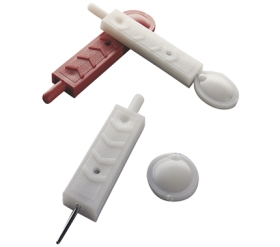
Sold: Pack of 100
Incl. VAT Exl. VAT
Sold: Pair
Incl. VAT Exl. VAT
Sold: Each
Incl. VAT Exl. VAT
Sold: Each
Incl. VAT Exl. VAT
Sold: Pair
Incl. VAT Exl. VAT
Sold: Pair
Incl. VAT Exl. VAT
Sold: Each
Incl. VAT Exl. VAT