



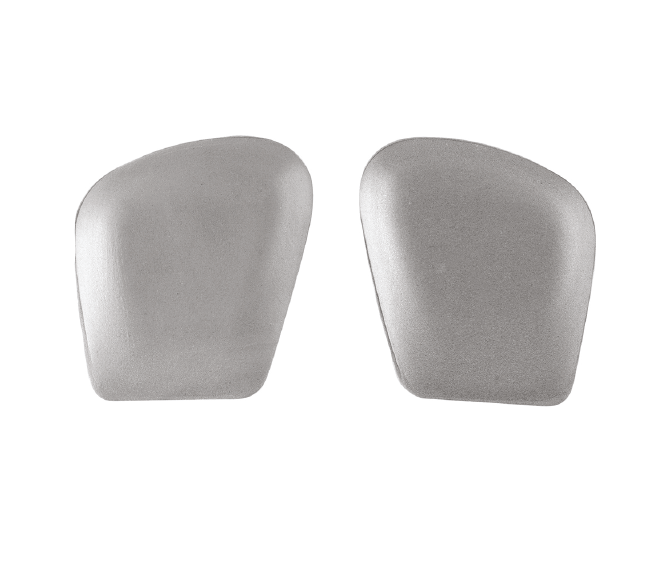
Interpod PMP Pads - Self Adhesive Forefoot Pads
Used for metatarsal pain and to re-distribute pressure from the met heads.
Self-adhesive forefoot pads can be easily cut and modified to fit your exact needs.
Sold: 5 Pairs
Incl. VAT Exl. VAT
Product Description
Forefoot Pressure Relief Pads from Interpod
A self-adhesive, customisable forefoot padding solution designed to help redistribute pressure beneath the metatarsal heads and fine-tune orthotic comfort.
Best for: people experiencing metatarsal discomfort, orthotic users needing targeted pressure adjustment, and individuals with clawed toes who may benefit from forefoot support.
Not ideal for: open wounds, broken skin, or situations where adhesive products are not advised.
- Designed for professional orthotic refinement
- Customisable trim-to-fit design
- Durable polypropylene construction
Use timeline
First use: When first applied, the PMP Pads may feel noticeable under the forefoot as pressure is redirected away from sensitive metatarsal heads. This sensation is typically described as supportive rather than soft cushioning.
Short-term use (first few days): As the foot adapts, most users find walking comfort improves, particularly during longer periods of standing or activity. Minor adjustments to pad placement may be required to achieve the most comfortable position.
Ongoing use (weeks): With consistent use, the pads become a familiar part of the footwear or orthotic setup, supporting more even pressure distribution and helping to reduce recurring forefoot discomfort. As with any orthotic addition - regular checks are advised to ensure continued suitability.
What is it?
Interpod PMP Pads are self-adhesive forefoot pressure management pads made from polyurethane. They are designed to sit beneath the forefoot, either directly in footwear or as an addition to existing orthoses, to alter how load is distributed across the metatarsal heads.
The pads can be trimmed and modified, allowing them to function as a metatarsal pad or reshaped into a metatarsal bar depending on individual requirements.
Who is it for?
These pads are suitable for adults who experience discomfort under the ball of the foot or who require subtle adjustments to their orthotic setup.
They are commonly used by healthcare-informed consumers, orthotic wearers and those managing ongoing forefoot loading issues. The ability to customise the shape makes them particularly useful where standard off-the-shelf padding does not quite meet the need.
What does it help with?
- Metatarsalgia: may help reduce peak pressure under painful metatarsal heads
- Forefoot overload: supports more even distribution of body weight during walking
- Clawed toes: can assist in creating a Reverse Windlass effect when positioned correctly
- Orthotic fine-tuning: allows small but meaningful comfort adjustments without replacing full devices
How does it work?
The PMP Pad works by subtly elevating and supporting the area just proximal to the metatarsal heads. This changes the way pressure is transferred through the forefoot during stance and propulsion. By redistributing load away from high-pressure points, the pad can help reduce localised discomfort.
When trimmed into a metatarsal bar configuration, it offers broader forefoot support. In cases of clawed toes, careful placement can encourage a Reverse Windlass effect, supporting toe mechanics during gait.
Problem and solution overview
| Common problem | How the PMP Pad helps |
|---|---|
| Pain under the ball of the foot | Redistributes pressure away from sensitive metatarsal heads |
| Discomfort when standing for long periods | Provides targeted forefoot support to reduce peak loading |
| Orthotics feel almost right but not quite comfortable | Allows fine adjustment without replacing the entire orthosis |
| Clawed or retracted toes | Can be positioned to assist with a Reverse Windlass effect |
Key benefits
- Targeted forefoot pressure relief where it is most needed
- Customisable shape to suit individual foot anatomy
- Supports orthotic refinement and comfort adjustments
- Self-adhesive backing for straightforward application
- Versatile use across multiple forefoot conditions
Fit and comfort check
The PMP Pad should feel snug and supportive, not painful. If discomfort increases, remove and reposition the pad. Small placement changes can make a noticeable difference. Ensure footwear has enough internal space to accommodate the pad without excessive tightness.
Common mistakes to avoid
- Expecting instant resolution of long-standing pain without an adjustment period
- Placing the pad directly under the most painful spot rather than just behind it
- Using the pad in very tight footwear with limited forefoot depth
- Ignoring signs of skin irritation from prolonged adhesive contact
How to use
- Ensure the foot, insole, or orthotic surface is clean and dry.
- Remove the backing from the self-adhesive pad.
- Position the pad just behind the metatarsal heads, not directly under them.
- Press firmly to secure in place.
- Walk a short distance to assess comfort and adjust placement if required.
- Trim the pad carefully if a different shape or metatarsal bar configuration is needed.
Technical specifications
| Product type | Forefoot pressure relief pad |
|---|---|
| Material | Polyurethane |
| Adhesive | Self-adhesive backing |
| Customisable | Yes, can be trimmed to shape |
| Fit | Universal - placement adjusted by user or practitioner |
| Pack contents | 5 pairs of PMP Pads |
| Care | Inspect regularly - replace if adhesion or structure degrades |
Frequently asked questions
Can these pads be used without orthotics?
Yes. They can be applied directly inside suitable footwear, although they are also commonly used as an addition to existing orthoses.
Are the pads reusable?
The pads are designed for ongoing wear, but adhesion may reduce over time depending on use and conditions. Replacement is advised once adhesion weakens.
Will they fit in all shoes?
They work best in footwear with adequate forefoot depth. Very tight or shallow shoes may not be suitable.
Can I cut the pads?
Yes. Trimming is encouraged to tailor the shape, including forming a metatarsal bar if required.
Are they suitable for daily wear?
Many users wear them daily, but it is sensible to build up wear time gradually and monitor comfort.
Do they correct foot conditions?
No. They are designed to support comfort and pressure management, not to correct underlying structural conditions.
Complementary products
The PMP Pads can be paired with supportive insoles, custom orthoses, cushioned forefoot socks, or footwear with a wider toe box to enhance overall comfort and pressure management.
Written by: Algeos Product & Clinical Content Team
Last reviewed: January 2026
This content is provided for buyer guidance and product understanding only. It does not replace professional assessment or medical advice.
Frequently bought together
Sold: Pack of 5 Pairs
Incl. VAT Exl. VAT
Sold: Sold per Pair
Incl. VAT Exl. VAT
Sold: Sold per Pair
Incl. VAT Exl. VAT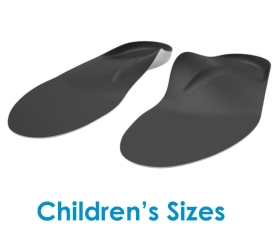
Sold: Sold per Pair
Incl. VAT Exl. VAT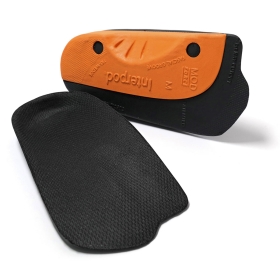
Sold: Sold per Pair
Incl. VAT Exl. VAT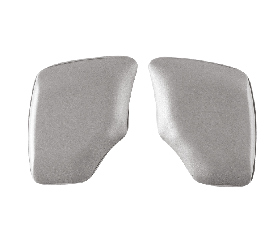
Sold: Pack of 5 Pairs
Incl. VAT Exl. VAT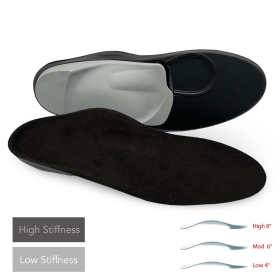
Sold: Sold per Pair
Incl. VAT Exl. VAT
Sold: Sold per Pair
Incl. VAT Exl. VAT
Sold: Pair
Incl. VAT Exl. VAT
Sold: Sold per Pair
Incl. VAT Exl. VAT
Sold: Sold per Pair
Incl. VAT Exl. VAT
Sold: Sold per Pair
Incl. VAT Exl. VAT
Sold: Sold per Pair
Incl. VAT Exl. VAT
Sold: Sold per Pair
Incl. VAT Exl. VAT
Sold: Sold per Pair
Incl. VAT Exl. VAT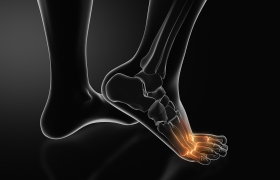
Sold: 5 Pairs
Incl. VAT Exl. VAT