




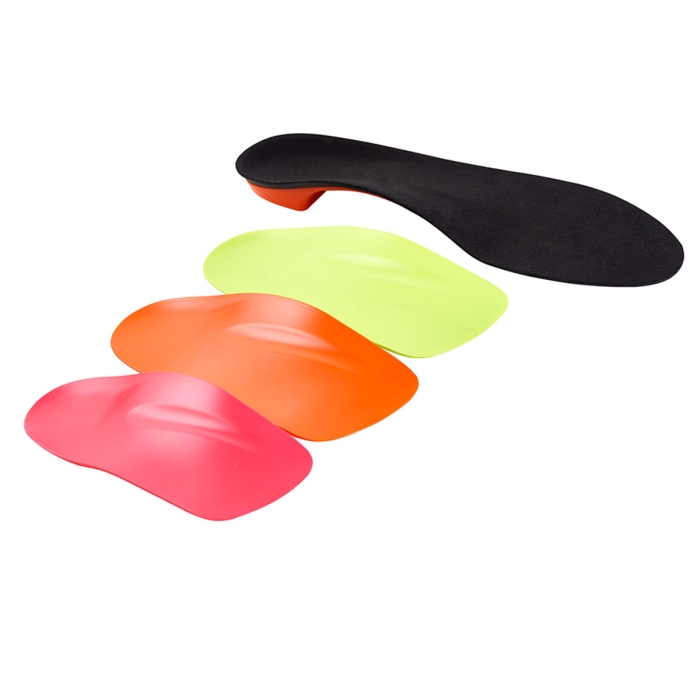
Interpod Flex Foot Orthotics
Interpod Flex Foot Orthotics - the original flexible polypro orthosis.
Professionals, please log-in for Trade Prices.
Sold: Sold per Pair
Incl. VAT Exl. VAT
Product Description
The Original Flexible Polypropylene Foot Orthotic
Interpod Flex Foot Orthotics is widely recognised as an original flexible polypropylene option, designed to deliver dependable support with a comfortable, slim fit.
Its flexible shell provides excellent arch support and durability, making it a popular choice for patients presenting with pronation- or supination-related mechanical issues.
The Interpod Flex has gained acclaim as one of the best foot orthotics in the world.
Features
Flexible Polypropylene Construction
The Interpod Flex is made from durable polypropylene material, providing both flexibility and support.
Three Arch Heights
Available in three arch heights — low, medium, and high — to cater to individual foot profiles.
Eliminates Pronation Moments
The lateral heel cup design helps eliminate pronation moments around the subtalar joint.
Optional Self-Adhesive Covers
Supplied with optional self-adhesive covers for added comfort and hygiene.
Thin and Lightweight
The slim fit helps improve comfort in a wide range of shoe styles.
Benefits
- Customisable support: choose an arch height based on patient needs.
- Easy to adjust: polypropylene is straightforward to grind and modify for a precise fit.
- Shock attenuation: the flexible shell can improve comfort and help absorb impact.
- Durable: designed for long-lasting use under regular wear.
Indications
The Interpod Flex is indicated for use when a flexible polypropylene foot orthotic is required to support foot function, improve comfort, and provide reliable arch control in everyday footwear.
- Pronation control: where excessive pronation is contributing to symptoms and additional rearfoot stability is required.
- Supination support: where reduced shock absorption and lateral loading are associated with symptomatic over-supination.
- Arch support needs: where low, medium, or high arch profiles are required to better match individual foot shape and support requirements.
- Flexible shell prescription: where a slim, lightweight orthotic is preferred for comfort across a wide range of shoe styles.
- Shock attenuation requirements: where a more compliant orthotic option is selected to improve comfort during daily activity.
Clinical note: selection of arch height and fit should be based on patient history, symptoms, and gait assessment, with the device adjusted as required for optimal comfort and function.
Uses
- Podiatry clinics: commonly used to support management of foot function and comfort.
- Patient-centric approach: consider patient history, symptoms, and gait analysis when selecting arch height and fit.
Interpod Flex is a versatile orthotic that combines evidence-based design with practitioner expertise.
The Interpod Flex is a practical alternative to custom-made orthotics for many patients. Made from durable polypropylene, the Flex range is available in three arch heights.
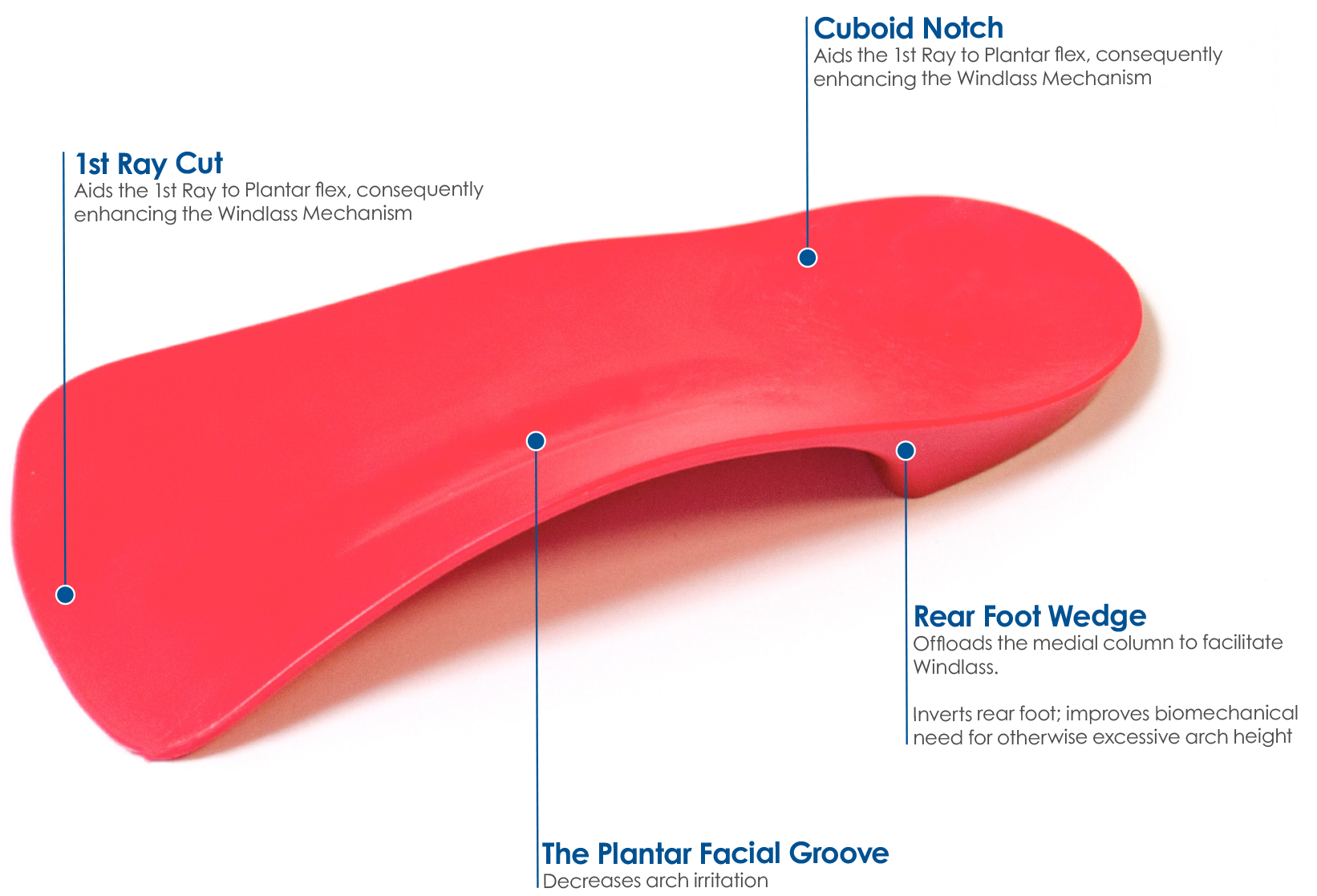
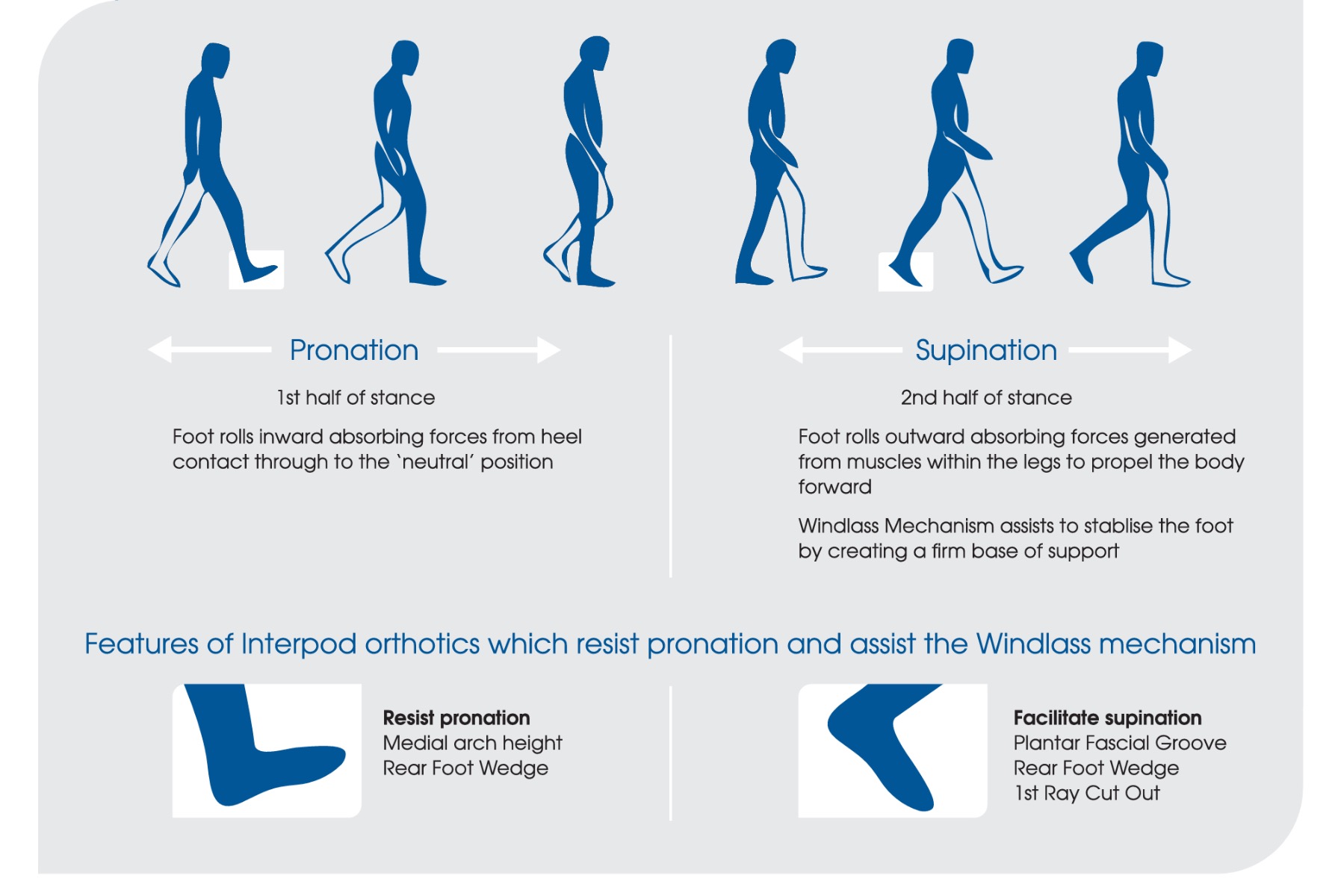
Interpod Usage Guidelines
Patient Benefits
Interpod design features, supported by independent research, can help improve orthotic prescription by reducing forces associated with painful symptoms while maintaining comfort in a preferred shoe style.
Wearing-in Instructions
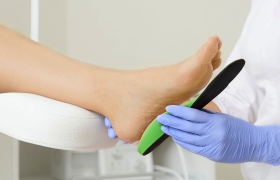
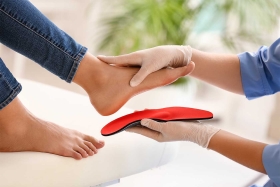
Follow your practitioner’s instructions. Place the coloured device under the top cover or insole, fitting the heel part of the footwear.
Begin by wearing your orthotics for one hour on day one, then increase by one hour each consecutive day.
After around two weeks, the orthotics should have moulded to the shape of your feet and you should be comfortably wearing them daily.
Minor discomfort is common whilst adjusting to orthotics. If discomfort persists, stop wearing your orthoses and consult your practitioner.
How should my Interpod orthotics feel?
Initially, you may feel pressure under the arch and heel area. This should reduce as your feet adapt.
Fitting tip: remove any existing inserts from your shoe. Place Interpod orthotics into the shoe and ensure the back of the orthotic is pushed firmly against the rear of the shoe.
Caring Instructions
Do not leave orthoses in direct sun. Remove any gravel from your footwear. Clean with a damp cloth and lukewarm soapy water only. Keep out of reach of pets.
Replacement of Foot Orthotics
Depending on frequency of use, Interpod Orthotics may last from several months to several years. Signs of wear can include cracking, degeneration of the top cover, damage to the shell, “bottoming out”, and discolouration.
To help maintain performance, a general rule of thumb is to replace insoles at least every 12 months.
FAQ
1) Who is the Interpod Flex best suited for?
The Interpod Flex is commonly chosen for people who need reliable arch support and improved foot control in everyday footwear, particularly where pronation or supination is contributing to symptoms. Suitability is best confirmed following a clinical assessment.
2) How is the correct arch height selected?
Arch height selection is typically guided by foot posture, symptoms, comfort, and clinical testing. One commonly used assessment is the Supination Resistance Test, which helps indicate how much force is required to supinate the foot. A higher resistance often points toward the need for greater arch support, while lower resistance may indicate a lower or more flexible arch height is appropriate.
3) What’s the difference between low, medium, and high arch versions?
The three arch heights are designed to match different foot profiles and support demands. Low arches generally suit flatter or more flexible feet, medium arches suit average profiles, and high arches are typically used where increased midfoot support is clinically indicated, including in higher supination resistance presentations.
4) Can I move my Interpod Flex orthotics between different shoes?
Yes, provided the footwear has sufficient depth and a stable heel counter. For consistent support and convenience, many users keep a pair in their most frequently worn shoes.
5) Do I need to remove the existing insole first?
In most cases, removing the shoe’s original insole improves fit and positioning. Always ensure the Interpod Flex sits flat and the heel is fully seated at the back of the shoe.
6) How long does it take to get used to them?
Most people adapt within 1–2 weeks when following a gradual wearing-in schedule. Mild pressure under the arch is common initially and usually settles as the foot adapts.
7) Can the Interpod Flex be adjusted if it feels uncomfortable?
Yes. The polypropylene shell can be modified by a trained professional to improve comfort, fit, or shoe accommodation. Persistent discomfort should always be reviewed rather than “pushed through”.
8) When should Interpod Flex orthotics be replaced?
Replacement is usually advised when there are clear signs of wear such as cracking, shell damage, loss of shape, or reduced comfort and support. As a general guideline, review or replacement is recommended at least every 12 months.
Frequently bought together
Sold: Sold per Pair
Incl. VAT Exl. VAT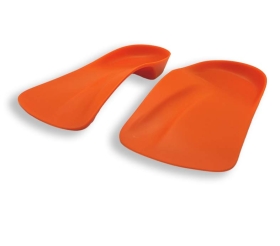
Sold: Sold per Pair
Incl. VAT Exl. VAT
Sold: Pack of 5 Pairs
Incl. VAT Exl. VAT
Sold: Pack of 5 Pairs
Incl. VAT Exl. VAT
Sold: 5 Pairs
Incl. VAT Exl. VAT
Sold: Sold per Pair
Incl. VAT Exl. VAT
Sold: Sold per Pair
Incl. VAT Exl. VAT
Sold: Sold per Pair
Incl. VAT Exl. VAT
Sold: Sold per Pair
Incl. VAT Exl. VAT
Sold: Sold per Pair
Incl. VAT Exl. VAT
Sold: Sold per Pair
Incl. VAT Exl. VAT
Sold: Sold per Pair
Incl. VAT Exl. VAT
Sold: Pair
Incl. VAT Exl. VAT
Sold: Sold per Pair
Incl. VAT Exl. VAT
Sold: Sold per Pair
Incl. VAT Exl. VAT
Sold: Pair
Incl. VAT Exl. VAT


Sold: Sold per Pair
Incl. VAT Exl. VAT