



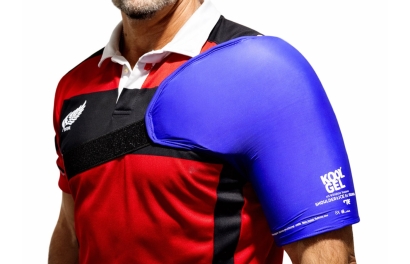
Shoulder pain is a common issue that can affect lifting reaching work and sleep. For many people simple non-invasive strategies such as hot and cold therapy can play a useful role in short-term comfort and recovery.
This clinical guide explains how heat and cold therapy work when they may be helpful and how to use them safely for shoulder-related discomfort.
Hot and cold therapy refers to the controlled application of heat or cold to an area of the body to help manage musculoskeletal discomfort. Cold therapy is generally used to help with swelling and irritation while heat therapy is used to ease stiffness and muscle tension.
How It Works and Why It Matters
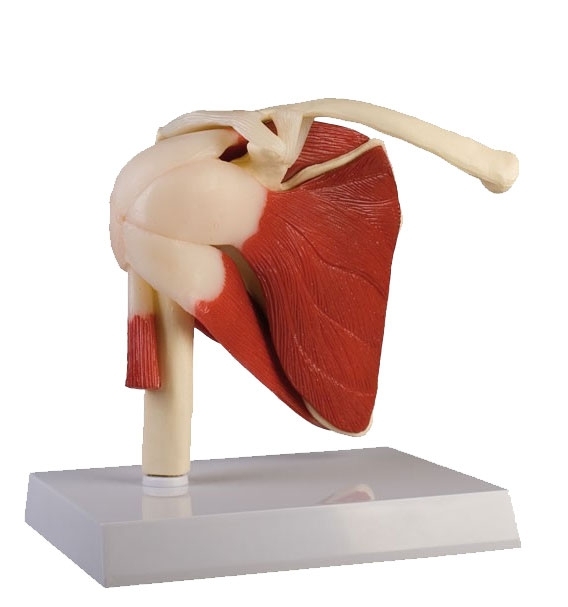
The shoulder is one of the most mobile joints in the body. It relies on a coordinated system of muscles tendons ligaments and bursae to function effectively. This complexity makes it vulnerable to discomfort caused by overuse minor strain or prolonged inactivity.
Hot and cold therapy does not treat underlying conditions but it can help manage symptoms that affect comfort and movement. Used correctly it may reduce the impact of everyday shoulder discomfort and support earlier return to normal activity.
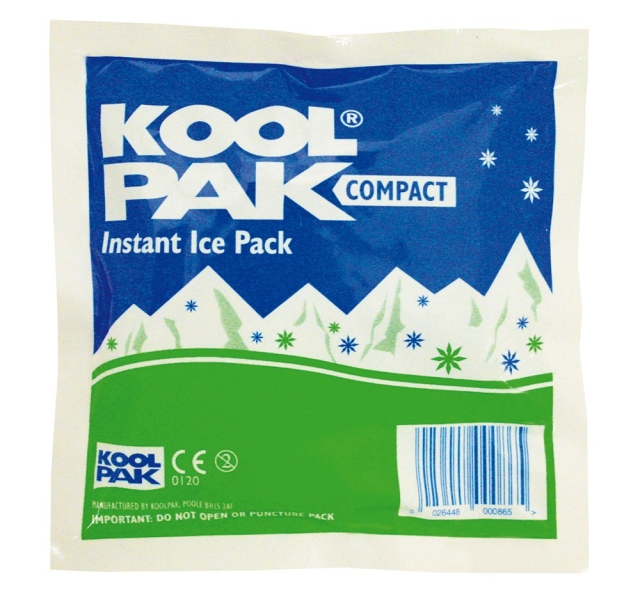
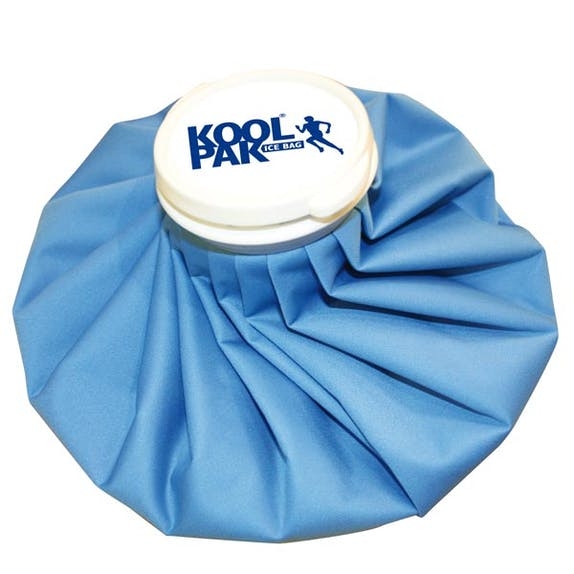
Cold therapy works by temporarily reducing blood flow to the affected area. This may help manage swelling and dull pain signals particularly after activity or minor injury.
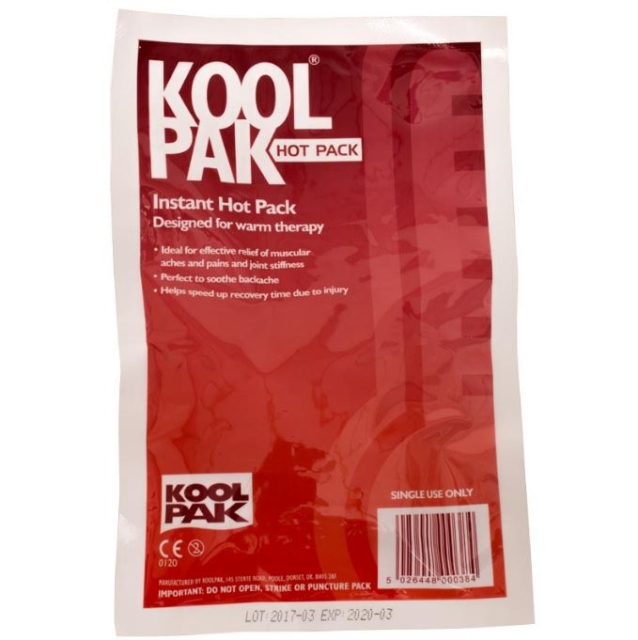
Heat therapy works by increasing blood flow helping tissues relax and improving flexibility which can reduce the sensation of stiffness.
What Users Say
Many people report that hot and cold therapy is easy to use and fits well into daily routines. Cold therapy is often described as helpful after physical activity or long periods of shoulder use. Heat therapy is commonly preferred in the morning or before gentle movement to ease stiffness.
Users frequently highlight the convenience of reusable shoulder wraps which allow hands-free use while sitting working or relaxing. Clinicians often recommend these products as part of a broader self-management approach for minor musculoskeletal discomfort.
Using Hot and Cold Therapy for the Shoulder
Step 1: Identify Your Symptoms
Consider whether your discomfort feels more like swelling tenderness or irritation or whether it feels stiff tight or achy. This helps guide whether heat or cold is more appropriate.
Step 2: Choose the Correct Therapy
- Use cold therapy for swelling inflammation or recent discomfort
- Use heat therapy for stiffness muscle tension or general aches
Step 3: Prepare the Product
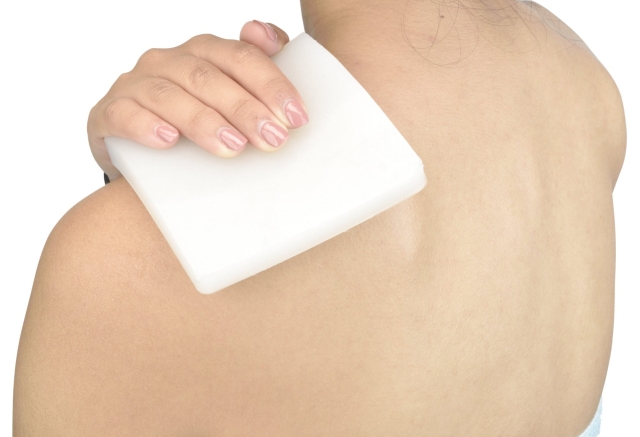
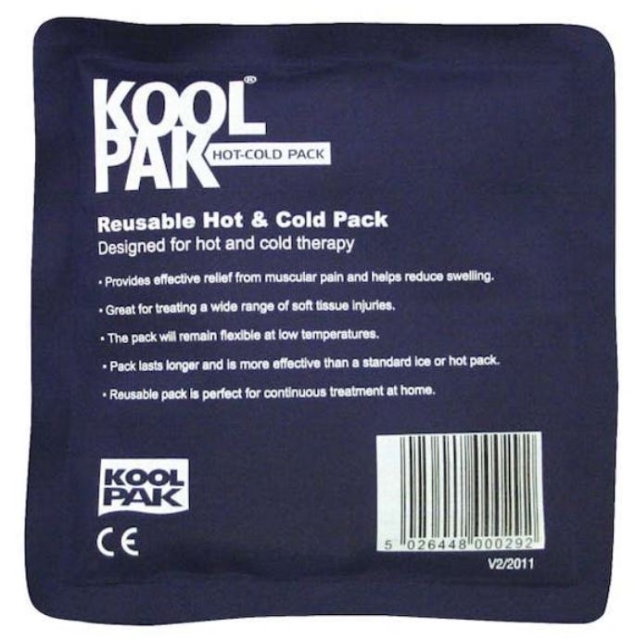
For cold therapy ensure the pack is cool but not frozen solid. For heat therapy warm the pack according to the manufacturer’s instructions. Always use a protective layer between the product and the skin.
Step 4: Apply for the Recommended Time
Apply hot or cold therapy for the duration specified by the manufacturer usually between 10 and 20 minutes. Avoid longer sessions as this does not increase benefit and may increase risk.
Step 5: Monitor Skin and Sensation
Check the skin regularly during use. Stop immediately if you notice numbness burning discomfort or skin irritation.
Step 6: Repeat as Needed
Therapy can be repeated according to guidance allowing the skin to return to normal temperature between sessions.
Heat vs Cold Therapy Comparison
| Feature | Cold Therapy | Heat Therapy |
|---|---|---|
| Best suited for | Swelling irritation recent discomfort | Stiffness tight muscles ongoing aches |
| Primary effect | Reduces blood flow and numbs sensation | Increases blood flow and relaxes tissue |
| Common timing | After activity or strain | Before movement or stretching |
| Typical duration | 10 to 20 minutes | 10 to 20 minutes |
Why Use a Shoulder-Specific Hot and Cold Product
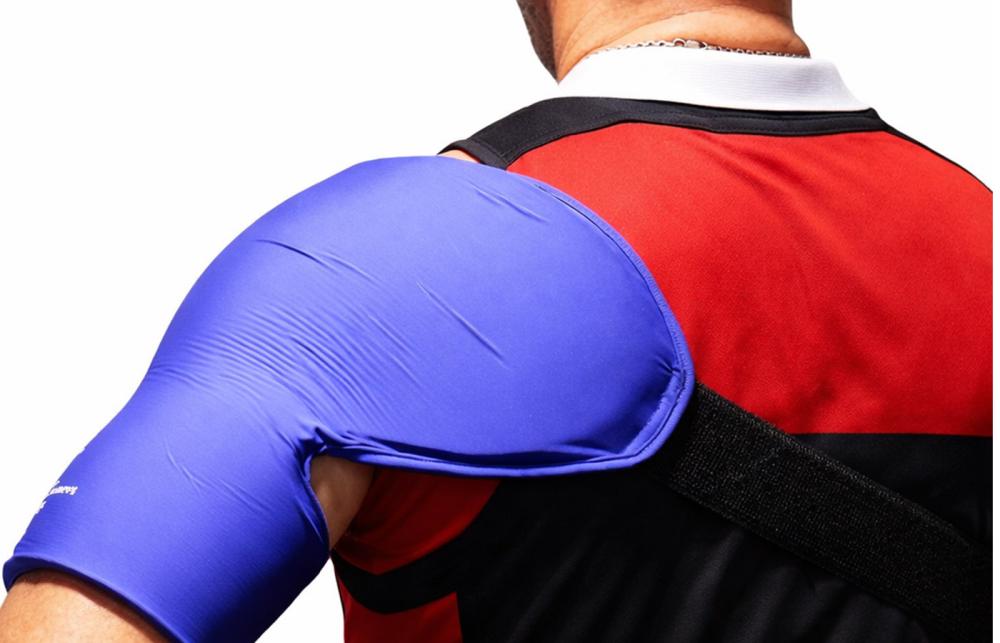
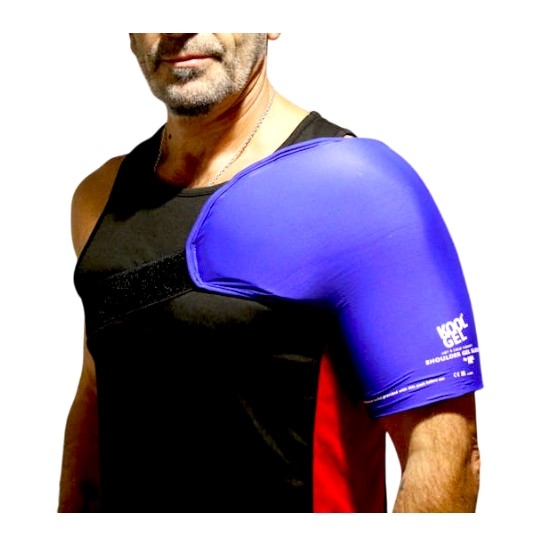
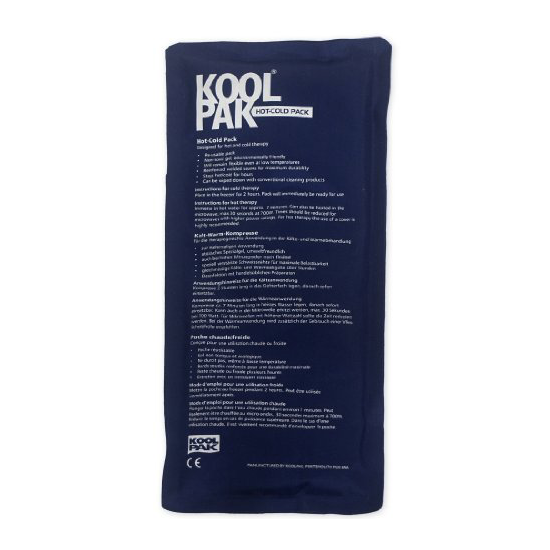
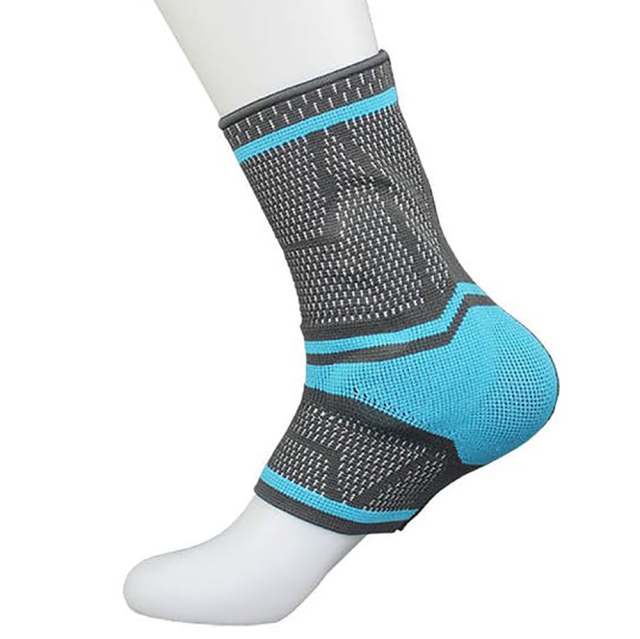
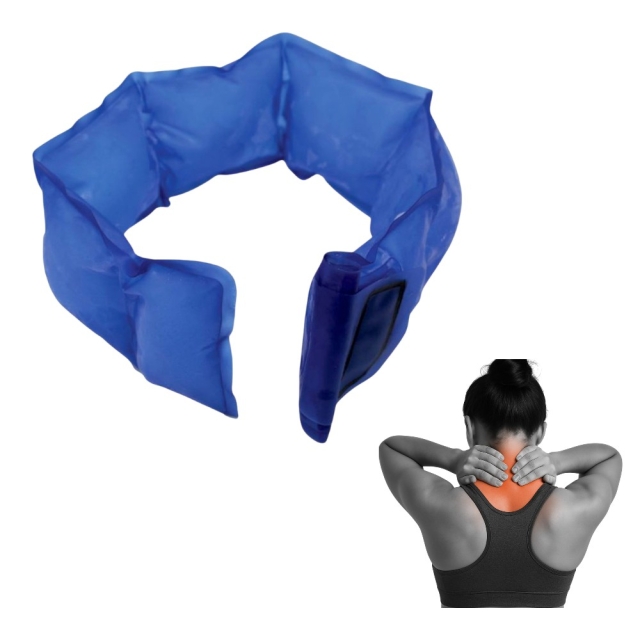
While basic gel packs can provide relief shoulder-specific sleeves or wraps offer practical advantages. These products are shaped to fit the joint allowing more consistent contact and targeted coverage.
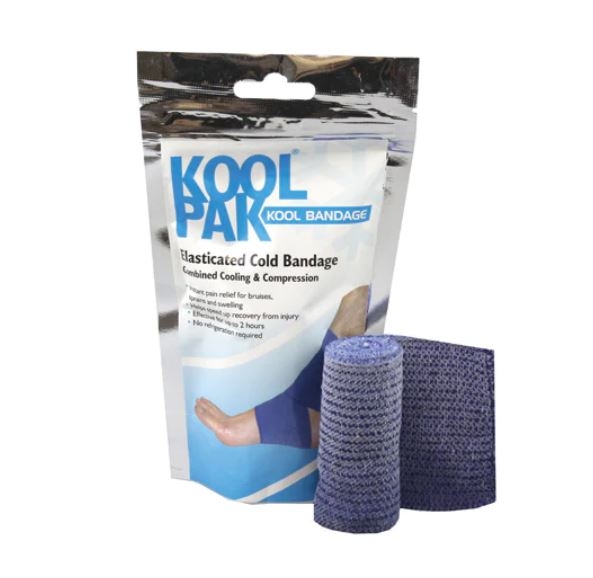
Many designs include gentle compression which may improve comfort and help keep the pack in place. Hands-free use allows people to continue normal activities such as reading desk work or light movement during therapy.
Reusable shoulder wraps are commonly used at home in work environments and as part of post-activity recovery routines.
Safe Use and Precautions
Hot and cold therapy is generally safe when used correctly but basic precautions are essential.
- Always follow the manufacturer’s instructions
- Avoid extreme temperatures
- Do not apply directly to broken or damaged skin
- Limit use to recommended durations
- Avoid use if sensation is impaired
Discontinue use if symptoms worsen or if skin changes occur.
When to Seek Professional Advice
Hot and cold therapy is suitable for managing many minor shoulder discomforts. However professional advice should be sought if pain is severe worsening or persistent or if there is significant swelling weakness or loss of movement.
People with existing shoulder injuries underlying medical conditions or circulatory disorders should consult a healthcare professional before using hot or cold therapy.
Frequently Asked Questions
Can I use heat and cold therapy on the same day?
Yes some people alternate between heat and cold depending on symptoms allowing time between applications.
How often can I use hot or cold therapy?
Most products can be used several times a day provided skin checks and rest periods are observed.
Is hot or cold better for shoulder stiffness?
Heat therapy is generally preferred for stiffness and muscle tightness.
Is cold therapy suitable after exercise?
Cold therapy is commonly used after activity to help manage irritation and swelling.
Can I sleep with a hot or cold pack on my shoulder?
This is not recommended due to the risk of prolonged exposure and skin injury.
Do shoulder wraps replace medical treatment?
No they are a supportive self-care option and do not replace professional assessment or treatment.
References and Research Sources
- NHS - Shoulder Pain Overview
- NHS - Exercise and Musculoskeletal Health
- National Center for Biotechnology Information - Cryotherapy and Thermotherapy
- Physiopedia - Cryotherapy
Author Bio
Marc Cameron is a product expert on medical devices for Algeos.

Sold: Each
Incl. VAT Exl. VAT