



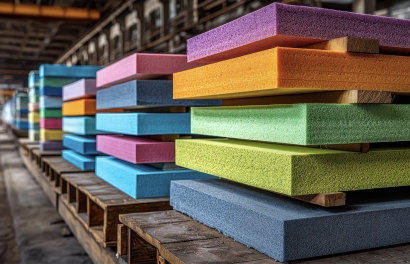
This mini-guide explores the key properties of our foams - including density, thermoforming ability and ease of shaping - as well as its many practical uses.
Jump to our EVA Foam Range pages
Density
EVA (ethylene-vinyl acetate) foam is lightweight, durable and adaptable for numerous applications. Its density determines how firm or flexible it feels, with options ranging from soft and cushiony to firm and supportive.
Low-density provides excellent cushioning, ideal for applications such as insoles, orthotic padding and protective packaging.
Higher-density offers greater support and strength, making it suitable for prosthetic components, industrial parts and structural gaskets.
Thermoforming
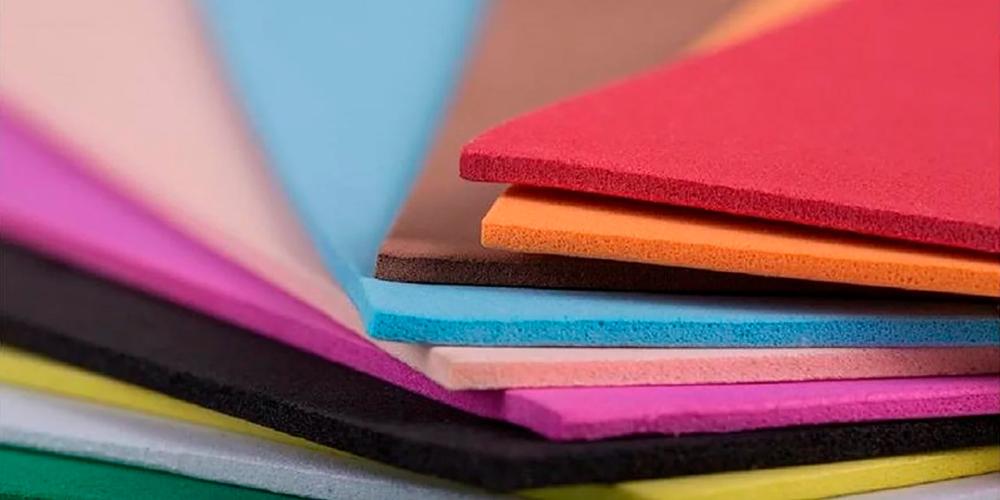
One of this foam's most useful properties is its ability to be easily thermoformed. When heated, the foam can be shaped into custom forms and detailed designs with precision.
This makes it ideal for products that require tailored contours - from custom orthotic insoles and ergonomic handles to protective equipment and technical components.
The ability to heat-shape it makes it one of the most versatile materials for manufacturing and healthcare applications.
 |
EVA Heating Temperatures Guide
The ideal moulding temperature depends on foam thickness and hardness. Use the following as a guide:
| EVA Density (Shore A) | Thickness | Temperature Range (°C) | Exposure Time (Seconds) |
|---|---|---|---|
| A25-A35 | 7.5mm | 75-100 | 30-60 |
| A25-A35 | 15mm | 100-130 | 30-90 |
| A50 | 7.5mm | 85-110 | 30-80 |
| A50 | 15mm | 110-140 | 30-120 |
| A65 | 7.5mm | 90-120 | 30-100 |
| A65 | 15mm | 120-150 | 30-140 |
The above temperatures and times should be adjusted according to the following principles:
- Thinner sheets require lower temperatures and shorter exposure times. Test in stages to find optimal settings for your material and equipment.
- The heating method matters - direct infrared heat is stronger than circulating air systems, so reduce temperatures accordingly.
- Do not exceed 200°C when working with EVA to avoid degradation, which can release acetic acid and cause a vinegar-like smell or material corrosion.
Cutting
The foam material is easy to cut and shape, allowing quick customisation for a wide variety of applications. Whether using hand tools or CNC machinery, it can be trimmed precisely to create detailed designs and accurate fits.
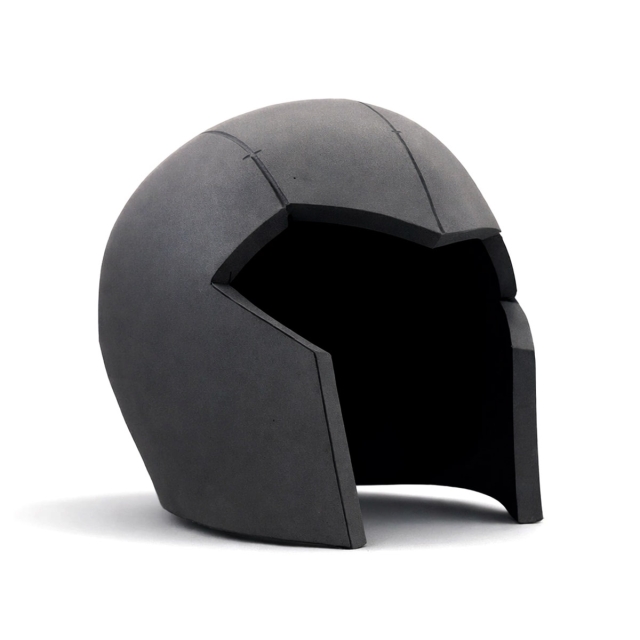
This ease of cutting makes it suitable for countless uses. It’s ideal for everything from detailed cosplay designs and stage props to durable protective padding in sports and healthcare equipment.
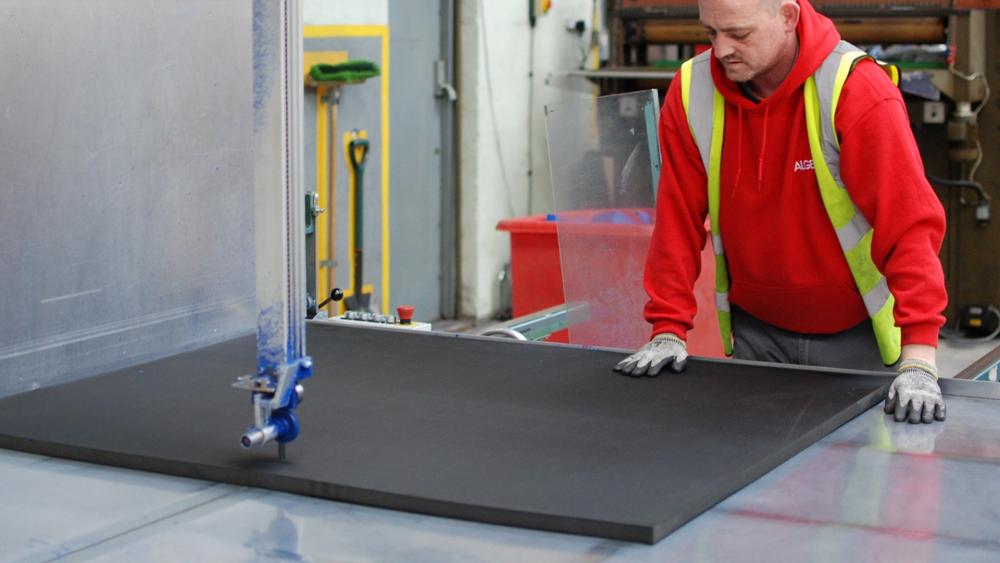 |
Algeos EVA Material Conversion Facilities
Algeos can laminate, split and cut sheet materials in-house. Choose from a wide selection of thicknesses, sizes, and lamination options to match your needs. If you require something unique such as Poron bonded to EVA or multi-layer sheets - we can produce it to order.
Our on-site machinery allows us to modify and convert materials precisely to specification, helping customers get exactly what they need for their applications.
Learn more: Algeos Manufacturing Services
Uses for EVA
The adaptability of our foam means it’s used across numerous industries and applications:
Footwear: Used for insoles, midsoles and outsoles, the foam provides lightweight cushioning and shock absorption, ideal for athletic, casual and orthopaedic shoes.
Packaging: The foam offers excellent protection for fragile goods during transport. Its cushioning properties absorb shocks, making it perfect for electronics, glassware and delicate equipment.
Orthotics and prosthetics: Professionals use our materials for orthotic insoles, heel cups, prosthetic liners and other components, thanks to its comfort, support, and durability.
Arts and crafts: Hobbyists and artists love our foam for its flexibility and ease of use. It can be cut, sculpted, heat-formed and painted for cosplay, theatre props, and creative projects.
Sports and recreation: The foam adds safety and comfort to sports gear, yoga mats, helmets, body armour and flotation devices.
Marine applications: It can be shaped for boat decks, swim platforms, interior trims and non-slip flooring, providing comfort and durability in wet environments.
Learn more: Boat Building and Repair Techniques using EVA Foam
Algeos Products Made from EVA
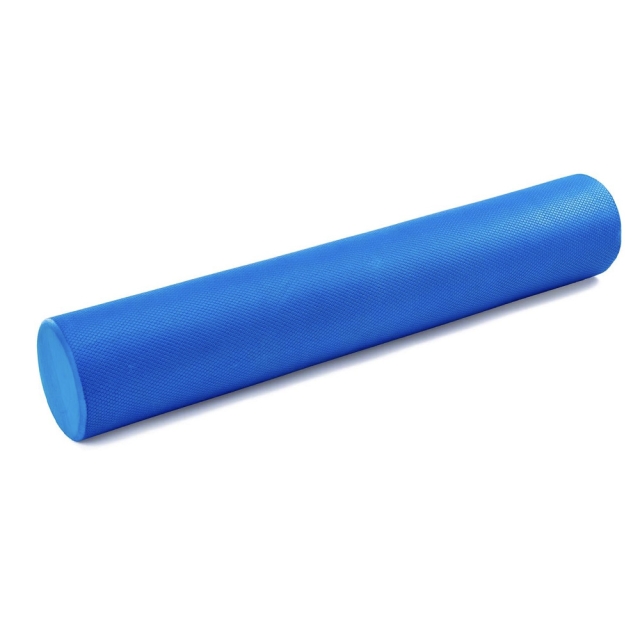
| EVA Foam Rollers | EVA Foam Yoga Blocks | EVA Foam Gym Mats |
| EVA Balance Pads | EVA Orthotic Insoles | EVA Heel Raises |
| EVA Heel Lifts | EVA Wedge Strips | EVA Orthotic Blocks |
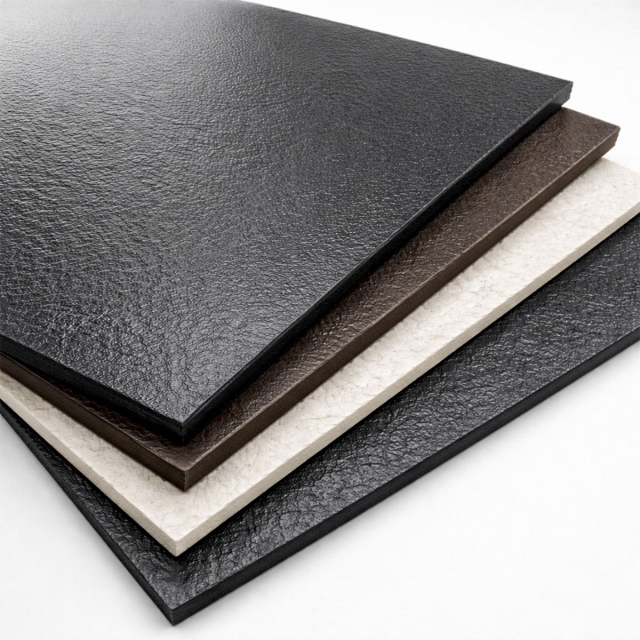
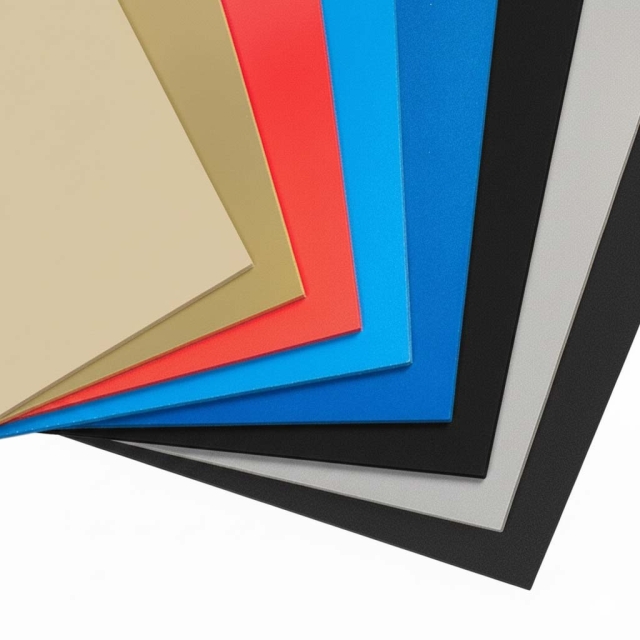
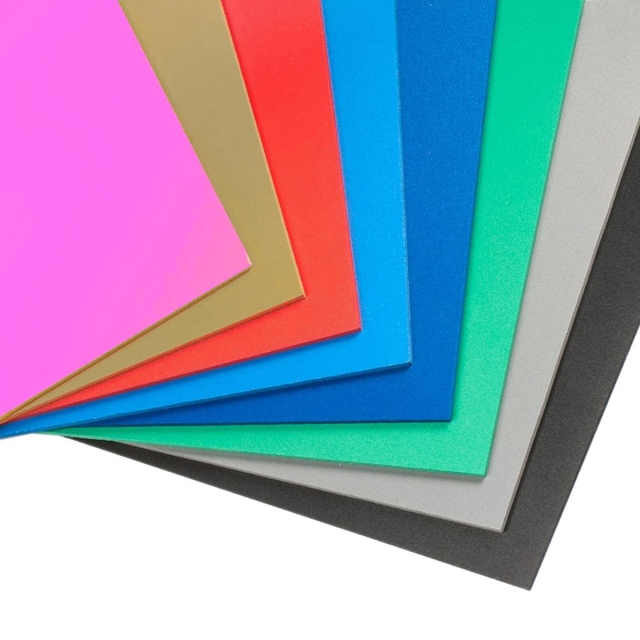
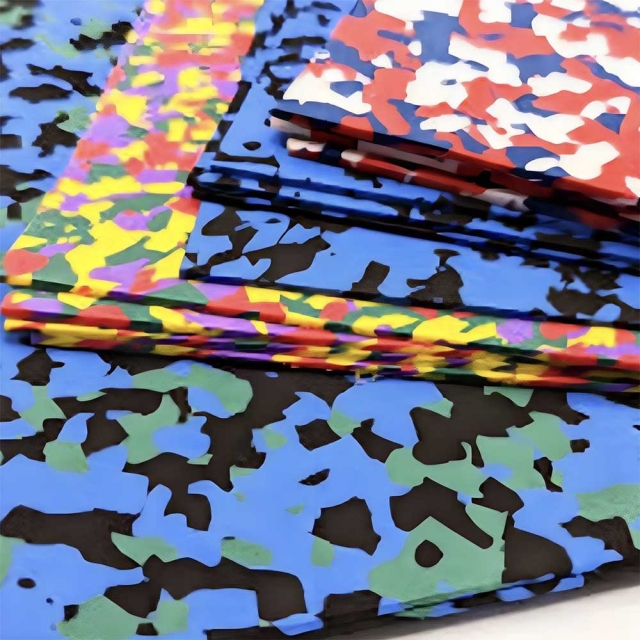
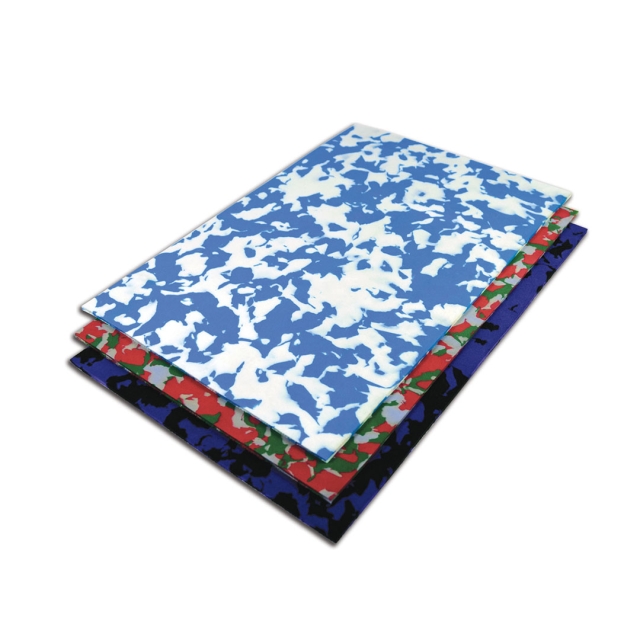
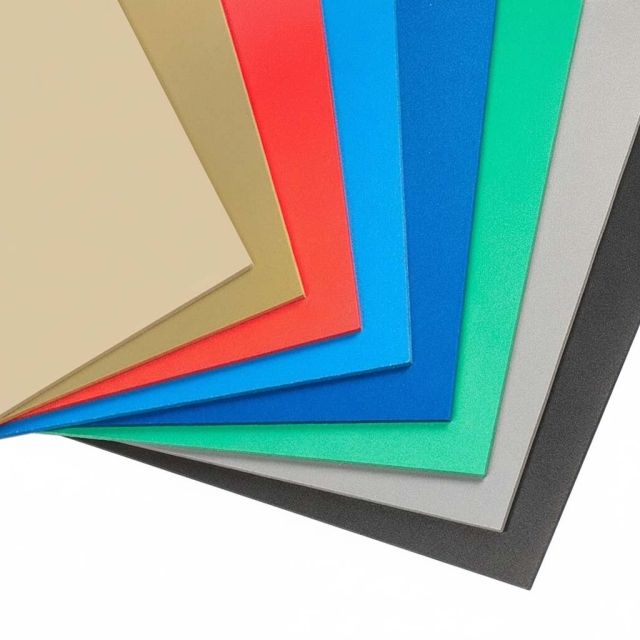
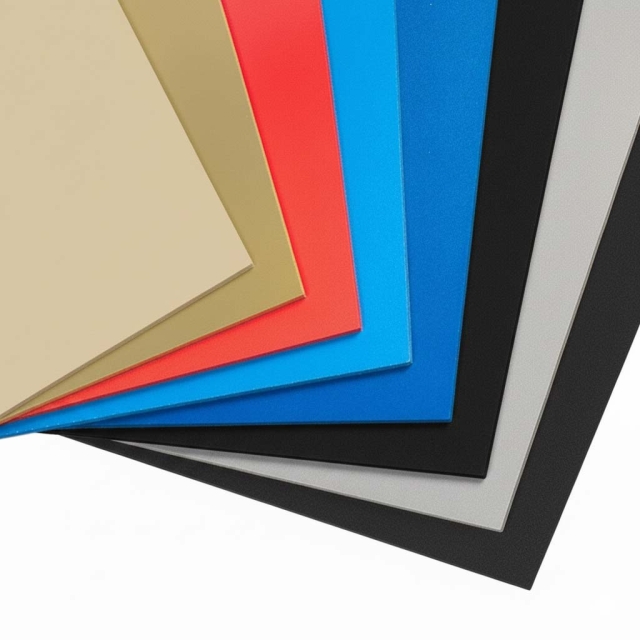
Algeos offers EVA materials in multiple densities, colours and thicknesses. We can convert it into sheets, blocks, parts or custom components.
EVA Foam FAQ (Ethylene-Vinyl Acetate Foam)
1) What is EVA foam?
EVA stands for ethylene-vinyl acetate. It’s a soft-to-firm foam (depending on grade) used across healthcare, orthotics, sports, packaging, and creative industries because it offers a useful balance of comfort, durability, and shock absorption.
2) What makes EVA foam so useful?
EVA is lightweight, water-resistant, and easy to cut and shape. It’s also available in a range of densities—so you can choose anything from soft cushioning to firm support depending on the job.
3) What are common orthotic and clinical uses for EVA materials?
In orthotic and prosthetic settings, EVA is commonly used for insoles, heel cups, orthotic padding, wedges/posting, and selected liner and interface applications. Clinically, it’s valued because it can help fine-tune comfort, shock attenuation, and pressure distribution while still allowing controlled support when higher densities are used.
4) Is EVA foam easy to customise?
Yes. EVA sheets can be cut, skived, sanded, layered, and bonded with suitable adhesives. Many grades are also thermoformable, so they can be heat-shaped for contoured designs - useful for custom orthotics, ergonomic supports, and detailed workshop projects.
5) What does 'density' mean in EVA foam sheets?
Density is a key factor that influences how EVA behaves under load. In simple terms:
- Lower density EVA = softer feel, higher comfort, more cushioning
- Higher density EVA = firmer feel, more stability, better structural support
Choosing the right density is often the difference between a material that feels “nice” and a material that performs well in the real world.
6) Can EVA foam be moulded with heat?
Yes. One of EVA’s standout features is thermoformability. With controlled heating, many EVA grades can be shaped into precise contours and retained once cooled - helpful for custom orthotic shaping, ergonomic supports, and protective components.
7) What are common non-medical uses for EVA foam?
EVA is widely used in footwear midsoles and insoles, sports padding, protective packaging, marine products, flooring, and general workshop applications. It’s popular because it’s comfortable, resilient, and easy to work with.
8) Is EVA foam resistant to moisture and outdoor conditions?
EVA is generally water-resistant (closed-cell), which helps it hold up in damp environments. Many EVA foams also offer decent resistance to everyday wear and tear. For long-term outdoor exposure, performance can depend on the specific grade, additives, and whether the foam is protected by coverings or finishes.
9) Can EVA foam be used for DIY and creative projects?
Absolutely. EVA is a favourite for cosplay, props, play mats, education/crafts, and workshop builds because it cuts cleanly, heat-shapes well, and can be finished (including painting) with the right prep and coatings.
10) Does EVA foam come in different thicknesses and colours?
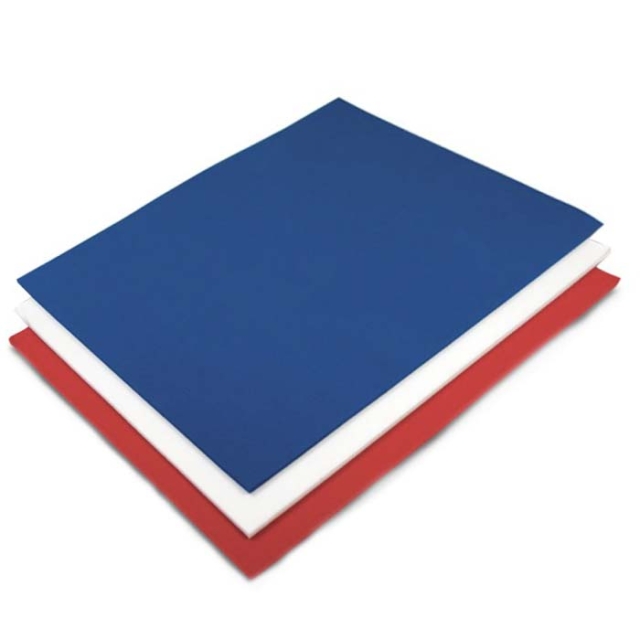
Yes. EVA sheets are commonly available in multiple thicknesses, densities, and colours, allowing you to match the material to the application - whether you need soft cushioning, firmer support, or visual differentiation for fabrication workflows.
EVA vs other common foams
If you’re choosing materials for orthotics, rehab or fabrication, this quick comparison helps clarify where EVA fits.
| Material | Typical feel | Key strengths | Common use cases |
|---|---|---|---|
| EVA (Ethylene-Vinyl Acetate) | Soft to firm (wide range) | Thermoformable options, easy to shape, good cushioning/support balance, water-resistant | Orthotic posting/padding, insoles, rehab supports, footwear components, workshop builds |
| PU Foam (Polyurethane - Poron) | Often softer, 'spongier' | Good comfort, can feel plush, commonly used in cushioning layers | Comfort layers, cushioning inserts, general padding (grade dependent) |
| Rubber foams / elastomers | Often firmer, more 'spring' | Durability, resilience, grip, wear resistance (varies widely) | High-wear environments, shock pads, anti-slip uses |
Written by Algeos content team - specialists in orthotic and prosthetic materials, rehabilitation products, and clinical fabrication supplies. This FAQ is written to support clinicians, technicians, and informed consumers choosing materials for comfort, support and performance.
Read more on uses for EVA foam here:
Sold: Sheet
Incl. VAT Exl. VAT