




Glass and carbon composites have moved from specialist labs into everyday orthotic and prosthetic practice. The attraction is simple - high strength and stiffness at very low weight with the ability to tailor behaviour by changing weave, lay-up, and resin. This guide summarises what the materials are, why they matter clinically, and how to use them well from design through to follow up.
Definition
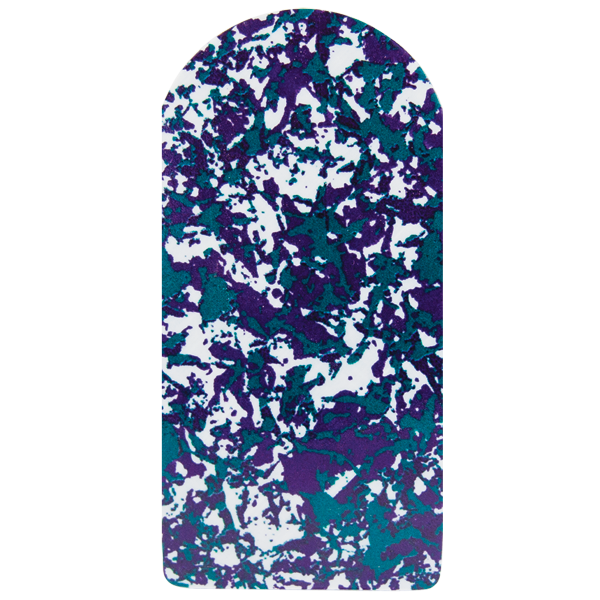
Glass fibre composite - continuous E-glass or S-glass fibres in a polymer matrix such as epoxy, polyester, or thermoplastic. Common in shells, reinforcement layers, and cost sensitive builds.
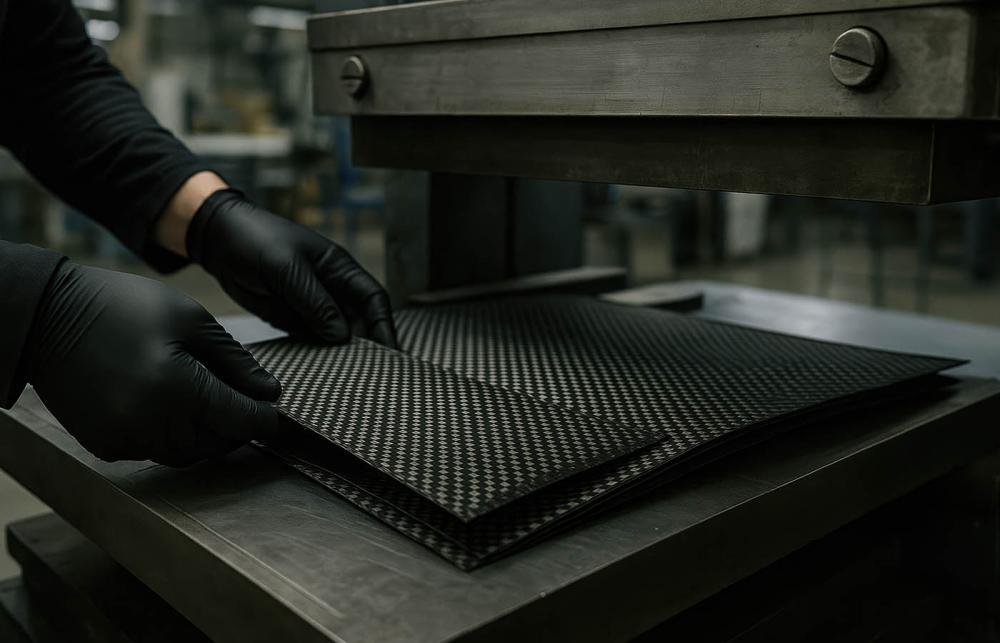
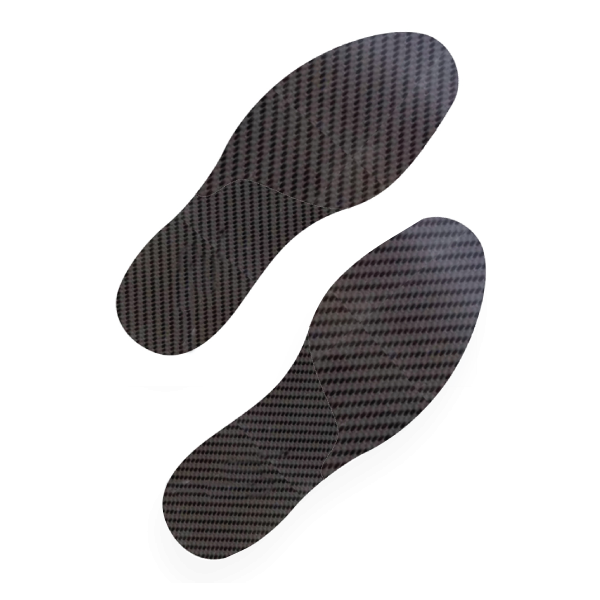
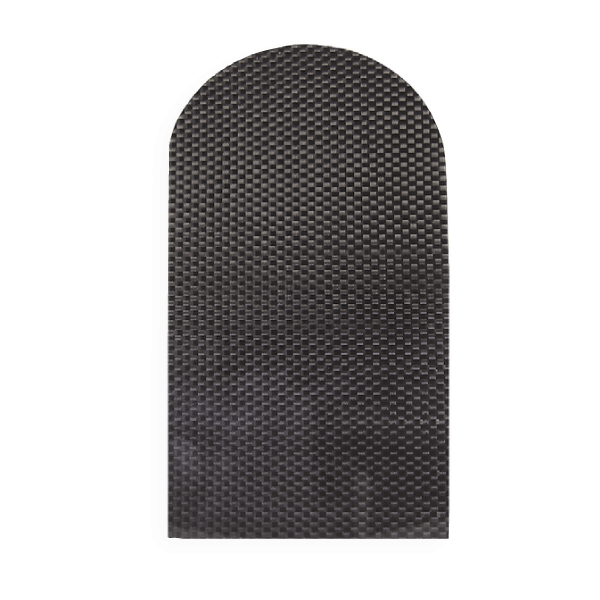
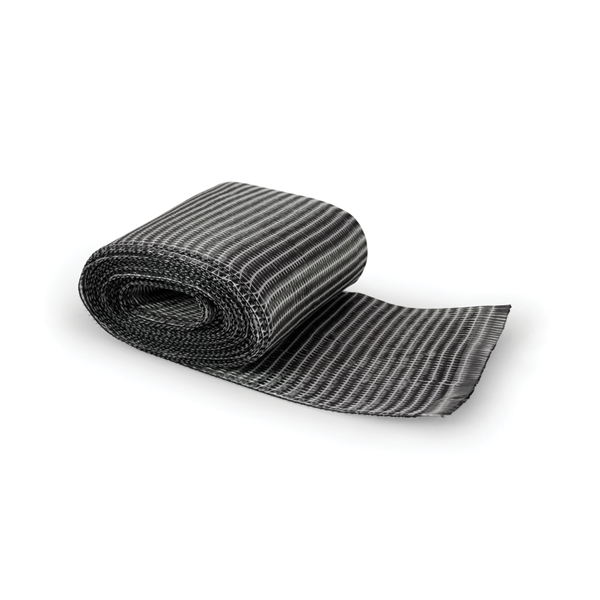
Carbon fibre composite - carbon fibres in woven or unidirectional forms embedded in a resin matrix. Favoured for ankle-foot orthoses, dynamic foot plates, socket reinforcements, pylons, and energy storing prosthetic feet due to very high stiffness-to-weight and fatigue performance. Peer-reviewed reviews and studies document extensive O&P use and performance tuning via laminate design. Review Medical applications
How it works - Why it matters
- Strength-to-weight and stiffness-to-weight are markedly higher than most monolithic plastics and many metals which allows slimmer profiles and lighter devices. Source
- Energy storage and return - carefully profiled carbon laminates store elastic energy through stance and return it at push off that can support gait symmetry and propulsion in ESR feet. Evidence for improved step length symmetry exists although effects on metabolic cost can vary by design and user. Study
- Design flexibility - fibre orientation, ply count, hybridising glass and carbon, and resin choice tune bending, torsion, and damping which lets you target load paths rather than adding bulk. Hybrid composites
- Fatigue and durability - correct lay-up and cure improve cyclic performance. Lamination design directly affects tensile and flexural strength in prosthetic feet. Lamination effects E-glass vs hybrid data
- Clinical payoffs - lighter devices can reduce distal mass, improve swing clearance, and enable footwear compatibility without sacrificing control. Carbon AFOs and custom dynamic orthoses show measurable effects on gait mechanics in specific populations. Offloading with carbon AFOs CFO design and gait
Caveats - material cost, process control, and quality assurance are non trivial. Poor wet out, voids, or poorly designed interfaces undermine performance and safety. Detail
What users say
Reports from trials and case series point to lighter feel, crisper rollover, and improved stability when stiffness is well matched to the user. Carbon AFOs can improve balance and walking measures in neurological conditions and vascular disease although results depend on device tuning and rehab context. CMT case report PAD study Pilot offloading study
Step-by-step guide - from brief to delivery
- Define functional targets - establish activity level, user mass, terrain, footwear space, desired stiffness, and allowable deflection. For prosthetic feet decide energy return profile and keel geometry. For AFOs define ankle moment envelope and rocker timing. Ground decisions in objective goals such as step length symmetry or walking economy. Example outcome
- Choose material system - glass for cost efficiency and ductility, carbon for stiffness and mass reduction, hybrids to blend behaviour. Evidence supports hybrid E-glass/carbon for tuned flexural strength in prosthetic feet. Hybrid data Hybrid O&P work
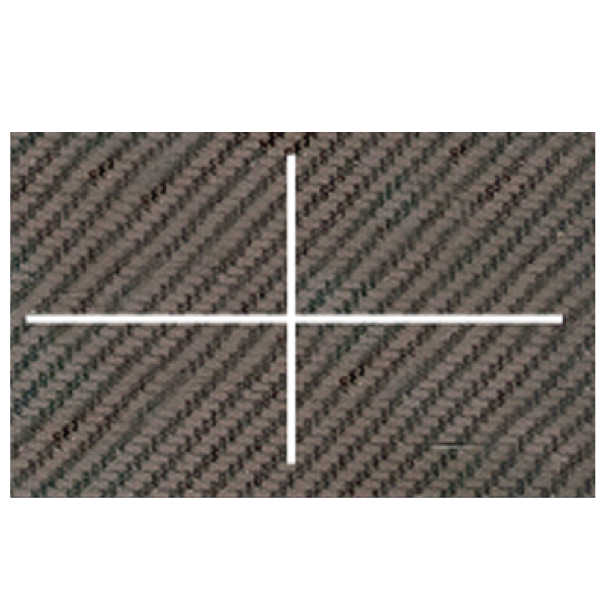
- Design the laminate - specify ply count and orientation (0 - 90 - ±45), local reinforcements, and resin. Cross ply and lattice or sandwich variants can increase energy storage and tune vibration in ESR feet. Cross ply ESR foot Optimising ESR design
- Model and verify - use simple beam theory for first pass then FEA for hotspots at interfaces and strut roots. Validate with bench tests for flexural stiffness and cyclic durability where feasible. 3D printed composite foot - numerical and experimental
- Manufacture - prepare mould or last, ensure clean edges and radii to reduce stress risers. Use prepreg or controlled resin infusion, vacuum bagging, and appropriate cure with post cure where specified. Keep a laminate traveller for traceability. Lamination quality strongly influences tensile and impact performance. Lamination effects
- Integrate and align - manage interfaces with bonded inserts or clamped plates, avoid drilling close to free edges, and finish edges smoothly. Align under load and confirm rollover and shank progression for AFOs and socket-foot alignment for prosthetics.
- Fit - educate - review - verify comfort and skin integrity, confirm gait objectives, and set inspection intervals. Teach users to spot red flags such as new noises, visible cracks, softening, or unexpected deflection.
- Iterate - if outcomes fall short adjust stiffness by changing ply count or weave, shift reinforcement to high moment regions, or hybridise with glass to modulate feel without a full rebuild. Glass vs carbon in partial foot orthosis
Comparison tables
Glass vs carbon composites
| Property | Glass fibre composite | Carbon fibre composite |
|---|---|---|
| Material cost | Lower | Higher |
| Strength-to-weight - stiffness-to-weight | Good | Excellent - superior ref |
| Energy return potential in feet | Moderate | High - widely used in ESR feet ref |
| Fatigue behaviour | Acceptable with good process | Often better when laminate and cure are well controlled ref |
| Manufacturing sensitivity | Lower to moderate | Higher - quality of lay-up and cure strongly affects outcome ref |
| Best use cases | Reinforcements, shells, cost constrained builds | Dynamic AFO struts, foot keels, high activity users |
Typical clinical applications - materials at a glance
| Appliance | Common composite choice | Rationale | Notes - evidence |
|---|---|---|---|
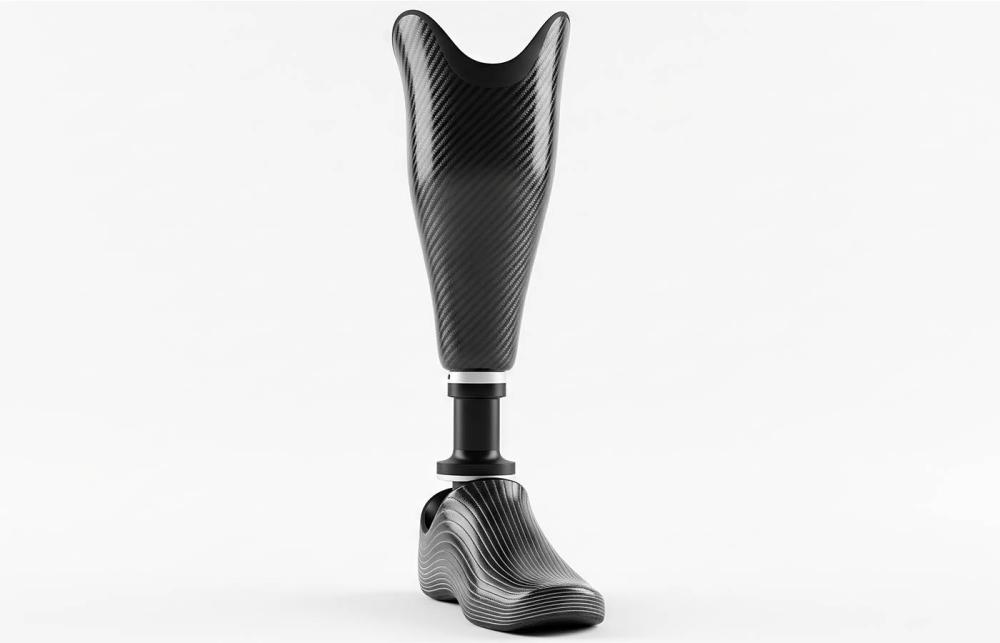
| Energy storing prosthetic foot | Carbon - sometimes hybrid with glass | High energy return, low mass, tuned stiffness | Improved step length symmetry in transtibial users has been observed. JNER - laminate design influences strength. MDPI |
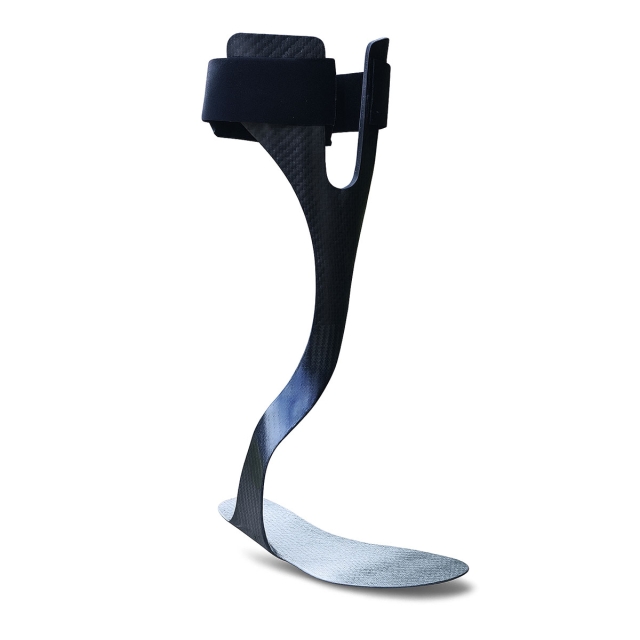
| Custom dynamic AFO - carbon strut | Carbon unidirectional with woven overwrap | Stiffness targeting for plantarflexion restraint and rollover | Offloading and gait effects reported. Pilot study - design affects centre of pressure and perceived smoothness. Clin Biomech |
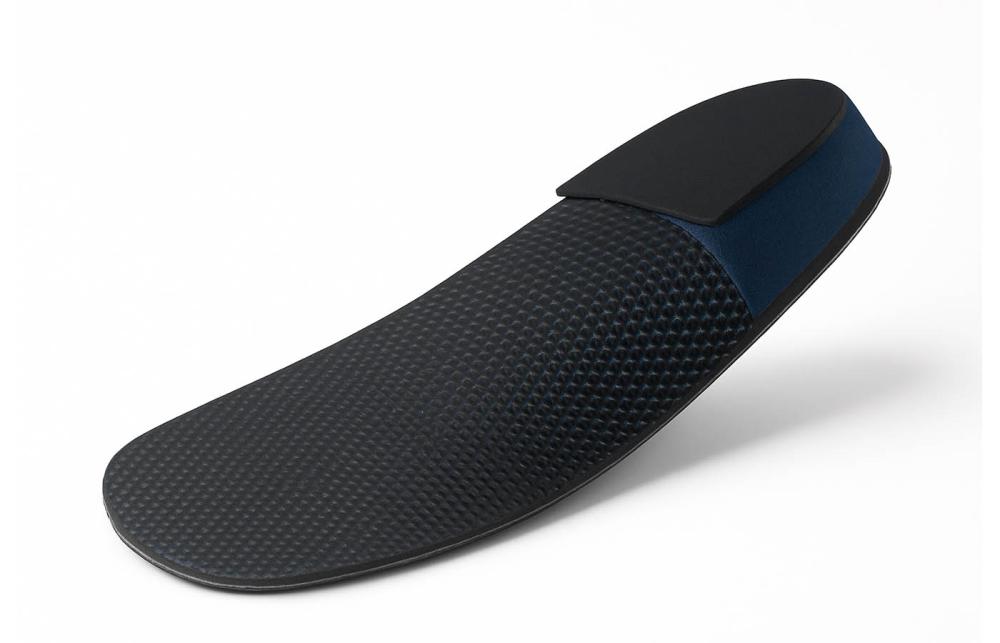
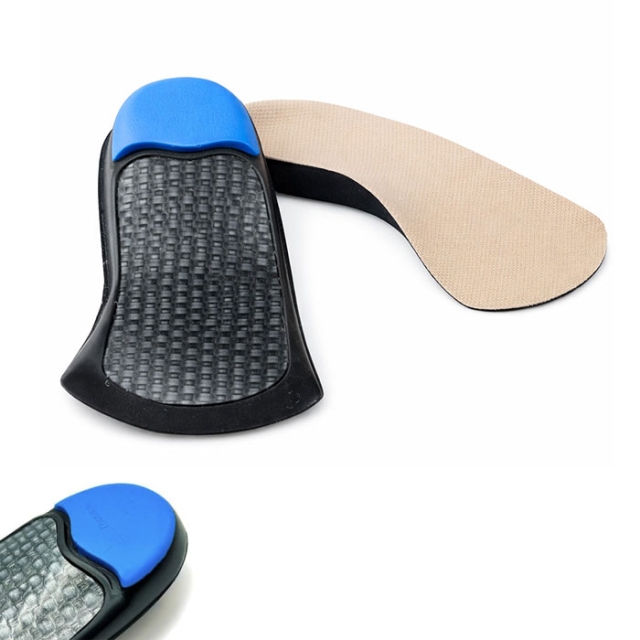
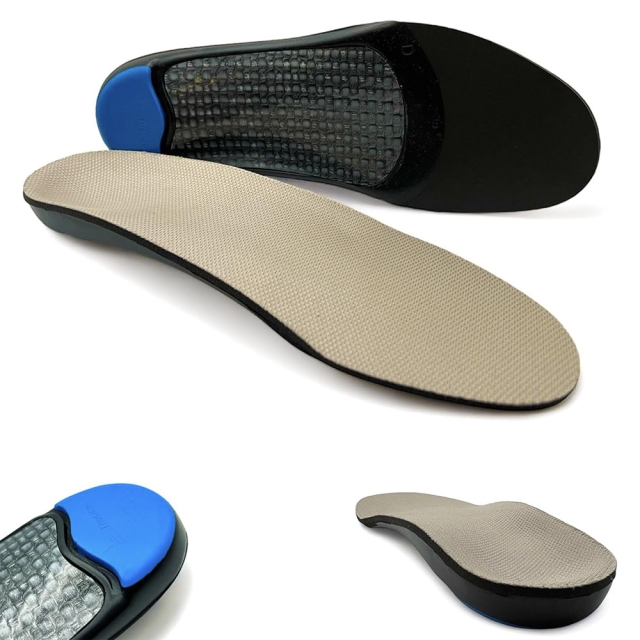
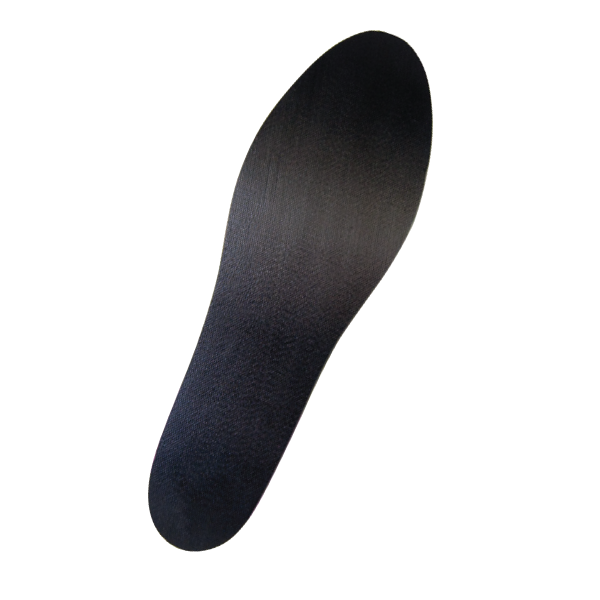
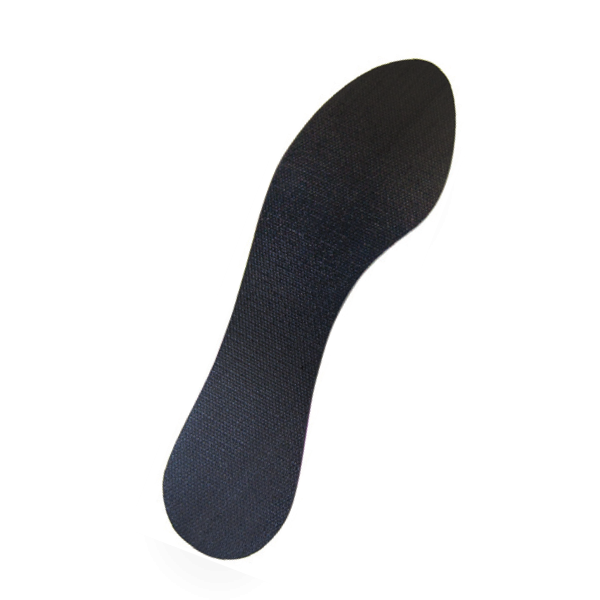
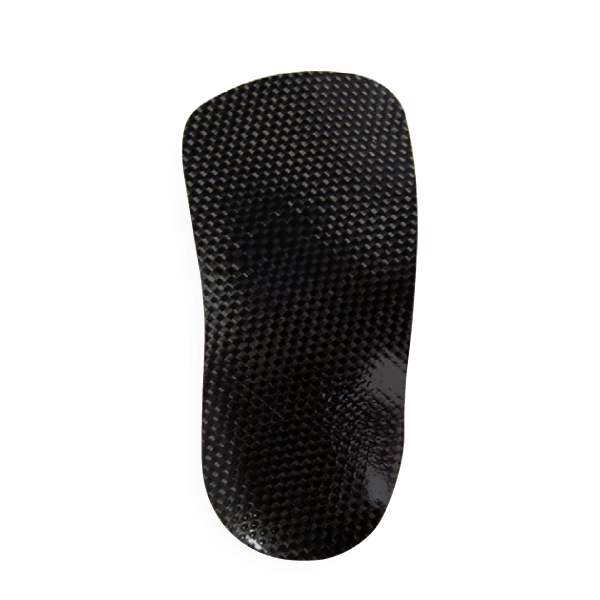
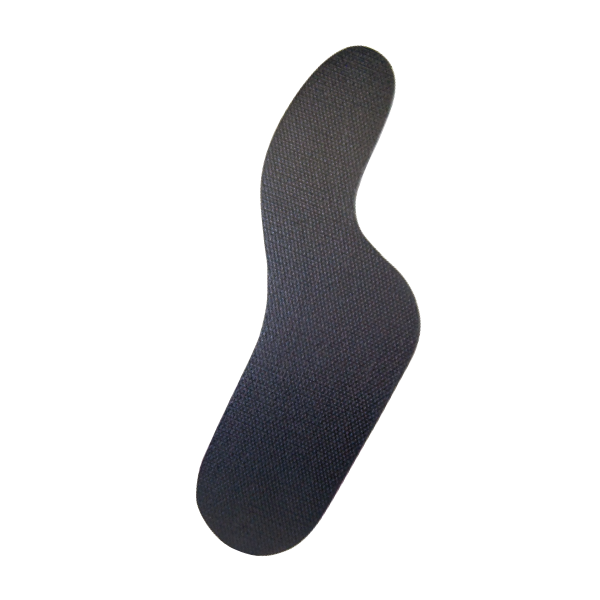
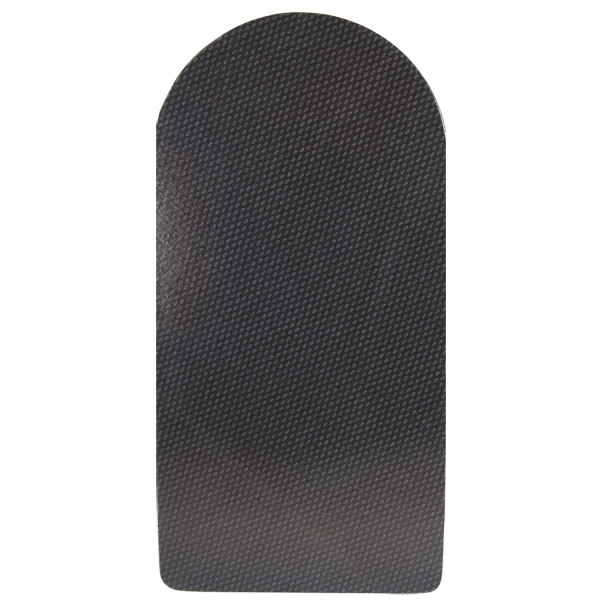
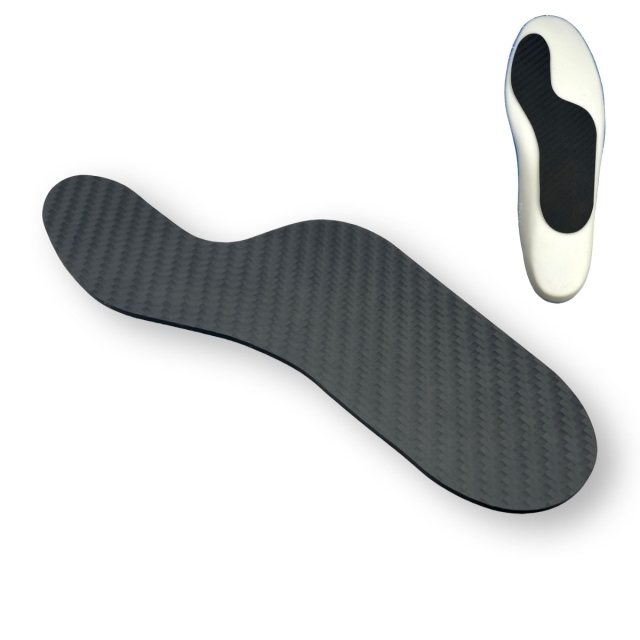
| Partial foot orthosis footplates | Glass, carbon, or hybrid | Balance stiffness vs cost and shoe volume | Direct comparison shows material choice changes load response. Case Studies in Thermal Engineering |
| Socket reinforcement - frame sections | Carbon fabric with local glass | Local strength and crack arrest plus cost control | Mixed-fibre lay-ups used historically in O&P to tune stiffness. Sage archives |
FAQ
Are carbon fibre devices always better than glass fibre devices
No. Carbon often gives more stiffness and lower mass which is helpful for energy return and slim profiles. Glass can deliver excellent performance where slightly thicker sections are acceptable and cost matters. Hybrid lay-ups can provide the middle ground. Hybrid evidence
What are the most common failure modes
Delamination at free edges, matrix cracking near stress concentrators, and local fibre breakage at bolt holes. These relate strongly to ply drops, hole placement, and cure quality. Good edge finishing and correct hardware reduce risk. Lamination - strength data
Does composite choice change alignment strategy
Yes. Stiffer struts shift ankle moments and affect rollover timing. Assess under load, capture gait data if possible, and adjust trim lines or ply count for the next build. Clin Biomech
How long will a composite device last
There is no single lifespan. Service life depends on user mass, activity profile, terrain, and process quality. Periodic inspection for cracks or changes in flex is essential. Overview
Can I repair a cracked carbon AFO strut
Local patching is possible with correct fibres and resin although properties may not fully recover. For high load regions replacement is often safer.
Do composites interfere with imaging
Carbon and glass fibres are compatible with MRI and X-ray although metal inserts or ankle joints may create artefacts. Review
References and research sources
- Amrithesh R et al. The use of fibre reinforced composite materials for biomedical purposes - orthopaedic medicine and prosthetic devices. Composites Part B
- Wong C et al. Energy storing and return prosthetic feet improve step length symmetry in transtibial amputees. Journal of NeuroEngineering and Rehabilitation
- Mulvany S. Application of carbon and glass fibre hybrid composites to load bearing orthoses and prostheses. Kingston University
- Alzarrad A et al. The impact of laminations on the mechanical strength of carbon fibre composites for prosthetic foot fabrication. Crystals
- Rocha I et al. Characterising E-glass and E-glass/carbon hybrid epoxy composites for prosthetic feet. Heliyon
- Dziaduszewska M et al. Composites in energy storing prosthetic feet - overview. Medical Technologies
- Jiang M, Zhang J. Cross ply effects in carbon lattice sandwich prosthetic foot. Strength of Materials
- Thompson J et al. Foot offloading with carbon fibre orthoses - pilot data. Clinical Biomechanics
- McGeehan K et al. Carbon-fibre custom dynamic orthosis design - centre of pressure and perceived smoothness. Clinical Biomechanics
- Likhanov A et al. The use of carbon fibre reinforced plastics in medicine - review. Fibre Chemistry
- Chua Y et al. Carbon vs glass in partial foot orthosis mechanical response. Case Studies in Thermal Engineering
- Fayaz N et al. Numerical design and validation of a 3D printed composite prosthetic foot. Composites Part A
- Radcliffe R. Carbon fibre and fibre lamination in prosthetics and orthotics. Prosthetics and Orthotics International archive
Sold: Each
Incl. VAT Exl. VAT