



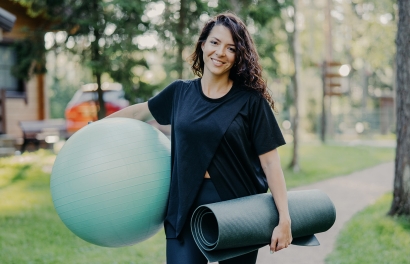
Core stability, posture training, physiotherapy rehabilitation, home fitness
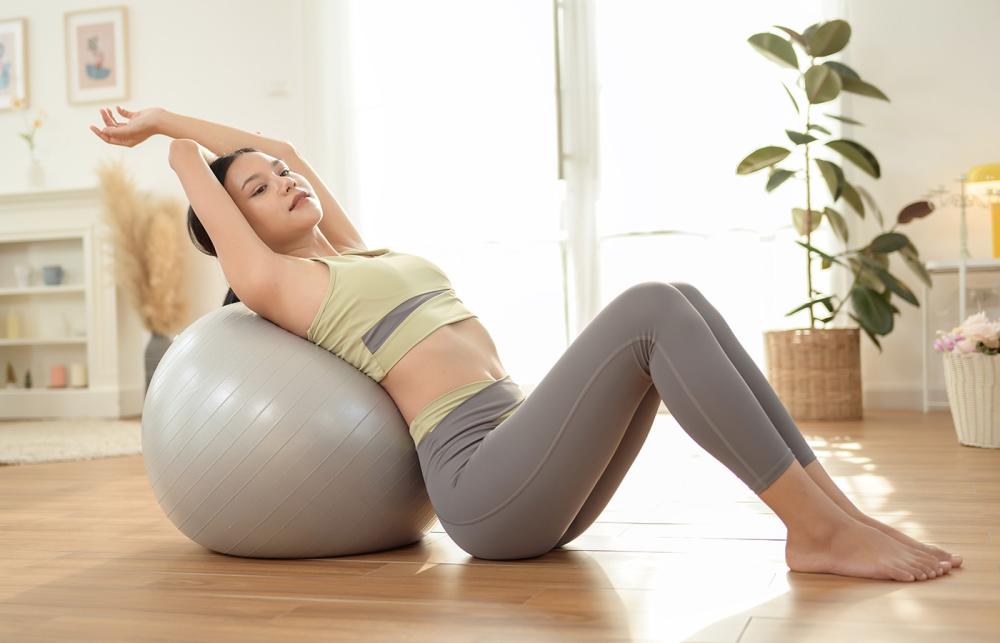
Balance balls - also known as stability balls, Swiss balls or exercise balls - have earned their place in gyms, clinics and living rooms. They’re simple, affordable, and effective for core strength, posture, and rehabilitation. Whether you’re a physiotherapist, Pilates teacher, PT, or just building a home routine, a balance ball can make training more engaging while keeping impact low.
What Is a Balance Ball?
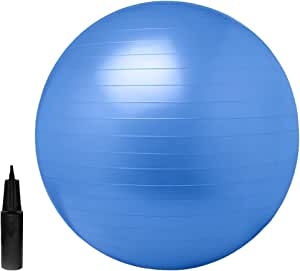
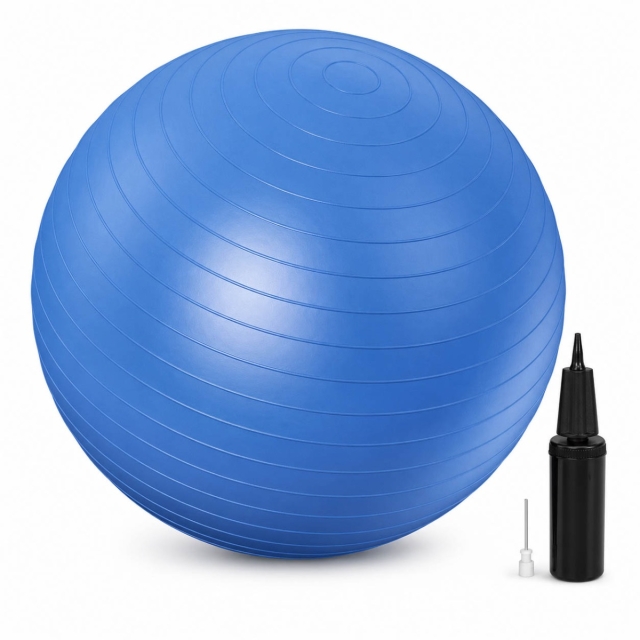
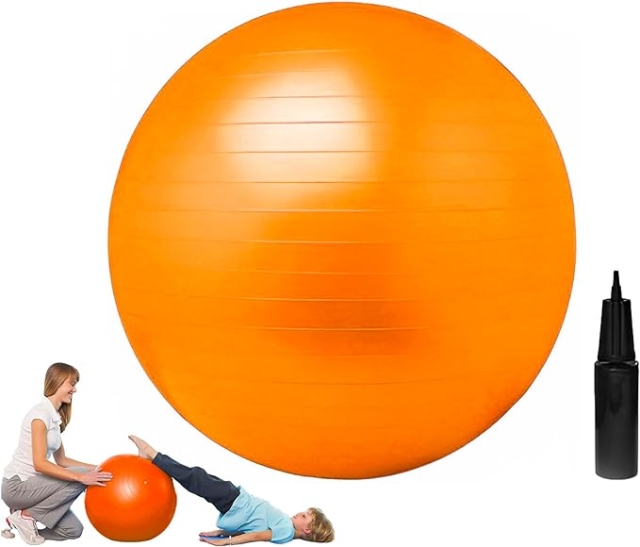
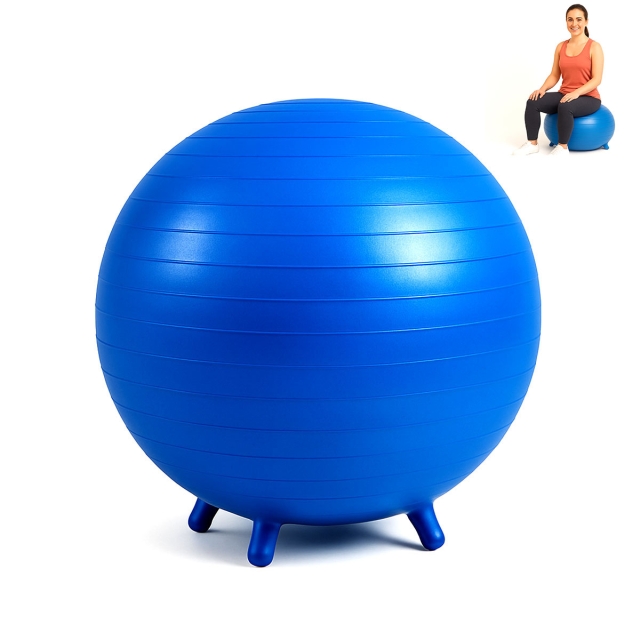
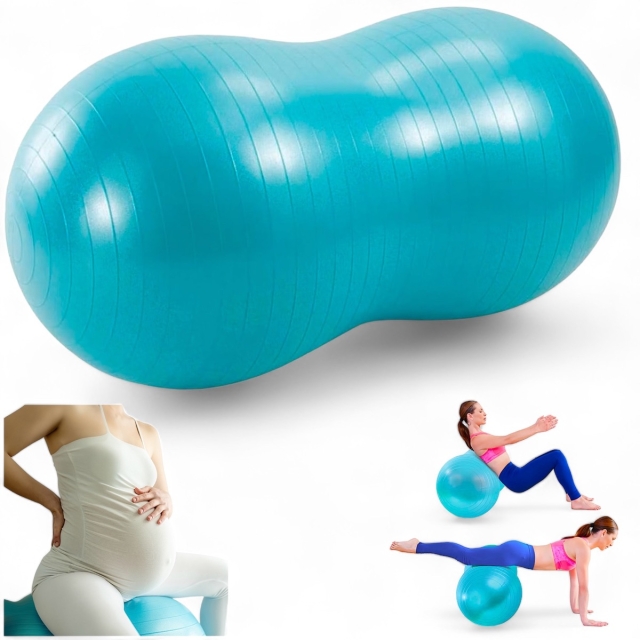
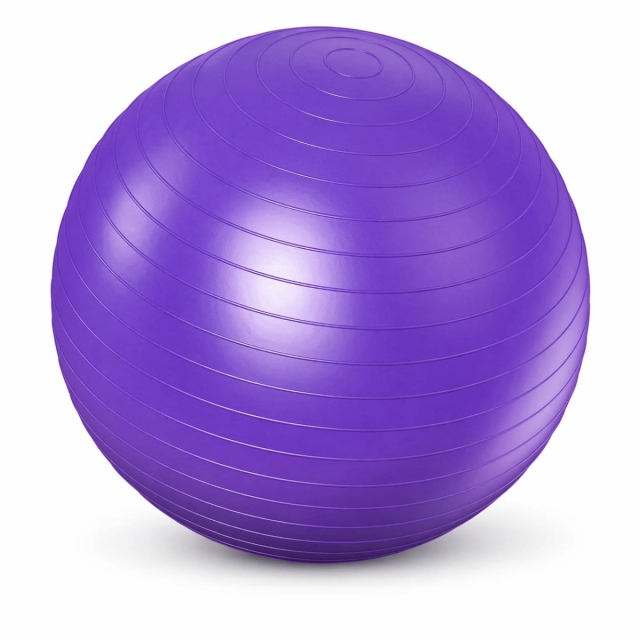
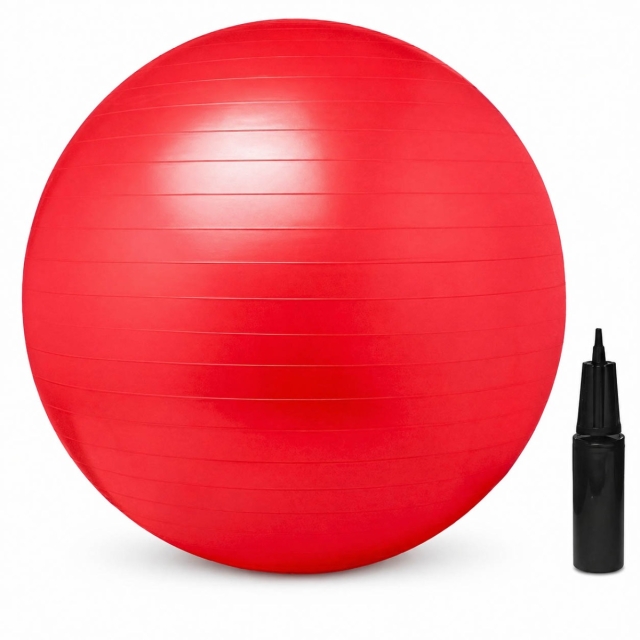
Definition: A large, inflatable, anti-burst PVC ball (typically 45–85 cm diameter) used for exercise, posture training and rehabilitation. When you sit on it, your hips and knees should form roughly a 90° angle with feet flat on the floor.
- Common sizes: 45 cm, 55 cm, 65 cm, 75 cm, 85 cm
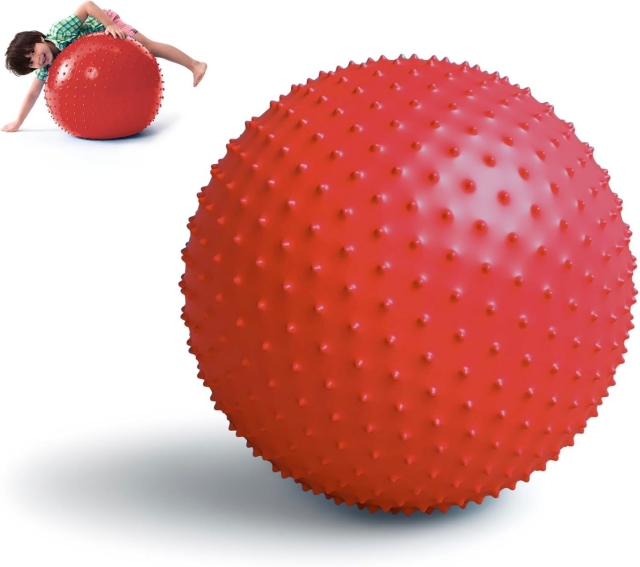
- Surface: Smooth or lightly textured for grip
- Ratings: Look for “anti-burst” and a clear max user weight
How Do Balance Balls Work - And Why Do They Matter?
The magic is controlled instability. Unlike a chair or floor, the ball moves beneath you, forcing your body to make tiny, constant adjustments. That fires up the deep stabilisers around your spine, hips and pelvis.
- Core activation: Transverse abdominis, multifidus, pelvic floor and obliques switch on to keep you steady.
- Joint-friendly: Curved, compliant support encourages pain-free ranges of motion for shoulders, spine and hips.
- Posture & alignment: Sitting tall on the ball discourages slumping and promotes neutral spine.
- Functional carryover: The stability work translates to everyday tasks—walking, lifting, reaching and sport.
Clinician note: In rehab, the ball supports graded exposure: start with seated balance, then progress to dynamic strength and multi-planar control. Ideal alongside ankle/foot rehab, lumbar stabilisation and return-to-running conditioning.
Step-by-Step: Getting Started with a Balance Ball
Choose the right size, inflate correctly, master basic balance, then layer strength moves. Keep the floor non-slip and the area clear.
1) Pick the Right Size
- Under 5’2” (157 cm): 45 cm ball
- 5’3”–5’8” (160–173 cm): 55 cm ball
- 5’9”–6’2” (175–188 cm): 65 cm ball
- Over 6’2” (188 cm+): 75–85 cm ball
2) Inflate Properly
The ball should feel firm with a little give when pressed—too soft reduces effectiveness; too hard can be uncomfortable.
3) Start with Seated Balance
Sit tall, feet hip-width. Lift one foot for 5–10 seconds, swap sides. 3 sets of 6–8 lifts per side.
4) Progress to Strength
Add wall squats (ball behind back), glute bridges (feet on ball), and dead bugs (calves on ball). 2–3 sets of 8–12 reps.
5) Advance to Dynamic Core
Planks with forearms on the ball, hamstring curls, push-ups with shins on the ball. Keep ribs down and neck long.
6) Stay Safe
Use on non-slip flooring, keep the area clear, and avoid sharp jewellery or surfaces. If dizzy or painful—stop and regress.
Balance Ball vs Other Core Tools
| Feature | Balance Ball | BOSU Trainer | Wobble Board | Standard Chair |
|---|---|---|---|---|
| Core engagement | High—continuous stabiliser work | Very high—hemi-sphere instability | Moderate—ankle-dominant | Very low |
| Exercise variety | Strength, Pilates, yoga, rehab | Cardio, agility, strength, balance | Balance drills & ankle rehab | None |
| Portability & storage | Light; can deflate | Bulky | Compact | N/A |
| Typical cost (UK) | Low (£15–£40) | Medium (£60–£100) | Low (£10–£30) | Already owned |
| Best for | Whole-body training, posture, rehab | Athletes & advanced users | Targeted balance & ankles | Sitting only |
Popular Balance Ball Exercises
- Wall Squat: Ball behind back against wall - descend to 90°, drive up through heels.
- Forearm Plank on Ball: Elbows under shoulders - brace; 20–40 seconds.
- Hamstring Curl: Supine, heels on ball; bridge hips up - curl in and extend.
- Dead Bug with Ball: Hug ball between knees and hands - alternate arm/leg reach while keeping lumbar neutral.
- Seated March: Sit tall - lift one foot then the other without shifting pelvis.
Safety Tips & Clinical Considerations
- Match ball size to height to keep hips/knees near 90° when seated.
- Check inflation weekly; under-inflation reduces stimulus, over-inflation can feel harsh.
- Use shoes or barefoot with good grip; avoid socks on smooth floors.
- Post-surgery, pregnancy, vertigo, or acute back pain: seek guidance from a physiotherapist before use.
- For older adults, start with supported sitting drills before standing variations.
FAQs
Can I use a balance ball instead of a chair?
Yes, for short periods. Sitting on a ball promotes upright posture and light core activity, but hours on end can be fatiguing. Alternate with a supportive chair and take movement breaks.
What size balance ball should I buy?
Under 5’2”: 45 cm; 5’3”–5’8”: 55 cm; 5’9”–6’2”: 65 cm; over 6’2”: 75–85 cm. When seated, hips and knees near 90°, feet flat.
Are balance balls safe for older adults?
Yes, with supervision and sensible progressions. Begin with supported sitting exercises and use non-slip flooring. A clinician can individualise progressions and manage fall risk.
Do balance balls help with back pain?
They can - by improving core control and posture. For persistent or acute pain, consult a physiotherapist first, especially before adding dynamic movements.
How often should I train on a balance ball?
Little and often works well: 10–15 minutes daily for posture. 2–3 focused sessions per week for strength and stability gains.
What features should I look for?
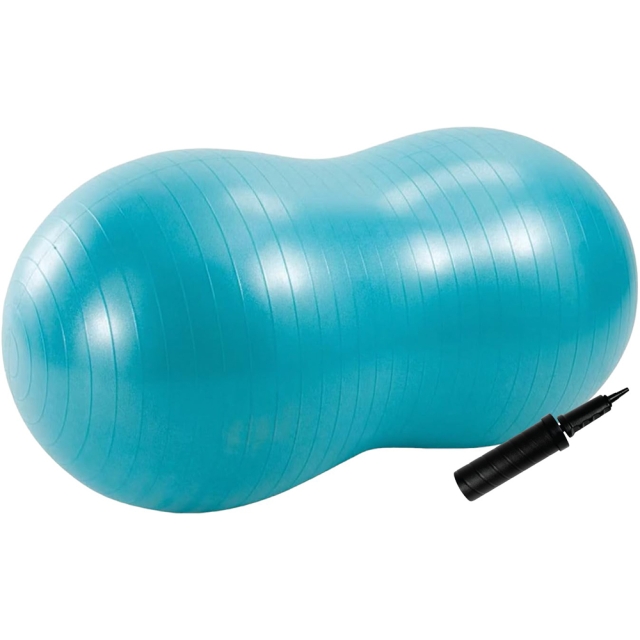
Anti-burst rating, clear max user weight, size range, textured grip, and a pump included. For clinics, choose medical-grade PVC and easy-clean surfaces.
References
- Behm DG, Colado JC. The effectiveness of resistance training using unstable surfaces and devices for rehabilitation. Int J Sports Phys Ther. 2012.
- Clark M. NASM Essentials of Corrective Exercise Training. Jones & Bartlett Learning; 2010.
- Vera-Garcia FJ, Grenier SG, McGill SM. Abdominal muscle response during curl-ups on stable vs labile surfaces. Phys Ther. 2000.
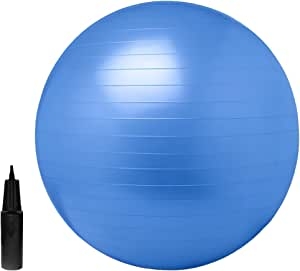
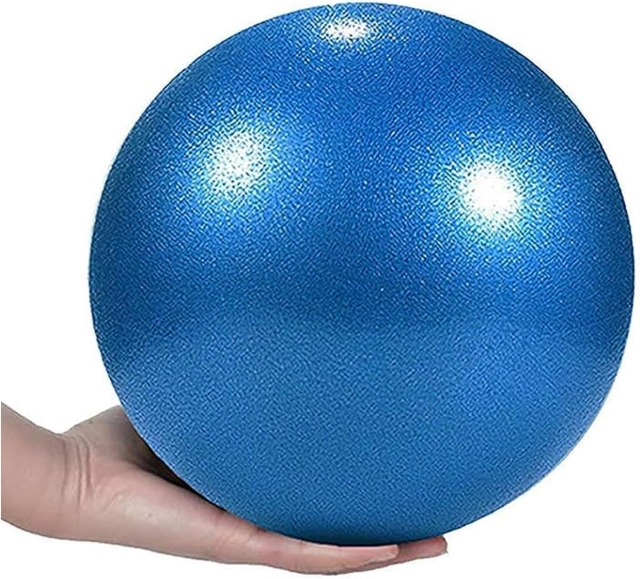
Sold: Each
Incl. VAT Exl. VAT