



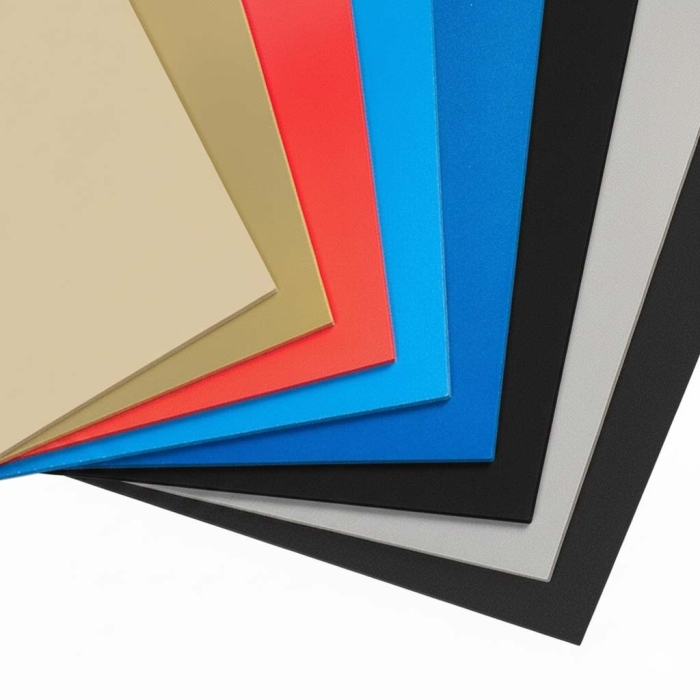
Aortha EVA Foam Sheets (Ethylene Vinyl Acetate) - A35 - Med-Low Density - 1000 x 1000mm
Soft EVA Foam Sheets (Ethylene Vinyl Acetate Foam) designed to provide optimal support and comfort for orthotic applications.
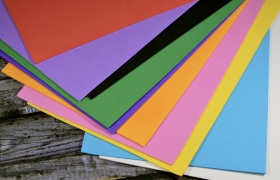
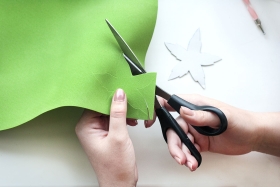
Also has uses in costume design and everyday workshop applications.
Sold: Sheet size: 1000 x 1000mm
Incl. VAT Exl. VAT
Product Description
Medium-Low Density EVA Foam Sheet for Orthotic Linings, Insole Covers and Soft Support Builds
This medium-low density EVA foam sheet is a versatile option for applications that need a balance of cushioning, light support and easy fabrication. It is commonly chosen for orthotic linings, insole covers, footwear components, prosthetic linings and general workshop use where a softer sheet is needed without moving fully into ultra-soft foam.
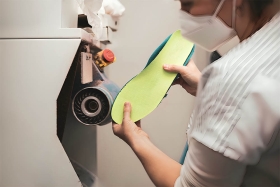
For clinicians, technicians and workshop users, it offers a practical material that can be cut, ground, fine sanded and heat moulded for custom work. For buyers comparing EVA densities, this grade sits between super-soft comfort foams and firmer structural sheets, making it useful when both comfort and low-level support are important.
Key selling points
- Shore A35 medium-low density for a balanced feel between softness and light support.
- Well suited to orthotic linings, insole covers and footwear components.
- Heat mouldable for custom shaping and contouring.
- Lightweight, washable and easy to maintain in everyday use.
- Grindable and fine sandable for accurate finishing and adjustment.
- Useful across orthotic, prosthetic, footwear, costume and workshop applications.
What it does and how it works
EVA foam combines light weight with controlled softness, helping create layers and components that cushion, protect and shape comfortably under load.
In practice, this makes it useful when you need more comfort and flexibility than a firm EVA, but still want better shape retention than a very soft top cover material.
This grade can be heat moulded, so it can be softened, formed to contours and then finished to suit the device or footwear build. That makes it especially useful for custom orthotic linings and insole covers where fit, finish and day-to-day comfort all matter.
Common problems it may help with
This is a raw fabrication material rather than a finished treatment on its own, but it can be used in devices intended to improve comfort, reduce friction from harder surfaces and create a softer interface between the foot, footwear or orthotic device. It is often selected when a build needs cushioning and gentle support without the stiffness of higher-density EVA.
- Adding a comfortable lining to custom orthotics.
- Improving insole comfort with a soft cover or top layer.
- Creating lightweight footwear components that need some resilience.
- Building prosthetic or technical lining layers where a softer finish is preferred.
Applications and suitability
- Orthotic linings and insole covers.
- Footwear components and comfort-focused build layers.
- Prosthetic linings and soft interface layers.
- Workshop fabrication, costume and prop design.
- General custom work where balanced cushioning and low-level support are needed.
This material is generally best suited to podiatrists, orthotic technicians, prosthetic workshops, footwear specialists and informed buyers selecting foam by density and intended use.
Who it may not suit
- Anyone looking for a very soft foam for maximum cushioning and minimal resistance.
- Users needing a firm structural sheet for heel raises, rigid posting or support-heavy build-ups.
- Buyers wanting a finished insole or ready-to-wear orthotic rather than raw material.
- Projects requiring high load-bearing stiffness or wedge-style structural support.
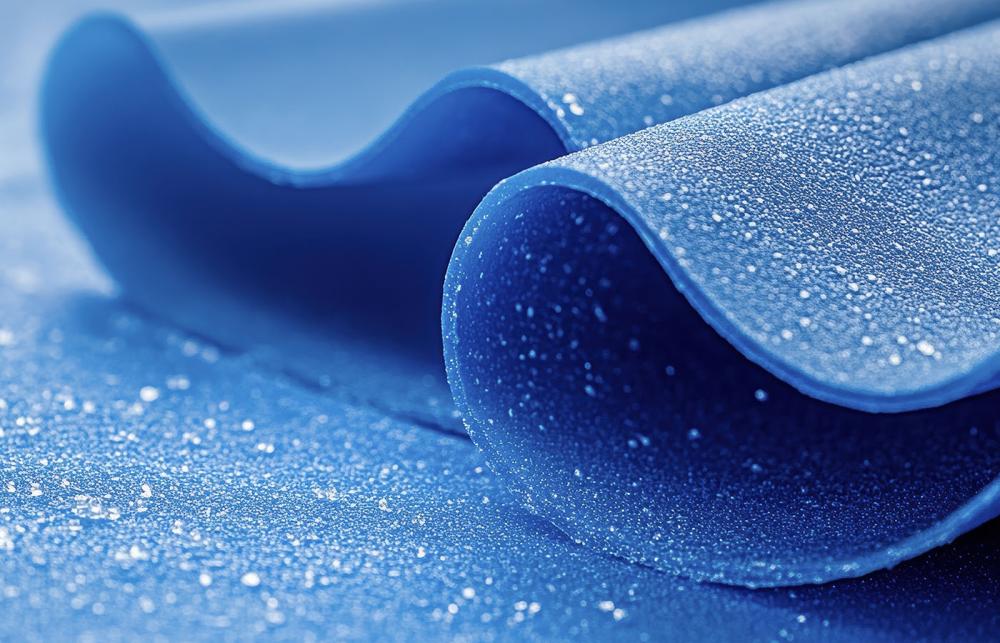
Product specifications
| Material type | Medium-low-density EVA foam sheet |
|---|---|
| Density / hardness | Shore A35 |
| Reported density | 0.20 g/cm³ |
| Sheet size | Product title states 1000 x 1000mm, while the description text also lists 940 x 900mm. Confirm the exact selected size before ordering where dimensions are critical. |
| Primary use | Orthotic linings, insole covers, prosthetic linings, footwear components and general workshop fabrication |
| Finish / handling | Washable, grindable and fine sandable |
| Heat mouldable | Yes |
| Heating guide | For Shore A25 to A35 EVA at 15mm thickness, 100 to 130°C for approximately 30 to 90 seconds, with staged testing advised according to thickness, sheet size and heat source |
| Upper processing caution | General EVA guidance states material should not be processed above 200°C due to risk of degradation |
| Other characteristics | Skin-friendly, lightweight and suitable for precise fabrication work |
Usage instructions
Select this material when a build needs cushioning, comfort and light support rather than firm structure. Cut the sheet to size, heat gradually within the recommended processing range where shaping is needed, then mould, grind or fine sand to achieve the required contour and finish.
Heating time should be adjusted for thickness, sheet size and the type of heat source used. A staged test approach is recommended, especially when trialling a new thickness or workshop set-up, because direct infrared heat can act much more aggressively than circulating air systems.
Benefits
- Balances cushioning with low-level support for versatile custom builds.
- Helps create comfortable linings and top covers without excessive bulk.
- Supports accurate customisation through heat moulding and finishing.
- Retains shape well for a softer EVA grade.
- Works across clinical, technical and creative workshop applications.
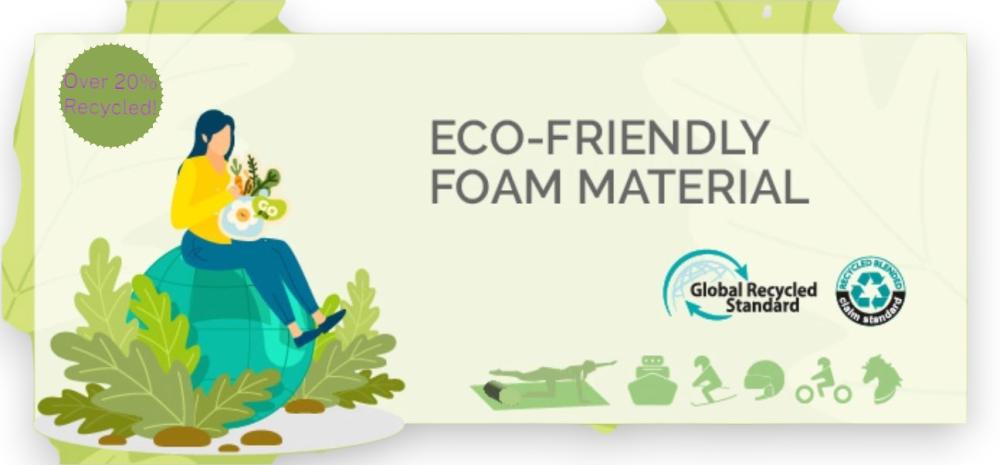
Eco-friendly Foam Materials
Our trusted manufacturer has achieved both the Recycled Claim Standard (RCS) and Global Recycled Standard (GRS) certifications in 2024. These globally recognised certifications affirm their dedication to sustainable production, responsible sourcing, and reducing the environmental impact of plastics.
The RCS and GRS certifications enable companies to verify recycled content in their products (at least 20% recycled content with full traceability process) ensuring transparency for retailers and consumers, increased use of recycled materials and demonstrate leadership in ethical and eco-conscious manufacturing practices. Additionally, these certifications ensure the manufacturer promotes social responsibility, ethical labour practices and workplace conditions.
Contraindications & warnings
- This is a raw fabrication material, not a finished medical device for direct self-treatment.
- During thermal processing, efficient ventilation in the working area is important.
- Use suitable eye, hand and respiratory protection where cutting, sanding or heating conditions require it.
- Do not overheat. Excessive temperatures may degrade the material and generate fumes.
- Degradation may produce an acetic acid odour.
- Store in a cool, dry place and protect from fire.
FAQ: What is medium-low density EVA foam used for?
It is commonly used for orthotic linings, insole covers, prosthetic linings and comfort-focused footwear components. This grade is popular because it offers a useful middle ground between very soft cushioning foams and firmer structural EVA sheets.
FAQ: Is this suitable for orthotic linings and top covers?
Yes, that is one of its main uses. The A35 grade provides a softer, more comfortable interface while still offering enough resilience for custom orthotic and insole work.
FAQ: How does this compare with low-density or high-density EVA?
This medium-low density grade sits between the softest comfort foams and the firmer structural options. It is a better choice when you want both cushioning and some shape retention, but not the rigidity of higher-density EVA used for lifts, wedges or stronger support builds.
FAQ: Can it be heat moulded?
Yes, this sheet is heat mouldable and can be shaped for custom applications. Published guidance recommends adjusting heating according to thickness, sheet size and the heat source used rather than relying on one fixed setting for every job.
FAQ: Is it easy to finish and adjust?
Yes. It is described as grindable and fine sandable, which makes it practical for workshop finishing and detailed adjustment. That can be especially useful where a smooth final contour or accurate edge finishing is important.
FAQ: Is this a finished insole material on its own?
It is generally used as a fabrication sheet rather than a ready-to-wear product. Many users incorporate it into layered builds, linings or custom devices depending on the level of comfort, support and finish required.
FAQ: Can it be used outside podiatry or orthotics?
Yes. In addition to clinical and footwear use, it is also suitable for costume, prop and everyday workshop applications where a lightweight, easy-to-shape EVA sheet is needed. Its versatility makes it useful across a wide range of fabrication tasks.
FAQ: Are there any important safety points when heating EVA?
Yes. Good ventilation is important during thermal processing, and overheating should be avoided because EVA can degrade at excessive temperatures. The material should be tested in stages, particularly when thickness, sheet size or heat source varies from one job to another.
Product Summary
This medium-low density A35 EVA foam sheet is a versatile, heat-moldable material for orthotic linings, insole covers, prosthetic linings and soft footwear components. It is best suited to comfort-led builds that still need light support, good shape retention and easy workshop finishing.
Related Downloads
Frequently bought together
Sold: Sheet
Incl. VAT Exl. VAT
Sold: Sheet Size: 1000 x 1000mm
Incl. VAT Exl. VAT
Sold: Sold per Sheet
Incl. VAT Exl. VAT
Sold: Sheet Size: 1000 x 1000mm
Incl. VAT Exl. VAT
Sold: Sheet
Incl. VAT Exl. VAT
Sold: Sheet
Incl. VAT Exl. VAT
Sold: Each
Incl. VAT Exl. VAT
Sold: Sold per Pair
Incl. VAT Exl. VAT
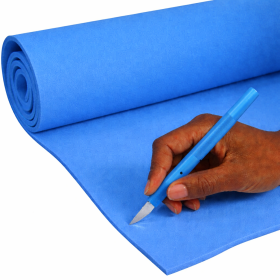
Sold: Sheet Size: 1000 x 1000mm
Incl. VAT Exl. VAT
Sold: 1320 x 830mm Sheet
Incl. VAT Exl. VAT
Sold: Each
Incl. VAT Exl. VAT
Sold: Sheet
Incl. VAT Exl. VAT
Sold: Each
Incl. VAT Exl. VAT
Sold: Sold per Pair
Incl. VAT Exl. VAT
Sold: Each
Incl. VAT Exl. VAT
Sold: Sheet size: 1000 x 1000mm
Incl. VAT Exl. VAT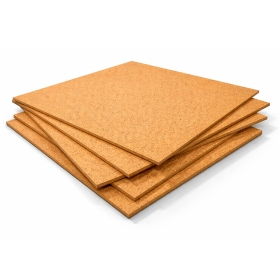
Sold: Sold per Sheet
Incl. VAT Exl. VAT

Sold: Sheet size: 1000 x 1000mm
Incl. VAT Exl. VAT